


Finding the right way to access an online account can sometimes be harder than expected, especially when a service has changing pages, account requirements, or security checks. The term “Tasiktoto Login” is generally used by people looking for information about signing into a Tasiktoto-related account. This guide explains the basic principles of account access, what to check when sign-in does not work, and how to protect personal information during the process. Since online services can change their procedures over time, users should always rely on the current sign-in process provided by the service itself and avoid unofficial pages that request unnecessary personal details.
Understanding Tasiktoto Account Access
Before attempting to sign in, it helps to understand what account access normally involves. An online account typically requires an identifier, such as a username, email address, or registered phone number, together with a password or another verification method. Some services may also use an additional security code. The exact information required can vary depending on the platform and the user’s account settings. If someone is unsure which credentials were originally registered, guessing repeatedly is usually not helpful because several failed attempts can trigger temporary security restrictions.
Preparing Before You Sign In
A smooth sign-in process starts with a few simple checks. Users should make sure they are entering the same account details originally associated with their registration. Passwords are case-sensitive on many websites, so an accidental capital letter can cause an otherwise correct password to fail. It is also worth checking whether the browser has automatically inserted an outdated password. If credentials have recently been changed, manually entering the new information can prevent confusion. Using a private and trusted device is preferable when accessing any account containing personal or financial information.
Choosing the Correct Login Page
One of the most important parts of safe account access is making sure the sign-in page is genuine. Search results, advertisements, social media posts, and messages can sometimes lead users to imitation websites. A convincing design does not prove that a page is legitimate. Before entering a username, password, phone number, payment information, or verification code, users should carefully check the website address and confirm that it belongs to the service they intend to use. This precaution is particularly important for services where accounts may contain sensitive personal or transaction information.
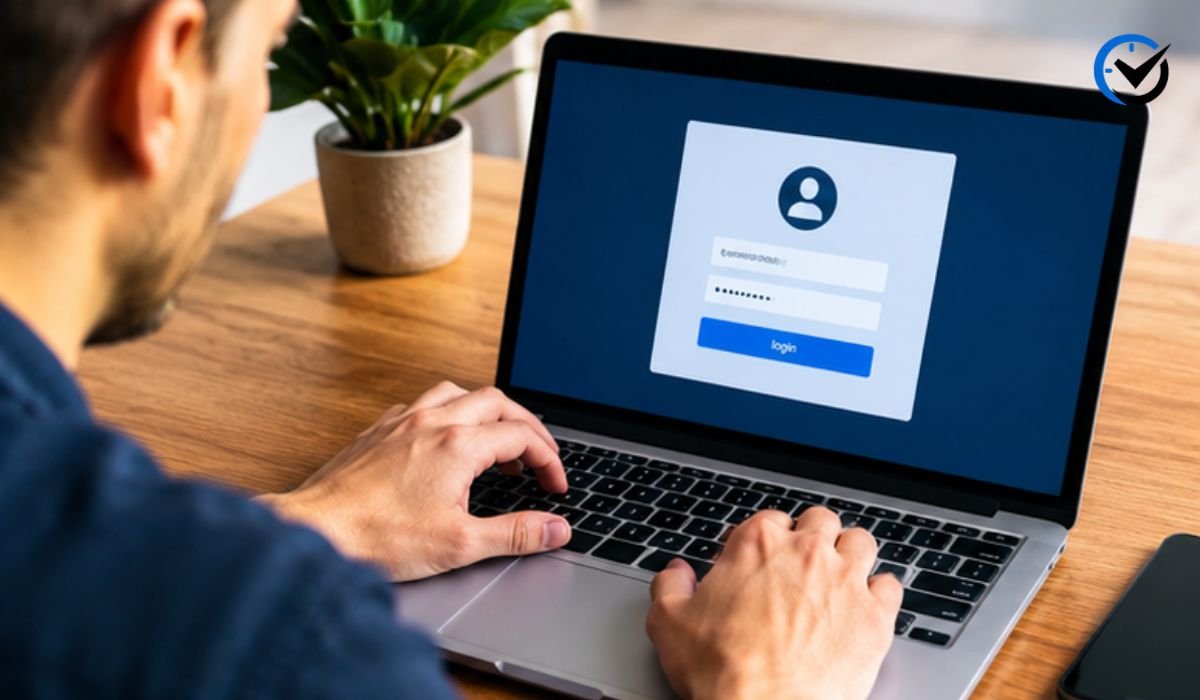
Entering Account Credentials Carefully
Once a user has confirmed that the sign-in page is legitimate, credentials should be entered carefully. Avoid sharing passwords with friends, relatives, customer-service contacts, or people claiming to provide technical assistance. A genuine support representative should not need to know a user’s private password. If the browser displays an unusual warning, redirects repeatedly, or asks for information that seems unrelated to account access, it is safer to stop and investigate rather than continue. Small warning signs can sometimes prevent larger security problems.
When a Login Attempt Fails
A failed sign-in does not necessarily mean that an account has been lost. Common causes include an incorrect password, typing errors, an outdated saved credential, browser problems, or a temporary service issue. Users should first check the spelling of their username or registered contact information and confirm that the password is being entered correctly. If the service provides an official password-recovery option, that is normally the safest next step. Repeatedly trying random passwords is not recommended because automated security systems may temporarily restrict further attempts.
Recovering a Forgotten Password
Password recovery is designed for situations where a user can no longer remember the original credential. The usual process involves selecting a recovery option and confirming ownership through a registered email address, phone number, or another approved method. The recovery message should be requested only through the legitimate service. Users should also pay attention to where recovery messages originate. Unexpected messages containing urgent instructions or unfamiliar attachments should be treated cautiously. After successfully recovering an account, creating a strong, unique password can reduce the chance of future access problems.
Handling a Forgotten Username
People sometimes remember their password but forget the username or other account identifier. Depending on the service, account-recovery tools may allow users to locate their registered identifier through an email address or phone number. If no automated option exists, the appropriate approach is to use the service’s official support process. Users should avoid posting account details publicly on forums or social networks while asking strangers for help. Publicly sharing usernames, phone numbers, screenshots, or recovery codes can expose information that could later be used against the account owner.
Dealing With Verification Codes
Some accounts use one-time verification codes as an additional security measure. These codes are normally intended only for the person who controls the registered contact method. A verification code should never be forwarded to another person, even if someone claims to be a representative or administrator. If a code arrives unexpectedly when no login or recovery attempt has been made, that may indicate that somebody is attempting to access the account. In such circumstances, changing the password through the legitimate account system and reviewing account-security options is a sensible precaution.
Browser and Device Problems
Technical problems can also interfere with account access. A browser may have outdated stored data, disabled cookies, incompatible extensions, or temporary loading problems. Users can try closing unnecessary tabs, restarting the browser, or using a current version of a reputable browser. If the page behaves strangely, testing the account through a different trusted device can help determine whether the issue is device-specific. Public computers should generally be avoided for private account access because saved passwords, browser history, or malicious software may expose sensitive information.
Internet Connection and Service Availability
Not every login failure is caused by incorrect credentials. A weak internet connection can prevent a sign-in page from loading completely or interrupt the authentication process. Temporary maintenance or technical outages can produce similar symptoms. If the page worked previously but suddenly stops responding, waiting and trying again later may be more appropriate than repeatedly changing account details. Users should also be careful with websites or messages claiming that an urgent “account verification” is required during an outage. Such situations can sometimes be exploited by scammers.
Protecting Personal Information
Account security extends beyond the password itself. Users should limit the personal information they provide and only submit details that are genuinely required by the legitimate service. Identity information, contact details, payment information, and verification codes should never be posted publicly. Screenshots can also reveal sensitive data even when users do not realize it. Before sharing an image for technical assistance, account numbers, email addresses, phone numbers, and other private information should be removed or hidden wherever possible.
Recognizing Suspicious Login Messages
Unexpected login alerts deserve attention, particularly when they mention an unfamiliar device, location, or access attempt. However, users should not automatically trust the message itself. Fraudulent emails and text messages can imitate legitimate security notifications and may direct recipients toward fake sign-in pages. Instead of clicking an unfamiliar button, users should independently open the known service through a trusted method and review their account there. This approach reduces the risk of entering credentials into a deceptive page designed to capture them.
Creating a Stronger Account Password
A strong password should be difficult to guess and should not be reused across several services. Personal details such as birthdays, names, simple number sequences, or common words are poor choices because they may be easy to predict. A longer password or passphrase containing a mixture of characters can provide better protection. Using a reputable password manager can also make it easier to maintain unique credentials without memorizing every password. If the same password has been used on multiple websites, changing those accounts individually is a worthwhile security improvement.
What to Do After Regaining Access
After successfully recovering an account, users should take a moment to review its security rather than immediately continuing as normal. Check whether the registered email address or phone number is still correct and look for unfamiliar account activity if the service provides such information. Any unknown changes should be treated seriously. If an account appears to have been compromised, the user should follow the platform’s official security and support procedures. Keeping recovery information current can make future account restoration much easier.
Avoiding Unofficial Assistance
The internet contains many people who claim they can restore accounts, bypass restrictions, or provide private login information. Giving such people access to an account can create a much greater problem. Legitimate account recovery should normally be completed through the service’s own authentication and support systems. Users should be especially cautious when someone asks for a password, verification code, remote computer access, or payment in exchange for account recovery. No convenient shortcut is worth surrendering control of a personal account.
Privacy and Responsible Account Use
Users should also understand the privacy implications of maintaining an online account. Services may collect information connected to registration, device activity, transactions, or account usage according to their policies. Before creating or continuing to use an account, it is sensible to understand what information is collected and how it may be handled. Where the service involves gambling, lottery, or similar activities, users should also consider the laws and age requirements that apply in their location. Rules can differ substantially between countries and regions, so users are responsible for understanding applicable requirements.

Why Login Information Can Change
Online platforms occasionally update their account systems, security procedures, or website structure. A login method that worked in the past may therefore look different later. Users should not assume that an old page, bookmarked address, or third-party guide is still accurate. If a familiar sign-in process suddenly changes, verifying the current procedure through the service’s legitimate channels is safer than following instructions from unknown sources. This is particularly useful when users encounter unexpected redirects or requests for additional information.
When to Contact Official Support
If ordinary recovery methods do not work, official customer support is the appropriate place to seek assistance. Users should provide enough information to establish account ownership but should not disclose their password or one-time security codes. A useful support request should clearly describe the problem, such as a forgotten credential, inaccessible registered email address, or repeated authentication error. Keeping the explanation concise and accurate can make troubleshooting easier. If support asks for information that seems excessive or unrelated, users should verify the request before providing it.
Final Thoughts
Accessing an online account should be treated as a security task, not simply a matter of entering a username and password. For anyone looking for information about Tasiktoto Login, the most useful approach is to verify the legitimate sign-in page, protect private credentials, use official recovery methods, and remain cautious about unexpected messages or third-party assistance. Login problems are often caused by simple credential or technical issues, but unusual activity should be taken seriously. By keeping account information private, using strong and unique passwords, and following the service’s current security procedures, users can reduce avoidable risks while managing their online account more responsibly.
Frequently Asked Questions
1. What is Tasiktoto Login?
Tasiktoto Login is a term people may use when referring to the process of accessing a Tasiktoto-related online account. The exact sign-in requirements can depend on the current service and account setup. Users should use only the legitimate access process associated with the service and should avoid unofficial pages that request private credentials.
2. What should I do if my password does not work?
First, check that the username and password are entered correctly, including capitalization and spacing. If the credentials still fail, use the service’s legitimate password-recovery procedure rather than repeatedly guessing. Multiple unsuccessful attempts can sometimes cause temporary restrictions, so patience may be necessary.
3. How can I recover a forgotten password?
Most account systems provide a password-recovery option connected to a registered email address, phone number, or other verification method. Follow the recovery instructions supplied by the legitimate service and create a new password that is not reused elsewhere. Never give a recovery code to another person.
4. Why am I not receiving a verification code?
A missing code can result from an incorrect registered contact detail, delivery delay, network problem, or temporary technical issue. Check whether the contact information is correct and allow some time for delivery. If the problem continues, use the official support or recovery process rather than relying on third parties.
5. Is it safe to use a saved password?
Saving passwords can be convenient when the device and password manager are properly secured. However, users should avoid saving sensitive credentials on shared or public computers. A reputable password manager with device protection can offer a safer way to manage unique passwords across different accounts.
6. What should I do if I suspect unauthorized access?
Change the account password through the legitimate service as soon as possible and review available security or activity information. If unfamiliar changes have been made, contact official support. Do not confront or engage with people who claim to have accessed the account, and never send them additional credentials.
7. Can I access my account from another device?
Many online accounts can be accessed from multiple devices, although security checks may appear when a new device or location is detected. Use a private, trusted device and avoid public computers for sensitive accounts. If a new-device verification request appears, make sure it was initiated by you.
8. Why does a login page keep redirecting?
Repeated redirects can result from browser problems, outdated stored data, network issues, or changes to the service. Try using an updated browser and a trusted connection. If the behavior continues, do not enter credentials into unfamiliar pages and verify that you are using the legitimate service.
9. Should I share my login details with customer support?
No. Passwords and one-time verification codes should remain private. If support needs to verify account ownership, it should use an approved verification process rather than asking for the secret credentials themselves. Sharing them can give another person direct access to the account.
10. What is the safest way to handle account recovery?
The safest approach is to use the service’s own recovery system and provide information only through its legitimate channels. Keep your registered contact details current, use a unique password, and treat unexpected recovery messages with caution. If automated recovery fails, official support is preferable to unofficial recovery services.
Recommended: Ểmgency: A Practical Guide to Staying Safe When Every Second Matters





One Comment