


Faston Trading Etherions is a term that can be confusing for newcomers because online descriptions do not always use it in the same way. Some discussions present it as a digital-asset trading concept, while others connect it with a platform, blockchain system, or Etherions-related assets. That difference matters when real money is involved. Before opening an account, buying an unfamiliar token, or connecting a wallet, beginners need to know exactly what they are dealing with. This guide explains the term in plain English, covers the basic mechanics of digital-asset trading, and shows how to approach an unfamiliar project without relying on hype, assumptions, or promises of easy profits.
Understanding Faston Trading Etherions
At a basic level, Faston Trading Etherions can be understood as a phrase associated with trading digital assets called Etherions through a Faston-related system or approach. For a newcomer, the practical question is not whether the name sounds innovative, but what exact service sits behind it and what rights a buyer receives when purchasing an asset. However, the term does not have one universally accepted definition. Different online sources describe it differently, so readers should not assume that every website using the name refers to the same company, token, exchange, or blockchain. Before making a transaction, confirm the exact asset, network, platform operator, contract address, and trading venue.
Why the Name Needs Careful Verification
The wording can also create confusion with Ethereum and Ether, two established terms in cryptocurrency. Ethereum is a blockchain network, while Ether, commonly called ETH, is its native cryptocurrency. Etherions is a separate term and should not automatically be treated as another name for either one. Faston may also describe different things depending on the source, including a trading method, project, or branded service. For that reason, beginners should look for primary information rather than relying on articles that repeat the same description. A useful first check is whether the project provides consistent information about its technology, ownership, token supply, trading venues, fees, and withdrawal process.
How Trading Works
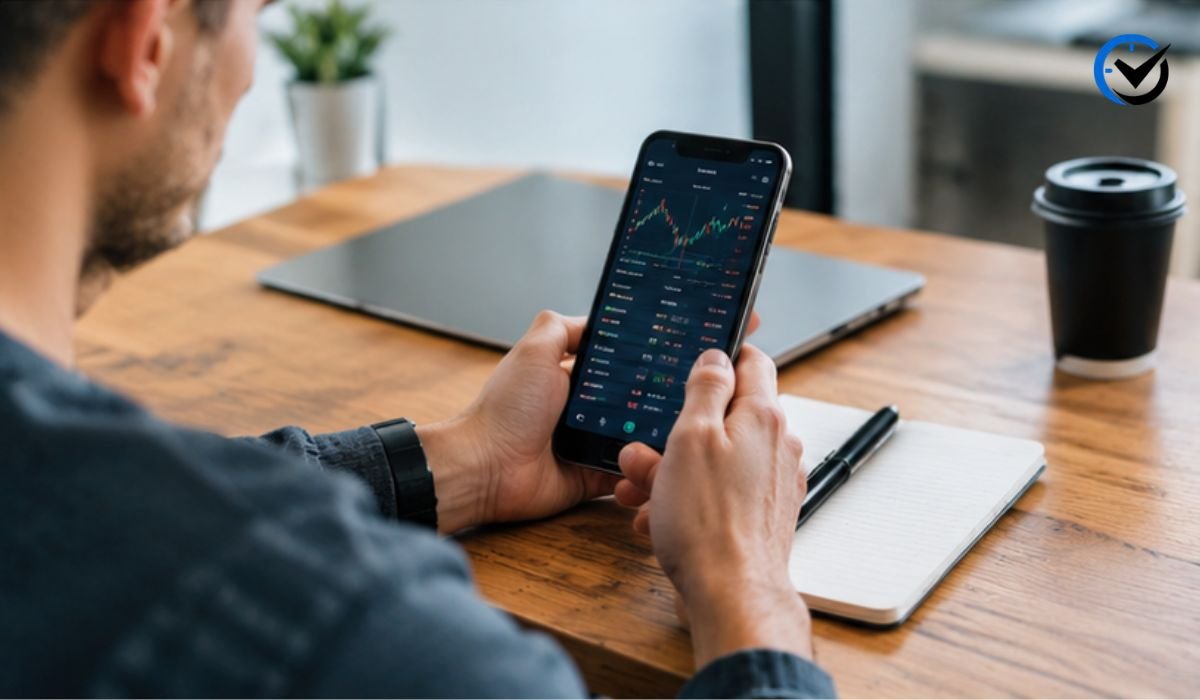
Whatever the specific project may be, the basic process of digital-asset trading is familiar. Understanding it also helps beginners recognize misleading claims, because genuine trading still depends on buyers, sellers, available liquidity, and agreed prices. No interface can create demand where none exists. Buyers place bids and sellers place offers, and a trade occurs when compatible orders are matched. A market order generally executes against available liquidity, while a limit order lets the trader specify a price. The difference between the best available buying and selling prices is known as the spread. Traders also need to consider slippage, which occurs when the final execution price differs from the expected price.
Checking the Asset and Market
Before purchasing an unfamiliar token, verify what the asset actually is and where it can be traded. Check whether its reported market activity looks genuine and whether the quoted price can actually be obtained for a meaningful order. A displayed price without dependable volume may provide little practical information. Look for a clear project description, identifiable blockchain information, contract details, supply data, development history, and a genuine trading record. Check whether the asset appears on recognized market data services or established exchanges, rather than assuming that a single website proves its existence or value. In a thin market, even a small order can move the price sharply, making entry expensive and exit difficult.
Speed, Fees, and Execution
The word fast in a trading concept can sound attractive, but speed should not be confused with quality or safety. Rapid execution is useful when markets move quickly, yet it can also make careless decisions more costly. A trader who clicks through an order without checking the amount, price, network, or order type may create an avoidable loss. Costs matter as well. Trading fees, withdrawal charges, network fees, conversion costs, spreads, and slippage can all reduce returns. Beginners should review the complete fee structure before depositing money and should test the normal deposit and withdrawal process with a small amount. The real cost of trading is the combined cost of executing and maintaining a position.

Security Should Come First
Account and wallet security are essential when dealing with digital assets. A platform should provide sensible protections such as strong passwords, two-factor authentication, withdrawal controls, and alerts for unusual activity. If a personal wallet is involved, the recovery phrase and private keys must remain secret. No legitimate support representative needs a user’s seed phrase to solve a normal account problem. Beginners should also avoid unknown wallet applications, suspicious browser extensions, and unsolicited messages asking them to connect their funds. Keeping active trading funds separate from long-term holdings can reduce exposure if one account or wallet is compromised. Security is not a technical extra; it is part of responsible trading.
Starting Small and Choosing a Strategy
A beginner should start with an amount that would not cause financial difficulty if it were lost. A small test can reveal whether deposits, withdrawals, order execution, and account controls actually work as expected. It also provides a safer way to learn the platform. After learning the basics, traders can consider styles such as short-term trading, swing trading, or longer-term holding. No single method is best for everyone. Frequent trading requires time and close attention, while longer holding requires patience and confidence in the underlying project. Beginners should avoid copying a strategy simply because someone claims it produces large returns. A simple plan that matches personal circumstances is usually easier to follow and evaluate.
Risk Management and Leverage
Risk management is more important than finding a perfect trade. Even experienced traders have losing positions, so the goal is to make losses manageable rather than pretend they can be eliminated. Capital that remains available after a bad trade gives a beginner room to learn and reassess. Position size determines how much capital is exposed, and an oversized position can cause serious damage even when the market eventually moves in the expected direction. Traders should decide how much they can reasonably lose before entering a position and avoid concentrating their funds in one unfamiliar asset. Stop-loss orders can help manage downside in some situations, but they do not guarantee an exact exit price during sudden moves or low liquidity.
Red Flags, Regulation, and Records
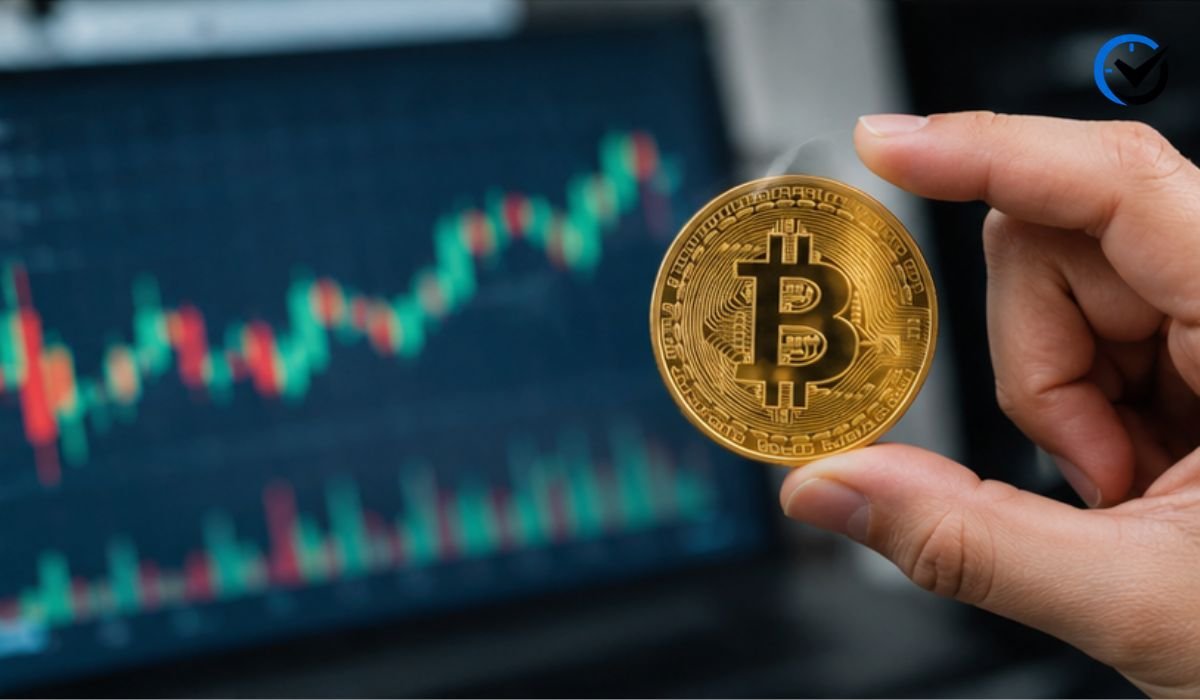
Unfamiliar crypto services should be treated carefully when they promise guaranteed returns, unusually high daily profits, secret strategies, or urgent deposit opportunities. Pressure to recruit others, unclear withdrawal rules, anonymous operators, and requests for private keys are additional warning signs. Regulatory status should also be checked independently because crypto rules differ between countries. A service being available online does not mean it is authorized everywhere. Beginners should keep records of deposits, trades, fees, and withdrawals for both personal review and possible tax reporting. A trading journal can also record why each trade was opened and closed. Over time, this helps reveal emotional decisions, excessive trading, or repeated mistakes.
Final Thoughts
Faston Trading Etherions should be approached carefully because the term is not consistently defined across online sources. The most useful first step is to identify the exact asset, platform, network, and service behind the name before committing funds. From there, focus on basic trading mechanics, liquidity, fees, account security, risk management, and local legal requirements. Avoid guarantees and promotional claims that cannot be independently supported, and never risk money simply because a project appears popular or fast-moving. Digital assets can offer genuine opportunities, but they can also involve sharp volatility, limited liquidity, fraud, and regulatory uncertainty. Careful verification and disciplined decisions provide a far stronger foundation than chasing quick profits.
Frequently Asked Questions
1. What is Faston Trading Etherions?
The phrase is used online for a crypto-related trading concept, but it does not have one universally confirmed meaning. It may refer to trading Etherions-related assets, a Faston-associated service, or a broader digital trading approach. The safest step is to identify the exact project before treating it as a specific investment product.
2. Is Faston Trading Etherions the same as Ethereum?
No. Ethereum is a blockchain network, and Ether or ETH is its native cryptocurrency. Etherions is a different term and should not automatically be considered another name for Ethereum or ETH. Always verify the asset and blockchain before transferring funds.
3. Can beginners trade Etherions safely?
Beginners can learn about unfamiliar digital assets, but no crypto trade is risk-free. Safety depends on the specific token, platform, liquidity, security controls, and local rules. Starting with a small amount, testing withdrawals, and avoiding leverage can reduce some risks while a new trader learns.
4. How can a Faston-related platform be verified?
Check its legal identity, operating history, documentation, fees, withdrawal process, security features, and information about the asset being traded. Do not rely only on promotional pages or anonymous reviews. If important details cannot be independently confirmed, that uncertainty should be treated as a warning.
5. What strategy is best for a beginner?
There is no universal best strategy. Many beginners are better served by learning basic spot trading and using simple rules for position size, entry, and exit before attempting complex automation or leverage. The chosen approach should match the trader’s knowledge, available time, and ability to accept losses.
6. Why is liquidity important?
Liquidity shows how easily an asset can be bought or sold without causing a large price change. Low liquidity can create wider spreads, greater slippage, and difficulty exiting a position. This is especially important when considering small or unfamiliar digital assets with limited trading activity.
7. Are faster crypto transactions automatically better?
No. Faster execution can be useful, but it does not prove that an asset is safe, legitimate, or profitable. Speed may even increase losses when a trader acts without checking order details. Execution quality should always be considered alongside liquidity, fees, security, and market risk.
8. Should beginners use leverage?
Most beginners should first learn without leverage. Borrowed exposure increases the size of both gains and losses and can lead to forced liquidation after relatively small adverse price movements. Understanding spot markets and risk controls provides a better foundation for deciding whether leverage is appropriate later.
9. What are major warning signs of a crypto service?
Guaranteed returns, urgent deposit requests, unclear ownership, unexplained withdrawal restrictions, recruitment pressure, and requests for private keys or recovery phrases are serious warning signs. A professional-looking website cannot replace independent verification of the business, asset, and transaction process.
10. Can Faston Trading Etherions guarantee profits?
No trading method can legitimately guarantee profits. Digital-asset prices can change rapidly because of market sentiment, liquidity, news, technology, and wider financial conditions. Anyone promising guaranteed returns should be treated with strong caution, particularly when the promise is tied to an upfront payment.
Recommended: Get ThriftyEvents.net Blog: Discover Smart Ideas for Events and Celebrations





One Comment