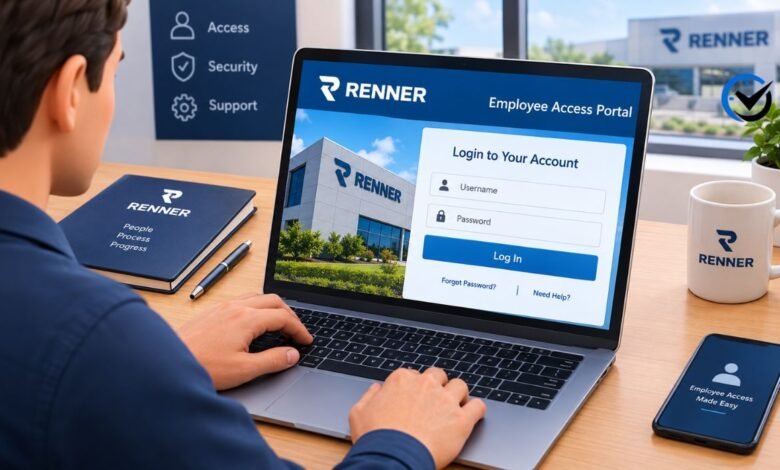
Portalrhrenner is a name people encounter when looking for Renner employee access and human resources information. The immediate goal is usually simple: reach the right workplace system, sign in, or recover a forgotten password. However, online descriptions can blur the difference between a corporate login page and the services available after authentication. This guide explains what can be confirmed publicly, how to approach employee access, and what to do when something goes wrong. It also separates practical guidance from assumptions about internal features, helping readers avoid the wrong account, unnecessary downloads, and misleading instructions that may not apply to their employment situation.
What Does Portalrhrenner Mean?
The name appears to combine “portal,” “RH,” and “Renner.” In Portuguese, RH stands for recursos humanos, meaning human resources. That makes the wording understandable in the context of a Brazilian employer, but it does not establish the joined spelling as an official product name. Renner’s publicly accessible authentication page identifies itself as a corporate login. Employees should therefore focus on the company’s current access instructions rather than expecting every internal screen to display the same name used in an online article. A familiar label can help explain a topic, but the actual destination and account requirements determine whether someone has reached the appropriate service.
Employee Access and Other Renner Accounts
A workplace account serves a different purpose from an account used to buy products, apply for employment, or manage a supplier relationship. Renner’s corporate website directs applicants through its careers section and provides separate guidance for suppliers. This distinction matters when a password seems correct but the page rejects it: the person may be using credentials for another service. Someone applying for a store position should follow recruitment instructions, while an employee seeking internal information should follow workplace guidance. Start by identifying the task you need to complete. Choosing the correct account category often resolves confusion before any password recovery or technical troubleshooting becomes necessary.
How to Find the Correct Login Page
The most dependable starting point is the destination supplied through verified onboarding materials, an established internal channel, or a confirmed HR contact. Avoid treating a high position in online results as proof that a page belongs to the employer. A copied logo, familiar colors, or a convincing page title cannot establish ownership. If a saved bookmark stops working, confirm whether the destination has changed before entering credentials elsewhere. Password services can also use a separate provider, so a change of destination is not automatically suspicious. Verify that the transition begins from a trusted company entry point and matches current workplace instructions.
What to Prepare Before Your First Login
Before attempting access, confirm which identifier your employer expects and whether your account has been activated. Do not assume that an employee number, personal email address, or Brazilian taxpayer number will work simply because another guide recommends it. The public corporate entry page does not provide a complete onboarding procedure for every worker. Ask your onboarding contact how to obtain initial credentials, whether any setup remains unfinished, and which system you need for the task. Once those details are clear, enter the assigned information carefully and follow the displayed prompts. Never try a coworker’s account to check whether your own access should already be available.
Understanding the Password Options
The visible login labels include “Login Corporativo,” meaning corporate login, and “Senha Corporativa,” meaning corporate password. There are also separate options labeled “Alterar Senha,” for changing a password, and “Esqueci Minha Senha,” for a forgotten password. Choose the route that matches your situation and follow its current instructions. Publicly visible labels do not reveal every identity check, delivery method, or password rule used later in the process. Consequently, avoid instructions promising a particular reset code, default password, or completion time without confirmation. If recovery depends on information you cannot access, explain that specific obstacle to the authorized support team.
Troubleshooting Without Making the Problem Worse
First determine where the failure happens: before the page loads, when credentials are submitted, or after a successful sign-in. These are different problems and need different responses. For a rejected password, check capitalization, keyboard language, accidental spaces, and whether autofill inserted an outdated value. For a blank page, try reloading once and check whether other sites open normally. If workplace policy permits, compare the result in another updated browser. Stop repeated guesses when an account appears blocked or the message requests support. Record the exact error wording and approximate time, because those details are more useful than simply reporting that the portal does not work.
Using a Phone or Shared Computer
A phone browser may offer a convenient way to attempt access, but the existence of a web login does not prove that every internal service supports every device. Use the method approved for your workplace, particularly when accessing personal employment documents. Do not install an app merely because its title resembles Portalrhrenner; confirm the publisher and purpose through the company first. On a shared computer, decline password saving, keep downloaded documents out of shared folders, and sign out when finished. Closing a tab alone may leave a session active. Keep your device locked whenever you step away, even during a short break at work. If a device or network is restricted, request an approved alternative instead of changing security settings yourself.
What the Public Login Does Not Confirm
It is tempting to assume that an employee portal includes payslips, leave requests, benefit enrollment, training records, and personal information updates. These are familiar functions in workplace systems, but their general popularity does not establish Renner’s current configuration. The public login screen does not verify that entire feature list. Even after authentication, a visible service may require a separate permission or approval. If you need a salary document or want to discuss annual leave, ask which current internal channel handles that request. A missing menu should be investigated as a specific access or service question, rather than treated as evidence that an entitlement is unavailable.
Getting Useful Help While Protecting Personal Information
A clear support request explains what you were trying to do, the stage where access failed, the error message, and whether the problem occurs on an approved workplace device. HR can help identify the right employment process, while an authorized technical team may need to investigate authentication or permissions. Use the contact route already provided by your employer. Never include your password, recovery code, or an unedited image exposing unrelated personal information. If a deadline is approaching, state the date and ask whether there is an approved alternative way to submit the request. Keep any support confirmation so you can track progress without sending repeated messages. Confirming account ownership may take additional time, so describe the urgency without asking anyone to skip verification. If several colleagues are affected, mention that pattern; it can help support distinguish an individual account problem from a wider interruption.
Final Thoughts
Portalrhrenner is best approached with a clear task and verified workplace instructions. Establish whether you need employee access, recruitment services, or another account before trying to sign in. Then use the appropriate entry point, follow the available password options, and describe any failure precisely when seeking help. The public corporate login offers a useful starting point, but it cannot explain every internal permission or HR procedure. Accurate guidance respects that limit. By checking the destination, protecting credentials, and confirming the service responsible for a request, employees can make better decisions and avoid turning a straightforward access problem into a longer interruption.
Frequently Asked Questions
1. Is Portalrhrenner the official name of Renner’s employee system?
The joined spelling should not automatically be treated as an official product name. The public authentication page uses corporate login wording. When asking for help, describe the service you need and the screen you see; that gives support a clearer starting point than relying only on a name found in an outside article.
2. Can a job applicant use the employee login?
Applying for a position does not by itself establish access to internal employee systems. Renner’s corporate website directs candidates to its careers section and the relevant recruitment channels. Use the application account specified for your vacancy, and wait for onboarding instructions if you are hired rather than trying to create an internal account independently.
3. Should I enter my CPF as my username?
Use a CPF, Brazil’s individual taxpayer identification number, only when the verified form or current company instructions explicitly request it. Do not assume that it is the username for every service. If your assigned identifier is unclear, confirm the required format before submitting personal information or making several unsuccessful login attempts.
4. What if I never received my initial credentials?
Contact the person handling your onboarding and explain that you have not received access instructions. Ask whether the account exists, whether activation is complete, and how credentials should be delivered. A missing initial account is different from a forgotten password, so starting repeated recovery attempts may not address the actual problem.
5. Why does a password option open a different service?
Renner’s public login directs its password options to an external identity management service. That transition can therefore be part of the intended process. Begin from the verified corporate entry page rather than an unsolicited message. If the destination or requested information seems unfamiliar, confirm the route with authorized support before continuing.
6. What should I do if the password page stays blank?
A blank page does not establish that your password is wrong. The password pages reached from the public login require JavaScript, so browser restrictions may affect loading. If permitted, try an updated, approved browser. On a managed device, ask technical support to investigate instead of disabling protections or installing unfamiliar software.
7. Does a working login guarantee access to every HR service?
No. Signing in establishes access at one stage; a particular service may still require an assigned role or separate approval. If the needed screen is missing or displays an access error, report that specific result. Resetting a functioning password repeatedly is unlikely to resolve a permission issue and can complicate troubleshooting.
8. Can former employees retrieve documents through the same account?
Do not assume that access continues after employment ends. Ask the company which process applies to former employees and how identity will be verified for document requests. Explain which document and employment period you need. Avoid asking a current worker to access records on your behalf or share an internal account.
9. Is employee access guaranteed outside Brazil?
The availability of a public entry page does not prove that internal services can be used from every country or network. Before traveling or working abroad, ask whether your intended access method is supported. If access fails overseas, report your location through an authorized channel and request guidance instead of attempting to bypass restrictions.
10. What if I entered my password on a suspicious page?
Stop using that page and contact the authorized security or support team promptly. From a verified route and trusted device, follow their instructions for changing the affected password and checking account access. Explain when the incident happened and what information you entered. Do not approve unexpected verification requests while waiting for assistance.
Recommended: AlternativeWayNet Steve Explained: Steve Thompson, Website Content, and Key Questions