

An emergency can turn an ordinary day into a serious situation within moments. A sudden injury, house fire, severe storm, road accident, power outage, or other unexpected event can leave people with very little time to decide what to do. The term “Ểmgency” is sometimes used as an altered spelling of “emergency,” but the idea remains the same: a situation that may require immediate attention to protect health, safety, or property. Being prepared does not mean expecting something bad to happen. It means having enough knowledge, planning, and practical supplies to respond calmly when normal routines are suddenly disrupted.
Understanding an Emergency Situation
An emergency is usually an event that creates an immediate or serious risk and requires timely action. However, not every difficult problem is an emergency. A minor household issue may be handled later, while heavy bleeding, a building fire, suspected stroke symptoms, or a dangerous gas leak can require immediate professional help. The most important factors are the level of danger, how quickly the situation could become worse, and whether delaying action could cause serious harm. Learning to recognize urgency helps people avoid both dangerous delays and unnecessary panic.
Why Preparation Makes a Difference
Preparation gives people a clear starting point when stress makes normal thinking harder. During a crisis, someone may struggle to remember important phone numbers, find basic supplies, or decide where family members should meet. A simple household plan can remove much of that uncertainty. Everyone should know how to contact local emergency services, where essential supplies are kept, and what to do if family members become separated. It is also useful to identify everyday hazards, such as blocked exits, unsafe electrical connections, unsecured furniture, or outdated first-aid supplies, before they create a larger problem.
Creating a Practical Safety Plan
A useful emergency plan does not need to be complicated. Begin by considering the risks most likely in your region, such as flooding, earthquakes, wildfires, severe storms, extreme heat, or extended power failures. Decide how household members will communicate and choose a meeting place if everyone cannot return home. Include children, older adults, and anyone who may need additional assistance. The plan should be reviewed when circumstances change, including a new home, different work schedules, updated contact details, or changes in household needs. A plan only helps when people understand it before an emergency begins.
Preparing an Emergency Supply Kit
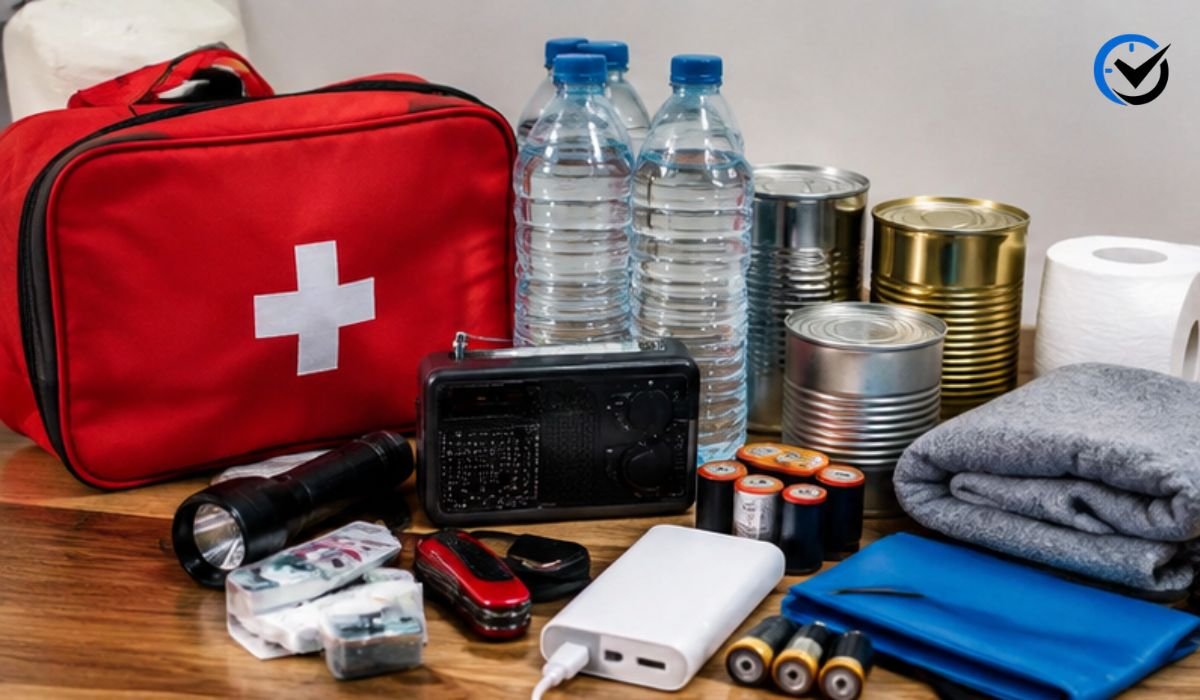
An emergency kit should provide basic support when normal services are temporarily unavailable. Depending on individual circumstances, it can include drinking water, shelf-stable food, a flashlight, spare batteries, a first-aid kit, essential medicines, hygiene supplies, a phone charger or power bank, and copies of important information. The contents should reflect local conditions and household needs rather than follow a one-size-fits-all formula. Store supplies somewhere easy to reach, because a kit hidden in a location affected by fire, flooding, or structural damage may be useless when it is needed most.
Staying Calm Under Pressure
Remaining calm during a crisis can improve judgment and reduce avoidable mistakes. Fear may cause people to freeze, rush toward danger, or focus on several problems at once. If there is no immediate need to escape, take a brief moment to understand what is happening. Identify the main hazard, move away from danger when possible, and focus on the next safe action rather than trying to predict every possible outcome. Clear communication is equally important. Short, direct instructions are usually easier to understand when people are frightened, injured, or distracted.
Knowing When Professional Help Is Needed
Emergency services should be contacted when a situation presents an immediate or serious threat that requires trained assistance. Emergency telephone numbers differ between countries, so people should know the appropriate number for their location. When calling, provide the exact location if possible, explain what happened, describe injuries or immediate hazards, and follow the operator’s instructions. Do not delay seeking help because you are uncertain about whether a situation is serious enough. At the same time, routine questions and non-urgent problems should generally be directed to appropriate non-emergency services so emergency resources remain available for urgent cases.
Basic First-Aid Awareness
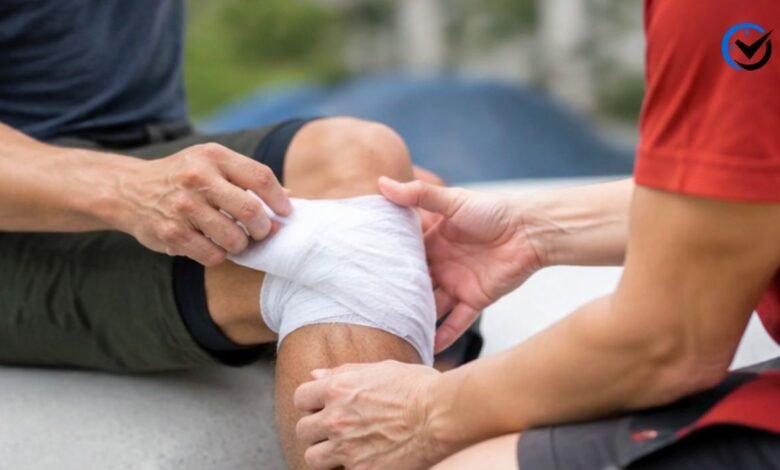
Basic first-aid knowledge can help someone provide temporary support while professional assistance is being arranged. The safest approach is to provide only care you understand and can perform without creating additional risk. For example, firm direct pressure may help control certain types of external bleeding. A person who is unconscious but breathing may require careful positioning based on recognized first-aid guidance. Serious injuries, breathing problems, loss of consciousness, severe burns, and other major conditions require professional assessment. First aid should be viewed as immediate support, not as a substitute for medical treatment.
Fire, Weather, and Environmental Risks
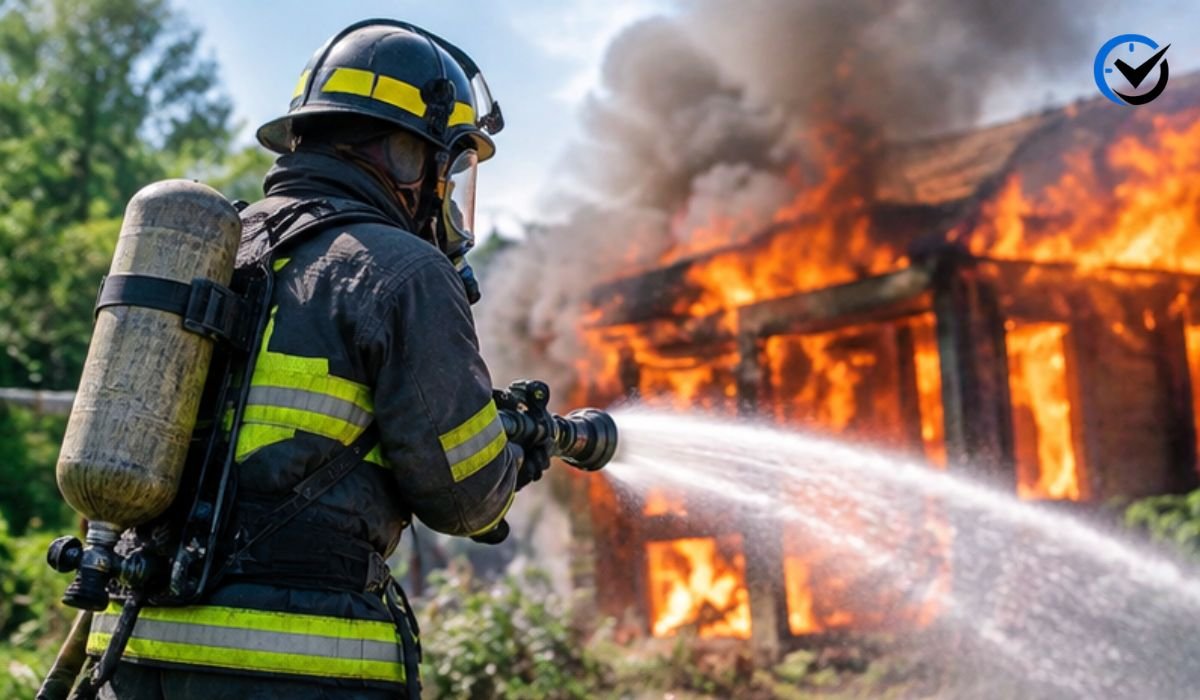
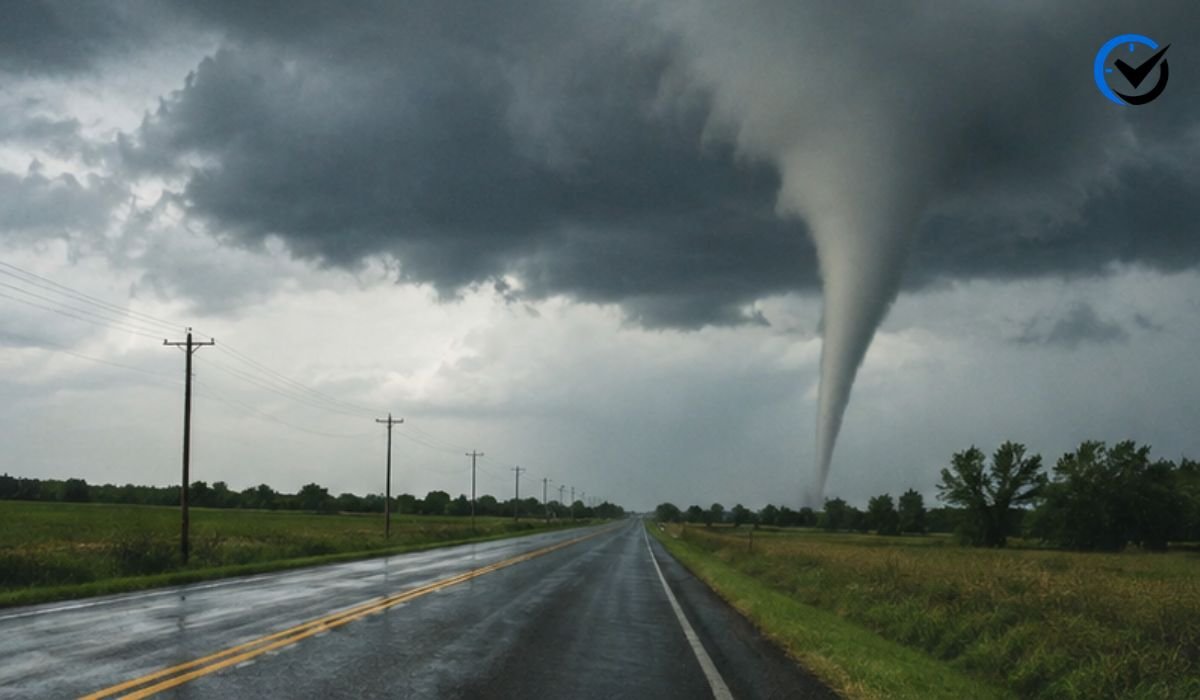
Fire safety begins with prevention and a clear escape plan. Keep exits accessible, avoid unsafe electrical practices, and make sure smoke alarms are functioning properly. Household members should know how to leave safely and where to meet after evacuation. Natural hazards require different responses depending on location. Floods, earthquakes, hurricanes, tornadoes, wildfires, extreme heat, and winter storms can each create unique dangers. Follow official warnings and evacuation instructions, and remember that hazards may continue after an event appears to be over. Damaged buildings, contaminated water, fallen power lines, debris, and unstable roads can remain dangerous.
Road and Travel Emergencies
Travel emergencies often involve moving traffic, unfamiliar surroundings, and limited access to assistance. If a vehicle breaks down, occupants should move away from immediate traffic danger when it is safe to do so and use appropriate warning measures. Basic roadside supplies can be helpful during unexpected delays. Travelers should keep emergency contacts and important information accessible, particularly when driving long distances or visiting unfamiliar areas. After a serious collision, avoid creating additional danger and contact emergency services when injuries, fire, dangerous traffic conditions, or other major hazards are involved.
Communication During a Crisis
Communication can become difficult when electricity fails, networks become overloaded, or people are separated. A household plan should therefore include more than one way to communicate when practical. Important contact information should not exist only inside one person’s phone. Written copies can provide a useful backup. During an emergency, clearly communicate the location, immediate danger, injuries, and type of assistance needed. Avoid forwarding unverified warnings or alarming social media claims. False information can create confusion, encourage unsafe movement, or interfere with legitimate emergency instructions.
Protecting Vulnerable Household Members
Children may react to emergencies differently from adults because they may not understand what is happening. Give them simple, age-appropriate instructions about exits, trusted adults, meeting places, and how to ask for help. Older adults and people with disabilities may also need additional planning for mobility, hearing, vision, communication, medication, or equipment needs. Emergency plans should recognize individual requirements rather than assume everyone can respond in the same way. Discussing these needs before a crisis makes it easier to arrange practical assistance when normal transportation, electricity, communication, or community services are disrupted.
Digital Information and Personal Security
Emergencies can create digital risks as well as physical ones. People may receive false alerts, impersonation messages, misleading posts, or unverified claims during major incidents. Important information should be checked through trusted official sources before action is taken. Keeping phones charged and having backup charging equipment can improve communication during an outage. It is also sensible to keep essential insurance, medical, identification, and contact information available in a secure form. The goal is to make important information accessible without unnecessarily exposing private details.
After the Immediate Danger Passes
The end of the immediate event does not always mean the environment is safe. Damaged structures, exposed electrical wires, contaminated water, broken glass, debris, and unstable roads can create secondary dangers. Follow instructions from emergency authorities and avoid restricted areas. Check on family members, neighbors, or others who may need assistance when doing so is safe. If damage must be documented for practical or insurance reasons, do so without entering dangerous locations. Recovery may take hours, days, or longer, so conserve essential supplies and remain prepared for changing conditions.
Learning From Previous Incidents
Every emergency can reveal weaknesses in a safety plan. After an incident, consider which parts of the response worked well and which caused delays. Perhaps a flashlight was difficult to find, contact information was outdated, an exit was blocked, or a backup battery had lost its charge. These observations can improve future readiness. Reviewing what happened should not be about assigning blame. It should be about identifying practical changes that can make the next response faster and safer. Even small improvements can have significant value when time is limited.
Common Mistakes to Avoid
Several mistakes can make an emergency more dangerous. People sometimes delay calling for assistance because they hope the situation will resolve itself, return to an unsafe building to collect belongings, ignore evacuation instructions, or share information without checking whether it is accurate. Others may attempt unfamiliar repairs while hazards are still present. Having emergency supplies is also less useful if nobody knows where they are stored. A strong response follows a simple principle: protect people first, communicate clearly, follow reliable instructions, and avoid unnecessary risks.
Final Thoughts
Being prepared for an emergency is not about predicting every possible disaster. It is about developing practical habits that make sensible action easier when normal routines suddenly disappear. A clear safety plan, accessible supplies, basic first-aid knowledge, reliable communication, and attention to official instructions can all improve a person’s response under pressure. Whether the situation involves a medical problem, fire, severe weather, travel incident, or another urgent event, the safest approach is to protect people first, avoid unnecessary risks, communicate clearly, and seek professional help when appropriate. A modest amount of preparation can make a major difference when every second matters.
Frequently Asked Questions
1. What does Ểmgency mean?
Ểmgency is an altered spelling associated with the word “emergency.” In this context, it describes an urgent situation that may require immediate attention, protective action, or professional assistance. The central idea is responding promptly when health, safety, or property may be at serious risk.
2. What should I do first during an emergency?
First, determine whether you or someone nearby is in immediate danger. Move away from the hazard when possible, warn others if necessary, and contact the appropriate emergency service when professional help is needed. Avoid actions that could put you or another person in greater danger.
3. How can I prepare my home?
Start with working smoke alarms, clear exits, basic emergency supplies, useful contact information, and a simple communication plan. Consider the hazards most likely in your area and make sure household members know where supplies are stored and what to do if evacuation becomes necessary.
4. What belongs in an emergency kit?
A basic kit may include drinking water, long-lasting food, lighting, batteries, first-aid supplies, essential medicines, hygiene items, charging equipment, and important household information. Adjust the contents according to local weather, household size, medical needs, and likely risks.
5. How can I stay calm during a crisis?
Concentrate on the immediate situation instead of trying to solve everything at once. If there is time to pause safely, take a breath, identify the main hazard, and choose the next sensible action. Following a familiar plan can also reduce confusion and stress.
6. When should emergency services be contacted?
Contact emergency services when someone faces an immediate or serious threat to life, health, or safety, or when trained assistance is clearly required. Give the operator the location, explain what happened, describe injuries or hazards, and follow the instructions provided.
7. Why is emergency communication planning important?
A communication plan helps people reconnect when normal routines are interrupted. It can identify important contacts, meeting places, alternative communication methods, and essential information. Planning ahead reduces confusion when transportation, electricity, or telephone networks are affected.
8. How should children be included in safety planning?
Children should receive simple instructions suited to their age. They can learn where to go during an evacuation, which adults they can trust, where the family will meet, and how to seek help. Calm practice can make these actions familiar without unnecessarily frightening them.
9. What should I do after an emergency?
Remain alert for secondary hazards and follow instructions from local authorities. Avoid damaged or restricted areas, check on others when it is safe, and conserve important supplies. An area should not automatically be considered safe simply because the main event has ended.
10. How often should a safety plan be reviewed?
Review the plan whenever important circumstances change and occasionally as a routine. New household members, updated phone numbers, medication changes, different work locations, or new local risks can make an old plan less useful. Regular checks also help ensure supplies remain ready to use.
Recommended: Why Casîo Watches Remain Popular: Design, Durability, and Timeless Appeal





One Comment