
Nova Scola Explained: Services, Schools, Canada Education, and Student Support


Choosing to study in another country involves much more than finding a school. Students and families must compare programs, understand admission requirements, plan a budget, arrange housing, prepare for travel, and consider what happens after arrival. Nova Scola Education Consulting Inc. is a Canada-based education consulting company that helps students explore these choices, with a strong focus on Canadian education. The organization says it has more than a decade of experience advising Turkish students and families about school selection, career planning, and life in Canada. Its role is best understood as guidance and support rather than as a school or university itself.
What Is Nova Scola?
Nova Scola is a federally registered Canadian education consulting firm based in Toronto, Ontario. Its work centers on helping prospective international students build realistic education plans based on academic interests, personal preferences, and financial circumstances. Instead of presenting one route as suitable for everyone, its stated approach considers the student’s profile before recommending options. This matters because Canadian education includes very different paths, from language programs and secondary schools to colleges and universities. A useful plan therefore needs to match a student’s age, goals, preparation, budget, and preferred destination.
Education Consulting and Planning
The consulting process can be useful when a student knows they want Canada but does not know which type of institution or program makes sense. Advisors can help compare academic routes, discuss possible schools, and organize the decisions that must be made before enrollment. This is particularly helpful for families unfamiliar with Canadian education. It can also prevent students from choosing a program simply because it sounds popular. A stronger approach is to consider whether the program fits the student’s abilities, career direction, finances, and long-term plans.
School Selection and Registration
School choice is one of the central services offered by the company. Its listed education partners include language schools, high schools, colleges, and universities in Canada. Selection is not only about the name of an institution. Students should consider program content, location, entry requirements, academic support, living costs, class environment, and future study options. Registration can also involve documents, deadlines, and communication with the institution. Consulting support can make this process easier to organize, although students and families should still review official admission terms and confirm requirements directly with the school.
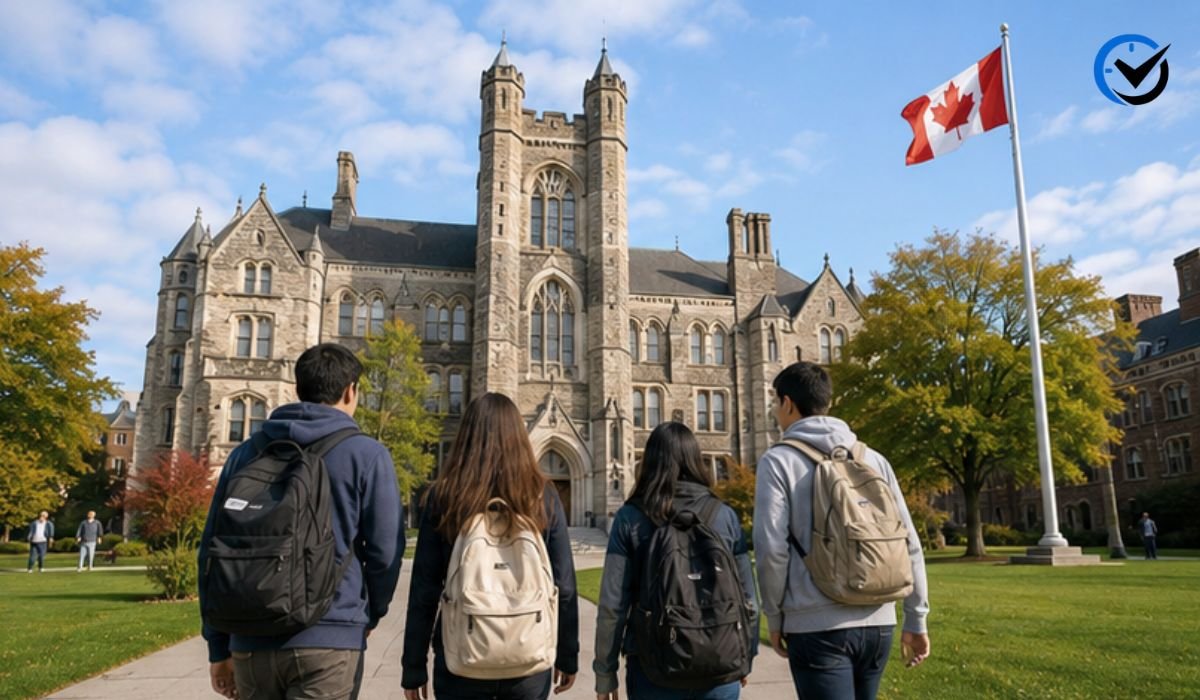
Language Schools in Canada
Language education is another important part of the service. The organization describes options for different ages and language levels, including shorter courses and programs intended to prepare students for later academic study. Toronto, Montreal, and Vancouver are among the cities it highlights for language education. A language program may be used to improve everyday communication, develop academic English, build confidence before entering a Canadian school, or prepare for further education. The appropriate choice depends on current ability, intended study length, preferred city, budget, and eventual academic goal.
High School Education
Canadian high school can be an option for younger international students who want to experience the country’s education system before university. Nova Scola presents both traditional in-person high school study and a remote high school pathway among its options. Families comparing schools should consider curriculum, course selection, student support, location, accommodation, and university preparation. A student’s senior-level courses can also influence preparation for later university applications. Studying in Canada should therefore be treated as an academic decision, not simply as an opportunity to live abroad at a younger age.
Colleges and Universities
Postsecondary education provides another major pathway. Canadian colleges often emphasize practical and career-focused programs, while universities generally offer broader academic and degree-based study, although the distinction is more nuanced than that simple comparison. The best institution depends on the field, academic record, finances, desired credential, and future plans. The company’s listed institutions include colleges and universities such as Centennial College, Niagara College, Trent University, Nipissing University, and Yorkville University. Students should compare the exact program rather than choosing solely on institutional reputation because admission standards, tuition, program length, and future opportunities can differ.
Early-Step Programs and Summer Opportunities
Preparation programs can be useful for students who are not ready to begin a full academic journey immediately. The company lists early-step programs, summer schools, certificate programs, and educational activities among its services. Such experiences may help younger students become familiar with Canadian classrooms, improve language confidence, and understand daily life away from home. They can also help families decide whether a longer study period abroad is appropriate. However, short programs should be judged on their actual learning goals, supervision, costs, and schedule rather than treated as guaranteed routes into later admission.
Arrival and Placement Support
Moving to Canada for education can feel challenging even after admission has been secured. Nova Scola describes arrival and placement support as part of its services, including assistance connected with the student’s transition after reaching Canada. This can be particularly useful for younger students or first-time international travelers. Practical support may involve coordinating arrival details, helping students reach accommodation, and assisting with the first stages of settling in. The purpose is not to replace a student’s responsibility, but to reduce confusion during a major transition and give families greater clarity during the early days.
Accommodation and Guardianship
Housing is a major concern for students who cannot live with family in Canada. The organization identifies accommodation solutions as part of its wider support and also offers guardianship services for eligible minor students. Guardianship can be especially important because younger international students may need a responsible adult arrangement that meets school or provincial requirements. Families should understand what a guardianship agreement covers, who is responsible in an emergency, and what accommodation standards apply. They should also confirm costs and conditions before committing because living arrangements can strongly affect a student’s safety, comfort, attendance, and overall experience.

Insurance and Student Protection
International students also need to consider health coverage and other practical protections before traveling. Nova Scola lists insurance among its services, reflecting the broader planning required for studying abroad. Insurance terms can vary according to age, program, province, length of stay, and provider, so students should understand exactly what is covered and what exclusions apply. Families should know how to access assistance, which documents they need, and whether the selected coverage meets applicable school or program requirements. Careful review is important because insurance is not simply an administrative detail; it can matter greatly when unexpected problems occur.
Living in Canada and Cultural Adjustment
Education is only one part of an international student’s experience. Adapting to another country may involve different classroom expectations, communication styles, weather, transportation systems, food, social habits, and daily routines. Nova Scola presents Canadian life and cultural adjustment as part of its guidance. Students can prepare more effectively when they understand that independence develops gradually. Learning to manage money, communicate with teachers, travel safely, handle schedules, and ask for help can be just as important as academic performance. Families should discuss these practical skills before departure so expectations are realistic from the beginning.
Career and Future Planning
Choosing a program should ideally connect with a student’s longer-term direction. The company describes future counseling as one of its services, with the goal of helping students consider academic routes alongside their interests and career plans. This does not mean a consultant can guarantee employment or a particular immigration result. Career planning is more useful when it begins with a student’s strengths and realistic opportunities. Students should examine program outcomes, required qualifications, costs, and current employment conditions before making a major financial commitment. A flexible plan can also help because interests and career goals may change during study.
Understanding Immigration Boundaries
An important point for families is the difference between education consulting and immigration representation. Nova Scola explicitly states that studying in Canada does not guarantee permanent residence, citizenship, employment, or a future immigration outcome. Immigration and citizenship applications are governed by Canadian authorities and can involve rules that change. When an immigration matter requires professional representation, the company says it can direct students to an authorized immigration consultant or lawyer. This distinction helps prevent unrealistic expectations and reinforces the need to use current government information when making immigration decisions.

Choosing a Canadian City
Location can shape both the cost and quality of a student’s experience. Toronto, Vancouver, and Montreal are highlighted for language education, but Canada offers many other cities and communities with different advantages. A major city may provide broad program choices, public transportation, and diverse communities, while a smaller location may offer a different pace and potentially different living costs. Students should compare tuition and housing together rather than looking at tuition alone. Climate, transportation, distance from airports, access to support, and comfort with city life are also practical factors worth considering.
Costs and Budget Planning
A realistic budget should include more than tuition. Students may need to account for housing, food, transportation, insurance, books, personal expenses, travel, application costs, and emergency funds. Costs can vary considerably by city, school, program length, and lifestyle. Consulting can help organize options, but families should independently verify current fees before paying. They should also ask whether a quoted amount covers tuition only or includes additional expenses. Careful budgeting is especially important for families paying from another country because currency changes can affect the final cost. A written budget can make the entire study plan more manageable.
How to Evaluate the Support
The value of an education consultant depends on the quality and suitability of the guidance provided. Students should look for clear explanations, realistic expectations, transparent costs, and advice that considers their individual situation. It is reasonable to ask what services are included, which responsibilities remain with the student, what happens if plans change, and how urgent issues are handled. Students should also compare recommendations with official school information before making decisions. Independent checking does not undermine a consultant’s role; instead, it helps students understand their choices and the commitments they are making.
Who May Benefit From This Service?
The service may be particularly useful for students and families who are unfamiliar with Canadian education and want help organizing an international study plan. Younger students may benefit from assistance with school selection, accommodation, guardianship, and arrival arrangements, while older students may need more emphasis on program selection and future academic planning. Families who already understand Canadian admissions and can manage applications independently may need less assistance. The appropriate level of support depends on the student’s circumstances rather than the assumption that every applicant needs the same service.
Final Thoughts
Nova Scola is best understood as a Canadian education consulting service that helps students and families navigate the decisions involved in studying in Canada. Its services extend across education planning, school selection, language programs, high schools, colleges, universities, arrival support, accommodation, guardianship, insurance, and future planning. Its most useful role is helping students turn a broad goal into a practical education plan, while important decisions still require independent verification. For anyone considering Canada as an education destination, the strongest approach is to combine personalized guidance with careful research, realistic budgeting, current school requirements, and a clear understanding of immigration rules.
Frequently Asked Questions
1. Is Nova Scola a school or university?
No. It is an education consulting company rather than a Canadian school or university. Its role is to advise students about educational options and provide related support. The schools and institutions it works with remain separate organizations, so students should review each institution’s own admission requirements, policies, and program details before applying.
2. What type of students does Nova Scola support?
The organization primarily describes its work around students considering education in Canada, including younger students, language learners, and applicants interested in colleges or universities. Its background also emphasizes experience advising Turkish students and families. Suitability depends on the student’s age, academic goal, budget, and desired type of program.
3. Can it help students choose a Canadian school?
Yes. School selection and registration are among its listed services. The goal is to help match students with options that fit their academic interests, preferences, and financial circumstances. Students should still verify admission standards, deadlines, tuition, and program details with the chosen institution before making a final commitment.
4. Does Nova Scola provide language education?
It provides guidance for language-school options in Canada and describes programs for different levels and purposes. These may range from shorter language courses to preparation for later academic study. The best program depends on language level, target outcome, preferred city, available time, and budget.
5. Can younger students receive support?
Yes. Services listed by the organization include high school options, arrival and placement support, accommodation assistance, and guardianship services. These can be important for minors studying away from home. Families should confirm responsibilities, fees, supervision arrangements, and school requirements before enrollment.
6. Does studying through Nova Scola guarantee Canadian permanent residence?
No. The organization makes clear that education does not guarantee permanent residence, citizenship, employment, or a future immigration outcome. Immigration decisions depend on Canadian law and the applicant meeting relevant requirements. Students should use current government information and qualified immigration professionals when needed.
7. What should students consider before choosing a program?
Students should consider academic interests, entry requirements, tuition, living expenses, location, program length, language ability, accommodation, and future plans. They should also check whether the credential and program structure fit their intended career or further study. Comparing several realistic options is usually better than choosing based on reputation alone.
8. Does the company help with accommodation?
Accommodation support is listed among its services. This can be useful for students who cannot live with relatives in Canada, especially younger learners. Families should confirm the type of accommodation, supervision, location, costs, rules, and cancellation conditions before accepting an arrangement.
9. Can students get help after arriving in Canada?
Nova Scola lists arrival and placement support as part of its services and describes assistance with the transition to Canada. The exact level of support can depend on the student’s program and arrangement. Students should ask in advance what is included, who to contact after arrival, and how urgent problems are handled.
10. Is Nova Scola suitable for every international student?
Not necessarily. Some families may prefer to manage applications independently, while others may value structured guidance and local support. The best choice depends on how complicated the student’s situation is and how much assistance the family wants. Anyone considering the service should compare its scope, costs, and responsibilities with their own needs.
Recommended: Alaskan Seiti Explained: Habitat, Nutrition, Sustainability, Taste, and Cooking Tips





One Comment