

Mr3juice can be confusing because the name closely resembles MP3Juice, a separate term associated with online music-search and audio-conversion services. Some material uses Mr3juice as a digital identity or brand-style name, so results should not be treated as one. This guide focuses on the free-MP3 interpretation and the distinction. It covers how similar download services generally work, what copyright and safety issues matter, how to judge download quality, and which alternatives are more dependable. The goal is to help readers understand what they may have encountered and make informed choices.
What Is Mr3juice?
There is not enough reliable public evidence to describe Mr3juice as one verified company, app, or global music catalog. Some pages present the name as a digital identity rather than a music platform, while other searches connect it with MP3 downloading because of its similarity to MP3Juice. That makes the exact website or application important. A name alone does not establish ownership, licensing, safety, or features. Check the precise page instead of assuming that similar names mean the same service.
Why Is Mr3juice Confused With MP3Juice?
The spelling is the main reason for the confusion. MP3Juice is commonly associated with websites and apps that search online audio and may convert or provide recordings as MP3 files. Mr3juice contains the same distinctive “3juice” pattern, so search results can easily overlap. Recent descriptions of Mr3juice specifically distinguish it from MP3Juice. Current information about MP3Juice also shows that its name is used across multiple domains and at least one app.
How Free MP3 Download Services Generally Work
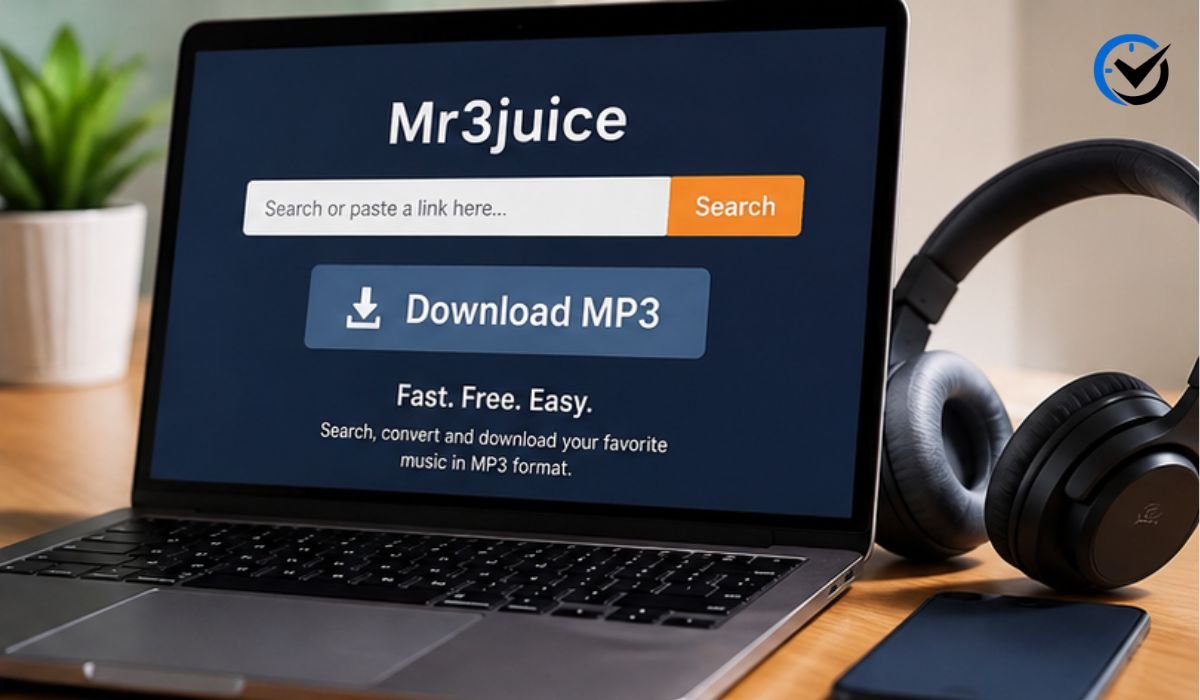
A typical online MP3 downloader starts with a search box. The user enters a song title, artist, album, keyword, or sometimes a media link. The service then looks for a matching source, displays possible results, and may offer a preview. If conversion is supported, the system processes the source audio and produces a file such as MP3. The user can then save that file for local playback. A successful download does not prove the source is authorized, genuine, or safe.
Why Free MP3 Downloads Are Attractive
Users want offline music without another subscription or complicated software. Such services may be useful for content that creators have deliberately made downloadable, including independent releases, podcasts, public-domain recordings, and openly licensed audio. Convenience and permission are separate issues. A free button does not prove that a copyright owner has approved the copy, even when the website describes the download as personal use.
Is Mr3juice an Official Music Platform?
Available evidence does not support calling Mr3juice a single official music platform. Some pages describe the name as a digital identity, while MP3Juice appears across multiple similarly named properties. A familiar logo, page design, or claim of being “official” is not enough to establish a relationship. When ownership is unclear, claims about licensing, privacy, security, and download quality should also be treated cautiously.
How to Identify the Service You Are Visiting
Look closely at the exact spelling, domain, page title, privacy information, and stated operator. Small differences in a web address can lead to unrelated services. Search-engine placement is not proof of authenticity, and a copied logo is not proof of common ownership. If a page does not clearly explain who operates it or how it handles content, treat it as unverified. This is especially important when one name resembles another popular service because look-alike pages can easily create false connections.
Is Downloading Music From Such Services Legal?
Legality depends on the recording, permission, intended use, and the laws that apply where you live. Downloading audio that you created yourself, that is public domain, or that the copyright holder has explicitly made available is different from obtaining an unauthorized copy of commercial music. A website’s download button does not create copyright permission. Rules vary between countries, so no single answer applies everywhere. For copyrighted music, an authorized download or official offline feature is the safer choice.
Why Copyright Matters More Than the MP3 Format
MP3 is an audio format, not a license. The same file type can contain music that is properly authorized or a recording copied without permission. File size, speed, and bitrate do not answer the copyright question. A better test is whether the rights holder or an authorized distributor has made the recording available. Once that distinction is understood, it becomes easier to separate legitimate free audio from questionable downloads.
Is It Safe to Use a Free MP3 Downloader?
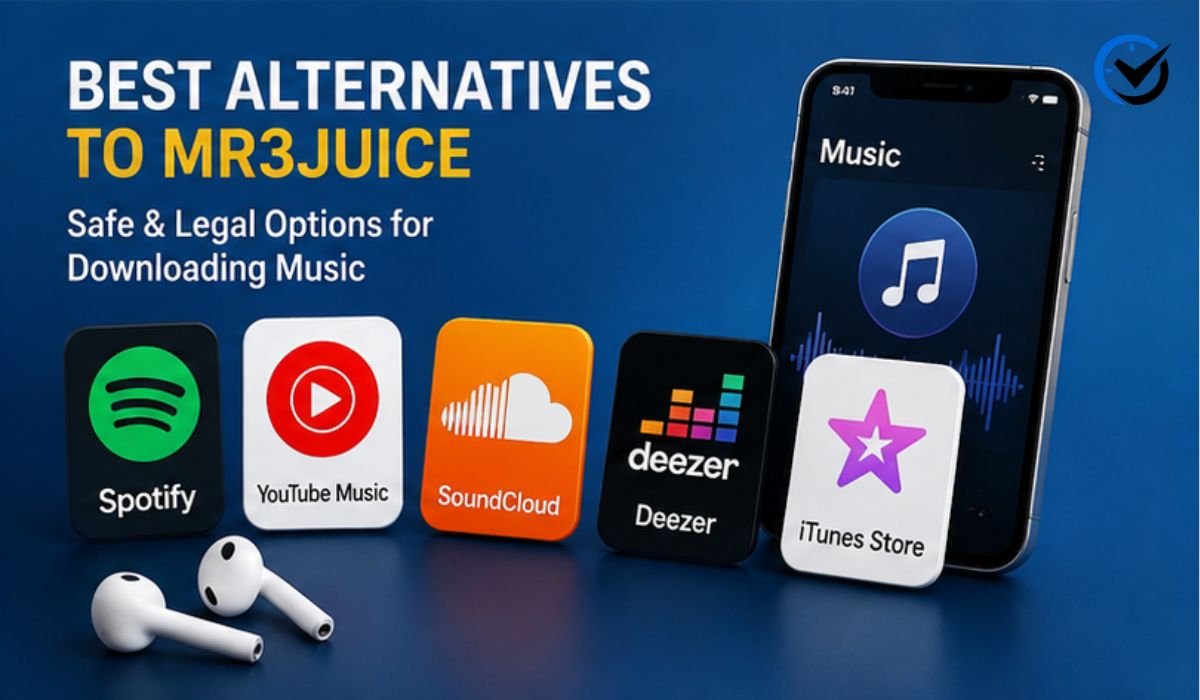
Safety cannot be guaranteed simply because a page works. Unverified download sites can contain aggressive advertising, redirects, misleading buttons, unwanted notifications, or files that differ from what the user expected. Risk can vary substantially between domains, so it is not responsible to call every site using a similar name safe or unsafe without testing the exact property. Research into MP3Juice-branded services likewise shows differences between similarly named domains. For any Mr3juice-related page, avoid entering unnecessary personal information, disabling browser protections, or installing unexpected software.
What About Download Quality?
A high bitrate label does not guarantee high-quality audio. If the original source was already compressed, converting it to a larger MP3 bitrate cannot restore information that was lost. Re-encoding may introduce additional quality loss. Search results can also lead to live performances, remixes, karaoke versions, edited tracks, or fan uploads instead of an official recording. Authorized sources are generally easier to verify because the artist, album, track version, metadata, and file specifications are clearer. Good sound quality begins with a good source, not simply a larger bitrate number.
What Privacy Risks Should Users Consider?
A site can collect browser, device, location, or activity data, depending on its design. Advertising partners may also receive information. Users should read the privacy policy when available and avoid sharing unnecessary information. Mobile users should also examine app permissions carefully. A simple audio tool should have a clear reason for requesting access beyond what is needed for its basic function.
Why Pop-Ups and Fake Download Buttons Matter
Unofficial download pages can make the actual download difficult to identify. Several buttons may look similar even though only one performs the intended action. Others may open advertisements, request browser notifications, or redirect to another page. Small screens can make misleading layouts harder to recognize. If a site repeatedly opens new tabs, asks you to disable security features, or demands unusual permissions, leaving is safer. A legitimate download should not require risky browser behavior.
Can Independent Music Be Downloaded for Free?
Yes, when the creator or rights holder permits it. Independent artists, podcasters, educators, and other creators sometimes offer free tracks through their own pages or under licenses that allow copying. Some use Creative Commons terms or provide direct downloads with their own conditions. Using that authorized option is preferable to copying the same recording through an unrelated converter. It also improves the chance of getting the correct version and metadata.
What Are Safer Alternatives?
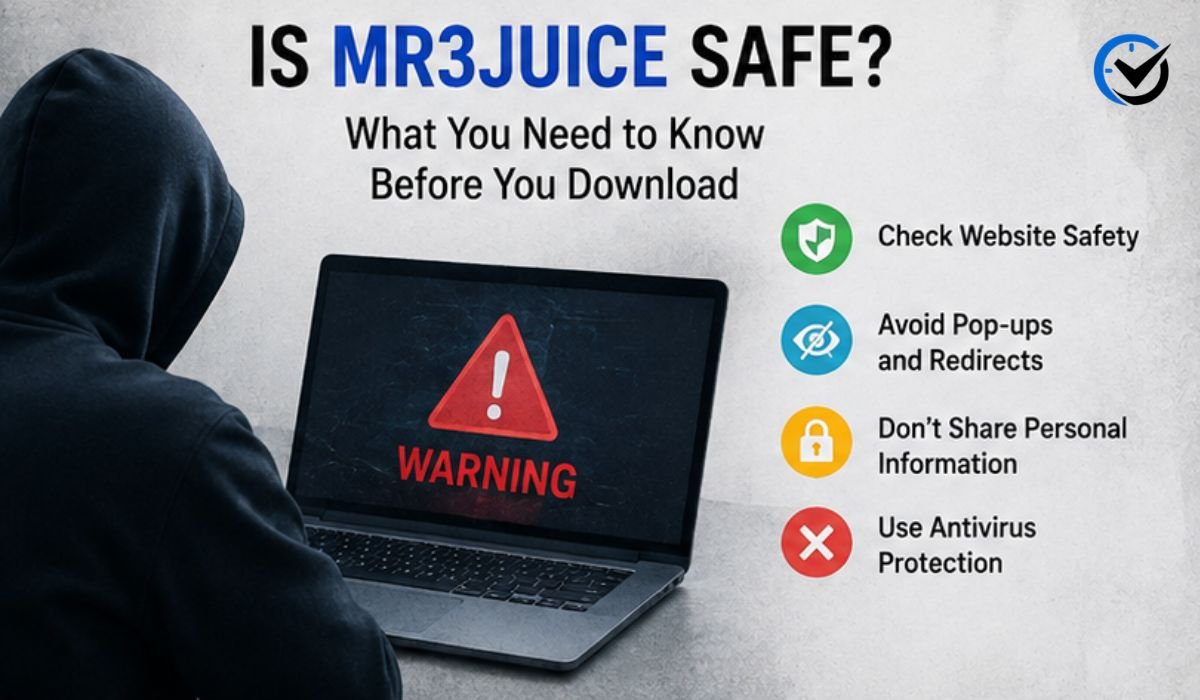
People who mainly want offline listening have several dependable choices. Major streaming services commonly provide official offline features through eligible plans, while legitimate music stores allow users to purchase authorized downloads. Artists may also sell or give away recordings directly through official websites and creator platforms. Public-domain collections and openly licensed libraries provide another useful source of free audio. The best option depends on whether the listener wants convenience, ownership, creator support, or free material with clear rights.
How Should You Choose an Alternative?
Start with the type of audio you need. For mainstream releases, an established streaming or purchase service is usually the simplest option. For independent work, check the artist’s official page or verified creator account. For podcasts, educational material, and public-domain recordings, look for clear download terms. If you want transferable files, confirm what rights you receive before downloading. A trustworthy service should explain its terms clearly instead of relying on promises such as “unlimited” or “all music.”
What Does the Current Online Picture Show?
The current picture suggests that Mr3juice is an ambiguous term rather than a verified universal music service. One current description presents it as a digital identity and explicitly separates it from MP3Juice. Meanwhile, current MP3Juice information describes a fragmented collection of search-and-conversion websites and an Android app using that name. This means readers should not transfer claims from MP3Juice to Mr3juice, or vice versa, without checking the exact property. That distinction prevents common misunderstandings.
Final Thoughts
Mr3juice is best approached carefully because its meaning is not consistent across the web. If you encountered the name while looking for free MP3 downloads, do not assume that it identifies a verified music service or guarantees safe and legal access. First separate the name from MP3Juice, then verify the exact website or application, consider copyright permission, and watch for privacy or security concerns. For music you want to keep offline, authorized services, creator-provided downloads, and public-domain or openly licensed sources remain more dependable. Free access is not the same as permission, and a working download button is not proof of trustworthiness.
Frequently Asked Questions
1. What is Mr3juice?
Mr3juice is an ambiguous online term used in different contexts. Some pages describe it as a digital identity or brand-style name, while users may confuse it with MP3Juice, a separate name associated with music-search and conversion services. There is not enough reliable evidence to describe it as one verified global music company.
2. Is Mr3juice the same as MP3Juice?
Not necessarily. The names are similar, but similarity does not prove common ownership or affiliation. Current descriptions specifically distinguish Mr3juice from MP3Juice. Always check the exact website, app, or page before applying information about one name to the other.
3. Can free MP3 downloads be legal?
Yes, when the copyright owner authorizes the download, the recording is public domain, or its license permits copying. A commercial recording is not automatically legal to download simply because a website offers it for free.
4. Does an MP3 file mean the music is legal?
No. MP3 describes the file format, not its copyright status. The same format can contain an authorized recording or an unauthorized copy. What matters is whether the provider has permission to distribute it.
5. Is it safe to use an online MP3 downloader?
Safety varies by site and cannot be assumed from its name. Unverified pages may contain redirects, misleading buttons, aggressive advertising, or unwanted downloads. Do not disable security tools, install unknown software, or provide unnecessary personal information.
6. Does a higher MP3 bitrate guarantee better sound?
No. A larger bitrate cannot restore quality already lost from a poor or compressed source. A file labeled 320 kbps may still have started with lower-quality audio, so the original source matters more than the displayed number.
7. Can I download independent artists’ music for free?
Yes, if the artist or rights holder has authorized it. Many creators provide free tracks, promotional releases, or openly licensed recordings. Using the creator’s own download option is preferable to using an unrelated converter.
8. What is the safest alternative for offline music?
For mainstream music, an established service with official offline listening or a legitimate music store is generally safer. For independent work, use the artist’s official download page. Public-domain and openly licensed libraries are useful when you specifically want free legal audio.
9. Why do some MP3 downloader sites have similar domains?
Names used by free conversion services can appear across multiple domains, mirrors, and changing websites. Different operators may use similar branding, and domains can disappear or redirect. A familiar name therefore does not automatically establish common ownership or safety.
10. Should I trust a website because it appears in search results?
No. Search placement does not verify ownership, licensing, security, or accuracy. Check the exact domain, stated operator, privacy information, and download behavior. If the site makes unusual demands or gives unclear information about the content, an authorized source is the better choice.
Recommended: What Is Senaven? A Complete Guide to Its Uses and Meaning




One Comment