
Alaskan Seiti Explained: Habitat, Nutrition, Sustainability, Taste, and Cooking Tips

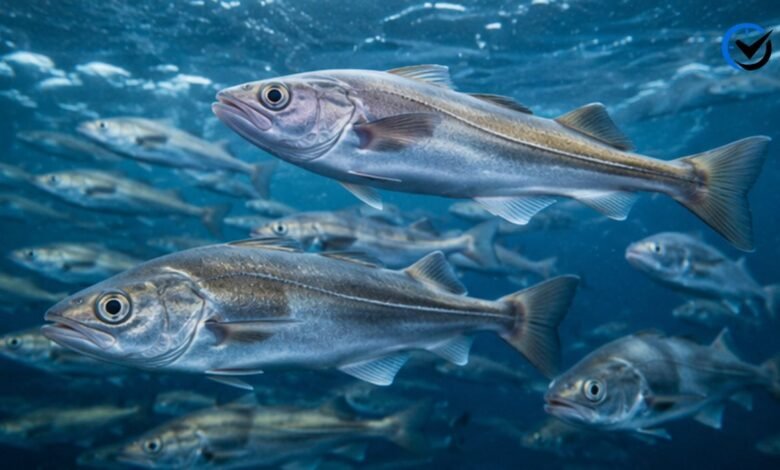
Alaskan Seiti is a name that can create confusion for seafood shoppers because it is not the standard English name most commonly used by fisheries authorities. In many online discussions and product descriptions, the term is used when referring to Alaska pollock, a cold-water white fish scientifically known as Gadus chalcogrammus. This fish is widely harvested in the North Pacific, especially around the Bering Sea and Gulf of Alaska. It is valued for its mild flavor, lean protein, delicate texture, affordability, and versatility in everyday meals. Understanding what the name means, where the fish lives, how it is caught, and how it can be prepared makes it easier to make informed seafood choices.
What Is Alaskan Seiti?
When people use the term Alaskan Seiti to describe seafood from Alaska, they are generally referring to Alaska pollock, also called walleye pollock or Pacific pollock. It is a member of the cod family and is different from Atlantic pollock and saithe, despite the similarities between some common names. Alaska pollock has become one of the world’s most commercially important whitefish because large natural populations support a major fishery. Its flesh is pale, mild, and relatively lean, making it suitable for frozen fillets, breaded products, fish sandwiches, surimi, and many other seafood foods.
The naming issue is worth understanding because seafood names can vary between countries, retailers, and languages. “Seiti” is not the principal English market name used by U.S. fisheries authorities for Alaska pollock. Therefore, shoppers should check the scientific name or product labeling when exact identification matters. Alaska pollock is Gadus chalcogrammus. This distinction helps prevent it from being confused with saithe, which is another fish traditionally associated with the name pollock in some European markets. Clear labeling is especially useful when comparing nutrition, origin, sustainability claims, and cooking characteristics.
Habitat and Natural Range
Alaska pollock is a North Pacific fish, with especially large concentrations in the Bering Sea. It is also found around the Aleutian Islands and throughout parts of the Gulf of Alaska. The species is adapted to cold marine environments and commonly lives in large schools. Younger fish tend to occupy midwater areas, while older fish can spend more time closer to the ocean floor. They may occur at substantial depths, although their exact position changes with age, season, food availability, water conditions, and other environmental factors.
The surrounding marine ecosystem plays an important role in the species’ survival. Young pollock feed heavily on zooplankton and small organisms, while older fish consume larger prey, including other fish. Pollock are also an important food source for marine mammals, seabirds, and larger fish. This makes them more than simply a commercial seafood species. They occupy a central position in the North Pacific food web, so changes in their population can influence other parts of the ecosystem. Scientists therefore consider environmental conditions, predators, prey, and fishing pressure when evaluating the health of pollock stocks.
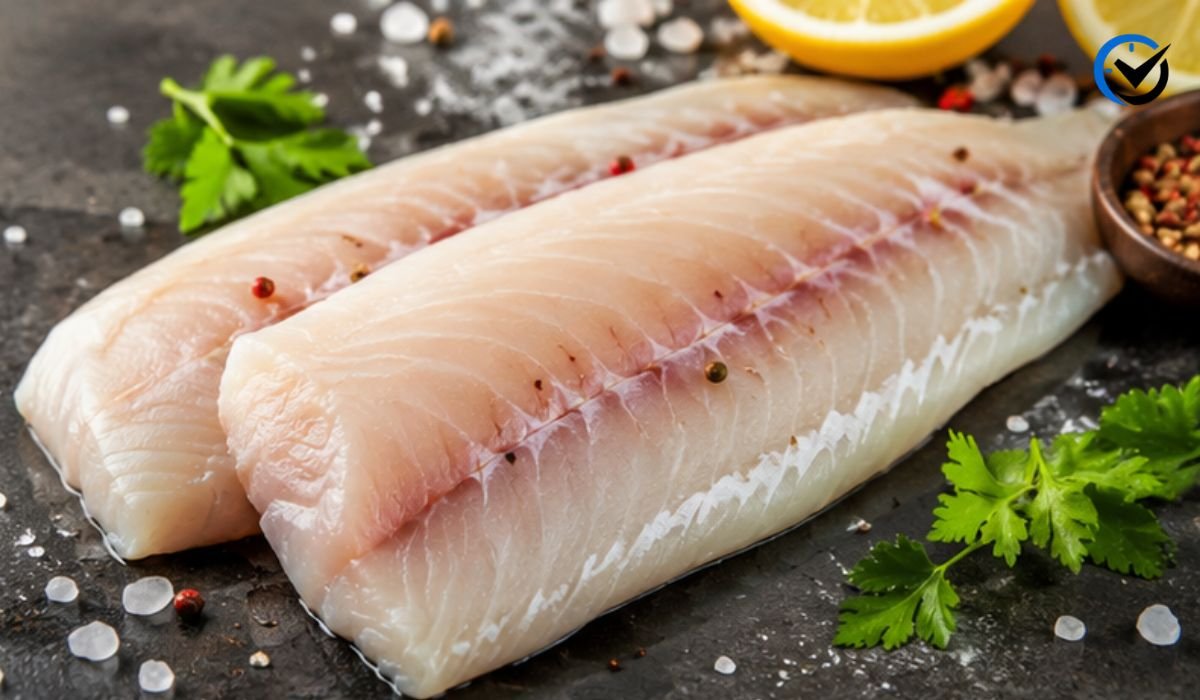
Appearance and Physical Characteristics
Alaska pollock has a streamlined body with coloring that generally changes from darker gray or brownish shades on the upper surface to lighter silver and white underneath. Like other members of the cod family, it has several fins and a body suited to efficient movement through open water. Its appearance may vary somewhat depending on age and location. Consumers usually encounter it as skinless fillets rather than whole fish, so its natural appearance is less familiar than that of many other seafood species.
The flesh is one reason this fish has become so popular. Raw pollock has a light-colored appearance and a relatively fine texture. Once cooked, the flesh becomes opaque and flakes easily. It does not have the strong, oily character associated with some darker-fleshed fish. That mild profile allows it to absorb seasonings, sauces, herbs, and marinades without overpowering them. For cooks who want a practical whitefish that can work across different cuisines, its neutral character is a major advantage.
Nutrition and Health Value
Alaska pollock is a lean source of protein and provides relatively few calories compared with many higher-fat animal foods. A 100-gram raw serving contains about 81 calories and approximately 17 grams of protein, while its fat content is quite low. It also supplies nutrients such as selenium, which contributes to normal antioxidant and thyroid function. Like other seafood, it can contribute useful omega-3 fatty acids to the diet, although its total fat and omega-3 levels are lower than those of naturally oily fish such as salmon.
Its nutritional profile makes it useful for people looking for a lighter protein option. A plain fillet can fit comfortably into meals built around vegetables, whole grains, potatoes, rice, or salads. However, the nutritional value of a finished dish depends heavily on preparation. A simple baked fillet is very different from a heavily breaded and deep-fried portion served with a rich sauce. For balanced eating, the fish itself can be a nutritious foundation, while the ingredients added during cooking determine much of the meal’s final calorie, sodium, and fat content.
Is Alaskan Seiti Safe to Eat?
For most people, properly handled and fully cooked Alaska pollock can be part of a healthy seafood diet. It is generally considered a lower-mercury fish compared with several large predatory species. That makes it a practical choice for consumers who want seafood protein while limiting exposure to higher mercury levels. Pregnant people, children, and anyone with specific dietary concerns should still follow the seafood guidance provided by their local health authority because recommendations can vary by country and may change as new information becomes available.
Food safety also depends on handling rather than species alone. Frozen fish should remain properly frozen until preparation, while refrigerated fish should be kept cold and used within the recommended time. Cross-contamination should be avoided by keeping raw seafood separate from ready-to-eat foods and washing hands and surfaces after handling it. Cooking fish until the flesh is opaque and flakes easily is a useful general guide, while a food thermometer provides a more reliable way to confirm that it has reached a safe internal temperature.
Taste and Texture
One of the strongest qualities of Alaska pollock is its mild taste. It has a clean, subtle seafood flavor that is usually less intense than some oily fish. This makes it approachable for people who enjoy seafood but do not want a powerful fishy taste. Its relatively delicate flesh can become flaky and tender when cooked correctly. Overcooking, however, can make lean whitefish dry, so gentle cooking and attention to timing are important.
The mild flavor also makes the fish highly adaptable. It can be seasoned with lemon, garlic, black pepper, herbs, paprika, chili, ginger, soy-based sauces, or Mediterranean-style ingredients. It works equally well in simple home cooking and prepared seafood products. Because the fish does not dominate a dish, the final flavor can be shaped by the seasoning, cooking method, and accompanying ingredients.
Sustainability and Responsible Fishing
Sustainability is an important part of the Alaska pollock story. The U.S. fishery is managed through scientific stock assessments, catch limits, monitoring, and regulations designed to protect fish populations and the wider ecosystem. Current fisheries information indicates that major Alaska pollock stocks are not subject to overfishing, while management programs continue to monitor population conditions. This does not mean environmental concerns disappear; instead, it means sustainability depends on ongoing science, enforcement, monitoring, and adjustment as conditions change.
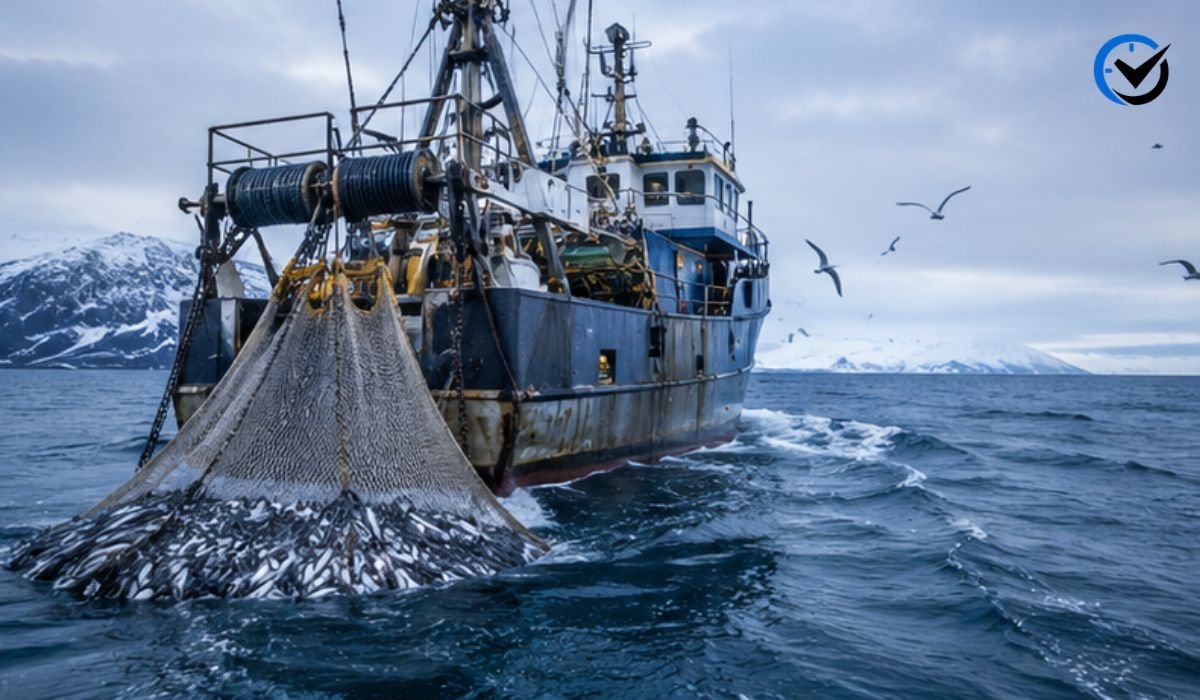
The fishery also uses measures intended to reduce unwanted catch and habitat impacts. U.S. Alaska pollock is primarily harvested using pelagic trawl gear, which targets fish in the water column. Bycatch is closely monitored, and restrictions can be applied when necessary. Salmon bycatch has received particular attention because salmon are economically, culturally, and ecologically important in Alaska. Climate conditions also matter because temperature, prey availability, ocean circulation, and other environmental changes can affect pollock recruitment and survival. Sustainable seafood is therefore a continuing management process rather than a permanent label that requires no further attention.
How Alaskan Seiti Is Caught and Sold
Commercial Alaska pollock is harvested mainly in the Bering Sea and Gulf of Alaska. Large fishing vessels can process substantial quantities at sea or deliver catches for processing on shore. The fish may be turned into frozen fillets, portions, minced products, roe, or surimi. Surimi is particularly important because pollock is widely used as a base for imitation crab and other molded seafood products. This broad processing system helps explain why consumers may eat pollock without realizing it is the fish inside a familiar product.
Frozen pollock is especially common because freezing preserves the fish and allows it to reach consumers far from the fishing grounds. Fresh availability can be more limited and depends on location and season. When purchasing packaged products, shoppers should look at the species name, country or region of origin, processing information, and any sustainability certification that matters to them. A recognizable product name alone does not always tell the complete story.
Best Ways to Cook It
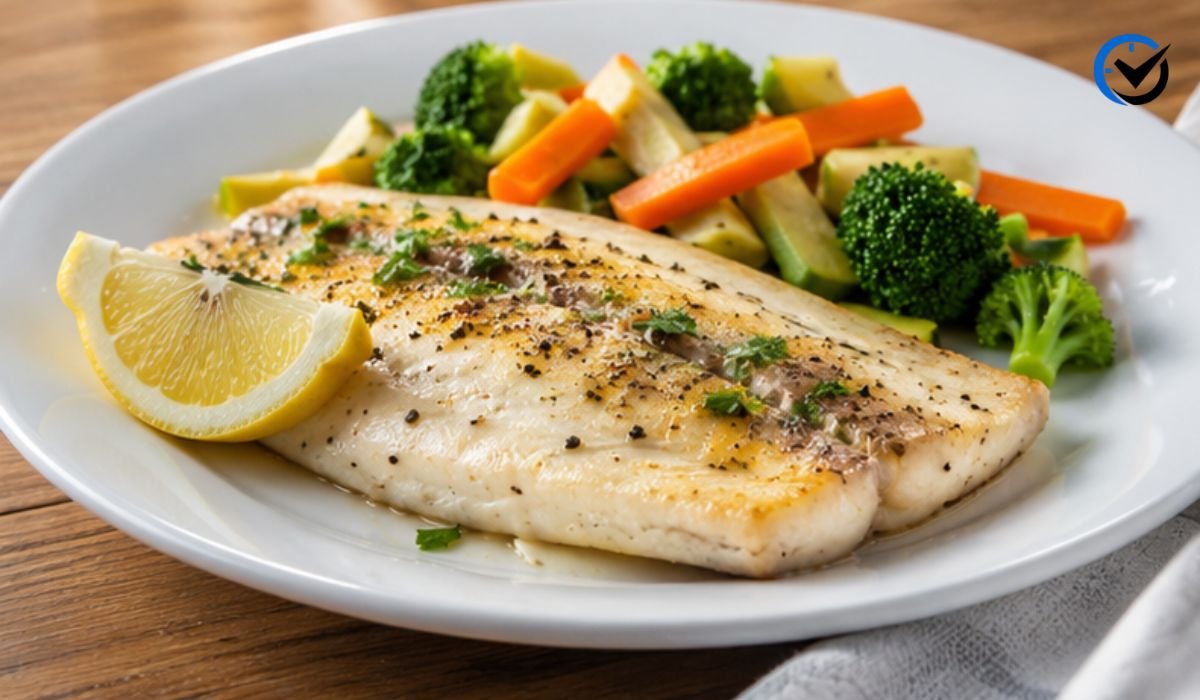
Alaska pollock can be baked, pan-seared, steamed, grilled with care, poached, air-fried, or used in soups and stews. Baking is one of the easiest methods because it requires little added fat and allows the natural flavor of the fish to remain clear. A simple combination of lemon juice, garlic, herbs, pepper, and a small amount of oil can produce a flavorful meal. Pan cooking works well too, especially when the fillet is dried before seasoning and handled gently so it does not break apart.
Breaded preparations are another popular option because the mild fish pairs naturally with a crisp coating. Air frying can provide a crunchy exterior with less oil than traditional deep frying. Pollock also works well in tacos, sandwiches, fish cakes, curries, chowders, and rice dishes. The key is not to overwhelm the delicate flesh with excessive cooking time. Because fillets vary in thickness, cooks should judge doneness by the appearance and texture of the fish rather than following a rigid cooking time alone.
How It Compares With Cod and Other Whitefish
Alaska pollock is often compared with cod because both are mild, lean whitefish with broad culinary uses. Cod generally has a somewhat firmer and meatier texture, while pollock can be softer and more delicate. Haddock has a distinct flavor and slightly firmer character, while tilapia tends to have a very mild taste and is commonly farmed in warmer regions. These differences are noticeable but not dramatic, which means pollock can replace other whitefish in many recipes when availability or price makes it the practical choice.
The best choice depends on the meal and personal preference. Someone looking for a mild, affordable fish may find pollock particularly appealing. A recipe requiring a firm fillet may work better with cod or haddock. For dishes where fish is combined with strong sauces, spices, breadcrumbs, or other ingredients, pollock’s gentle flavor can be an advantage. Understanding these differences helps shoppers choose based on texture, cooking method, budget, and nutritional needs rather than relying only on the name of the fish.
Final Thoughts
Alaskan Seiti is best understood carefully because the name can refer to Alaska pollock in some contexts but is not the fish’s standard English name. When it means Alaska pollock, the fish is a cold-water North Pacific species valued for mild flavor, lean protein, versatility, and major commercial importance. Its habitat, role in the marine food web, nutrition, and carefully managed fishery all contribute to its significance. For consumers, the simplest approach is to check the species name on the package, choose products from responsible sources, handle seafood safely, and select cooking methods that preserve its naturally delicate texture. With that basic knowledge, this understated whitefish becomes an easy and practical choice for many different meals.
Frequently Asked Questions
1. Is Alaskan Seiti the same as Alaska pollock?
In many online references, Alaskan Seiti is used to describe Alaska pollock. However, “Seiti” is not the standard English name used by U.S. fisheries authorities. Alaska pollock is scientifically known as Gadus chalcogrammus. Because common seafood names vary between regions, checking the scientific name on packaging is the safest way to confirm exactly which fish is being sold.
2. What does Alaskan Seiti taste like?
When the term refers to Alaska pollock, the fish has a mild, clean flavor with a delicate white flesh. It is generally less strongly flavored than oily fish such as salmon or sardines. Its subtle taste makes it suitable for herbs, spices, sauces, breading, tacos, sandwiches, soups, and simple baked preparations.
3. Is Alaskan Seiti healthy?
Alaska pollock can be a nutritious food because it is low in fat and calories while providing substantial protein. It also contains nutrients such as selenium and some omega-3 fatty acids. The overall health value of a meal depends on portion size and preparation, so baked or lightly cooked fish can offer a different nutritional profile from heavily fried or highly processed versions.
4. Where does Alaska pollock live?
Alaska pollock is found throughout the North Pacific, with particularly important populations in the Bering Sea, around the Aleutian Islands, and in the Gulf of Alaska. Younger fish commonly occupy midwater habitats, while older fish can occur closer to the ocean floor. They often form large schools.
5. Is Alaska pollock sustainably caught?
U.S. Alaska pollock is managed under science-based fisheries rules designed to maintain healthy stocks and limit excessive harvest. Stock assessments, catch limits, monitoring, and bycatch controls are part of the management system. Sustainability should still be viewed as an ongoing responsibility because ocean conditions and fish populations can change over time.
6. Is Alaska pollock high in mercury?
Alaska pollock is generally considered a lower-mercury seafood choice compared with many large predatory fish. Mercury levels can vary among species and locations, so consumers should follow current seafood advice from their local health authorities, particularly when serving seafood to young children or during pregnancy.
7. Can Alaskan Seiti be used instead of cod?
Yes, if the term refers to Alaska pollock, it can replace cod in many recipes. The two fish have similar mild flavors, although cod generally has firmer, thicker flakes. Pollock can work especially well in tacos, sandwiches, fish cakes, baked dishes, and breaded preparations where a delicate whitefish is appropriate.
8. Is Alaskan Seiti available fresh or frozen?
Alaska pollock is widely available frozen because much of the commercial catch is processed and preserved soon after harvest. Fresh availability is more dependent on location, season, and distribution. Frozen fillets can be a convenient option because they are easy to store and can provide consistent quality when properly packaged and handled.
9. What is the best way to cook Alaska pollock?
There is no single best method because it depends on the dish. Baking, pan-searing, steaming, poaching, and air frying are all practical choices. Gentle cooking helps protect the fish’s delicate texture. Seasonings such as lemon, garlic, herbs, pepper, paprika, and mild spices work particularly well with its subtle flavor.
10. Why is Alaska pollock used in imitation crab?
Pollock is commonly used to make surimi because its mild flavor, pale flesh, protein structure, and ability to form a workable paste make it suitable for processing. Surimi can then be shaped, seasoned, and colored to create products designed to resemble crab and other seafood. This means consumers may eat Alaska pollock in processed seafood without seeing it as a traditional fillet.
Recommended: Pigeimmo Guide: How Property Prospecting and Listing Tracking Work





One Comment