

Software upgrades rarely make headlines, yet they shape how smoothly we work every day. The Shotscribus Software Upgrade is a good example of a change that can quietly improve your routine or, if handled badly, cause avoidable headaches. Whether you use the program for personal projects or as part of a team workflow, moving to a newer version can affect speed, file safety, and how comfortable the tools feel. This article explains what an upgrade of this kind usually brings, why it matters, and how to prepare for it without stress. The aim is to give you clear, practical guidance so you can make a confident decision.
What a Software Upgrade Really Means
A software upgrade replaces the version you currently use with a newer one, usually keeping your settings, saved files, and preferences in place. It is different from a fresh install, where you start from zero, and different from a small patch, which fixes one or two specific problems. Upgrades tend to bundle many changes together, including new tools, cleaner menus, faster processing, and repaired bugs. Because so much can change at once, it helps to think of an upgrade as a small project rather than a single click. Taking a few minutes to understand what is happening behind the scenes makes the whole process feel far less risky.
A Note on the Name
The name Shotscribus sometimes causes confusion, so it is worth clearing up. Many people come across it while looking for Scribus, a well-known free desktop publishing program used for brochures, magazines, and print-ready documents. From what public information shows, the two names are not the same product, and details about Shotscribus releases are limited. Because of this, you should always check the exact name and version number shown inside your own program before following any guide. Doing so ensures the steps you follow match the software you actually have installed, and it protects you from downloading the wrong file from an unfamiliar website.
What Is Usually New in a Release Like This
Speed and Stability
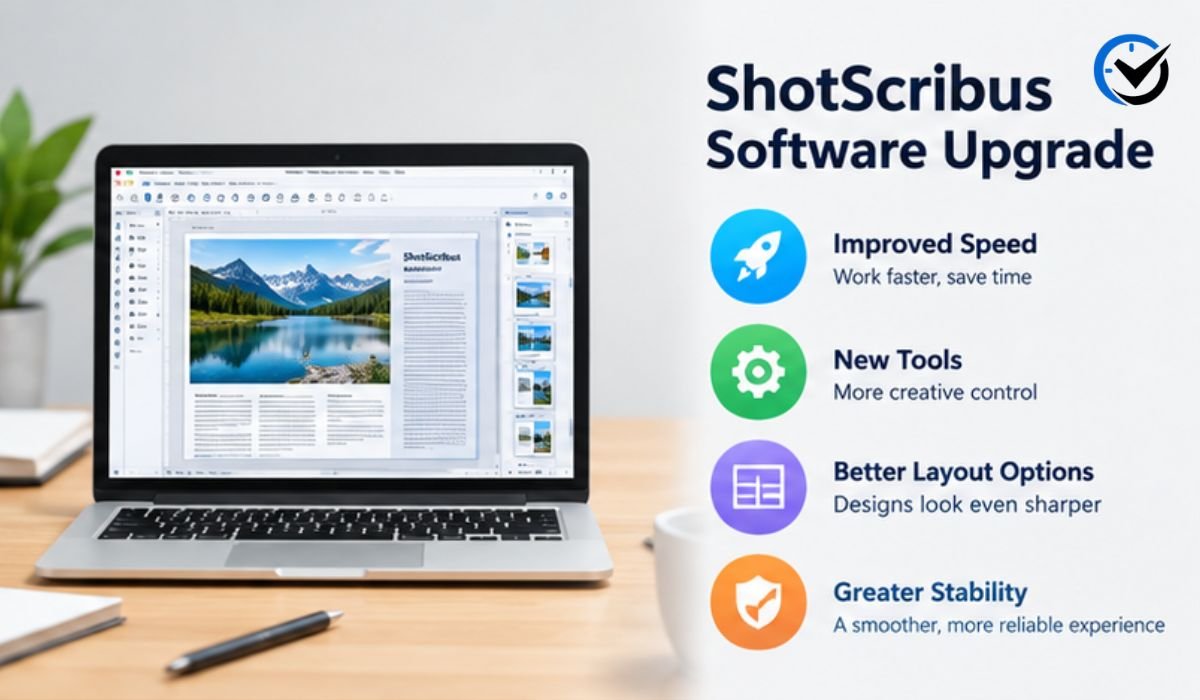
Performance is often the first thing people notice after an upgrade. Newer versions usually open files faster, respond more smoothly when you move between tools, and use memory more carefully, which matters if your computer is a few years old. Stability improves too, because developers spend a great deal of time fixing crashes, freezes, and odd behavior reported by earlier users. If you have ever lost a few minutes of work to an unexpected shutdown, you will understand why this matters. Over weeks and months, small gains in reliability add up to a calmer, more predictable working day, even when no single change feels dramatic.
Interface and Everyday Comfort
The second area where upgrades tend to shine is the user interface. Designers often rearrange menus, refresh icons, and simplify settings so that common tasks take fewer clicks. Some changes are small, such as clearer labels or better keyboard shortcuts, while others reshape whole panels. New features may also appear, including improved export options, better support for different file formats, or smarter ways to organize projects. It is normal to feel slightly lost for the first day or two. Give yourself time to explore, because most people find that the new layout feels natural after a short adjustment period.
Security and File Protection
Security is the quiet reason many experts urge people to upgrade. Older versions stop receiving fixes over time, which leaves known weaknesses open to misuse. A newer release closes those gaps and often improves how the program handles saved files, permissions, and outside connections. This matters most when you share documents with clients, classmates, or coworkers, since a single weak point can affect more than one person. Better protection rarely feels exciting, and you will not see it on the screen. Still, it is one of the strongest arguments for keeping your software current, especially if you work with private or valuable information.
Why the Shotscribus Software Upgrade Matters
Compatibility is a practical reason to move forward. Computers, operating systems, and file standards keep changing, and older programs slowly fall out of step with them. A version that worked perfectly two years ago may now struggle with new hardware, updated system libraries, or documents created by colleagues who already upgraded. Staying current keeps sharing and collaboration simple. There is also the matter of support. Help articles, community tips, and tutorials almost always focus on the latest release, so users of outdated versions often find themselves following instructions that no longer match what they see on the screen.
Time Savings and Long-Term Value
An upgrade also has a quiet effect on time and money. Old software tends to demand more workarounds, such as converting files by hand, repairing layouts that break on other computers, or searching for fixes that no longer exist. Each workaround costs only a few minutes, but those minutes pile up across a month. A newer version often removes many of these small chores, which leaves more time for the actual work. For small businesses and freelancers, this can matter more than any flashy new tool, because steady, dependable software protects both deadlines and client trust over the long run.
Getting Ready Before You Upgrade
Preparation is where most upgrade problems are prevented. Start by backing up your projects, templates, fonts, and custom settings to an external drive or a trusted cloud folder. Copy them, do not just move them, so you always have an original to return to. Next, write down the version number you use today and any add-ons or extensions you rely on. This small record becomes useful if something behaves differently later. Finally, close every open file and note any deadlines coming up. If a big project is due tomorrow, wait until the work is finished before you begin.
Then confirm that your computer can handle the new version. Check the free storage space, the operating system version, and the amount of memory installed. Newer releases sometimes ask for more than older ones, and an underpowered machine can make even a well-built program feel slow. Also review whether your add-ons, plugins, or fonts have been updated to work with the new release. Tools made by outside developers are often the last to catch up. If something essential is not ready yet, you may decide to wait a few weeks rather than risk breaking a routine that currently works well for you.
How to Upgrade Safely
When you are ready, download the installer only from the official source of the program, never from a random file-sharing site. Read the release notes first, since they explain what changed and whether any step needs special attention. Run the installer, follow the on-screen prompts, and keep your computer plugged in so it does not shut down halfway. Avoid using other heavy programs during the process. If the installer offers to keep your existing settings, accept that option. Once it finishes, restart your computer, even if the program does not ask you to, because a clean restart helps everything load properly.
Choosing the Right Time to Upgrade
Timing deserves some thought as well. Brand-new releases sometimes carry small bugs that only appear once thousands of people start using them, and developers usually fix those quickly in a follow-up update. If your work is critical, you may prefer to wait a couple of weeks after launch, read early user feedback, and then upgrade once the first fixes arrive. On the other hand, if you rely on a feature that only the new version offers, moving sooner makes sense. Choose a quiet day rather than a busy one, so you can test everything carefully.
After the Upgrade: Testing and Troubleshooting
After installing, open a few older projects and check that everything looks right. Look at fonts, images, spacing, and exports, and save a test copy before making edits. If something seems off, do not panic. Most problems come from outdated add-ons, missing fonts, or old settings that need a reset. Restarting the program, clearing its temporary files, or reinstalling a plugin solves a surprising number of cases. If trouble continues, the official help pages and user communities are good places to ask, and your backup lets you go back to the earlier version while you wait for an answer.
Learning the New Features
Once everything works, take a little time to learn what is new. Many people install an upgrade and keep using the program exactly as before, which means they miss useful improvements. Spend twenty minutes exploring the updated menus and settings, then try one new tool on a small practice project instead of a real deadline. Short tutorials, community discussions, and the official help pages can point out shortcuts you would never notice alone. This gradual approach builds confidence, reduces mistakes, and helps you enjoy the real benefits of the new version instead of just tolerating the change.
Final Thoughts
A Shotscribus Software Upgrade, like any well-planned update, is worth considering when it brings better speed, stronger protection, and smoother compatibility with the tools around you. It may not be urgent for everyone. If your current version works well, your projects are on a tight schedule, or a key add-on is not ready, waiting a little is a sensible choice. What matters most is making the decision on purpose, with backups in place and accurate information about your own version. Approach the change calmly, test it carefully, and you will likely enjoy a more reliable and comfortable experience for a long time.
Frequently Asked Questions (FAQs)
1. What is the Shotscribus Software Upgrade?
It refers to moving from an older version of the program to a newer one. The change usually includes performance improvements, bug fixes, interface adjustments, and security updates. Exact details depend on the release you install, so the official release notes are the best place to see what changed. Reading them before you begin helps you know what to expect and avoid surprises.
2. Is Shotscribus the same as Scribus?
Based on public information, they appear to be separate names, and the two are often mixed up. Scribus is a widely known open-source desktop publishing program. If you are unsure which one you have, open the About section inside your program and read the name and version shown there. Then follow guides written for that exact product.
3. Will I lose my files during an upgrade?
Normally, no. Upgrades are designed to keep your saved projects and settings intact. Still, no process is perfect, and unexpected power loss or storage errors can cause damage. That is why a full backup before you start is so important. Copy your files to a second location, confirm the copy opens correctly, and only then begin the installation.
4. How long does an upgrade usually take?
Most upgrades finish within a few minutes, though the time depends on your internet speed, computer performance, and the size of the download. Plan for extra time if you need to update add-ons or restore settings afterward. Avoid starting the process right before an important deadline, so you have room to test everything without feeling rushed.
5. Do I need to pay for the new version?
That depends on how the program is licensed. Some upgrades are free, some require a paid license, and others are included with a subscription. Check the license terms that came with your copy, or the official product page, before you download anything. If a site asks for payment through an unusual method, treat it with caution and confirm it is genuine.
6. Can I go back to the old version?
Often you can, but it takes some effort. You will need the old installer and the backup you made before upgrading. Uninstall the new version, install the older one, and restore your saved files. Be aware that projects edited in the newer version may not open properly in the older one, so keep separate copies of anything important.
7. What should I do if the program will not open afterward?
Start with a simple restart of your computer. If that does not help, run the installer again to repair the installation, and check whether your operating system needs its own updates. Disabling recently added extensions can also reveal the cause. If nothing works, contact the official support team or community forum and share the exact error message you see.
8. Are my old add-ons and plugins going to work?
Not always. Extensions built by outside developers depend on how the main program works, so a large change can break them until their creators release an update. Before upgrading, list the add-ons you use and look for compatibility notes from their makers. If a critical tool is not supported yet, delaying the upgrade is usually the wiser path.
9. Is it safe to install the upgrade on a work computer?
It can be, but check your workplace rules first. Many companies control which software versions employees may install, and unapproved changes can cause security or compatibility problems. Ask your IT team before you begin. They may test the release first, schedule it for everyone at once, or provide the approved installer, which keeps the whole team working on the same version.
10. How can I tell whether the upgrade is worth it for me?
Compare what the new version offers with what you actually need. If you face frequent crashes, slow performance, or trouble opening shared files, an upgrade will probably help. If everything runs smoothly and you rarely use new features, you can wait. Reading the release notes and a few honest user experiences will give you a clearer picture before you decide.
Recommended: Instagram Anonymous: How to Browse and View Profiles Privately in 2026





One Comment