

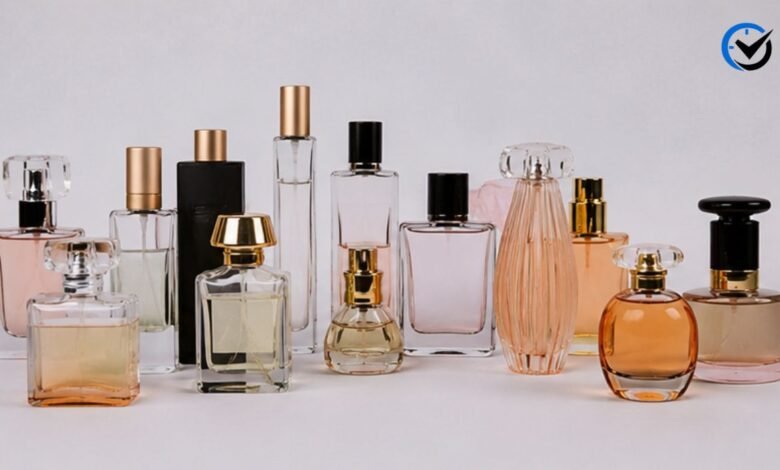
Choosing the right perfume bottle supplier can have a direct effect on product quality, packaging costs, customer perception, and the smooth running of a fragrance business. A bottle is more than a container for perfume. Its shape, weight, closure, finish, and overall appearance contribute to how customers experience a product. For small fragrance startups, established brands, private-label companies, and retailers, finding a dependable Perfume Bottle Wholesale partner can make purchasing easier while helping control costs. However, comparing suppliers requires more than looking at the lowest quoted price. Quality, minimum order quantities, customization, communication, shipping, and consistency all deserve careful attention before placing a large order.
Understand What Your Business Needs
Before contacting suppliers, define exactly what your business requires. Consider the bottle capacity, preferred material, shape, color, neck size, closure style, and estimated order volume. A company selling niche fragrances in small quantities may need different packaging from a manufacturer producing thousands of units each month. Understanding your requirements first makes supplier comparisons much easier. It also prevents you from being persuaded by attractive designs that do not fit your filling equipment, budget, product positioning, or target customers.
Compare Glass, Plastic, and Other Materials
Glass remains a popular choice for fragrance packaging because it offers a premium appearance, good chemical resistance, and a substantial feel in the hand. Clear glass allows the color of a fragrance to become part of the presentation, while colored or frosted glass can create a more distinctive appearance. Plastic bottles can be lighter and less likely to break during transportation, making them useful for certain product categories and travel-focused packaging. The right material depends on your fragrance formula, brand positioning, shipping requirements, and expected customer experience rather than on appearance alone.
Examine Bottle Quality Carefully
A supplier’s product quality should be evaluated before committing to a large wholesale order. Ask for samples and inspect them under normal handling conditions. Look for scratches, uneven surfaces, bubbles, weak seams, inconsistent coloring, loose components, and poor finishing. The bottle should feel suitable for its intended market and should work properly with its cap, pump, and other components. Small defects may seem insignificant when looking at one sample, but they can become expensive problems when they appear across hundreds or thousands of units.
Pay Attention to the Sprayer and Closure
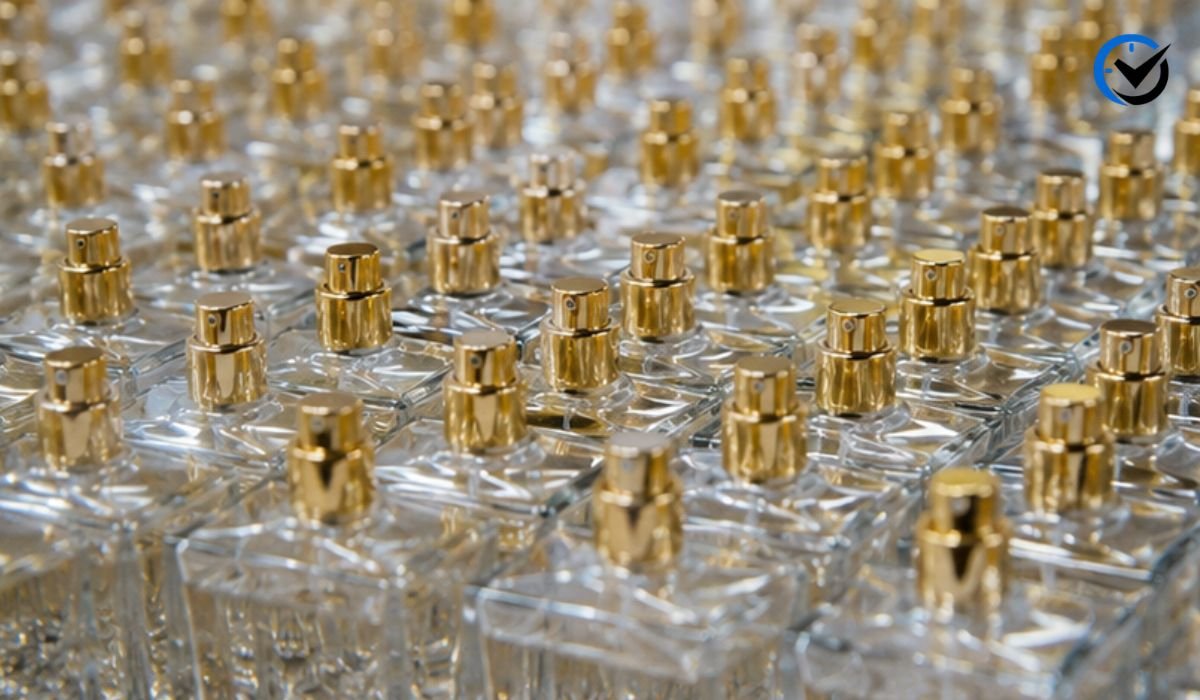
The bottle itself is only one part of fragrance packaging. A reliable atomizer should provide a consistent spray without leaking, sticking, or producing an uneven stream. The cap should fit securely and maintain its position during storage and transportation. Compatibility between the bottle neck, pump, and collar is especially important because a visually attractive bottle is of little value if its components do not function properly. Request complete samples rather than evaluating the glass container alone. Testing the assembled packaging gives you a much clearer idea of the finished product.
Review Minimum Order Quantities
Minimum order quantity, commonly called MOQ, can strongly influence whether a supplier is suitable for your business. Large manufacturers may offer attractive unit prices but require substantial orders, while smaller suppliers may accept lower quantities at a higher per-unit cost. Neither option is automatically better. A growing brand should avoid purchasing more inventory than it can realistically use. Excess stock ties up money and storage space, and changing a fragrance design later can leave you with unwanted packaging. Choose an MOQ that matches your sales expectations and cash flow.
Compare Wholesale Pricing Properly
Price comparisons should cover the complete packaging cost rather than simply the quoted bottle price. Determine whether the price includes the cap, pump, collar, decoration, inner packaging, cartons, and other components you need. Also ask whether pricing changes at different quantities. A supplier offering a slightly higher unit price may actually be more affordable if it includes components that another supplier charges separately. Shipping, import duties, taxes, and handling charges can also affect the final cost, especially for international orders. A clear landed-cost estimate provides a more realistic basis for comparison.
Consider Custom Bottle Designs
Custom packaging can help a fragrance brand establish a recognizable identity, but it often requires additional time and investment. Some suppliers offer standard bottles with custom colors, printing, labels, or caps, while others can develop completely custom molds. Standard designs are generally easier and faster to order, whereas custom molds may require development fees and larger production quantities. If you are a new business, starting with an existing bottle and customizing selected elements can provide a practical balance between uniqueness and cost. Established brands with strong sales may benefit more from fully customized packaging.
Check Decoration and Finishing Options
The visual finish of a bottle can significantly change its appearance. Common options include frosting, metallic effects, screen printing, coating, labeling, and decorative caps. When comparing these services, ask for physical samples because digital images may not accurately show color, texture, or print quality. Decoration should also withstand normal handling, transportation, and storage. A finish that looks excellent when new but scratches easily may create customer complaints. Consistency is equally important because colors and printing should remain reasonably uniform from one production batch to another.
Evaluate Supplier Manufacturing Experience
Experience matters because fragrance packaging involves more than producing attractive containers. A capable supplier should understand bottle dimensions, component compatibility, production tolerances, quality inspection, packaging for transportation, and large-order consistency. Ask how long the supplier has been producing fragrance packaging and whether it regularly serves businesses similar to yours. A supplier does not necessarily need decades of experience, but it should demonstrate a clear understanding of your requirements and provide practical answers to technical and production questions.
Ask About Quality Control
A professional supplier should have a defined process for checking products before shipment. Quality control may cover bottle dimensions, appearance, color, weight, leakage, pump performance, decoration, and packaging condition. Ask what is inspected during production and what happens when defective pieces are discovered. It is also useful to clarify whether inspections occur during manufacturing or only after production is complete. A supplier that can clearly explain its quality process gives buyers greater confidence than one that simply promises that every product will be perfect.
Test Samples Before a Large Order
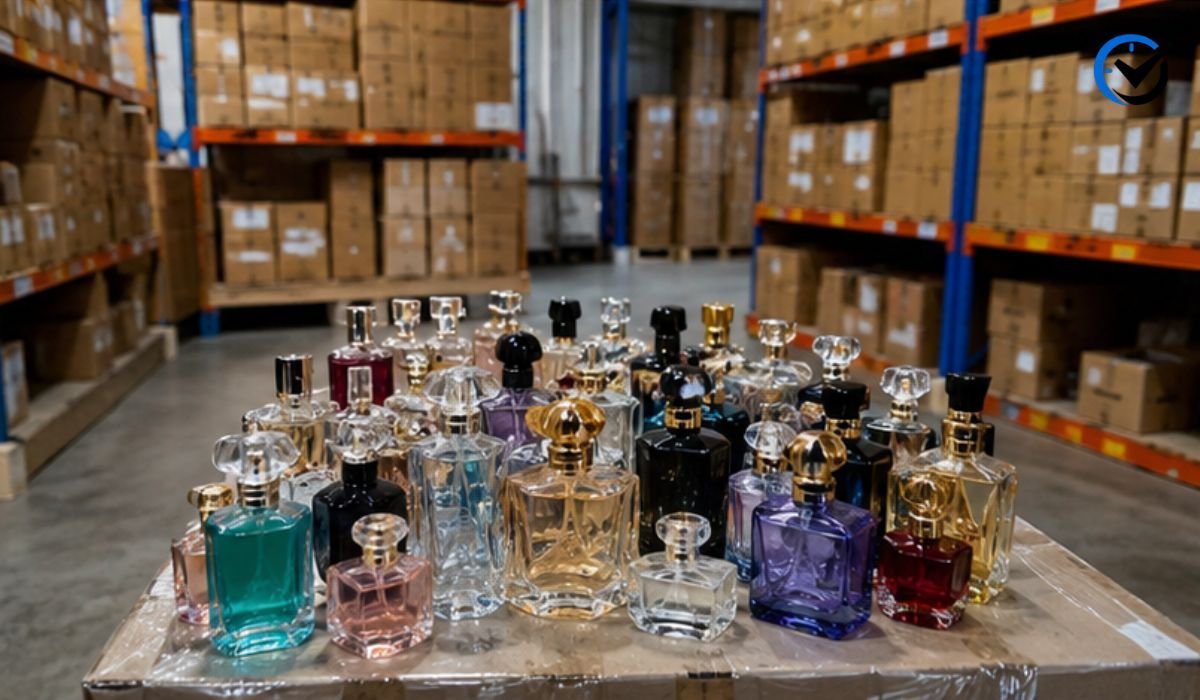
Never rely entirely on photographs or product descriptions when a significant purchase is involved. Samples allow you to evaluate the bottle in real conditions and determine whether it works with your fragrance and filling process. Test the sprayer, cap, bottle stability, labeling area, and overall appearance. If possible, fill the sample and store it for a reasonable period to check for leakage or compatibility concerns. Sampling may add time to the purchasing process, but it can prevent far more expensive mistakes later.
Check Filling and Packaging Compatibility
A bottle must fit your production process as well as your branding requirements. If your business uses filling machines, the bottle dimensions and neck specifications should be compatible with the equipment. Manual filling operations also benefit from consistent bottle openings and reliable components. Consider how labels, boxes, protective inserts, and shipping cartons will fit the final product. A supplier can provide an attractive bottle, but if it creates difficulties during filling or packing, your labor costs may rise and production may slow down.
Consider Shipping and Protective Packaging
Perfume bottles can be fragile, so transportation deserves careful attention. Ask how bottles are packed for international or domestic shipping and whether protective dividers, cartons, or other safeguards are used. Poor packaging can turn a good manufacturing order into a costly loss if bottles arrive cracked or damaged. Shipping time also matters when planning product launches or restocking. A supplier that provides realistic production and delivery estimates can help you maintain better inventory control and avoid unnecessary delays.
Review Communication and Customer Service
Good communication is one of the easiest ways to distinguish a dependable supplier from a difficult one. Pay attention to how clearly the supplier answers questions, provides specifications, explains pricing, and handles sample requests. Delayed or vague responses before an order may indicate future communication problems when production is underway. You should know who will handle your account, how updates will be provided, and how production issues will be addressed. Reliable communication becomes especially valuable when orders involve custom colors, printing, special components, or international shipping.
Understand Payment and Order Terms
Before confirming an order, read the payment terms carefully. Understand the required deposit, remaining balance, accepted payment methods, production timeline, and conditions for changes or cancellations. Written specifications should cover the exact bottle, components, quantity, decoration, packaging, and agreed price. Keeping these details documented reduces misunderstandings and gives both sides a clear reference. Businesses should also avoid making large commitments without first understanding the supplier’s policies regarding defective products, shortages, damaged shipments, and replacement orders.
Check Production Consistency
Consistency becomes increasingly important as your fragrance business grows. A bottle purchased today should look and function as closely as possible to bottles purchased in a later production run. Ask suppliers how they manage batch consistency and whether specifications are retained for repeat orders. This is particularly important for custom colors, decorative finishes, printing, and specially designed components. A small difference between batches may be noticeable on a retail shelf and can make an established brand appear less professional.

Balance Price With Long-Term Value
The cheapest supplier is not always the most economical choice. A low-cost bottle that breaks easily, leaks, arrives damaged, or requires extra labor can cost more than a slightly higher-quality alternative. Consider the total value provided by the supplier, including product consistency, packaging, communication, delivery reliability, and support. A strong wholesale relationship can also reduce future purchasing problems because the supplier becomes familiar with your specifications. For many businesses, predictable quality is more valuable than saving a small amount on every individual bottle.
Watch for Warning Signs
Several warning signs deserve attention during supplier evaluation. Be cautious if a supplier refuses to provide samples, avoids giving clear specifications, changes prices without explanation, or makes unrealistic promises about production and delivery. Poor-quality product photos are not necessarily proof of a bad supplier, but a lack of detailed information can make evaluation difficult. Businesses should also be careful with unusually low prices that do not match the market or with requests for large payments before basic product details have been confirmed. Careful verification is especially important for international orders.
Build a Relationship With the Right Supplier
Once you identify a supplier that consistently meets your standards, developing a long-term relationship can simplify future purchasing. Regular communication can help both sides understand expected order volumes, seasonal demand, packaging changes, and new product requirements. You may also gain access to additional bottle styles or customization services as your business grows. However, a long-term relationship should still be based on documented specifications and regular quality checks. Trust is useful, but clear processes protect both the buyer and supplier when orders become larger.
Final Thoughts
Choosing the best Perfume Bottle Wholesale supplier requires a careful balance of quality, cost, flexibility, reliability, and service. Start by defining your packaging needs, request samples, test complete bottle assemblies, compare total costs, and examine the supplier’s production and quality-control processes. Pay close attention to MOQs, customization, shipping protection, communication, and repeat-order consistency. The right partner should do more than provide bottles at a competitive price; it should help your business receive packaging that works properly, looks professional, and remains consistent as your fragrance line grows. Taking time to evaluate suppliers before placing a major order can reduce costly surprises and create a stronger foundation for long-term business growth.
Frequently Asked Questions
1. What should I look for in a perfume bottle supplier?
Look for consistent product quality, reasonable MOQs, clear pricing, dependable communication, suitable customization options, secure packaging, and reliable delivery. Samples should be available before a major purchase.
2. Is glass better than plastic for perfume bottles?
Glass is often preferred for traditional fragrances because it has a premium feel and generally offers good resistance to many fragrance ingredients. Plastic may be useful when weight, break resistance, or portability is a priority. The best material depends on the product and market.
3. What does MOQ mean when buying bottles wholesale?
MOQ stands for minimum order quantity. It is the smallest number of units a supplier is willing to produce or sell in one order. MOQs vary considerably between suppliers and may be higher for customized packaging.
4. Should I order samples before buying in bulk?
Yes. Samples let you check the bottle’s appearance, weight, closure, sprayer, compatibility, and overall quality. They can reveal problems that may not be visible in photographs or product descriptions.
5. Can wholesale suppliers create custom perfume bottles?
Many suppliers offer some level of customization. Options can range from custom colors and printing to specialized caps and fully custom bottle molds. The cost and minimum quantity usually increase with the complexity of customization.
6. How can I compare wholesale bottle prices?
Compare the complete cost rather than only the bottle price. Include pumps, caps, collars, decoration, packaging, shipping, taxes, duties, and other charges that apply to your order. This gives you a more realistic comparison.
7. How do I know whether a supplier has good quality control?
Ask about its inspection procedures and what characteristics are checked before shipment. Request samples and evaluate actual products. For larger orders, you can also discuss independent inspection arrangements if appropriate.
8. What should I ask about shipping?
Ask about production time, estimated transit time, protective packaging, shipping methods, tracking, and responsibility for damaged goods. International buyers should also understand applicable import charges before finalizing an order.
9. Are standard bottles better for a new fragrance brand?
Standard bottles can be a practical starting point because they generally require less development time and investment than fully custom designs. Branding can still be added through labels, printing, colors, caps, or other decorative elements.
10. Can I use the same supplier for future orders?
Yes, provided the supplier maintains quality and meets your business requirements consistently. Before repeat orders, confirm that the bottle specifications, components, colors, decoration, and packaging remain unchanged or document any approved modifications.
Recommended: Vegan Private Label Cosmetics Guide: From Choosing a Manufacturer to Launching Your Beauty Brand





One Comment