
Vegan Private Label Cosmetics Guide From Choosing a Manufacturer to Launching Your Beauty Brand

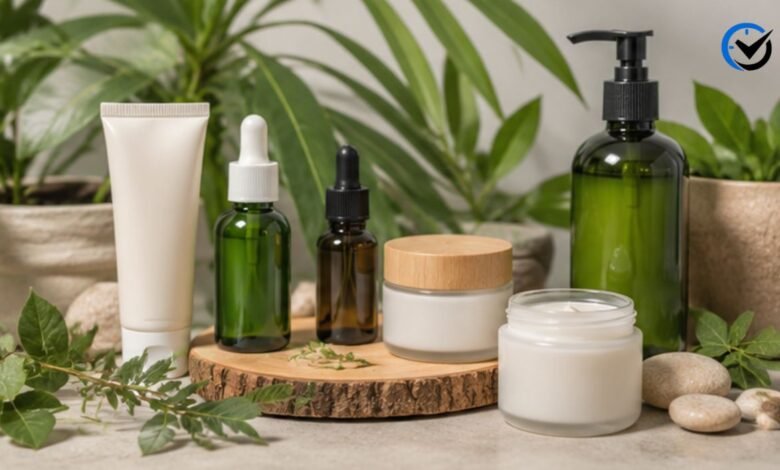
Starting a beauty brand no longer requires owning a factory or developing every formula from scratch. Private-label manufacturing allows entrepreneurs to work with established cosmetic manufacturers, select suitable products, customize branding, and bring products to market under their own name. When the products are vegan, the process requires additional attention to ingredients, supplier documentation, claims, packaging, and consumer expectations. A successful brand is not built simply by placing a logo on a bottle. It depends on choosing dependable formulas, understanding regulations, checking product quality, and creating a clear identity. This guide explains how vegan private label cosmetics work and what to consider before moving from an initial idea to a finished beauty product.
What Are Vegan Private Label Cosmetics?
Vegan private label cosmetics are beauty products manufactured for one company and sold under that company’s brand name without intentionally using animal-derived ingredients in the formulation. Depending on the manufacturer and product, the range can include facial cleansers, moisturizers, serums, body creams, shampoos, lip products, foundations, masks, and other personal-care items. Private labeling generally means the manufacturer handles much of the production while the brand owner focuses on product selection, packaging, positioning, sales, and marketing. The exact meaning of a vegan claim should still be verified rather than assumed, because vegan, cruelty-free, natural, and organic describe different qualities.
Vegan, Cruelty-Free, Natural, and Organic Are Not the Same
One of the most important early decisions is understanding these terms. Vegan generally concerns the absence of animal-derived ingredients, while cruelty-free usually concerns animal testing. A product can therefore be vegan without automatically meeting every cruelty-free standard a particular certification program uses. Natural describes the source or processing of ingredients, but the term does not have one universal meaning across every market. Organic can involve specific agricultural and certification requirements. A brand should define its claims carefully and obtain supporting documentation from suppliers instead of treating these terms as interchangeable.
Choosing the Right Product Category
A new company should avoid launching a large catalog simply because a manufacturer offers many formulas. Starting with a focused collection can make inventory, testing, packaging, and customer education easier to manage. Skincare is often attractive because products such as cleansers, moisturizers, facial oils, and serums can create a connected routine. Makeup, haircare, and body products can also work well when they fit the intended audience. The best starting category is usually the one that matches a clear customer need and gives the brand enough room to develop a recognizable identity.
How Private Label Manufacturing Works
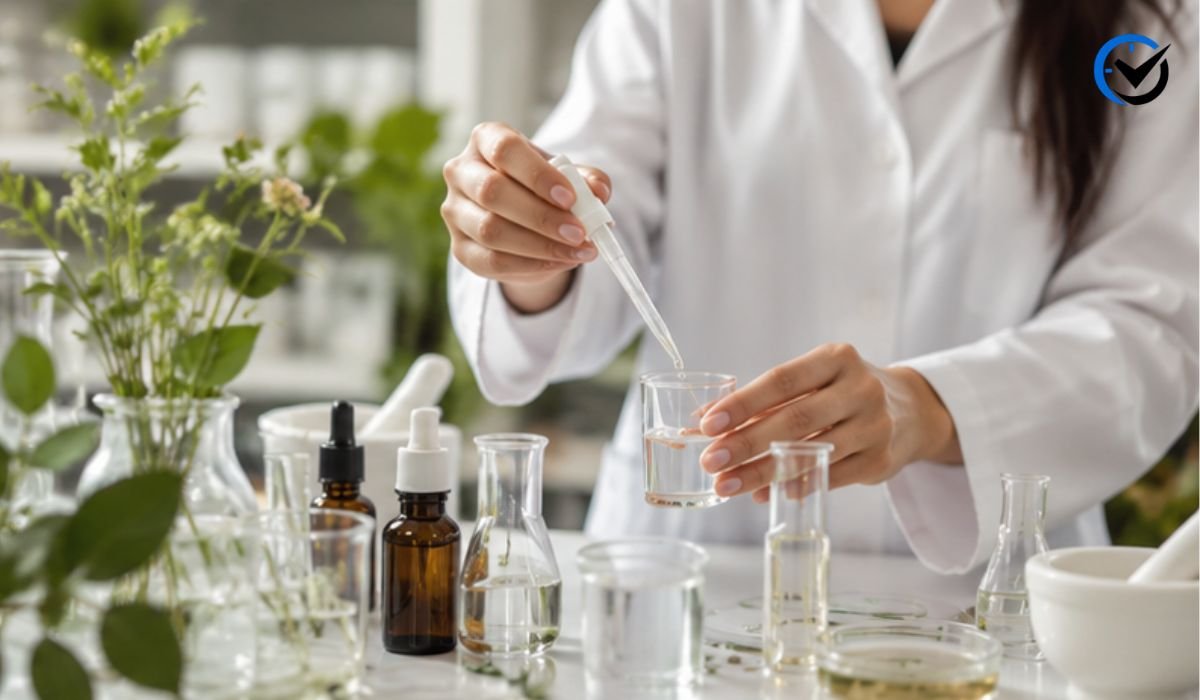
The process normally begins with choosing existing formulas from a manufacturer’s catalog or discussing customized development. The brand selects products, packaging, sizes, fragrances or fragrance-free options, and other available specifications. Samples are then reviewed before a larger production order is approved. Once the formula and presentation are finalized, the manufacturer produces, fills, labels, and packages the goods according to the agreed specifications. Some suppliers provide a complete service, while others handle only formulation or manufacturing, so responsibilities should be established before placing an order.
How to Evaluate a Manufacturer
Choosing the manufacturer is one of the most important decisions in the entire project. A low quoted price does not necessarily represent good value if quality control, communication, documentation, or production reliability is weak. Look for a supplier that can clearly explain its manufacturing process, ingredient sourcing, testing procedures, production capacity, packaging options, and quality controls. Ask how the company handles batch records, product specifications, stability information, and customer complaints. A professional manufacturer should be comfortable discussing these subjects and should provide clear answers rather than making broad promises.
Checking Vegan Ingredient Standards
Vegan formulation requires more than checking whether a product sounds plant-based. Ingredients such as beeswax, honey, lanolin, carmine, certain milk derivatives, and other animal-derived materials can appear in cosmetics. Some ingredients may also have different sources depending on how they are produced. Brands should therefore request a complete ingredient list and supporting supplier information. If vegan certification is important to the business, the manufacturer should explain which certification or verification process applies. Keeping written documentation is especially useful when a brand makes prominent claims on packaging or marketing materials.
Product Formulation and Quality Testing
A formula should perform well, remain stable during its intended shelf life, and be suitable for normal use. Cosmetic manufacturers may conduct different types of testing depending on the product, formulation, packaging, and market. Stability work can help evaluate how a product responds to time and environmental conditions, while microbiological controls are particularly important for products containing water. Packaging compatibility can also matter because a formula may interact differently with certain containers or dispensing systems. Brands should ask what testing has been completed and what documentation will be supplied before production begins.
Manufacturing Standards and Quality Control
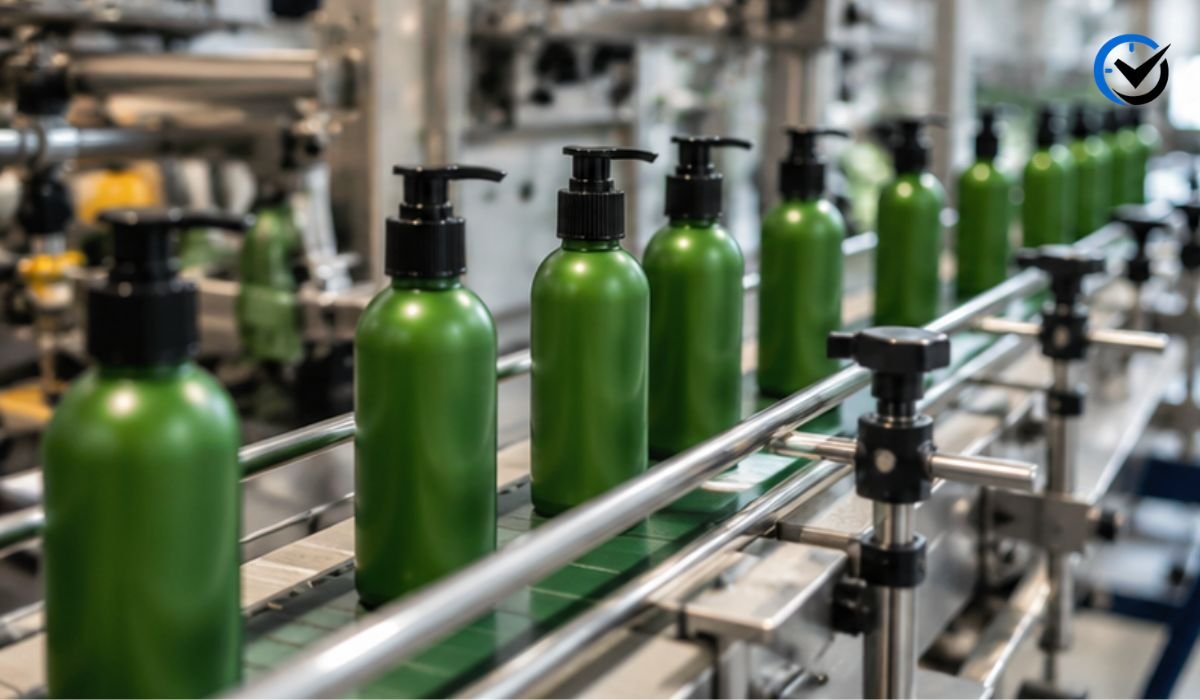
Good manufacturing practices help create consistency between production batches. International guidance such as ISO 22716 covers areas including production, quality control, storage, and shipment of cosmetic products. A manufacturer following a recognized quality system should have defined procedures for handling raw materials, equipment, production records, finished goods, and deviations. This does not mean a certification alone guarantees that every product is perfect. It means the manufacturer has a structured approach to controlling production. Brands should consider the manufacturer’s actual procedures alongside certificates and marketing claims.
Packaging Choices for a Vegan Beauty Brand
Packaging influences both product protection and brand perception. A serum may require a different dispensing system from a body lotion, while a jar, pump, tube, or airless container can affect usability and product exposure. Packaging should be compatible with the formula and appropriate for shipping and storage. Sustainable packaging can also support a brand’s positioning, but environmental claims should be specific and supportable. Recyclability, recycled content, refill systems, lightweight materials, and reduced packaging each involve different considerations. A simple, functional package can often be more useful than elaborate packaging that increases cost without improving the customer experience.
Labeling and Regulatory Responsibilities
Cosmetic requirements vary by country, so a product intended for international sales should not rely on one universal label. In the United States, cosmetic labels generally need appropriate product identity, net quantity, business information, ingredient declarations, and applicable warnings. Modern U.S. requirements also place additional responsibilities on certain cosmetic businesses concerning safety substantiation, facility registration, product listing, and adverse-event reporting. Other markets, including the European Union, have their own rules concerning responsible parties, product safety information, notification, ingredients, and labeling. Before selling internationally, brands should confirm the requirements for every target market.
Making Vegan and Cosmetic Claims Carefully
Claims can strongly influence purchasing decisions, but they also create responsibility. Saying that a product is vegan, plant-based, clean, natural, organic, hypoallergenic, or free from a particular substance should accurately reflect the product and the evidence supporting the statement. Claims suggesting that a cosmetic treats disease or changes the body’s structure or function can create additional regulatory issues and may move a product into a different legal category. A sensible approach is to have product descriptions and labels reviewed before printing large quantities. Clear claims build credibility, while exaggerated claims can create unnecessary regulatory and customer problems.
Understanding Minimum Order Quantities
Minimum order quantity, commonly called MOQ, is the smallest production quantity a manufacturer is willing to make for a particular product or configuration. MOQs vary widely according to formula, packaging, customization, printing, and production requirements. A small initial order may be attractive for testing demand, but it can sometimes carry a higher per-unit cost. Larger orders can reduce unit costs while increasing the amount of capital tied up in inventory. New brands should consider expected sales, storage space, cash flow, and product shelf life before choosing an order size rather than selecting the largest quantity simply to obtain a lower price.
Estimating the Total Cost
The cost of launching a product includes much more than the manufacturer’s unit price. Formula development, samples, testing, packaging, labels, artwork, regulatory work, freight, customs, warehousing, photography, website expenses, and marketing can all affect the final investment. International shipping can add further uncertainty because freight rates, duties, taxes, and import rules vary by destination. A realistic budget should separate one-time development costs from recurring production costs. This makes it easier to calculate a sustainable retail price and understand how much revenue is required before the business becomes profitable.
Building a Distinctive Brand
Private-label products may begin with existing formulas, but the brand still needs a reason for customers to choose it. Strong positioning can come from a specific audience, product philosophy, design language, ingredient approach, price level, or customer experience. A vegan skincare company might focus on sensitive-skin routines, minimalist formulations, premium textures, or accessible everyday care. The goal is not to make unsupported promises. It is to communicate clearly what the company offers and who it is designed to serve. Consistency across packaging, product descriptions, photography, and customer service helps turn individual products into a recognizable brand.
Preparing for the Product Launch
A launch should be treated as a controlled process rather than a single announcement. Before selling, the brand should confirm the final formula, packaging, labels, documentation, inventory, product photography, website information, shipping arrangements, and customer support process. Product descriptions should explain what the product is, how to use it, and what customers should realistically expect. It is also useful to test the buying experience before opening sales widely. Small operational problems, such as unclear instructions or unsuitable packaging for shipping, are much easier to correct before a larger launch.
Marketing and Customer Education
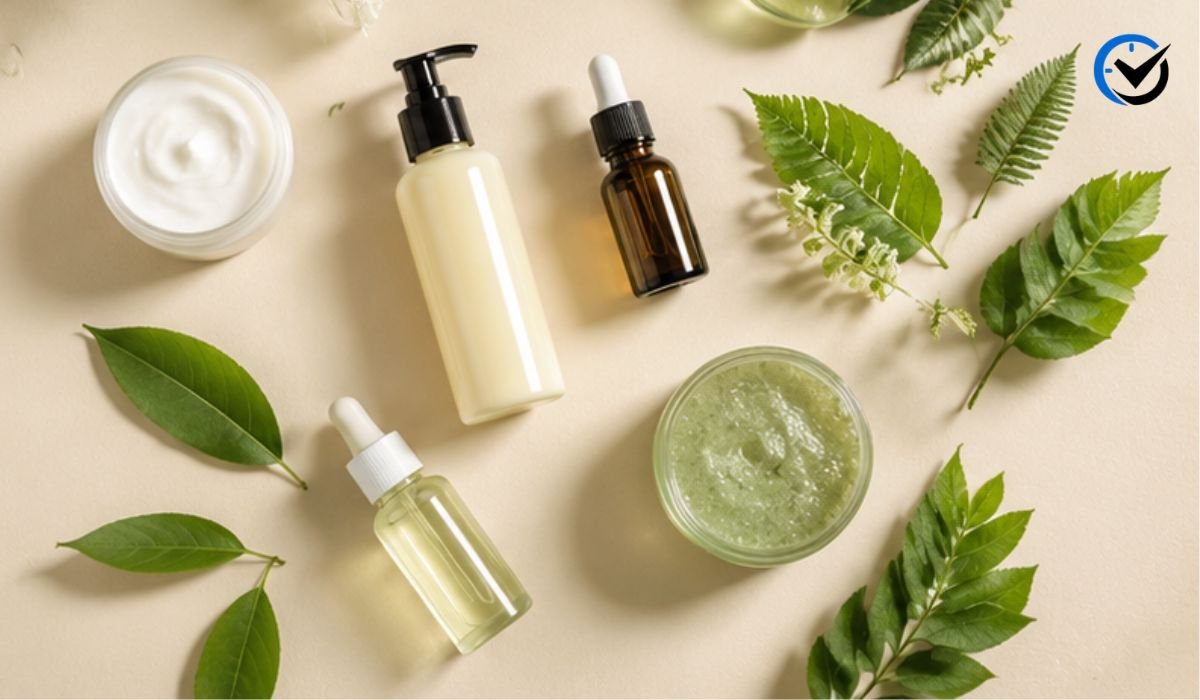
Vegan beauty customers often want to understand what makes a product different, but education works best when it is specific and honest. Instead of relying on broad statements about being better or healthier, brands can explain ingredient choices, product functions, formulation decisions, packaging materials, and responsible sourcing practices. Demonstrations, tutorials, ingredient explainers, customer questions, and useful skincare guidance can make marketing more informative. A brand should also avoid suggesting that vegan products are automatically safer or more effective than non-vegan products. Product performance depends on the formulation, quality, intended use, and individual consumer factors.
Common Mistakes to Avoid
New beauty companies frequently underestimate the importance of documentation and production details. Choosing a supplier based only on price, ordering too much inventory, skipping sample evaluation, approving packaging too quickly, or making unsupported claims can create expensive problems. Another common mistake is assuming that a manufacturer’s certification automatically covers every requirement in every country where the brand plans to sell. Responsibilities should be confirmed in writing, including who handles testing, labeling information, regulatory submissions where applicable, packaging, shipping, and product records. Careful preparation usually costs less than correcting a poorly planned launch.
Final Thoughts
Launching a vegan beauty company through private labeling can be a practical way to enter the cosmetics market without building a manufacturing operation from the ground up. The strongest results come from treating the process as more than a branding exercise. Product quality, ingredient verification, responsible claims, suitable packaging, reliable manufacturing, regulatory preparation, realistic budgeting, and clear positioning all matter. By choosing a capable supplier, testing products carefully, understanding the rules of each target market, and building a brand around genuine customer needs, entrepreneurs can create a professional beauty business with room to grow. The objective should not simply be to launch another vegan product, but to offer a well-made product that customers can understand, trust, and confidently use.
Frequently Asked Questions
1. What does vegan mean in cosmetics?
Vegan cosmetics are formulated without intentionally using animal-derived ingredients. However, the precise claim should be supported by the manufacturer’s ingredient information and, where applicable, independent certification or verification.
2. Are vegan cosmetics automatically cruelty-free?
No. Vegan and cruelty-free address different issues. Vegan generally concerns the ingredients used in the product, while cruelty-free generally concerns animal testing. A company should verify both claims separately.
3. Can I customize private-label cosmetic formulas?
Many manufacturers offer some level of customization, but the options differ. Some allow changes to fragrance, texture, color, or packaging, while others develop completely new formulas for clients. Custom development usually requires more time and investment than selecting an existing formula.
4. How much money is needed to start a private-label beauty brand?
There is no universal starting amount. The budget depends on product type, order quantity, packaging, testing, shipping, regulatory work, branding, and marketing. A smaller launch can reduce inventory risk, but it may have higher per-unit costs.
5. What products work well for a vegan beauty brand?
Common options include cleansers, moisturizers, facial serums, body lotions, lip products, haircare, masks, and makeup. The best choice depends on the target customer and the brand’s positioning rather than simply following the largest product category.
6. How do I know if a manufacturer is reliable?
Ask about manufacturing standards, quality control, ingredient documentation, testing, production capacity, MOQs, lead times, packaging, and complaint handling. Samples and written documentation should be reviewed before committing to substantial production.
7. Do vegan cosmetics need special certification?
Not necessarily in every market. Vegan certification can provide independent verification and may strengthen consumer confidence, but requirements differ by certification program and country. Brands should understand exactly what a particular certification covers before displaying its name or logo.
8. Can vegan cosmetics be sold worldwide?
They can potentially be sold across multiple markets, but worldwide distribution requires attention to local regulations. Ingredient restrictions, labeling rules, safety documentation, claims, responsible parties, and registration or notification requirements can differ between countries.
9. What should appear on a cosmetic label?
Requirements depend on the destination market and product. In general, brands should expect requirements concerning product identity, ingredients, quantity, responsible business information, warnings where applicable, and other market-specific information. Labels should be reviewed for each country before printing.
10. Is private labeling better than creating a formula from scratch?
Neither approach is automatically better. Private labeling can reduce development time and simplify manufacturing, while custom formulation offers greater control over the product. The right choice depends on budget, desired differentiation, timeline, technical requirements, and long-term brand goals.
Recommended: Lamborghini Rental Atlanta: Experience Exotic Performance and Luxury on the Road


One Comment