

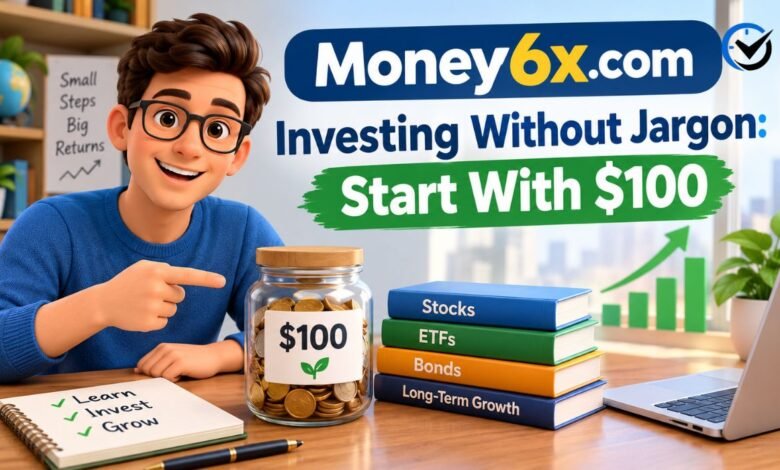
Many people believe investing is only for those with big savings, a finance degree, or inside knowledge. That belief keeps capable beginners on the sidelines for years. The truth is simpler. With a hundred dollars, or the equivalent in your own currency, you can open an account, buy a small piece of the market, and start learning. This guide explains the basics in plain words, including where a site like Money6x.com may fit in.
What Money6x.com Is and How to Treat It
Money6x.com is described on several websites as a personal finance education platform covering budgeting, saving, and investing. However, the descriptions are very similar to one another, and independent details about the people behind it are hard to find. That calls for care. Treat any such site as a place to learn ideas, not as a source of personal advice, and always confirm important facts elsewhere.
Why $100 Is a Real Starting Point
A hundred dollars will not change your life overnight, and that is perfectly fine. Its real value is practice. Watching a small balance rise and fall teaches you how markets behave without risking money you cannot spare. Many experienced investors say their early mistakes were cheap lessons. Starting small also builds the habit of setting money aside, which matters far more over the years than the first deposit does.
Before You Invest a Single Dollar
Investing makes sense only after the basics are covered. Keep a small emergency cushion in a savings account so a surprise bill does not force you to sell at a bad moment. Pay off any debt that charges high interest, because credit card rates usually beat what markets earn. If you are not sure whether you can leave the money untouched for several years, wait and save a little longer.
Understanding Risk in Plain Words
Risk simply means the value of an investment can go down as well as up. Stocks can fall sharply in a bad year, and nobody can promise when they recover. Higher possible rewards almost always come with bigger swings. Your goal is not to avoid risk completely, because that is impossible, but to take a level you can live with without losing sleep.
The Simple Idea Behind Index Funds
An index fund owns a tiny slice of many companies at once, usually following a well-known list such as the largest businesses in a country. Instead of guessing which single company will win, you own the whole group. This spreads your risk, keeps costs low, and requires almost no research. For a beginner with limited money, that combination is hard to beat.
What an ETF Actually Is
An exchange-traded fund, or ETF, is a basket of investments that trades on a stock exchange just like a single share. Many index funds come in ETF form, so you can buy one during market hours at the current price. ETFs usually have low yearly costs and no high minimum, which makes them friendly to small accounts. Always check what the basket holds before you buy.
Fractional Shares Made Simple
Some popular shares cost hundreds of dollars each, which once locked small investors out. Fractional shares solve that by letting you buy a portion of one share for any amount, even five dollars. Your hundred can be split across a few holdings instead of sitting on one. Not every brokerage offers this feature, so confirm it before you open an account.
Choosing a Brokerage Account
A brokerage is the company that holds your account and carries out your trades. Look for one that is licensed in your country, protects customer funds under a recognized scheme, and explains its charges clearly. Beginner-friendly apps are fine, but a slick design says nothing about safety. Check for withdrawal fees and learn how to take your money back out before depositing.
Fees Matter More Than You Think
On a small balance, fees can quietly eat a large share of your growth. A trading commission of two dollars on a hundred-dollar purchase is a two percent loss before anything happens. Yearly fund costs, often shown as an expense ratio, work the same way over time. Choose commission-free trading where available and funds with low annual costs so more of your money stays working for you.
Compound Growth Without the Math
Compounding means your earnings begin to earn their own earnings. Imagine a plant that grows seeds, and those seeds grow plants of their own. The effect is slow at first and surprisingly strong after many years. A hundred dollars growing at a steady seven percent a year roughly doubles in about ten years, though real returns vary and are never guaranteed. Time matters more than the starting amount.
Dollar-Cost Averaging for Small Budgets
Dollar-cost averaging means investing a fixed amount on a regular schedule, whatever the market is doing. When prices are low, your money buys more units, and when prices are high, it buys fewer. This removes the stress of trying to pick the perfect day. Even twenty or twenty-five dollars each month can build real momentum, and many brokerages let you automate the process.
Choosing Your First Investment
For most beginners, one broad, low-cost fund that tracks a large market is a sensible first step. A global fund spreads money across many countries, while a national fund focuses on your home market. Neither is perfect, and both will rise and fall. Pick one you understand, write down why you chose it, and resist the urge to add ten more holdings immediately.
Common Beginner Mistakes
New investors tend to repeat the same errors. They chase whatever went up last month, check their balance every hour, and sell in a panic during a dip. Others borrow money to invest or put everything into a single exciting company. Slow, boring habits usually win. Decide your plan in advance, keep it simple, and change it only when your life changes, not when the headlines do.
Why Chasing Big Multiples Is Risky
Anything that hints at huge multiples, whether a website name, a fund, or a social media tip, deserves extra caution. No legitimate source can promise that your money will grow six times or any other fixed amount. Real investing offers modest, uneven returns over long periods. If someone guarantees fast profits, asks for upfront payment, or pushes you to act quickly, step away and verify them independently.
Taxes and Account Types
Tax rules differ widely between countries, so check what applies where you live. Many places offer special accounts that shelter investment growth from some taxes, and using one can add real value over time. You may also owe tax on profits or dividends when you sell. Keep simple records, and ask a local tax professional if anything feels unclear.
Building a Habit That Lasts
Consistency beats intensity. Set a calendar reminder, link your deposit to payday, and treat it like any other bill. Review your account every few months rather than every day. When the amount you can invest grows, raise it a little. Small, steady steps are easier to maintain than dramatic promises.
Using Educational Sites Wisely
Websites such as Money6x.com can be useful for learning vocabulary, comparing ideas, and getting started with budgeting basics. Still, a good habit is to cross-check anything important with regulators, official fund documents, or well-known financial education organizations. Look for clear authorship, dates, and honest statements about risk. If a page avoids mentioning downsides, treat that as a warning sign rather than a selling point.
When to Add More Money
Once your first hundred feels comfortable, think about increasing your contributions in line with your goals. Then consider whether you are investing for retirement, a home, or education, since each goal has a different timeline. Money needed within a few years usually belongs in safer places, while long-term goals can handle more ups and downs.
Reading the News Without Panic
Alarming headlines spread fastest. Markets have faced recessions, crashes, and crises before, and long-term investors who stayed invested have generally recovered, though past results never guarantee the future. When fear rises, return to your written plan. Ask whether your goals or timeline actually changed. If they did not, doing nothing is often the wisest move.
Final Thoughts
Starting with a hundred dollars is less about the money and more about the decision to begin. Learn the basics, choose a regulated brokerage, keep costs low, pick a broad fund, and invest regularly without drama. Use educational sites, including Money6x.com, as one source among many, and verify what matters. Patience, simple choices, and honest expectations will take you further than any shortcut ever could.
Frequently Asked Questions
1. Is Money6x.com a trusted investment platform?
Public information about it is limited and mostly repeats the same general description, so trust cannot be confirmed from outside sources. It appears to be presented as an education site rather than a broker. Never send money or personal financial details to any site until you have verified who runs it.
2. Can I really start investing with $100?
Yes. Many brokerages have no minimum deposit, and fractional shares let you buy small portions of funds or companies. Check that the platform is licensed where you live and compare fees first. Remember that a small balance grows slowly, so the early benefit is mostly learning and habit building.
3. What is the safest way for a beginner to invest?
No investment is completely safe, but a broad, low-cost index fund held for the long term is a common choice because it spreads risk widely. Keep emergency savings separate, invest only money you will not need soon, and avoid anything you cannot explain simply.
4. Should I buy individual stocks or funds first?
Funds are usually easier for beginners because one purchase gives you many companies. Individual stocks can work later, ideally as a small part of your money, once you can read basic company reports. Picking single winners is difficult even for professionals, so patience helps.
5. How much can $100 grow in a year?
Nobody can say, because returns change every year and can even be negative. A long-run average of around seven percent would turn one hundred dollars into about one hundred seven, but real results swing widely. Treat any fixed promise as a red flag.
6. What is the difference between investing and saving?
Saving keeps money safe and easy to reach, such as in a bank account, with small but steady interest. Investing puts money into assets like funds or shares that can earn more over time but may lose value. Most people need both, with savings first.
7. How often should I add money?
Monthly works well for most people because it matches typical pay cycles and keeps the habit alive. Weekly or biweekly is fine too. What matters is picking a schedule you can maintain through good and bad markets, then automating it so you do not have to decide each time.
8. What should I do if my investment drops?
First, pause and check whether your goals or timeline changed. Short-term drops are normal, and selling after a fall locks in the loss. If you have years ahead, staying invested and continuing small regular deposits is often reasonable, though you should decide based on your own situation.
9. How can I spot an investment scam?
Common warning signs include guaranteed returns, pressure to act fast, requests for payment in unusual forms, vague company details, and unlicensed sellers. Check the provider with your national financial regulator before depositing anything. If an offer sounds too good to be true, it almost certainly is.
10. Do I need a financial advisor to start?
Not for a simple first step like a broad fund. Advisors become more useful as your finances grow more complex, such as with large savings, business income, or tricky taxes. If you hire one, ask how they are paid and choose someone licensed in your country.
Recommended: prconnecthive com Behind the Name: What the Website Actually Publishes





One Comment