

Red is one of the first colors humans learn to recognize, and it shows up almost everywhere once you start paying attention. From the fruit in your kitchen bowl to the signals that guide traffic, red has a way of catching the eye and holding attention longer than most other colors. This article takes a closer look at the many objects, living things, and everyday items that share this bold shade. Some of these examples are familiar, while others might surprise you with how naturally red appears in places you never expected. Whether you are curious about nature, food, animals, or man-made objects, this guide brings together a wide range of examples that show just how common and meaningful this color truly is.
Why Red Stands Out Among Colors
Red carries a strong visual weight compared to most shades on the color wheel. It has the longest wavelength among visible colors, which means the human eye picks it up quickly, even from a distance. This is one reason stop signs, fire trucks, and warning labels rely on this shade so heavily. Beyond its practical uses, red also carries emotional weight. It can represent passion, danger, energy, or warmth depending on the setting. Because of this dual role, both as a warning and as a symbol of strong feeling, red has become deeply woven into daily life across nearly every culture on earth.
Common Red Items Found in Nature
Nature offers some of the most striking examples of this color. Apples, cherries, strawberries, and pomegranates are among the first things people picture when they think of red produce. These fruits often develop their color as they ripen, with pigments called anthocyanins building up in the skin. This natural process not only signals that the fruit is ready to eat but also attracts birds and animals that help spread seeds. The color acts as a kind of invitation in the natural world, drawing attention exactly when it matters most for growth and reproduction.
| Category | Examples |
|---|---|
| Fruits | Apple, cherry, strawberry, pomegranate, watermelon (flesh), raspberry |
| Vegetables | Tomato, red bell pepper, beet, radish, red onion |
| Flowers | Rose, tulip, poppy, carnation, hibiscus |
| Animals | Cardinal, ladybug, red fox, red panda, red king crab |
| Insects & Small Creatures | Ladybug, red velvet mite, fire ant, certain beetles |
| Gemstones & Minerals | Ruby, garnet, red jasper, red coral |
| Everyday Objects | Fire hydrant, stop sign, fire extinguisher, mailbox (in some countries), brake lights |
| Vehicles | Fire truck, red sports cars, red bicycles |
| Clothing & Fashion | Red dress, red lipstick, red sneakers, sports team jerseys |
| Flags & Symbols | Flags of the USA, China, Canada, UK (red elements), national emblems |
| Food & Drink | Beef (raw), red wine, red velvet cake, ketchup, strawberries |
| Holidays & Celebrations | Christmas decorations, Valentine’s Day hearts/roses, Chinese New Year decor |
| Nature & Seasons | Autumn leaves, red moon (lunar eclipse), sunset skies |
| Architecture | Red brick buildings, red telephone booths (UK), red rooftops |
| Science & Technology | Infrared light, red blood cells, warning lights on devices |
Red Flowers That Catch the Eye
Gardens around the world often feature blooms in this shade, and for good reason. Roses are perhaps the most recognized example, symbolizing love and admiration in many cultures. Poppies, tulips, and carnations also come in deep shades of this color and are popular choices for both home gardens and floral arrangements. Interestingly, many red flowers evolved this pigment specifically to attract certain pollinators, such as hummingbirds, which are especially sensitive to this part of the color spectrum. This connection between color and biology shows how something as simple as a flower petal can carry deep evolutionary purpose.
Animals That Wear Red Naturally
The animal kingdom offers plenty of surprising examples as well. Cardinals, with their bright feathers, are one of the most recognizable birds in North America. Ladybugs, known for their small size and spotted shells, use their color as a warning to predators that they may not taste good. Red foxes carry their name directly from their fur color, which helps them blend into autumn landscapes while still standing out in open fields. Even certain species of crabs, such as the red king crab, showcase this color as part of their natural shell pigmentation. These examples remind us that color in nature often serves a purpose beyond simple appearance.
Red Foods Beyond Fruit
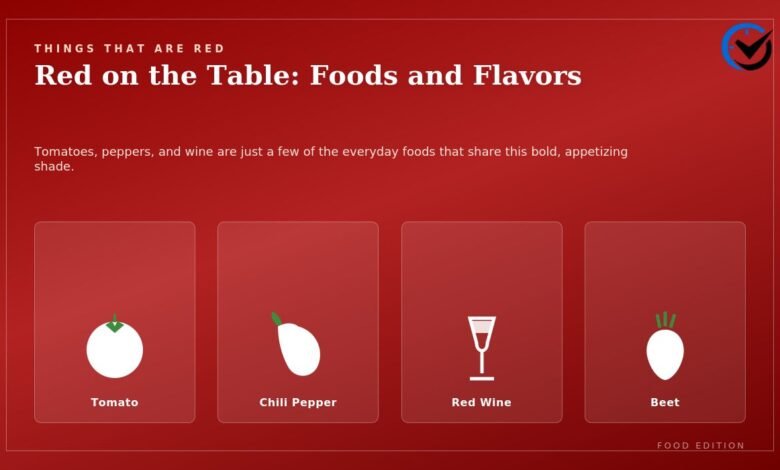
While fruit is an obvious category, plenty of other foods share this same coloring. Tomatoes, despite technically being a fruit, are often grouped with vegetables in everyday cooking and are a staple ingredient in cuisines worldwide. Red bell peppers offer a sweeter taste compared to their green counterparts and are packed with nutrients. Beets bring a deep, earthy version of this color to salads and soups. Even certain meats, like raw beef, carry a natural red tone due to a protein called myoglobin. Together, these foods show how varied and widespread this color is across different food groups.
Everyday Objects That Are Red
Step outside your home and you will likely spot several red objects without even trying. Fire hydrants, stop signs, and brake lights all use this color specifically because it demands attention quickly. Mailboxes in some countries are painted this shade to make them easy to locate from a distance. Even household items like fire extinguishers follow this pattern, using red as a universal signal for caution or emergency use. This consistent use across different objects and settings has helped establish red as an international marker for alertness and importance.
Red in Clothing and Fashion
Clothing designers have long used this bold shade to make a statement. A red dress, for example, is often associated with confidence and standing out in a crowd. Sports teams frequently choose this color for uniforms because it creates a strong visual identity on the field or court. Shoes, accessories, and even makeup products often use red to draw attention to specific features. The popularity of this shade in fashion is not just about looks, it is also tied to the psychological effect it has on both the wearer and the viewer, often associated with boldness and energy.
Red Vehicles and Their Popularity
Cars painted in this shade have remained popular for decades, often chosen by buyers who want their vehicle to stand out on the road. Fire trucks are a classic example of a vehicle that relies on this color for visibility and quick recognition during emergencies. Sports cars, in particular, are frequently marketed in red tones because the color is associated with speed and excitement. Even in advertising, car companies often showcase their vehicles in red to create a stronger visual impact in photos and commercials.
Red in Flags and National Symbols
Many countries include this color in their national flags, often to represent strength, courage, or the sacrifices made throughout their history. The flags of nations such as the United States, China, Canada, and the United Kingdom all include this shade prominently. Beyond flags, red also appears in national emblems, seals, and ceremonial symbols. This widespread use across different nations shows how the color has taken on meaning far beyond simple decoration, often tied to identity, pride, and historical significance.
Red Gemstones and Minerals
The natural world also produces stunning red minerals and gemstones that have been prized for centuries. Rubies are among the most valuable gemstones in this category, often associated with luxury and romance. Garnets, though less expensive, also carry a rich red tone and have been used in jewelry since ancient times. Certain types of jasper and coral also display natural red hues, formed through mineral deposits or organic processes over long periods of time. These examples highlight how geology itself contributes to the wide range of red objects found around the world.
Red in Art and Design
Artists have used this color for centuries to create emotional impact in their work. From ancient cave paintings that used red ochre pigments to modern digital art, this shade has remained a powerful tool for expression. In design, red is often used sparingly but effectively, drawing the eye toward a specific element such as a button, logo, or headline. This deliberate use in visual design shows how much thought goes into choosing where and how this color appears in creative work.
Red in Holidays and Celebrations
Certain holidays are closely tied to this color, making it instantly recognizable during specific times of the year. Christmas decorations often feature red alongside green, symbolizing warmth and festivity. Valentine’s Day relies heavily on this shade to represent love and affection, often seen in cards, flowers, and gifts. In some cultures, red is also used during New Year celebrations to symbolize good luck and prosperity. These seasonal associations show how deeply color can become tied to tradition and cultural meaning over time.
Rare and Surprising Red Things
While many examples of this color are common, some are far less expected. Red pandas, despite their name, are not closely related to giant pandas but share a reddish-brown coat that gives them their name. Certain rare orchids display deep red petals that are highly sought after by collectors. Even natural phenomena, such as a red moon during a lunar eclipse, show how this color can appear in unexpected and dramatic ways. These rarer examples add depth to the overall picture of how widespread and varied this shade truly is.
The Psychology Behind the Color Red
Beyond its physical presence, this color also has a strong psychological effect on people. Studies have shown that red can increase heart rate slightly and create a sense of urgency or excitement. This is part of why it is used so often in marketing, especially for sales signs or limited time offers. At the same time, red can also represent warmth and comfort in certain contexts, such as home decor or clothing. This dual effect, ranging from urgency to comfort, makes it one of the most psychologically complex colors used in everyday life.
Red in Science and Technology
In scientific fields, this color plays an important role as well. Infrared technology, used in everything from remote controls to night vision equipment, relies on wavelengths just beyond visible red light. In medicine, red is often associated with blood, oxygen levels, and certain diagnostic tools that use this color to indicate readings. Even in astronomy, red plays a role, as scientists study red giant stars and other celestial bodies that display this color due to their temperature and composition. This shows that red is not just a visual element but also a functional one across multiple scientific disciplines.
Red Insects and Small Creatures
Beyond ladybugs, other small creatures also display this striking color. Certain species of ants, beetles, and spiders carry red markings, often as a warning to predators about potential toxicity. Red velvet mites, though tiny, are known for their bright coloring that makes them easy to spot on forest floors after rainfall. These small examples remind us that color in the animal kingdom is rarely random, often tied to survival strategies that have developed over thousands of years.
Red in Architecture and Buildings
Buildings around the world also make use of this color, whether through brick construction, painted exteriors, or decorative elements. Red brick homes remain a popular architectural choice in many countries due to their durability and classic appearance. Certain landmarks, such as red telephone booths in the United Kingdom, have become iconic symbols recognized worldwide. This use in architecture shows how color choices can shape cultural identity and even become tourist attractions in their own right.
Seasonal Red Changes in Nature
Autumn is a season strongly associated with this color, as many trees change their leaves from green to shades of red before winter arrives. This transformation happens due to changes in pigment production as chlorophyll breaks down, revealing the red and orange tones that were present all along. This seasonal shift is one of the most visually striking natural events, drawing visitors to certain regions specifically to witness the changing colors of the landscape.
Final Thoughts
Red is far more than a single shade on a color wheel. It appears in nature, food, animals, fashion, architecture, and even science, each example carrying its own story and purpose. Some uses are practical, designed to catch attention quickly, while others are symbolic, tied to emotion, tradition, or identity. By exploring the many places this color shows up, it becomes clear just how deeply woven it is into daily life across the world. Whether common or rare, each example adds another layer to understanding why this particular shade continues to hold such a strong presence in human experience.
Frequently Asked Questions
1. What are some common things that are red in nature?
Many fruits, flowers, and animals naturally display this color. Apples, strawberries, cherries, and pomegranates are common red fruits, while roses, tulips, and poppies are popular red flowers. Animals such as cardinals, ladybugs, and red foxes also carry this coloring as part of their natural appearance.
2. Why do so many warning signs use red?
Red is chosen for warning signs because it has a long wavelength that the human eye detects quickly, even from a distance. This makes it ideal for situations where fast recognition is important, such as stop signs, fire equipment, and emergency vehicles.
3. Are there any rare animals known for their red coloring?
Yes, the red panda is one example, known for its reddish-brown fur despite not being closely related to giant pandas. Certain rare bird species and red velvet mites also display unusual shades of this color that are less commonly seen.
4. What foods are naturally red besides fruit?
Vegetables such as tomatoes, red bell peppers, and beets all display this color naturally. Certain meats, like raw beef, also carry a reddish tone due to a protein found within muscle tissue.
5. Why is red often used in flags around the world?
Many countries use this color in their flags to represent courage, strength, or historical sacrifice. It is a color that stands out visually, which also makes it effective for national symbols meant to be recognized from a distance.
6. Does the color red have any psychological effects?
Yes, studies suggest that red can slightly increase heart rate and create feelings of urgency or excitement. It is often used in marketing for this reason, though it can also represent warmth and comfort depending on the setting.
7. What gemstones are known for their red color?
Rubies are among the most well known red gemstones, often associated with luxury and romance. Garnets are another example, offering a similar tone at a more affordable price point.
8. Why do leaves turn red in autumn?
As chlorophyll breaks down in leaves during colder months, other pigments that were previously hidden become visible, including reds and oranges. This seasonal change is a natural part of how trees prepare for winter.
9. Are there red objects used specifically for safety?
Yes, items such as fire extinguishers, fire trucks, and brake lights all use this color specifically because it draws immediate attention, helping people react quickly in situations that require awareness or caution.
10. Why is red associated with certain holidays?
Holidays such as Christmas and Valentine’s Day often use this color to represent warmth, love, or festivity. Over time, these associations have become deeply rooted in cultural traditions, making the color instantly recognizable during specific seasons.
Recommended: Understanding DPMO Meaning: Defects Per Million Opportunities Simplified




One Comment