

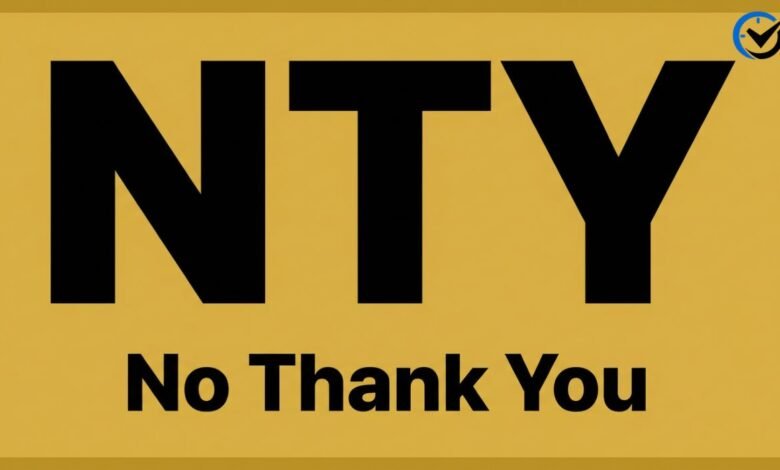
Text messaging has created its own language over the years, filled with short forms that save time and keystrokes. One abbreviation that shows up often in casual conversations, group chats, and social media comments is NTY. If you have come across this term and wondered what it means, you are not alone. Many people encounter shortened phrases like this while chatting with friends, family, or even coworkers, and it can feel confusing if you are not familiar with modern texting habits. This guide breaks down everything you need to know about this common abbreviation, including its meaning, how it is used, where it comes from, and why people prefer it over typing out full sentences. By the end of this article, you will have a clear and complete understanding of this everyday texting term and how to use it naturally in your own conversations.
What Does NTY Mean
NTY stands for “no thank you.” It is a simple, polite way of declining something without having to type the entire phrase. Instead of writing out three separate words, people combine them into a quick four-letter response that gets the same message across. This kind of shorthand became popular because digital conversations often happen fast, and people want to reply quickly without losing the meaning of what they are trying to say. When someone sends this abbreviation, they are letting the other person know that they appreciate the offer or question but would rather not accept it.
Why People Use Short Forms Like This
Modern communication has shifted heavily toward speed and convenience. Whether someone is texting on a phone, chatting on a messaging app, or commenting on social media, there is a natural tendency to shorten common phrases. This habit did not start with texting alone. Instant messaging platforms from decades ago, such as early internet chat rooms, already encouraged short replies because typing was slower and screen space was limited. Over time, these shortcuts carried over into smartphones, and now they are a normal part of everyday digital conversations. Abbreviations like this one help people communicate clearly while keeping their messages short and casual.
The Everyday Usage of NTY
This abbreviation usually appears when someone is turning down an offer, invitation, or suggestion. For example, if a friend asks if you want to grab food, you might reply with this short form instead of typing the full sentence. It works the same way in group chats, where multiple people might be asking questions at once and quick replies are more practical. It can also show up in customer service style chats, online gaming communities, and social media replies, especially among younger users who prefer fast, informal communication. Regardless of the platform, the core meaning stays the same: a polite refusal expressed in the shortest way possible.

How It Feels in Tone
Even though the phrase technically includes the word “thank you,” the shortened version can sometimes come across as a little more casual or blunt than typing the full sentence. This does not mean it is rude, but tone matters a lot in text-based conversations since there is no voice inflection or facial expression to soften the message. When used with close friends or in relaxed settings, it usually reads as friendly and easygoing. However, in more formal conversations, such as messages to a boss, teacher, or someone you do not know well, spelling out the complete phrase might feel more appropriate and respectful.
Common Examples of NTY in Conversations
To understand this term better, it helps to see how it fits naturally into real conversations. If someone asks whether you want to join a video call, a short reply declining the offer would fit right in. If a friend offers to lend you money, replying with a polite refusal in this shortened form communicates your decision instantly. Even in online shopping conversations, such as a store representative asking if you want to add a warranty, customers sometimes use this kind of quick response to say no politely. These examples show how flexible and widely applicable this abbreviation can be across different types of digital communication.
The Difference Between NTY and Other Similar Terms
There are several other texting abbreviations that carry similar meanings, and it helps to understand how they differ. “TY” simply means thank you, without any refusal involved. “NP” stands for no problem, often used as a response to someone else’s thanks or apology. “NVM” means never mind, which is used when someone wants to withdraw a question or comment rather than decline an offer. Knowing these differences helps avoid confusion, since texting shorthand can sometimes overlap in meaning if you are not familiar with each specific term. Understanding the small distinctions between these abbreviations makes it easier to use them correctly and avoid sending the wrong message.
Where This Abbreviation Is Most Commonly Seen
You are most likely to come across this term in casual texting apps, direct messages on social media, and comment sections where people respond quickly to each other. It is also common in gaming chats, where players communicate in real time and need short replies to keep up with fast-paced conversations. Younger generations tend to use it more frequently since they grew up with texting and instant messaging as a primary form of communication. However, it has become widespread enough that people of many age groups now recognize and use it, especially as digital communication continues to blend into everyday life across all demographics.
Is It Appropriate for Professional Communication
While this abbreviation works well in casual settings, it is generally not recommended for professional or formal communication. Workplace emails, official messages, or conversations with clients usually call for complete sentences that reflect a polished and respectful tone. Using shorthand in these situations might come across as careless or overly informal, even if that is not the intention. It is always a good idea to consider your audience before choosing to use abbreviated language. If you are unsure whether a shortened phrase fits the situation, it is safer to type out the full response to maintain professionalism and clarity.
How Texting Culture Shaped Modern Abbreviations
The rise of texting abbreviations reflects a broader shift in how people communicate. As mobile phones became more common, character limits and slower typing speeds encouraged users to find quicker ways to express themselves. Over the years, this evolved into a shared digital vocabulary that most texters instantly understand, even without formal explanation. Abbreviations like this one are part of a much larger collection of texting shorthand that has developed organically through everyday use rather than being created deliberately. This organic growth is part of what makes texting culture so dynamic, since new terms continue to emerge while older ones remain in steady use.
The Role of Speed in Digital Conversations
One of the biggest reasons abbreviations continue to thrive is the demand for speed in digital communication. People often reply to messages while multitasking, walking, or juggling several conversations at once. A short response allows someone to reply almost instantly without breaking their flow or spending extra time typing. This is especially useful in situations where a quick decision needs to be communicated, such as declining an invitation before plans move forward without you. The efficiency of these abbreviations is a major reason they have become such a natural part of daily texting habits.
How to Respond When Someone Sends This Abbreviation
If you receive this response from someone, it simply means they are declining whatever was offered or suggested. There is no need to overanalyze the tone unless the context of the conversation suggests otherwise. In most cases, it is a polite and straightforward answer, even if it feels a little short. A good way to respond is with a simple acknowledgment, such as confirming that you understand or moving on to the next topic. Since the phrase itself already includes a polite refusal, there is usually no need to push further unless clarification is genuinely necessary for the conversation to continue smoothly.
Regional and Cultural Differences in Usage
While texting abbreviations are widely used across many English-speaking regions, the frequency and acceptance of certain terms can vary. In some cultures, shorter and more casual responses are the norm even in semi-formal settings, while other cultures place a stronger emphasis on complete sentences regardless of the platform. Understanding your audience, including their cultural background and communication style, can help you decide whether abbreviated replies are suitable. This is particularly relevant for people communicating across international borders, where texting norms might differ significantly from one country to another, even when everyone is fluent in English.
Why Context Matters When Using Abbreviations
Context plays a major role in how any texting shorthand is interpreted. The same abbreviation can feel completely different depending on who is sending it, the relationship between the people involved, and the overall tone of the conversation. A message sent between close friends carries a different weight than the same message sent to an acquaintance or a new contact. Being aware of this helps prevent misunderstandings, especially in mixed group chats where people may have different levels of familiarity with each other. Paying attention to context ensures that short replies land the way they are intended.

The Growing Popularity of Text Abbreviations Worldwide
As smartphones and messaging apps continue to dominate global communication, abbreviated phrases have spread far beyond their original English-speaking origins. Many non-native English speakers pick up these shorthand terms simply through exposure to social media, entertainment, and online interactions. This has helped create a kind of shared digital language that transcends geographic boundaries. While pronunciation and grammar rules may differ from country to country, texting abbreviations tend to remain fairly consistent, making them one of the more universal aspects of modern communication.
How Texting Shorthand Continues to Evolve
Language is constantly changing, and texting abbreviations are no exception. New terms appear regularly, while some older ones fade out of common use. This constant evolution reflects how communication adapts to the platforms and tools available at any given time. As messaging apps introduce new features like voice notes, emojis, and quick reply buttons, the need for certain abbreviations may shift, but the desire for fast, efficient communication remains constant. This ongoing evolution is part of what makes studying texting culture so interesting, since it offers a glimpse into how people naturally simplify language for convenience.
Practical Tips for Using This Abbreviation Correctly
If you want to use this term naturally in your own conversations, it helps to keep a few things in mind. First, consider the relationship you have with the person you are texting, since casual abbreviations work best with people who already communicate informally with you. Second, think about the platform you are using, since some apps and settings are more suited to shorthand than others. Third, pay attention to the overall tone of the conversation, since mixing overly casual replies into a serious discussion might come across as dismissive. Following these simple guidelines can help you use this abbreviation appropriately and avoid any unintended confusion.
Final Thoughts
Understanding common texting abbreviations like this one makes it easier to navigate modern digital conversations with confidence. What started as a simple way to say no politely has become a widely recognized part of everyday messaging, used across social media, group chats, and casual conversations around the world. While it works best in informal settings, knowing when to use it and when to choose a more formal response shows good communication awareness. As texting culture continues to evolve, staying familiar with these shorthand terms helps you keep up with the way people naturally talk to each other in the digital age.
Frequently Asked Questions
1. What does NTY mean in a text message?
NTY means “no thank you.” It is a short and polite way to decline an offer, invitation, or suggestion without typing out the full phrase.
2. Is NTY considered rude?
No, it is not inherently rude. It is a casual way of saying no thank you, and its tone depends largely on the context and relationship between the people texting.
3. When should I avoid using NTY?
It is best to avoid using this abbreviation in formal or professional settings, such as work emails or messages to someone you do not know well, where complete sentences are more appropriate.
4. Is NTY the same as NP?
No, they are different. NTY means no thank you, while NP means no problem, which is typically used to respond to someone’s thanks or apology.
5. Can NTY be used in professional emails?
It is generally not recommended for professional emails. Formal communication usually calls for spelling out the full phrase to maintain a respectful and polished tone.
6. Where did texting abbreviations like NTY come from?
These abbreviations developed from the need for faster communication, starting with early instant messaging platforms and evolving further with the rise of mobile texting.
7. Do people from different countries understand NTY?
Many people around the world recognize common texting abbreviations, including this one, due to widespread exposure through social media and global messaging apps.
8. Is NTY only used by younger people?
While younger generations use it more frequently, people of various age groups now understand and use texting abbreviations as digital communication becomes more common across all demographics.
9. How do I respond if someone sends me NTY?
You can simply acknowledge their response and move forward with the conversation, since the phrase already communicates a clear and polite refusal.
10. Will texting abbreviations like NTY change over time?
Yes, texting language constantly evolves. While some abbreviations remain popular for years, others fade out as communication habits and messaging platforms continue to change.
Recommended: Things That Are Red: Rare, Common, and Surprising Words




One Comment