

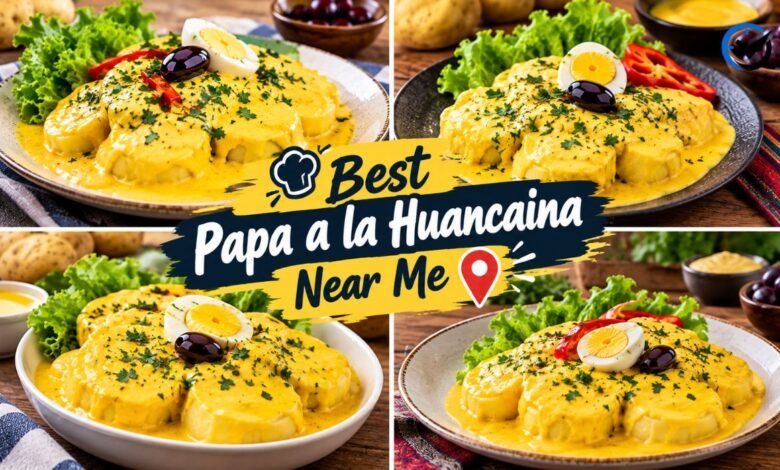
Few dishes capture the heart of Peruvian cooking as well as papa a la huancaina. This simple yet unforgettable plate combines boiled potatoes with a rich, golden sauce made from aji amarillo peppers, cheese, and a touch of milk or crackers for texture. If you have been searching for the best papa a la huancaina near me, you are likely craving something more than just food. You are looking for a taste of tradition, comfort, and a little bit of Peru on your plate. This article will walk you through everything you need to know about this beloved dish, how to find a great version of it wherever you live, what separates an average plate from an outstanding one, and why this humble potato dish has earned such a loyal following around the world.
What Exactly Is Papa a la Huancaina
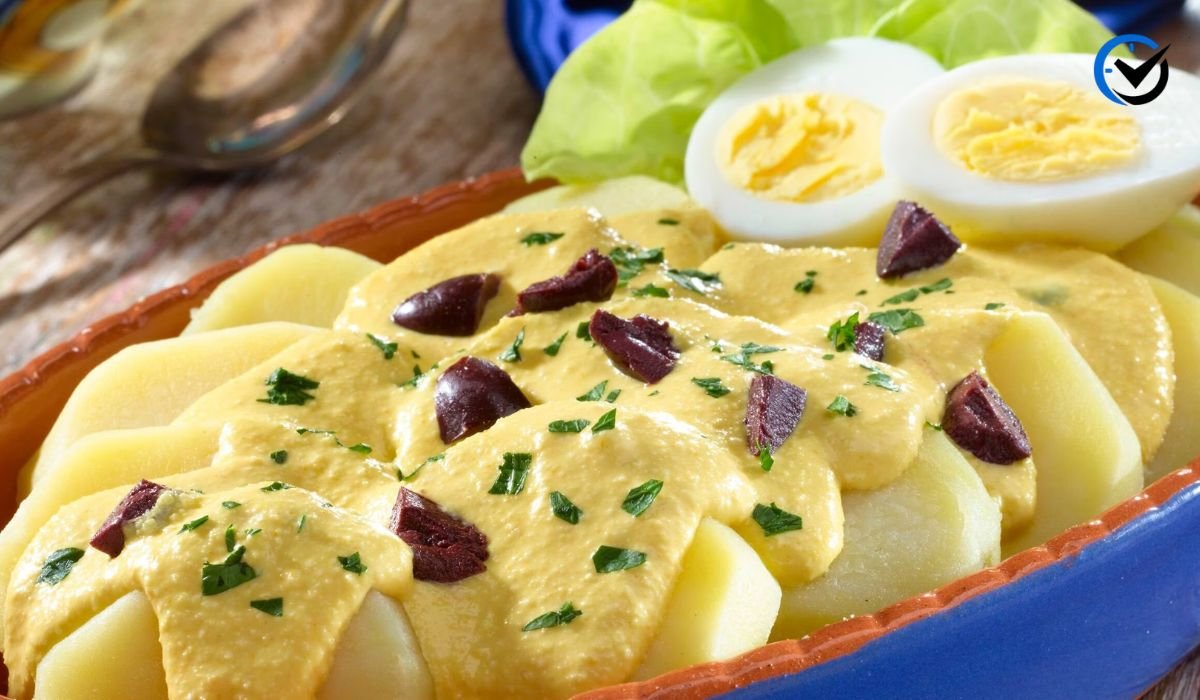
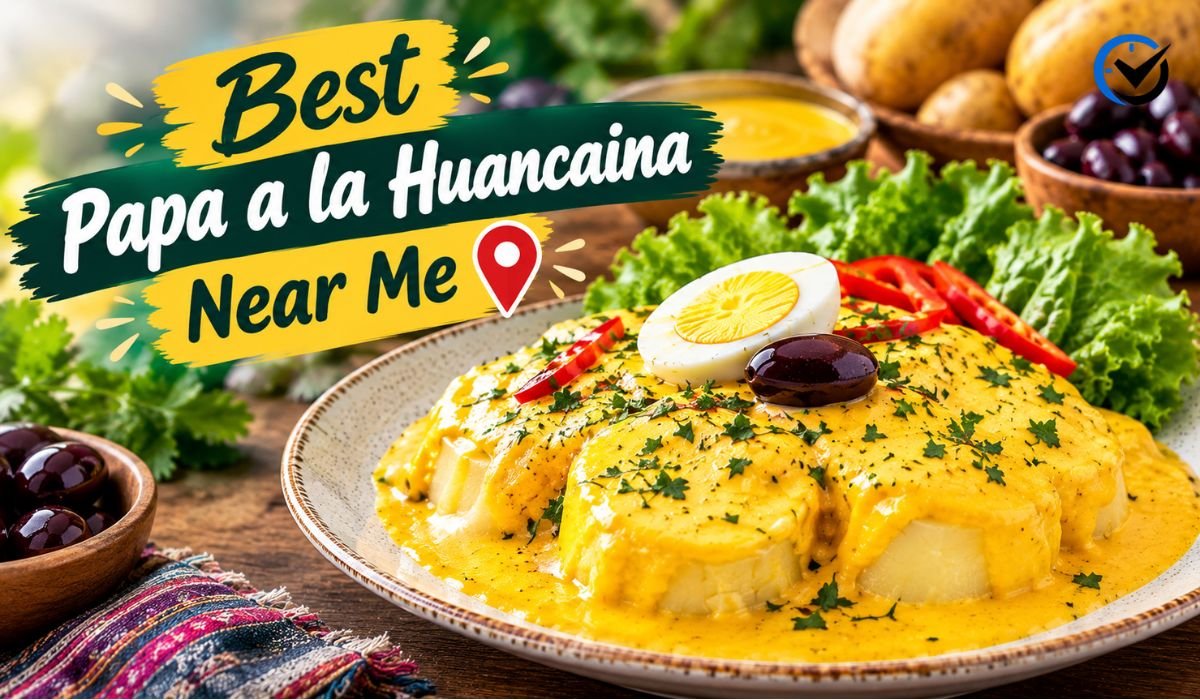
Papa a la huancaina is a cold appetizer that originated in the city of Huancayo, located in the central highlands of Peru. The dish is built around sliced boiled potatoes, typically the yellow variety, which are then covered generously with a creamy sauce made from aji amarillo, queso fresco, evaporated milk, and sometimes saltine crackers to thicken the mixture. The sauce is blended until smooth and poured over the potatoes while they are still warm or at room temperature, allowing the flavors to settle into every bite. A hard-boiled egg and a few black olives are often added on top, giving the dish a classic look that has remained largely unchanged for generations.
The Origins Behind This Peruvian Classic
The story behind papa a la huancaina is tied closely to the railway workers who once traveled through the Peruvian highlands during the construction of the central railway line. Local women from Huancayo would sell this potato dish to travelers passing through the region, which is how it earned its name. Over time, the recipe spread across Peru and eventually made its way into restaurants around the world. Understanding this background helps explain why the dish feels so personal and regional. It was never meant to be fancy. It was meant to be filling, flavorful, and easy to prepare for people who needed a quick and satisfying meal during long journeys.
Why This Dish Has Become So Popular Worldwide
As Peruvian cuisine has gained recognition on the global stage, papa a la huancaina has become one of the most requested starters at Peruvian restaurants everywhere. Part of its appeal lies in how approachable it is. Unlike some dishes that require an adventurous palate, this one offers a gentle heat and a creamy texture that appeals to a wide range of tastes. Another reason for its popularity is how well it pairs with other dishes. Many diners order it as a starter before moving on to ceviche or lomo saltado, making it a natural gateway into Peruvian food culture for newcomers who are still exploring the cuisine.
What Makes a Truly Great Version of This Dish
Not every plate labeled as papa a la huancaina delivers the same quality. The difference often comes down to the sauce. A great version uses real aji amarillo paste rather than a watered-down substitute, giving the sauce its signature golden color and mild, fruity heat. The texture should be smooth and pourable, never chunky or overly thick like a paste. The potatoes themselves matter as well. They should be cooked just enough to be tender without falling apart, and they should be sliced evenly so that each piece holds a fair share of sauce. When these elements come together properly, the dish tastes balanced rather than one-note.
Signs of an Authentic Kitchen Preparing It Right
When you are trying to find the best papa a la huancaina near me, there are a few signs that indicate a kitchen understands the dish. First, the sauce should taste fresh, not overly salty or artificially yellow from food coloring instead of real peppers. Second, the potatoes should be warm or at room temperature, since serving them ice cold can dull the flavor of the sauce. Third, a good kitchen usually garnishes the plate with a boiled egg and olive, which shows attention to the traditional presentation. These small details often separate restaurants that treat the dish as an afterthought from those that genuinely respect Peruvian culinary traditions.
How to Search for Local Options Effectively
Finding a great plate near your location does not have to be complicated. Searching online for Peruvian restaurants in your city is usually the fastest way to start, since papa a la huancaina almost always appears on the appetizer section of an authentic Peruvian menu. Reading recent customer reviews can also give you a clearer picture, especially when reviewers mention the dish by name and describe the sauce or presentation. Photos shared by other diners are another useful resource, allowing you to see the color and texture of the sauce before you even walk through the door. Taking a few extra minutes to research beforehand often leads to a much more satisfying meal.
The Role of Aji Amarillo in the Sauce
Aji amarillo is often described as the backbone of Peruvian cooking, and its importance in this dish cannot be overstated. This yellow-orange pepper has a fruity flavor with a moderate level of spice, quite different from the sharp heat of many other chili varieties. When blended into the sauce, it gives papa a la huancaina its distinctive color and gentle warmth. Restaurants that use fresh or high-quality frozen aji amarillo tend to produce a sauce with more depth and complexity compared to those relying on artificial flavoring. If you ever get the chance to taste the difference side by side, it becomes immediately clear why this pepper is treated as essential rather than optional.
Regional Variations You Might Encounter
While the core recipe remains fairly consistent, small variations exist depending on the region or the chef preparing it. Some versions include a bit of garlic or onion in the sauce for extra depth, while others keep the recipe minimal to let the pepper flavor stand out on its own. In certain restaurants, you might notice the dish served with lettuce leaves underneath the potatoes, adding a fresh crunch to the overall plate. Corn on the cob is another common addition in some households, placed alongside the potatoes as a traditional pairing. These small differences do not change the identity of the dish but do offer a bit of variety for those who order it often.
Vegetarian Friendly by Nature
One aspect that makes papa a la huancaina especially appealing is that it is naturally vegetarian, aside from the optional egg garnish. This makes it an easy choice for people dining with mixed groups where not everyone eats meat. Because the dish relies on potatoes, cheese, and peppers rather than animal protein as its main components, it fits comfortably into many dietary preferences without requiring special modifications. This inclusivity is part of why the dish appears so frequently on shared appetizer orders, since it tends to satisfy a wide range of guests at the same table.
Pairing Suggestions for a Complete Meal
If you are enjoying papa a la huancaina as a starter, it pairs beautifully with lighter main courses that will not overwhelm its creamy texture. Many diners follow it with a fresh ceviche, since the citrus and seafood create a nice contrast to the rich potato sauce. Others prefer to move on to a heartier plate like arroz con pollo or lomo saltado, allowing the appetizer to serve as a gentle introduction to bolder flavors. A cold glass of chicha morada, a traditional Peruvian purple corn drink, also complements the dish nicely, balancing the sauce’s richness with something refreshing and slightly sweet.
Common Mistakes Restaurants Make With This Dish
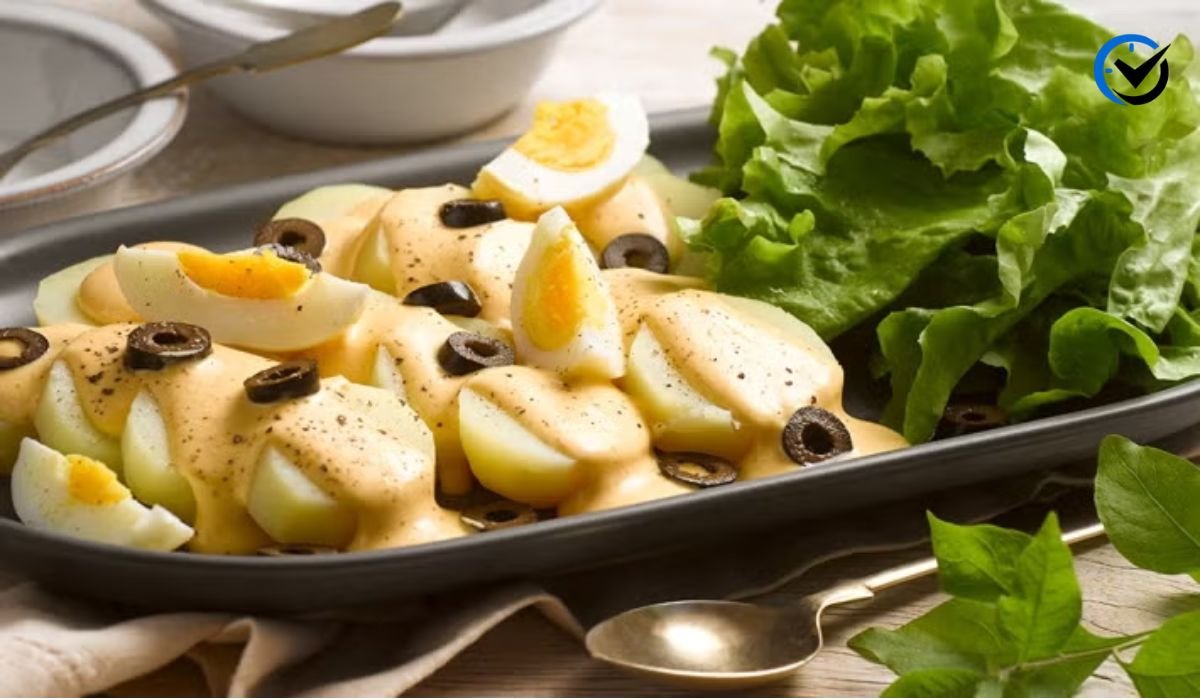
Even well-intentioned restaurants sometimes miss the mark on this classic plate. One frequent issue is an overly thick sauce that behaves more like a dip than a pourable topping, which throws off the balance between potato and sauce in each bite. Another common mistake is using too much cheese, which can mute the pepper flavor and make the dish taste heavier than intended. Some kitchens also skip the traditional garnishes entirely, serving plain potatoes with sauce and nothing else, which can feel incomplete to diners who are familiar with the authentic presentation. Recognizing these missteps can help you appreciate a well-made version even more when you finally find one.
How to Tell If a Restaurant Takes Peruvian Food Seriously
Beyond the dish itself, there are broader signs that a restaurant handles Peruvian cuisine with care. A varied menu that includes other regional staples such as causa, anticuchos, or aji de gallina often suggests a kitchen with genuine expertise rather than one relying on a single popular dish. Staff who can explain the ingredients or origin of a dish when asked also indicate a deeper connection to the cuisine. Consistency across visits matters too, since a restaurant that delivers the same quality every time is more likely to be following an authentic, well-practiced recipe rather than improvising.
Making It at Home as an Alternative
For those who cannot easily find a restaurant nearby, preparing this dish at home is a realistic option. The ingredients, aside from aji amarillo paste, are widely available in most grocery stores, and the paste itself can often be found in Latin American markets or ordered online. The process involves boiling potatoes until tender, blending the sauce ingredients together, and assembling the plate with the traditional garnishes. While nothing quite replaces the experience of eating at a dedicated Peruvian restaurant, a homemade version can be a satisfying substitute, especially for those who enjoy experimenting in the kitchen.
Why Presentation Still Matters
Although papa a la huancaina is a humble dish at its core, presentation plays a real role in the overall dining experience. A plate arranged with care, showing evenly sliced potatoes, a smooth pour of sauce, and neatly placed garnishes, signals that the kitchen values the dish as much as its more famous counterparts like ceviche. This attention to detail often reflects the same care that goes into the flavor itself. Diners frequently notice this connection, associating a well-presented plate with a more enjoyable and memorable meal overall.
The Growing Popularity of Peruvian Appetizers
Peruvian cuisine as a whole has seen a significant rise in global interest over the past decade, and appetizers like papa a la huancaina have played a meaningful role in that growth. As more people become curious about South American flavors, dishes that are approachable yet distinct tend to lead the way. This particular dish offers just enough familiarity, since potatoes and creamy sauces are common comfort foods across many cultures, while still introducing something new through the use of aji amarillo. This balance of comfort and discovery is likely a major reason it continues to gain fans in cities far from its Andean origins.
What to Expect When Ordering at a Restaurant
When you order this dish at a restaurant, you can typically expect a modest but satisfying portion meant to be shared or enjoyed as a light starter. The plate usually arrives cold or slightly warm, with the sauce already poured over the potatoes rather than served separately on the side. Bread is sometimes offered alongside it, which many diners use to scoop up any extra sauce left on the plate. Portion sizes and exact presentation can vary from one restaurant to another, but the core experience of creamy, mildly spicy potatoes remains consistent across most kitchens that prepare it properly.
How Seasonality Can Affect Quality
Interestingly, the quality of this dish can shift slightly depending on the season, particularly when it comes to the freshness of the aji amarillo peppers used. Restaurants that source their peppers fresh rather than relying solely on frozen or jarred versions may notice subtle differences in flavor throughout the year. While this is not something most casual diners will detect, food enthusiasts who order the dish frequently sometimes notice these small variations. It serves as a reminder that even a seemingly simple recipe can carry layers of nuance depending on ingredient sourcing and preparation methods.
Why This Dish Works So Well for Newcomers to Peruvian Food
For anyone new to Peruvian cuisine, papa a la huancaina often serves as the perfect entry point. It does not require adjusting to unfamiliar textures or intense spice levels, making it far less intimidating than some other regional specialties. At the same time, it introduces diners to aji amarillo, one of the most important ingredients in Peruvian cooking, in a gentle and approachable way. Restaurants often recommend this dish to first-time visitors for exactly this reason, using it as a bridge that eases newcomers into bolder flavors found elsewhere on the menu.
Supporting Local and Authentic Restaurants
Choosing to dine at smaller, family-run Peruvian restaurants rather than larger chains can often lead to a more authentic experience with this dish. Many of these smaller establishments are run by families who have passed recipes down through generations, preserving techniques that larger operations sometimes simplify for efficiency. Supporting these local businesses not only tends to result in better food but also helps keep traditional cooking methods alive within immigrant communities who have brought their culinary heritage to new countries. This connection between food and cultural preservation adds another layer of meaning to something as simple as ordering an appetizer.
Final Thoughts
Papa a la huancaina may look like a simple plate of potatoes and sauce, but it carries a rich history and a level of craftsmanship that becomes obvious once you taste a well-made version. Whether you are dining out or attempting to recreate it at home, understanding what goes into a quality preparation helps you appreciate the dish on a deeper level. The next time you search for the best papa a la huancaina near me, you will know exactly what signs to look for, from the color and texture of the sauce to the freshness of the ingredients and the care taken in presentation. Good food often lies in the details, and this dish is a perfect example of how a few thoughtful ingredients can create something truly memorable.
Frequently Asked Questions
1. What does papa a la huancaina taste like?
The dish has a creamy, slightly spicy flavor with a mild tanginess from the cheese and a subtle sweetness from the aji amarillo pepper. The overall taste is rich but not overwhelming, making it enjoyable even for people who are cautious about spicy food.
2. Is papa a la huancaina served hot or cold?
It is traditionally served at room temperature or slightly warm, never piping hot. The potatoes are boiled first, then allowed to cool slightly before the sauce is poured over them, which helps the flavors settle nicely.
3. Can I find this dish at any Peruvian restaurant?
Most authentic Peruvian restaurants include it on their appetizer menu, since it is considered one of the country’s most iconic starters. However, quality can vary, so checking reviews or photos beforehand can help you choose a restaurant that prepares it well.
4. Is papa a la huancaina spicy?
The spice level is generally mild to moderate, depending on how much aji amarillo is used in the sauce. It offers warmth rather than intense heat, making it approachable for most diners, including those who are sensitive to spicy food.
5. What type of potato works best for this recipe?
Yellow potatoes are the traditional choice because of their firm texture and slightly buttery flavor, which holds up well against the rich sauce. Other potato varieties can be used as substitutes, though the texture may differ slightly.
6. Can this dish be made without dairy?
Traditional recipes rely on cheese and milk for the sauce’s creamy texture, so making a fully dairy free version requires substitutions that may change the flavor. Some modern adaptations use plant based alternatives, though this is not the classic preparation.
7. Why is it called huancaina?
The name comes from the city of Huancayo in Peru, where the dish is believed to have originated among local vendors serving travelers along the central railway line during the country’s railway expansion.
8. Is papa a la huancaina the same as causa?
No, these are two different Peruvian dishes. Causa is made from mashed, seasoned potatoes layered with fillings like chicken or avocado, while papa a la huancaina features sliced boiled potatoes covered in a creamy pepper sauce.
9. Can I order this dish as a main course instead of a starter?
While it is traditionally served as an appetizer, some restaurants offer larger portions that can be enjoyed as a light main course, especially for diners looking for a smaller or vegetarian meal option.
10. What should I look for to judge quality when ordering it?
Pay attention to the sauce’s color and consistency, the freshness of the potatoes, and whether traditional garnishes like egg and olives are included. These details often indicate whether a restaurant is preparing the dish with genuine care and authenticity.
Recommended: Country That Starts With O: Complete List & Fun Facts (2026)


One Comment