

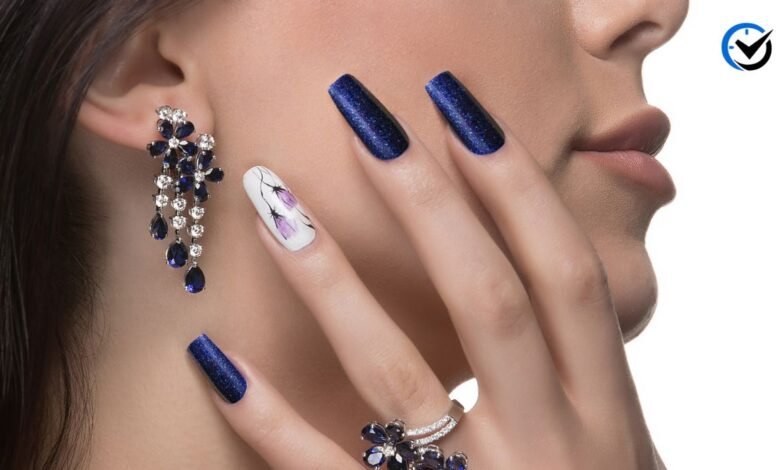
Unfamiliar words can be difficult to understand when they appear online without context. Pentikioyr is one such term. Its unusual spelling can make it look like a newly created concept, a cultural expression, or the name of a particular practice. However, research into the term points to a much more practical explanation. The spelling is closely associated with the Greek word πεντικιούρ, which refers to a pedicure. In other words, it is connected with the cosmetic care of the feet and toenails. At the same time, several websites have recently assigned completely different meanings to the term, including ideas about culture, creativity, personal growth, and five-stage systems. Those interpretations should be treated carefully because there is no strong evidence that they represent an established historical definition. Understanding the language behind the word helps explain why confusion exists and what readers should actually know when they encounter it.
What Does Pentikioyr Mean?
The most credible interpretation connects the term with the Greek word πεντικιούρ, meaning pedicure. A pedicure is a cosmetic treatment focused mainly on the feet and toenails. Depending on the service, it can involve cleaning, shaping, trimming, moisturizing, exfoliating the skin, and applying nail polish. The Greek spelling is not an English word, so when it is represented using Latin letters, several spellings can appear. Pentikioyr is one of the forms that may be encountered online. This explains why the term can seem unfamiliar to English-speaking readers even though the underlying beauty treatment is widely known around the world.
Why Does the Spelling Look Unusual?
The unusual appearance comes largely from transliteration. Transliteration means representing words from one writing system using the letters of another. Greek is normally written with its own alphabet, while international websites commonly use the Latin alphabet. There is not always one universal way to represent every Greek word in Latin letters, especially in informal online writing. Keyboard habits, pronunciation, personal preferences, and platform conventions can all affect spelling. As a result, a Greek beauty term may appear in several slightly different forms. Someone who encounters Pentikioyr without seeing the original Greek word may reasonably assume that it is a separate English concept.
The Connection With Pedicure
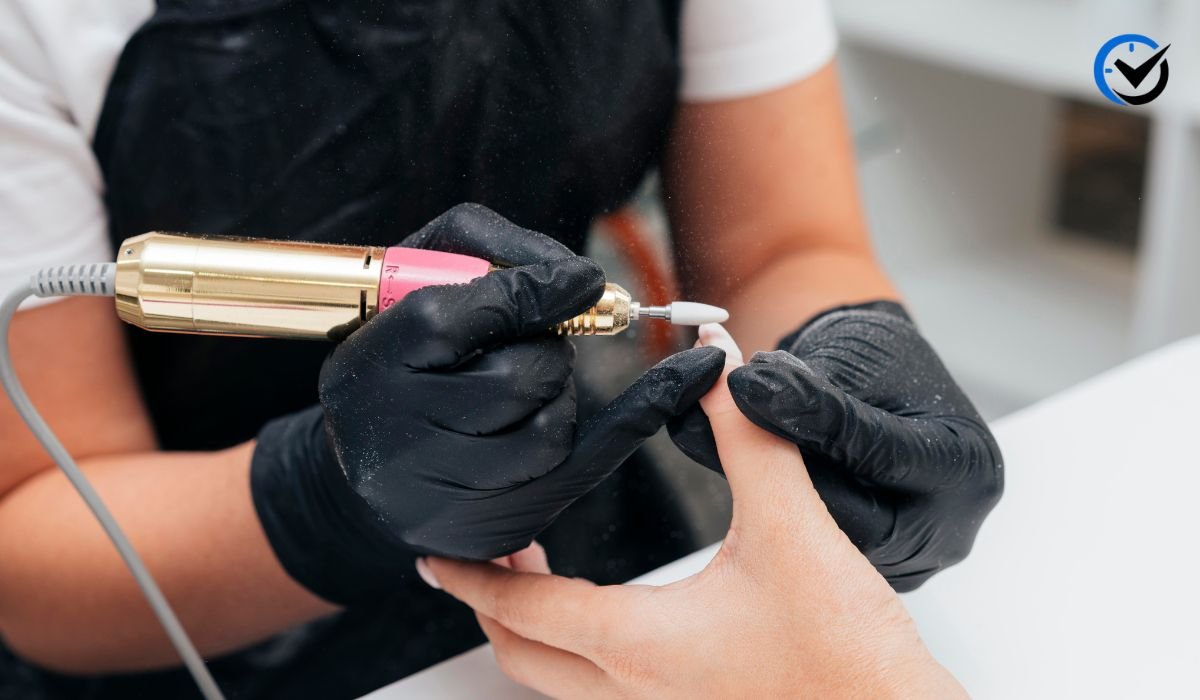
A pedicure is one of the clearest areas where the term makes sense. The treatment is designed to improve the appearance and general condition of the feet and toenails through cosmetic care. A basic appointment may include soaking or cleansing the feet, trimming and shaping toenails, gently working on rough skin, moisturizing, and finishing the nails. More elaborate services can include massage, exfoliation, polish, or other spa-style treatments. The exact procedure varies between salons and countries, so the word should not be understood as describing one fixed package everywhere.
A Brief History of Pedicure Practices
Foot care itself is much older than the modern salon industry. People in different civilizations have cared for their feet for practical, hygienic, and cosmetic reasons for centuries. However, it would be inaccurate to claim that every ancient foot-care practice was the same as a modern pedicure. Contemporary salon pedicures developed through changing beauty standards, personal grooming habits, professional services, and improvements in cosmetic products. The Greek term is therefore best understood as part of the modern language of beauty care rather than evidence of a mysterious ancient system.
How Greek Influences the Term
Greek has adopted many international words and adapted them to its own pronunciation and writing system. The word for pedicure is an example of this process. Its Greek form represents a familiar international beauty treatment within the structure of the Greek language. When that word is converted back into Latin letters, its appearance can change significantly. This is an important distinction because the strange spelling does not necessarily indicate a separate practice. It may simply reflect how a familiar word is written outside its original alphabet.
Why Online Sources Give Different Meanings
Search results can create confusion when several websites repeat different explanations of an unusual term. Some recent pages describe Pentikioyr as a cultural philosophy, a five-stage framework, a creative method, or a symbolic idea connected with community and identity. These descriptions may sound detailed, but detail alone does not make a claim historically or linguistically established. When researching an unfamiliar word, readers should look for evidence from dictionaries, established language resources, academic material, or clear primary sources. Without that support, an imaginative interpretation should remain an interpretation rather than being presented as fact.
Is It a Five-Part Philosophy?
There is insufficient reliable evidence to establish Pentikioyr as an ancient five-part philosophy or recognized historical framework. Some online explanations appear to connect the beginning of the word with the Greek element associated with five and then build a larger theory around that observation. That does not, by itself, establish the meaning of the complete word. Similar-looking word parts can easily lead to false etymologies when they are interpreted without linguistic evidence. For this reason, claims about a five-stage philosophy should be treated as modern online interpretations unless stronger documentation becomes available.
What a Standard Pedicure Usually Includes
A conventional pedicure focuses on basic foot and toenail grooming. A professional may clean the feet, shape the nails, remove surface debris, moisturize dry skin, and provide a cosmetic finish. Some services also include gentle exfoliation and massage. Nail polish can be added according to the customer’s preference. The service is primarily cosmetic, although regular attention to the feet can help people notice changes such as unusual nail color, swelling, cracked skin, or irritation. A salon worker, however, is not a substitute for a medical professional when a foot problem requires diagnosis or treatment.
Different Types of Modern Foot Care
Not every pedicure is performed in the same way. A basic salon service may concentrate on cleaning and nail grooming, while a spa version may add exfoliation, massage, masks, or extended relaxation treatments. Some salons offer waterless or dry services that reduce or eliminate soaking. At-home pedicures provide another option for people who prefer simple grooming in their own space. There are also specialist foot-care services for situations that require professional medical attention. These should not automatically be grouped together with ordinary cosmetic treatments because their goals and professional requirements are different.
Pentikioyr and Everyday Self-Care
When understood through its documented connection with pedicure, the term fits naturally into the broader subject of personal grooming and self-care. Looking after the feet can be useful because they experience constant pressure from walking, standing, footwear, and daily activity. Simple care can include washing the feet, drying them properly, keeping toenails at a reasonable length, and using moisturizer when the skin becomes dry. Cosmetic treatments can add polish and relaxation, but good everyday hygiene remains more important than appearance alone.
Choosing a Safe Salon Treatment
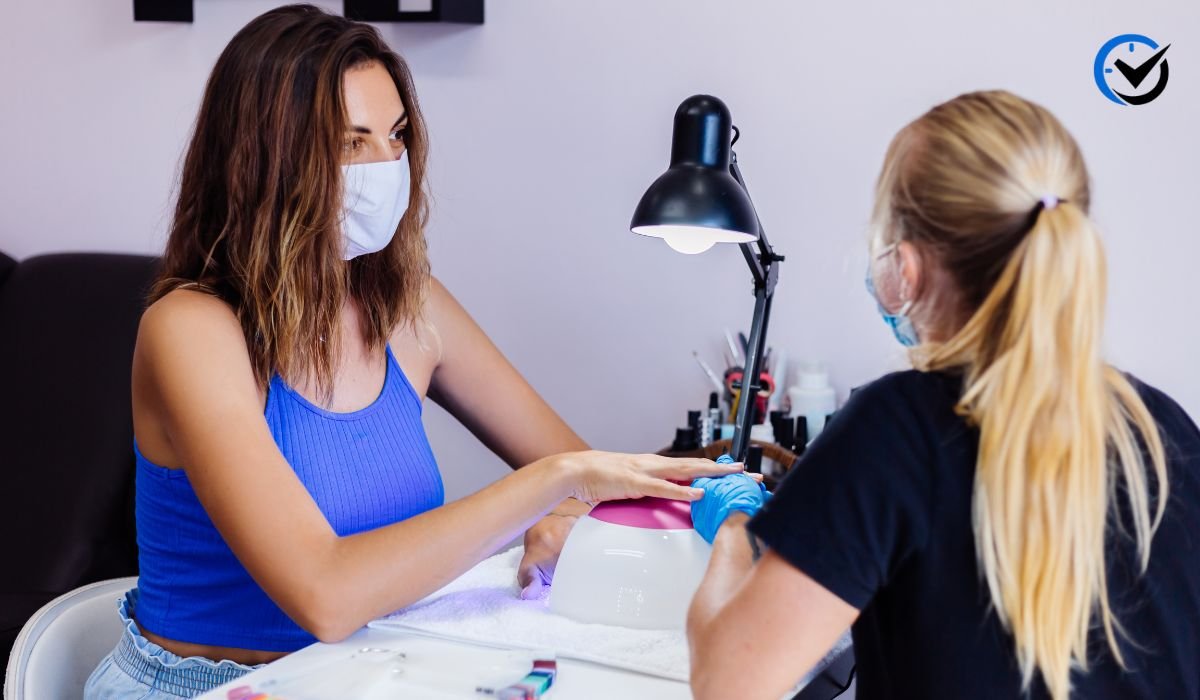
Cleanliness should be one of the first things to consider when selecting a salon for a pedicure. Instruments should be properly cleaned and disinfected between customers, work surfaces should be maintained, and foot baths should receive appropriate cleaning. A customer should also feel comfortable asking how tools and equipment are handled. Cutting skin aggressively or causing small injuries can create unnecessary problems. A professional service should focus on careful grooming rather than making the treatment painful. If a salon appears unhygienic, choosing another provider is a sensible precaution.
When Cosmetic Care Is Not Enough
A pedicure is intended for cosmetic care, not for diagnosing or treating medical conditions. Persistent pain, unexplained swelling, significant redness, wounds, unusual discharge, or suspected infection should receive appropriate medical attention. People with conditions that affect circulation, sensation, wound healing, or foot health may also need individual guidance before receiving certain cosmetic treatments. The important distinction is simple: a salon treatment can support grooming, but medical concerns belong with an appropriately qualified healthcare professional.
At-Home Foot Care
People do not need a professional appointment for every aspect of foot care. At home, basic maintenance can include washing and drying the feet, trimming toenails carefully, moisturizing dry areas, and keeping personal grooming tools clean. Nail polish can be applied after the nails have been prepared. It is better to avoid aggressive cutting or scraping because damaging healthy skin can create avoidable problems. A simple routine performed consistently is often more useful than an elaborate treatment performed only occasionally.
Pentikioyr and Modern Beauty Culture
Beauty treatments increasingly cross language and cultural boundaries. A service that begins with a local or national term can become familiar internationally through travel, social media, online shopping, beauty influencers, and multilingual websites. This is one reason unusual spellings can appear in searches even when the underlying service is ordinary. The development also shows how language changes online. People do not always use formal dictionary spellings when communicating across languages, and a transliterated form can become recognizable to a particular group without becoming standard English.
Why Context Matters When Researching the Term
Context is especially important with uncommon words. If Pentikioyr appears beside terms such as nails, feet, polish, salon, manicure, or spa, the pedicure interpretation is strongly supported by the surrounding information. If it appears on a website discussing an unrelated creative project, it may simply be a coined name or label. The safest approach is therefore not to force one meaning onto every occurrence. Readers should examine where the word appears, how it is being used, and whether the claimed definition is supported by credible evidence.
Common Misunderstandings About Its Origins
One common mistake is assuming that an unusual word must have an equally unusual historical story. Another is creating an etymology from individual-looking pieces of the spelling without checking the complete word in its original language. Both approaches can produce attractive but unsupported explanations. The available evidence gives a much simpler route: the term is associated with the Greek form of “pedicure.” Claims that it represents an ancient ritual, secret philosophy, or established cultural framework require substantially stronger evidence than has currently been demonstrated in reliable sources.
How the Term May Be Used in Online Content
Online, the spelling may appear because someone is searching for or discussing Greek terminology connected with beauty services. It may also be used as a transliterated label by a business, content creator, or individual. In other cases, websites may reuse previous explanations and gradually create a false sense of consensus. Repetition across websites does not necessarily prove that a claim is historically accurate. This is particularly important for obscure terms because a small number of copied articles can make an unsupported explanation appear widespread.
Understanding the Difference Between Language and Interpretation
There is an important difference between what a word means in a documented language context and what someone chooses to associate with it. A person can use an unusual term creatively and give it a personal meaning. That use can be valid within that person’s project, community, or brand. It does not automatically change the established meaning of the original word. Keeping those two levels separate makes research much clearer. In the case of Pentikioyr, the Greek connection to pedicure has a stronger linguistic basis than the newer philosophical and cultural explanations found on some websites.
What Readers Should Take Away
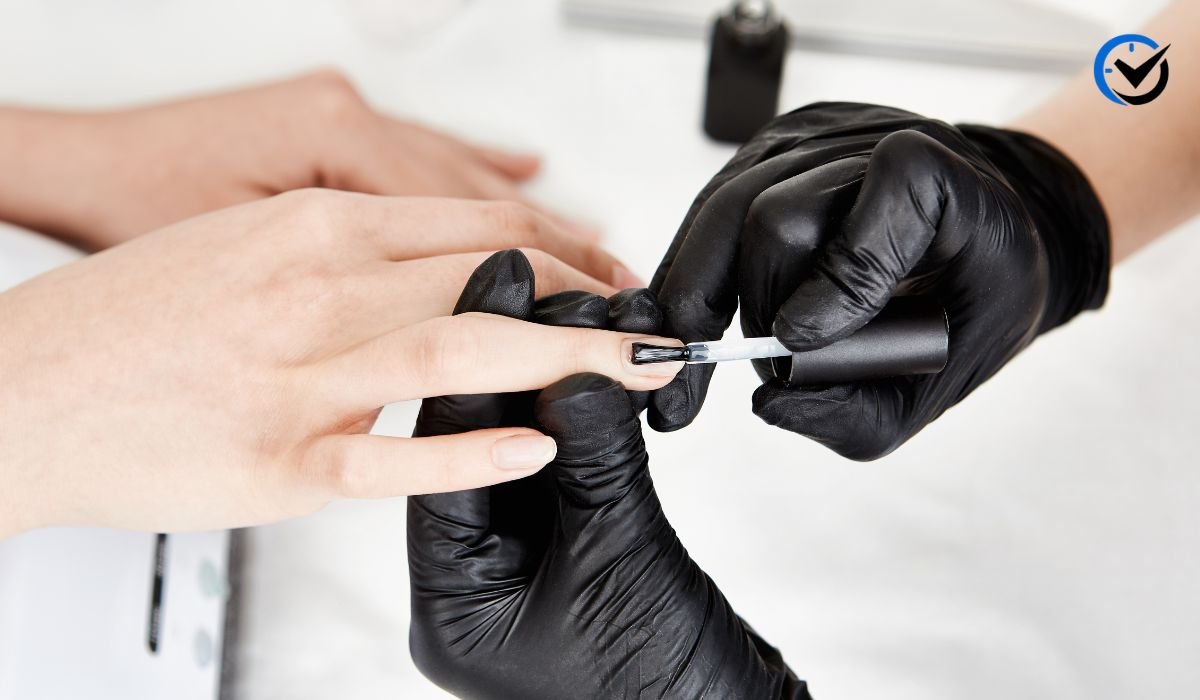
The most useful conclusion is that Pentikioyr should not automatically be treated as a mysterious ancient concept. Its strongest documented connection is with the Greek word for pedicure, a familiar cosmetic treatment involving the feet and toenails. The unusual Latin spelling can be explained through transliteration and informal online usage. Meanwhile, other interpretations involving five-stage systems, cultural philosophy, or personal development appear to be modern constructions without enough reliable evidence to establish them as historical meanings. Recognizing that difference helps readers avoid confusion while still leaving room for the term to develop new uses in the future.
Final Thoughts
Pentikioyr is a good example of how unfamiliar spellings can create unnecessary mystery around an otherwise familiar idea. The strongest available linguistic explanation connects the term with the Greek word for pedicure, while several alternative meanings circulating online appear to be newer interpretations rather than established history. Understanding transliteration, checking context, and separating documented language from speculation are therefore essential when researching the term. For readers encountering the word in a beauty or Greek-language setting, its connection with foot and toenail care provides the clearest explanation. As online usage continues to change, new meanings may appear, but they should be distinguished from the documented meaning rather than presented as historical fact.
Frequently Asked Questions
1. What does Pentikioyr mean?
Pentikioyr is most credibly connected with the Greek word πεντικιούρ, which means pedicure. In that context, it refers to cosmetic care of the feet and toenails. The unusual spelling comes from representing a Greek word with Latin letters.
2. Is Pentikioyr an English word?
It is not a commonly established English dictionary word. It is better understood as a Latin-script representation associated with Greek terminology. Its appearance online does not mean that it has become a standard English expression.
3. Is Pentikioyr related to pedicures?
Yes. The strongest linguistic connection is to pedicure. A pedicure generally involves cosmetic care such as cleaning, trimming, shaping, moisturizing, and sometimes polishing the toenails.
4. Why are there different meanings for Pentikioyr online?
The term is uncommon, and some websites have created or repeated alternative explanations. These include cultural, creative, philosophical, and five-stage interpretations. Those explanations should not be treated as established definitions without reliable supporting evidence.
5. Does Pentikioyr come from an ancient Greek ritual?
There is not enough reliable evidence to support that claim. The documented Greek connection is to the modern word for pedicure. Claims about an ancient ritual require historical and linguistic evidence that is currently lacking.
6. Does the word refer to five different stages?
Some online articles make that association, apparently based partly on the appearance of a Greek element associated with five. However, there is no strong evidence that the complete term represents a universally recognized five-stage system.
7. What happens during a normal pedicure?
A typical pedicure may involve cleaning the feet, trimming and shaping toenails, caring for dry skin, moisturizing, and applying polish if requested. The exact service varies by salon and treatment package.
8. Can a pedicure improve foot health?
A cosmetic pedicure can support basic grooming and help people notice changes in their feet, but it is not medical treatment. Persistent pain, wounds, infections, or other concerning symptoms should be assessed by a qualified healthcare professional.
9. Is it safe to have a pedicure at home?
Basic home grooming can be safe when performed carefully with clean personal tools. People should avoid aggressive cutting, scraping, or actions that break healthy skin. Extra caution is appropriate for anyone with an underlying condition that affects foot health or healing.
10. Why is Pentikioyr difficult to understand?
The main difficulty is its unusual spelling and the conflicting explanations found online. Once the connection with the Greek word πεντικιούρ is recognized, the most practical meaning becomes much clearer. Readers should still examine context before assuming that every online use has the same meaning.
Recommended: Amazon Alexa Business: How Voice Technology Is Transforming Modern Workplaces





One Comment