
Nothing disrupts a quiet evening at home like a furnace that won’t kick on or an air conditioner blowing warm air instead of cool. These moments catch homeowners off guard, usually at the worst possible time. The good news? Most HVAC problems give off warning signs long before a full breakdown occurs.
Recognizing these signals early can mean the difference between a simple fix and an expensive emergency replacement. This guide walks through the most common red flags your heating and cooling system will throw at you, why they matter, and what to do about them before they turn into bigger headaches.
Why HVAC Problems Shouldn’t Wait
A struggling HVAC system rarely fixes itself. Small issues like a dirty filter or a loose electrical connection tend to snowball into compressor failures, cracked heat exchangers, or complete system shutdowns. Beyond the inconvenience, a failing system also works harder to do its job, which drives up utility bills and shortens the lifespan of expensive components.
Catching problems early protects your wallet in two ways: smaller repair costs now, and fewer premature replacements down the road. That’s why paying attention to the signs below matters so much.
Strange Noises Coming From Your System
A healthy HVAC system should run quietly in the background. If you start hearing banging, rattling, squealing, or grinding sounds, something inside the unit needs attention.
- Banging or clanking often points to a loose or broken part inside the blower or compressor.
- Squealing can indicate a worn belt or motor bearing issue.
- Hissing frequently signals a refrigerant leak, which should be addressed immediately since refrigerant exposure can be harmful.
Ignoring these noises typically allows minor wear to progress into major component failure.
Inconsistent Temperatures Throughout the House
Does one room feel like a sauna while another feels like a walk-in cooler? Uneven heating and cooling usually points to ductwork problems, a failing thermostat, or a system that’s been incorrectly sized for your home.
Older homes with original ductwork are especially prone to leaks and blockages that prevent air from circulating properly. If adjusting the thermostat doesn’t solve the problem within a reasonable time, it’s worth having a technician inspect the ducts and airflow throughout the home.
Rising Energy Bills Without a Clear Explanation
Utility costs naturally shift with the seasons, but a sudden spike with no obvious cause (no major temperature swings, no new appliances, no extended system use) often means your HVAC unit is working harder than it should.
Common culprits include:
- Dirty or clogged air filters restricting airflow
- Leaky ductwork forcing the system to compensate for lost air
- Aging components that have lost efficiency over time
A system in good working order shouldn’t cause unexplained jumps in your monthly bill.
Frequent Cycling On and Off
Short cycling, when a system turns on and off more frequently than normal, puts unnecessary strain on internal components and shortens the unit’s overall lifespan. This can stem from a malfunctioning thermostat, an oversized unit, or a buildup of dirt and debris restricting airflow.
If you notice your system cycling far more often than it used to, it’s a strong signal that something needs a closer look before the issue worsens.
Poor Indoor Air Quality
HVAC systems don’t just regulate temperature, they filter and circulate the air throughout your home. When something goes wrong, you may notice more dust accumulating on surfaces, stale or musty odors, or an uptick in allergy symptoms among household members.
These symptoms often trace back to a dirty filter, mold growth inside the ductwork, or a malfunctioning component that’s no longer filtering air effectively. Left unaddressed, poor air quality can affect comfort and health over time.
What To Do When You Spot These Warning Signs
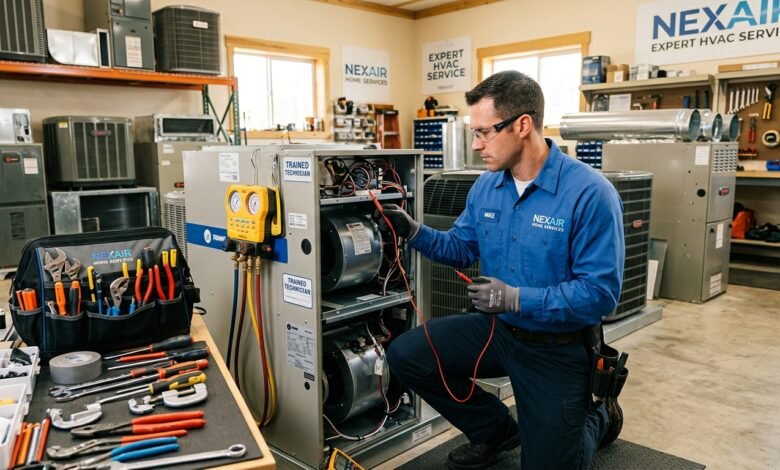
Reliable comfort starts with catching small issues before they become costly emergencies, and scheduling hvac repair at the first sign of trouble keeps your system running efficiently for years to come. Our technicians at NexAir Home Services specialize in diagnosing these exact problems quickly, so you’re not left guessing or waiting in discomfort while a minor issue grows into a major one.
Our team arrives equipped to handle everything from strange noises and uneven temperatures to efficiency issues driving up your energy bills. We take the time to explain exactly what’s going on with your system and walk you through the most practical, cost-effective path forward, whether that’s a targeted repair or a longer-term solution.
Keep Your Home Comfortable Year-Round
A well-maintained HVAC system is one of the quiet workhorses of a comfortable home. Paying attention to warning signs, like unusual noises, inconsistent temperatures, rising bills, frequent cycling, and air quality changes, gives you the chance to address problems before they escalate into costly breakdowns.
If any of these signs sound familiar, don’t wait for the problem to get worse. Reach out to our team to schedule a diagnostic visit, and let us help restore comfort and efficiency to your home.
Frequently Asked Questions
How often should an HVAC system be inspected?
Most manufacturers and technicians recommend a professional inspection at least once a year, ideally before the start of the heating or cooling season, to catch minor issues before they escalate.
Can a dirty air filter really cause major HVAC problems?
Yes. A clogged filter restricts airflow, forcing your system to work harder. Over time, this added strain can lead to overheating, reduced efficiency, and even component failure.
Is it better to repair or replace an aging HVAC system?
This depends on the age of your unit, the cost of the repair, and how frequently issues have occurred. A technician can help weigh these factors and recommend the most cost-effective option for your situation.
How quickly can a technician respond to a system breakdown?
Response times vary depending on availability and location, but prompt scheduling for diagnostic visits helps minimize downtime and discomfort.