

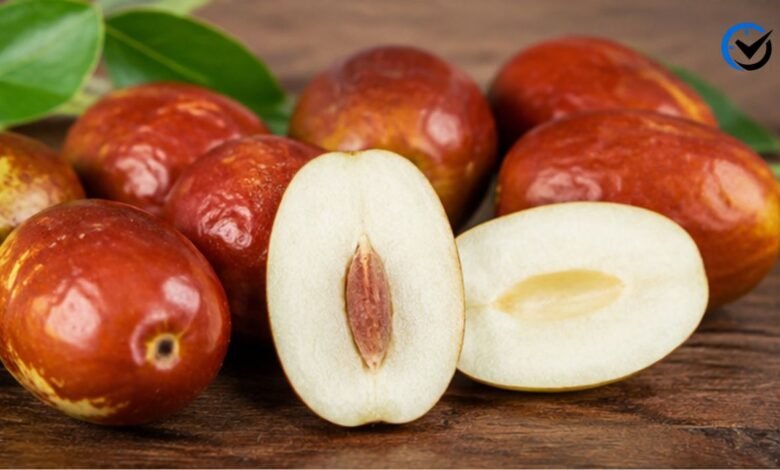
Žižole is a name used for jujube, a fruit that has been enjoyed across Asia and the Mediterranean for centuries. Botanically, the cultivated Chinese jujube is Ziziphus jujuba, a fruit tree valued for its ability to produce crisp, sweet fruit and tolerate warm, relatively dry conditions. A fresh one may look like a date but taste closer to a crisp apple, while a mature or dried one becomes softer, sweeter, and more date-like. This change is one of the most interesting things about jujube and helps explain why it appears in both fresh-fruit markets and traditional dried foods.
What Is Žižole?
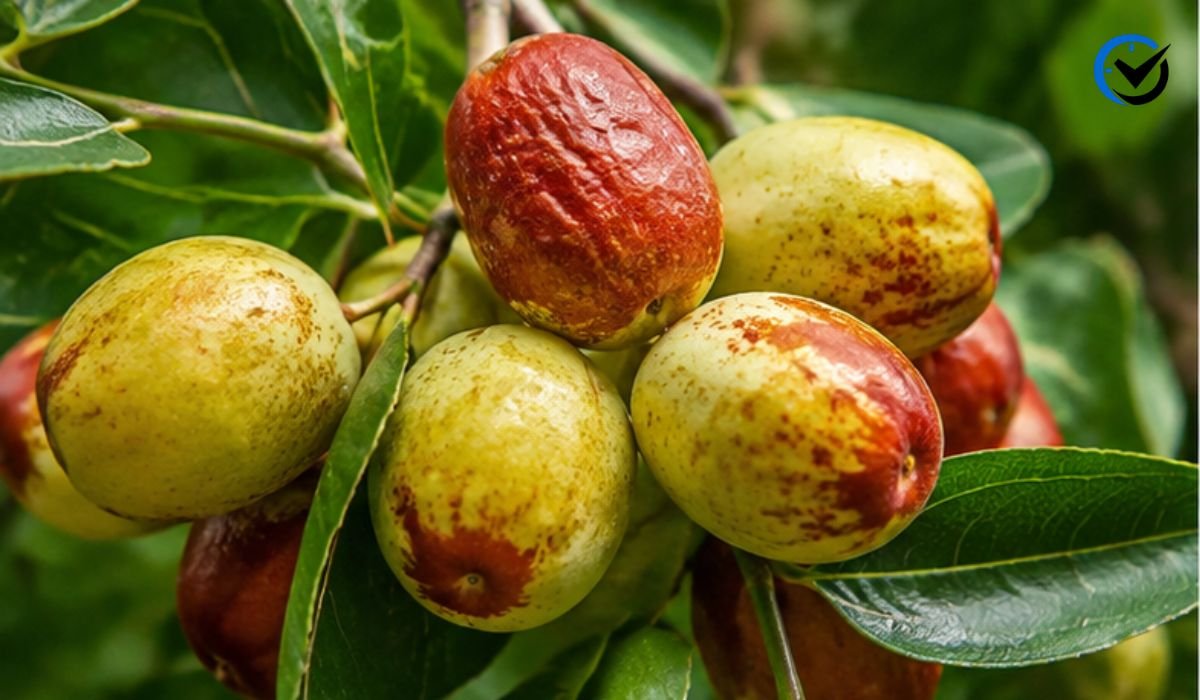
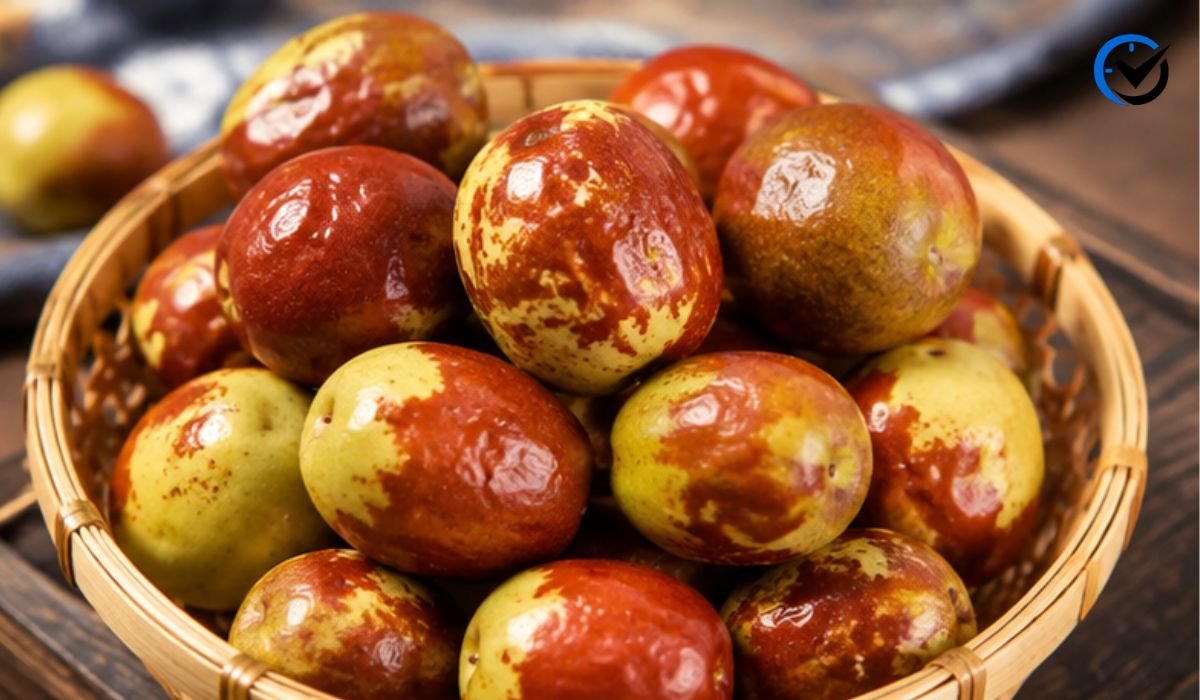
The fruit comes from a deciduous tree in the buckthorn family. Depending on the cultivar and growing conditions, the fruit can vary considerably in size and shape, ranging from round or oval forms to fruits that resemble small apples or dates. Its thin skin changes color as it matures, commonly moving from green to yellow-green and then reddish-brown. Inside is firm, pale flesh surrounding a hard central stone. Cultivated varieties can be much larger than wild forms, so the appearance of one fruit should not be taken as a standard for every variety.
Where Does It Come From?
Chinese jujube has a very long history in cultivation and is associated with China, where it has been grown for thousands of years. From there, it spread through parts of Asia, the Middle East, Europe, and other warm regions. Today, different jujube species and cultivars are grown in many countries, including areas with hot or semi-arid climates. The tree’s drought tolerance has also made it useful in places where some conventional fruit crops can struggle. In Pakistan, several Ziziphus species are grown or gathered, although the local jujube landscape includes more than one species, so names can vary by region.
What Does It Taste Like?
The flavor depends strongly on ripeness. A fresh green or yellow-green fruit is usually crisp, juicy, and mildly sweet, with a tart edge and an apple-like character. Some people notice a faint floral or nutty quality, but the simplest comparison is a small, sweet apple with a firmer bite. As the fruit turns brown and begins to soften, the texture changes and the flavor becomes deeper. At that stage, it can taste more like a date, with a richer sweetness and less of the fresh, bright character found in an unripe fruit.
Why Ripeness Matters
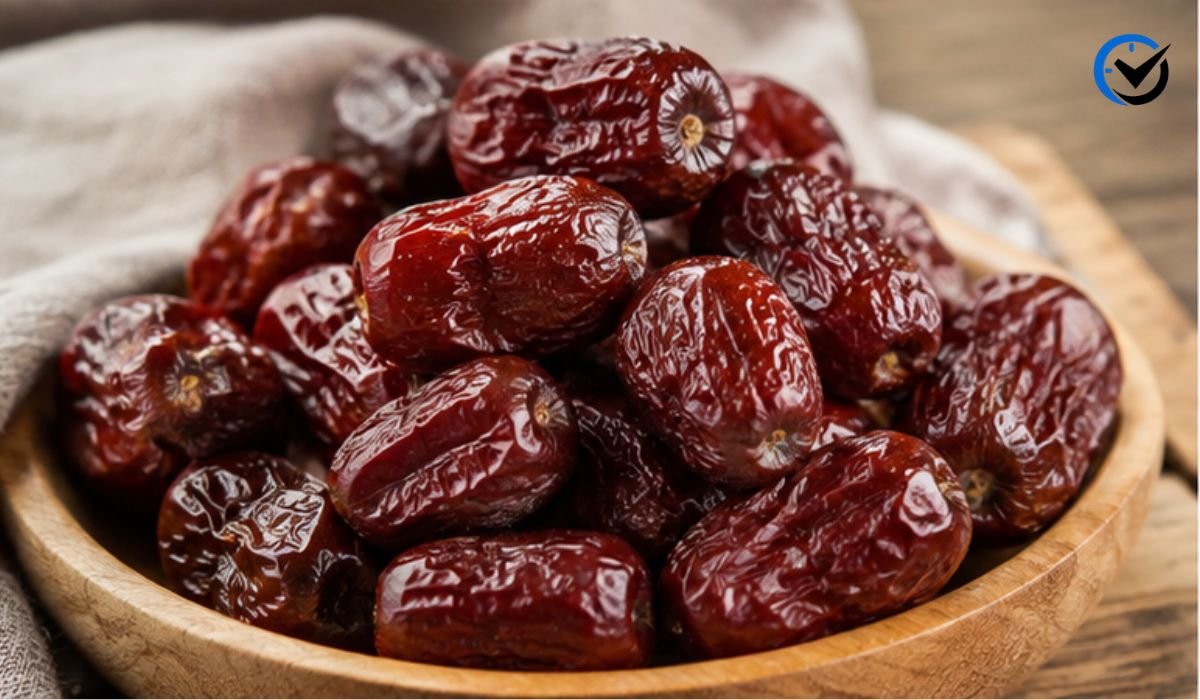
Ripeness is especially important with this fruit because the eating experience can change within a short period. Green fruit is valued for its crunch, while partially browned fruit is softer and sweeter. Dried fruit is chewier and concentrated in flavor. This means two people can eat what they call the same fruit and describe it very differently. Neither description is necessarily wrong; they may simply be tasting different stages or cultivars. Weather, soil, variety, storage, and harvest timing can also affect sweetness, acidity, texture, and aroma.
How to Eat It Fresh
Fresh jujube can be eaten much like an apple. Wash the fruit, bite into the flesh, and avoid the hard stone in the center. Some people prefer to slice it and remove the stone first, especially when serving it to children or using it in a recipe. Crisp fruit works well as a snack because it is easy to handle and does not require cooking. It can also be chopped into fruit salads, added to yogurt, or paired with nuts and cheese. The skin is generally eaten along with the flesh when the fruit is fresh and properly washed.
How to Use the Fruit in Cooking
Jujube is more versatile than its size suggests. Fresh fruit can be sliced into salads, cooked into compotes, or incorporated into desserts where its natural sweetness can reduce the need for added sugar. Ripe fruit is also suitable for jams, sauces, baked goods, and sweet preserves. In several food traditions, the fruit is cooked with sugar or honey, while dried jujube is used in teas and other preparations. Its mild flavor means it can work in both simple snacks and recipes where it shares space with spices, grains, or other fruits.
Fresh Versus Dried Jujube
The difference between fresh and dried fruit is almost like comparing two stages of the same food. Fresh jujube contains plenty of moisture, giving it a crisp or juicy bite and a brighter flavor. Drying removes much of that water, making the fruit denser, chewier, and sweeter by concentration. Dried pieces are convenient to store and use later, which is one reason dried jujube has become important in traditional food cultures. It can be eaten as a snack or incorporated into cooked dishes, but portion size matters because dried fruit is more concentrated than fresh fruit.
Nutritional Value
Jujube provides naturally occurring carbohydrates, fiber, vitamins, minerals, and plant compounds, although its exact nutritional profile varies by cultivar and growing conditions. Research on jujube fruit has identified vitamin C as an important nutrient, while potassium, calcium, and magnesium are among the minerals present. Fresh fruit also contains several sugars and organic acids that contribute to its balance of sweetness and tartness. These qualities make it a nutritious addition to everyday eating when enjoyed as part of a varied diet.
Vitamin C and Plant Compounds
One reason jujube has attracted scientific interest is its vitamin C content and diverse plant compounds. Studies have detected flavonoids and other phytochemicals in the fruit, while different cultivars can show meaningful differences in their chemical profiles. These compounds are being studied for their nutritional and biological properties, but food research should not be confused with proof that eating jujube treats or prevents a particular disease. The fruit is best appreciated as one useful source of nutrients and plant compounds within a varied diet.
How to Choose Good Fruit
When buying fresh jujube, look for fruit that appears firm, clean, and free from deep bruises, mold, or leaking areas. Green fruit should look fresh rather than shriveled. If you want a sweeter, softer eating experience, choose fruit showing more yellow or reddish-brown coloration, depending on the cultivar. A few surface wrinkles can occur as the fruit matures, but excessive shriveling may indicate that it has been stored too long. Since varieties differ, color alone is not a perfect guide. When possible, buying from a seller who knows the cultivar and harvest stage makes choosing easier.
How to Store It
Fresh jujube is best treated as a perishable fruit rather than as a shelf-stable dried food. Keep sound fruit cool and dry, and refrigerate it if you need to extend its useful life. Avoid washing all the fruit before storage if you are not going to eat it soon, because excess moisture can encourage spoilage. Dried jujube should be kept sealed in a cool, dry place and protected from humidity. Before eating stored fruit, check for unusual odor, visible mold, or other signs of spoilage. Proper handling matters just as much as appearance when preserving fruit quality.
Growing Conditions
The jujube tree is well suited to warm climates and tolerates drought better than many fruit trees. It generally performs best with plenty of sunlight and a long, warm growing season. Temperature, rainfall, light, and soil nutrients can influence fruit size, sugar levels, vitamin C, acidity, and other quality traits. This helps explain why fruit from two regions can taste different even when it comes from the same species.
Jujube in Different Cultures
The fruit has traveled widely and developed a broad culinary identity. In China and other parts of East Asia, dried jujube is familiar in traditional foods and beverages, while fresh varieties are valued for their crisp texture. Across the Mediterranean and South Asia, Ziziphus fruits also appear in local food traditions. Because common names differ, Žižole may identify jujube in one setting while another name is used elsewhere.
Common Name Confusion
It is worth paying attention to the scientific name when buying plants or researching recipes. Ziziphus includes several species, and not every fruit sold under a local name is necessarily Ziziphus jujuba. In Pakistan, for example, Ziziphus mauritiana, often called ber, is also important. Both belong to the same genus and produce edible fruits, but they are not identical species. Using the botanical name alongside a local name is the easiest way to avoid confusion.
Is the Stone Edible?
The central stone is hard and should not be treated like the soft flesh. When eating fresh fruit, simply bite around it or cut the fruit and remove it. The stone can contain seeds and is not pleasant to chew. For cooking, removing the stone before chopping or simmering makes the finished dish easier to eat. Commercial dried products may be sold whole or pitted, so check the preparation before serving.
Ways to Enjoy It
There is no single best way to eat jujube because its appeal changes with ripeness. If you like crisp fruit, eat it fresh while it still has an apple-like bite. If you prefer deeper sweetness, allow it to mature further or choose a dried form. You can also combine fresh slices with yogurt, oats, nuts, or other fruit for a snack. Dried pieces work well in porridge, baked dishes, tea blends, and slow-cooked recipes. Try more than one form and decide which texture and flavor you prefer.
What Makes It Interesting
The most distinctive feature of jujube is its ability to offer several eating experiences. It can shift from crisp and apple-like to soft, chewy, and date-like as it matures. Its long cultivation history and adaptability to warm, dry regions add to its appeal, while modern research continues to examine differences among cultivars, including flavor and nutrients.
Final Thoughts
Žižole, or jujube, is a fruit worth trying because its character changes dramatically with ripeness and preparation. Fresh fruit offers a crisp, juicy bite with an apple-like flavor, while mature and dried fruit develops a softer, richer sweetness that can remind people of dates. Beyond its taste, it has a long cultivation history, useful nutritional qualities, and enough culinary flexibility to fit snacks, desserts, drinks, and traditional dishes. If you are new to it, start with fresh, firm fruit, remove the hard stone, and then try a mature or dried version to experience the contrast. That simple comparison is perhaps the best way to understand why this fruit has remained popular across so many food cultures.
Frequently Asked Questions
1. What is Žižole?
Žižole is a name used for jujube fruit, particularly the fruit of Ziziphus jujuba. It is an edible fruit commonly enjoyed fresh, cooked, or dried.
2. Is Žižole the same as jujube?
In the context of the fruit, Žižole generally refers to jujube. Local naming can vary, so checking the botanical name is useful when precise identification matters.
3. What does fresh jujube taste like?
Fresh jujube is usually crisp, juicy, and mildly sweet, with a flavor often compared with an apple. Some varieties have more tartness than others.
4. Does jujube taste like a date?
It can, but mainly when it is very ripe or dried. Fresh fruit is usually much crisper and more apple-like, while drying creates a softer, chewier, sweeter character.
5. Can you eat jujube skin?
Yes. The skin of fresh jujube is commonly eaten after the fruit has been washed. It is thin and forms part of the fruit’s texture.
6. Do you eat the seed inside jujube?
The hard central stone should be removed or avoided. It is not part of the edible flesh and is not suitable for chewing.
7. Is jujube nutritious?
Yes, it provides nutrients including vitamin C, minerals, natural sugars, and plant compounds. Its exact nutritional content varies by variety and growing conditions.
8. Can you eat jujube raw?
Yes. Fresh jujube can be washed and eaten raw, much like a small apple, as long as you avoid the hard central stone.
9. How do you store fresh jujube?
Keep fresh fruit cool and dry, and refrigerate it when you need to keep it longer. Discard fruit showing mold, leaking, or an unusual smell.
10. Can jujube be dried?
Yes. Jujube is commonly dried, which produces a denser, chewier, sweeter fruit. Dried pieces can be eaten alone or used in drinks, desserts, and cooked dishes.
Recommended: Startup Booted Financial Modeling How Founders Turn Ideas Into Financial Plans




One Comment