

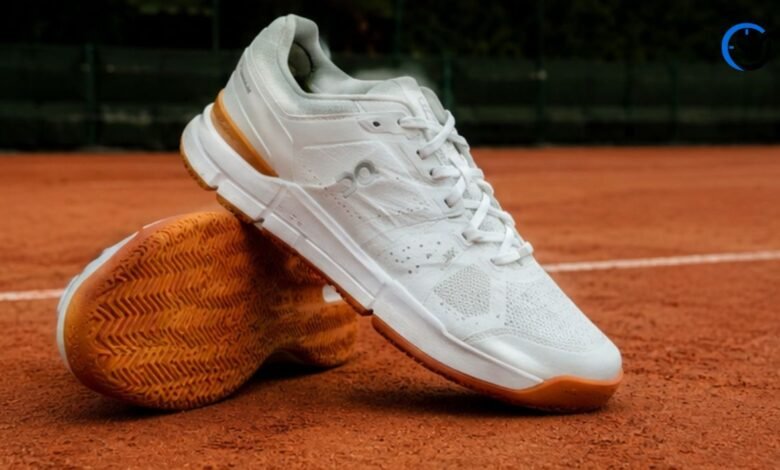
Clay court tennis demands a different kind of movement from hard-court play. Players slide into shots, recover quickly, change direction often, and need footwear that can maintain contact with the surface without feeling heavy or restrictive. The Roger Advantage Pro Clay is designed around those demands, giving players a tennis shoe intended specifically for clay-court movement. Rather than focusing only on appearance, this type of footwear has to balance traction, stability, cushioning, flexibility, and comfort. Understanding how those qualities work together can help players decide whether this model fits their playing style, experience level, and regular court conditions.
Why Clay Courts Need Specialized Tennis Shoes
Clay is softer and more loose underfoot than many hard courts, which changes how a player moves across the baseline. Controlled sliding can be part of good technique, but uncontrolled slipping can quickly affect balance and confidence. Clay-court shoes therefore use outsole patterns designed to interact with the surface while allowing players to move and slide in a predictable way. A suitable shoe also needs enough support for recovery steps, because many points involve repeated lateral movement rather than simple forward-and-back running.
The Movement Philosophy Behind the Shoe
The Roger Advantage Pro Clay is best understood as footwear built around the movement patterns of clay-court tennis. A player may push off toward the corner, slide into position, stop, rotate, and then recover toward the center within a few seconds. These movements place different demands on the foot throughout a match. A good clay shoe should feel secure during the initial push while remaining comfortable when the player spends long periods moving from side to side. That balance is especially important for players who build points through extended rallies.
Traction Without Feeling Stuck
Traction is one of the most important features to consider when choosing clay-court footwear. The outsole needs to provide enough grip for acceleration and stopping while still allowing controlled sliding when the player intentionally moves through a shot. Too much grip can make certain movements feel abrupt, while too little traction can make a player feel unstable. The design philosophy of a clay-specific outsole is therefore different from that of many all-court shoes. Players should also remember that court preparation, loose clay, moisture, and surface condition can affect traction on any shoe.
Stability During Lateral Movement
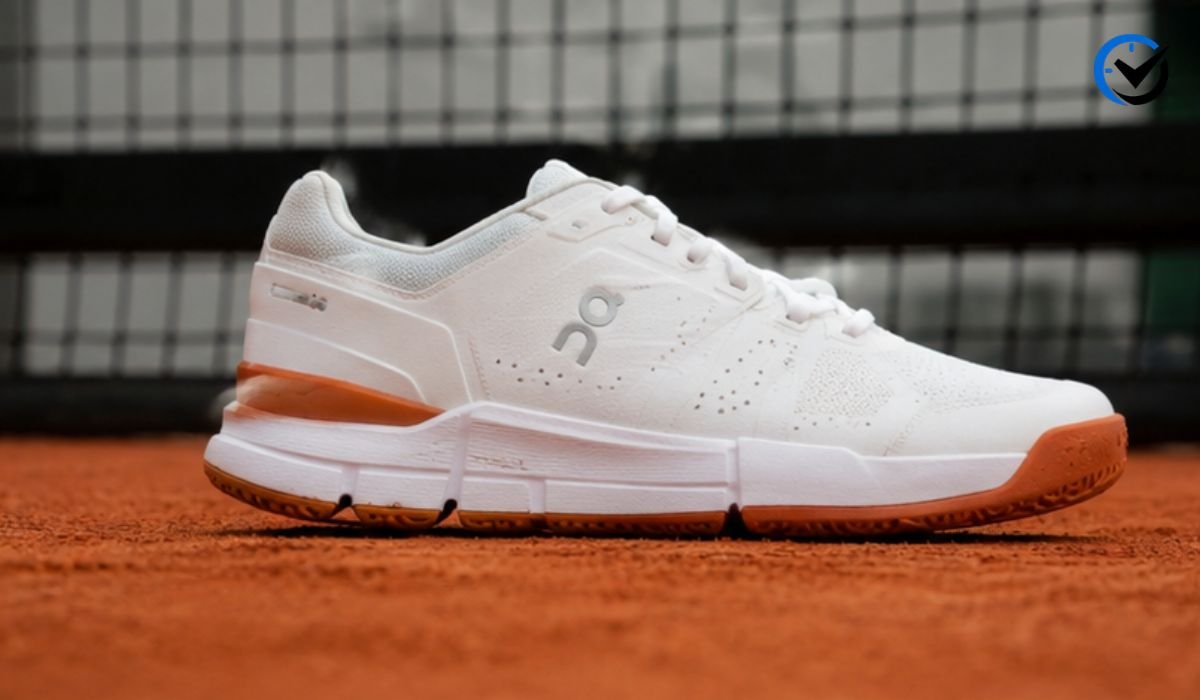
Side-to-side movement is a major part of modern tennis, particularly during baseline rallies. Every wide forehand or backhand can place pressure on the outside edge of the shoe as the player pushes off and changes direction. Stability helps keep the foot supported during these moments and can make movement feel more controlled. The Roger Advantage Pro Clay is intended to provide the kind of underfoot support expected from a dedicated tennis shoe rather than a general-purpose running model. This distinction matters because running shoes are generally designed for forward motion, while tennis shoes must handle frequent lateral changes.
Cushioning for Long Sessions
Cushioning becomes increasingly important as playing time increases. A recreational player may spend an hour on court, while competitive players can train or compete for considerably longer. Repeated impacts from split steps, lunges, and recovery movements can make an overly firm shoe uncomfortable. At the same time, excessive softness can reduce the direct court feel some players prefer. A well-balanced tennis shoe aims to provide enough cushioning to make extended sessions comfortable without making the player feel disconnected from the court.
Court Feel and Natural Foot Movement
Court feel describes how directly a player can sense the surface through the shoe. Some tennis players prefer a close-to-the-ground feeling because it can make quick adjustments seem more natural. Others prefer additional cushioning and protection, especially when playing several times a week. The right balance depends on personal preference, playing style, and physical demands. A clay-focused design should allow the foot to move naturally while maintaining enough structure to support rapid directional changes. Players should judge this quality during actual tennis movements rather than by standing or walking around indoors.
Comfort Beyond the First Impression
A tennis shoe can feel comfortable when first tried on but become less comfortable after several hours of use. For that reason, fit should be evaluated across the entire foot rather than based only on initial softness. The heel should feel secure without excessive pressure, the midfoot should feel supported, and the toes should have enough room to move naturally. Tennis also involves repeated stopping, so the foot should not slide excessively inside the shoe. Players with wider or narrower feet should pay particular attention to the shape of the shoe and use the manufacturer’s sizing guidance before making a decision.
Durability on a Demanding Surface
Clay courts are not usually as abrasive as hard courts, but tennis shoes still experience substantial wear. Repeated sliding, sudden stops, and lateral pushes can gradually affect the outsole and upper. Durability depends not only on the shoe’s construction but also on how often it is used and how aggressively the player moves. Someone who plays occasionally may get a very different lifespan from someone training almost every day. Using clay shoes primarily on their intended surface can also help preserve the outsole pattern and overall performance.
Who Should Consider This Type of Shoe?
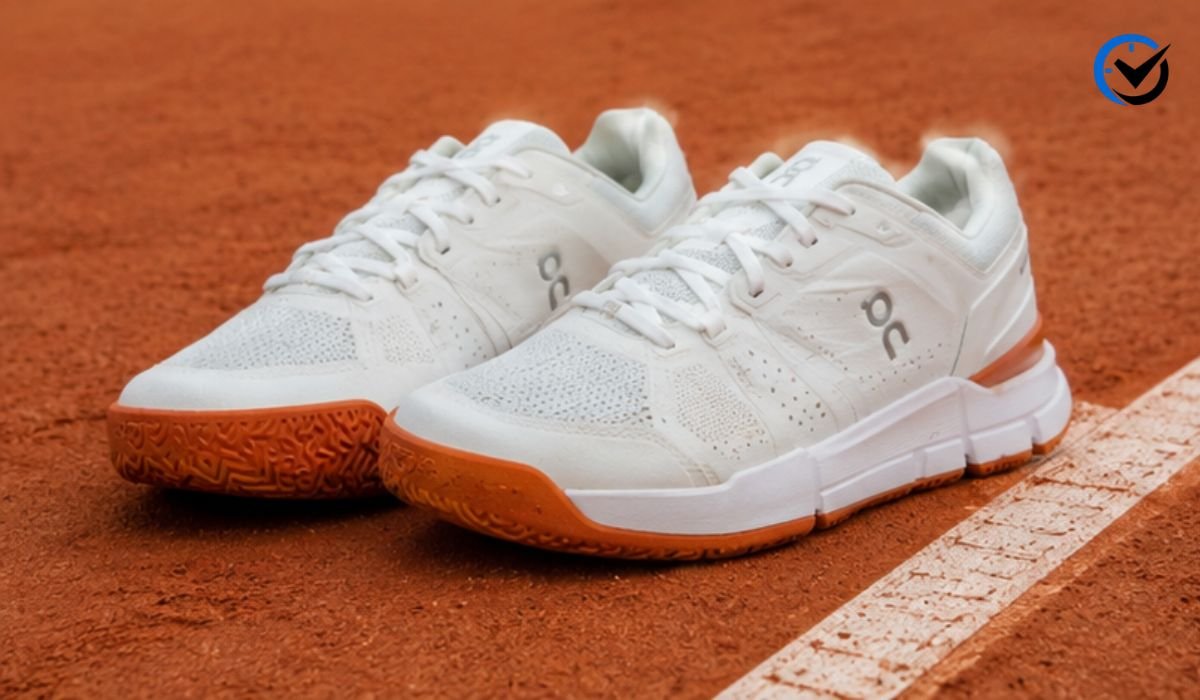
The Roger Advantage Pro Clay is most relevant to players who regularly play on clay and want footwear designed around that surface. Competitive players may appreciate the emphasis on movement and stability, while recreational players can benefit from the confidence that comes with a purpose-built outsole. It can also make sense for players who have previously used general-purpose tennis shoes and noticed inconsistent traction while sliding. However, no shoe is automatically ideal for every player. Personal fit, foot shape, preferred cushioning level, and playing habits should remain central to the decision.
Comparing Clay Shoes With All-Court Models
The biggest difference between a clay-specific shoe and an all-court model is usually the outsole design. Clay shoes are made to work with the loose surface and support controlled movement across it. All-court shoes are intended to provide a broader compromise across different court types. This makes them convenient for players who regularly switch surfaces, but they may not provide exactly the same feel as a specialized clay shoe. If clay is the surface a player uses most often, dedicated footwear can be a more logical choice. Players who frequently alternate between clay and hard courts may prefer a versatile model instead.
Choosing the Right Size and Fit
Sizing deserves more attention in tennis shoes than it often receives. Feet can swell slightly during long matches, and a shoe that feels perfect for five minutes may feel tight later. Players should check that the toes are not pressed against the front while making sure the heel remains stable during quick movements. Trying the shoe with the socks normally used for tennis can provide a more realistic fit. It is also wise to consider individual foot shape instead of assuming that the same size will fit equally well across every brand or model.
Maintaining Clay-Court Footwear
Proper care can help tennis shoes retain their performance for longer. Clay particles can collect around the outsole and upper, so brushing away loose material after playing is useful. Shoes should generally be allowed to dry naturally rather than being exposed to intense direct heat, which can affect adhesives and materials. Keeping them in a ventilated place also helps reduce moisture buildup after long sessions. Players who compete frequently may find it useful to rotate between pairs, giving each pair time to dry and recover between uses.
What Players Should Notice on Court
The most useful evaluation happens during real tennis movements. Players should notice how confidently they can push toward a wide ball, how the shoe behaves during a controlled slide, and whether the foot remains stable during recovery. Comfort should also be judged after extended play rather than after a few minutes. If a shoe feels supportive without distracting the player from the match, that is generally a positive sign. Conversely, pressure points, heel movement, or inconsistent traction are reasons to reconsider the fit or model.
Value Depends on Playing Habits
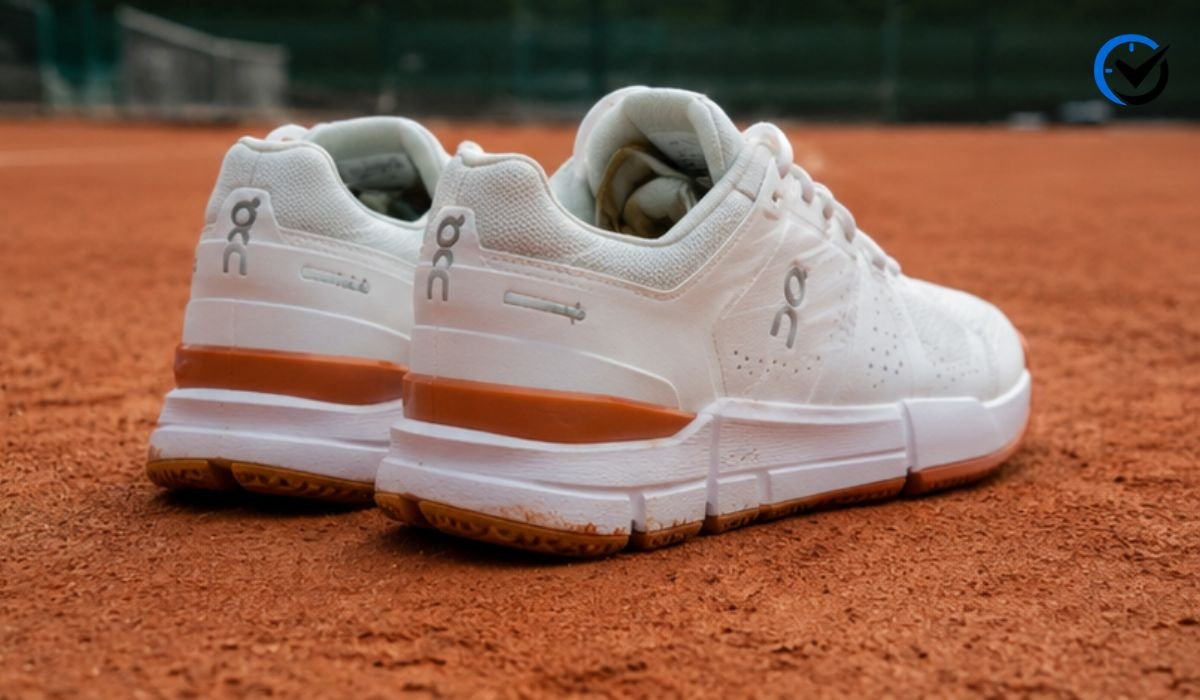
The value of a tennis shoe cannot be judged only by its purchase price. A player who competes regularly may benefit more from a durable, comfortable shoe than from a cheaper pair that needs replacing quickly. Someone who plays once or twice a month may have different priorities. The Roger Advantage Pro Clay should therefore be considered in relation to frequency of play, court preference, comfort requirements, and expected lifespan. A higher-quality tennis shoe can make sense when it supports consistent play, but spending more does not automatically guarantee a better match for every individual.
Common Mistakes When Buying Clay Shoes
One common mistake is choosing footwear based primarily on appearance. Tennis shoes need to perform under repeated lateral stress, and visual design says little about how a model will behave during a match. Another mistake is assuming that more cushioning is always better. Some players perform better with a balanced combination of protection and court feel. Buying without considering court type is another issue. A player who spends most of the year on clay should think carefully about whether an all-purpose outsole truly matches those conditions.
Final Thoughts
The Roger Advantage Pro Clay is designed for a specific purpose: helping tennis players move confidently and consistently on clay courts. Its appeal comes from the combination of surface-focused traction, lateral support, cushioning, and movement control expected from dedicated clay footwear. The best choice still depends on individual fit and playing preferences, so players should consider their foot shape, match length, court habits, and preferred feel before buying. For anyone who regularly plays on clay, understanding these factors is more useful than simply choosing a shoe because of its name or appearance.
Frequently Asked Questions
1. Is The Roger Advantage Pro Clay made specifically for clay courts?
Yes, the model is positioned as clay-court tennis footwear, meaning its design is intended to address the movement and traction demands associated with clay surfaces. The most important distinction is the outsole concept, which is designed around controlled movement on clay rather than serving as a general walking or running shoe.
2. Why are clay-court tennis shoes different from regular sneakers?
Clay-court tennis shoes are built for rapid lateral movement, stopping, pushing off, and controlled sliding. Regular sneakers are often designed for walking or forward-running movement and may not provide the same level of stability or surface-specific traction needed during tennis.
3. Can clay shoes be used on hard courts?
They can physically be worn on hard courts, but that does not necessarily make them the best choice. Hard courts place different demands on an outsole, and frequent use outside the intended surface may affect durability. Players who regularly switch between surfaces may prefer footwear designed for broader court use.
4. Does a clay tennis shoe help with sliding?
A clay-specific outsole is designed to support controlled sliding, which is a normal movement technique on many clay courts. However, sliding ability also depends on the player’s technique, court condition, moisture, loose material, and how the shoe fits. Footwear alone cannot guarantee a particular movement result.
5. How should a clay tennis shoe fit?
It should feel secure around the heel and midfoot while leaving enough room for natural toe movement. The foot should not slide excessively inside the shoe during lateral movements. Trying the shoes with normal tennis socks and evaluating them while moving can provide a better indication of fit than simply walking around.
6. Is cushioning important for clay-court tennis?
Cushioning can be valuable because tennis involves repeated split steps, lunges, stops, and directional changes. The ideal amount varies by player. Some prefer a softer ride for comfort, while others want a firmer, more direct connection with the court.
7. How long can a pair of clay tennis shoes last?
There is no universal lifespan. Frequency of play, movement style, body weight, court condition, training intensity, and care all affect wear. A frequent competitive player may replace footwear much sooner than someone who plays occasionally. Visible outsole wear and changes in stability or comfort are useful signs to monitor.
8. Can beginners use The Roger Advantage Pro Clay?
Yes. Clay-specific footwear is not limited to advanced players. Beginners can benefit from appropriate traction and stability while learning movement techniques. The main consideration should be finding a comfortable, properly fitted shoe that suits the player’s court surface and playing frequency.
9. Should clay tennis shoes be cleaned after every match?
Basic cleaning after play is helpful, especially when loose clay has collected around the outsole or upper. Removing excess dirt and allowing the shoes to dry naturally can help maintain their condition. Heavy cleaning is not always necessary after every session, but regular care can reduce buildup over time.
10. What matters most when choosing a clay tennis shoe?
Fit, traction, stability, comfort, and durability are among the most important factors. Players should also consider how often they play and whether clay is their main surface. The best shoe is ultimately the one that provides a secure, comfortable feel while allowing natural movement throughout a complete match.
Recommended: Sagės That Make Any Outfit Stand Out: Styles Worth Knowing





One Comment