

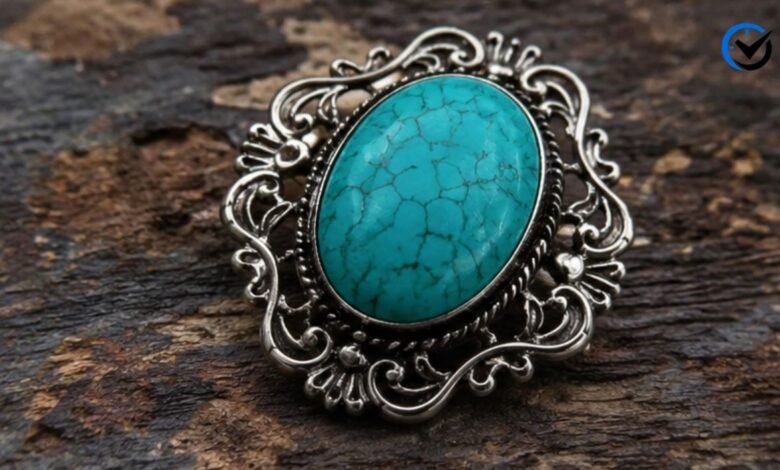
A small jewelry piece can change the character of an entire outfit, and few accessories do that as easily as a brooch. Sagės, a Lithuanian term commonly associated with brooches, are decorative pieces worn on clothing for style and sometimes practical purposes. They can add a refined detail to a plain jacket, create a focal point on a dress, or give personality to a scarf or coat. Unlike many trend-driven accessories, brooches can move between formal, casual, vintage, and contemporary looks. This guide explores popular styles, materials, placement ideas, care tips, and buying considerations so you can choose pieces that feel natural and useful.
Understanding the Brooch
A brooch is a decorative ornament designed to attach to clothing, usually with a pin, clasp, or similar fastening. Its purpose may be purely decorative, although older designs were often used to secure garments. Modern pieces range from tiny, understated ornaments to large statement designs. Shapes include flowers, leaves, animals, geometric forms, symbols, and abstract patterns. Because the accessory sits directly on fabric, its size, weight, fastening, and placement all affect the final appearance. Understanding these details makes it easier to choose a piece that suits both your wardrobe and the garment you plan to wear.
Why This Accessory Still Matters
Brooches have an unusual advantage: they can make familiar clothing feel fresh without requiring an entirely new outfit. A plain blazer can look more polished with a simple metal design, while a cardigan can become more personal with a handmade piece. One accessory can also move between several garments, making it surprisingly versatile. Unlike necklaces or earrings, a brooch does not depend on a particular neckline, hairstyle, or face shape. The strongest designs do not overwhelm clothing. Instead, they add one deliberate detail that helps the complete outfit look considered and finished.
Classic Designs Worth Knowing
Traditional brooch styles often rely on familiar forms and balanced proportions. Floral motifs remain popular because they work with both formal and relaxed clothing, while geometric designs create a cleaner appearance. Cameo-inspired pieces, pearl arrangements, and polished metal ornaments are often linked with classic dressing. These styles can look especially attractive on tailored jackets, wool coats, and dresses. A classic piece does not have to appear old-fashioned. Simple lines, moderate decoration, and quality construction can create a timeless look that remains useful even as fashion trends change.
Vintage and Antique-Inspired Pieces
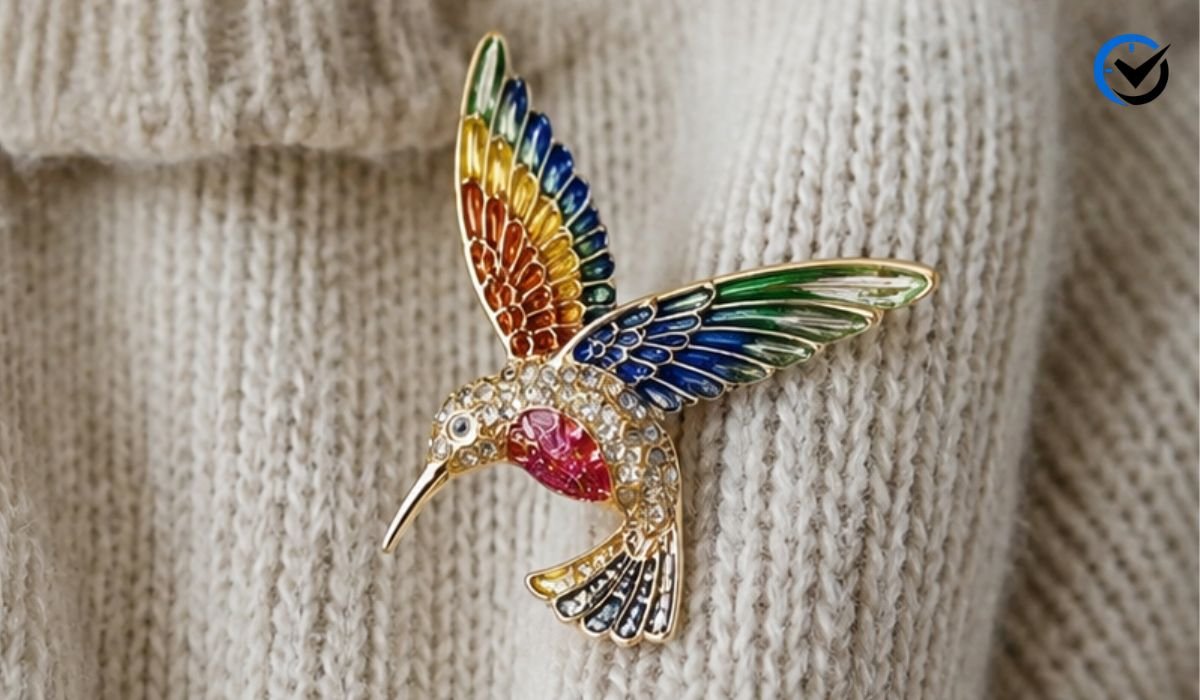
Vintage-inspired jewelry appeals to people who enjoy character, craftsmanship, and a sense of history. These designs may feature aged metal finishes, intricate patterns, colored glass, enamel, or decorative settings. Genuine antique jewelry deserves careful evaluation because condition, construction, materials, and provenance can influence its value. A modern piece with a vintage appearance can offer similar visual interest without the same concerns. When wearing an ornate design, balance matters. Let the accessory have enough visual space by pairing it with relatively simple clothing instead of several competing patterns.
Contemporary and Minimal Styles
Modern brooches often use clean shapes, smooth surfaces, unusual proportions, or abstract forms. A small silver-tone circle, simple line design, or asymmetric ornament can work beautifully with contemporary clothing. Minimal styles are useful when you want an accessory that adds interest without becoming the main feature. They can also suit office clothing because their appearance is often polished and controlled. If your wardrobe already contains strong colors or patterns, a restrained metal design can provide definition without making the outfit feel crowded.
Statement Pieces for Special Looks
A statement brooch is generally larger, more colorful, or more detailed than an everyday design. It can become the central feature of an outfit, especially when placed on a plain blazer, coat, or evening garment. These pieces work best when the surrounding clothing provides visual space. Wearing a dramatic ornament alongside several equally bold accessories can make the result feel busy. Instead, treat the brooch as the main accent and keep other jewelry simple. This lets its shape, texture, and color remain clear while maintaining a balanced appearance.
Materials and What They Change
The material affects a brooch’s appearance, weight, durability, and care requirements. Common choices include sterling silver, gold-toned metals, stainless steel, brass, enamel, glass, ceramic, wood, fabric, and stones. Lightweight materials are convenient for delicate fabrics, while heavier metal or stone designs are better suited to sturdy jackets and coats. Surface finishes also influence the overall character. Polished metal reflects light and feels crisp, whereas brushed or aged finishes can appear softer. Before buying, consider whether the material is attractive, practical, and suitable for the clothing you expect to wear.
Choosing the Right Size
Proportion is one of the easiest ways to make a brooch look intentional. A tiny piece may disappear on a heavy coat, while a very large ornament can dominate a lightweight blouse. There is no universal correct size because the right choice depends on the garment, body proportions, and desired effect. Medium-sized pieces are often versatile because they remain visible without taking over. Larger designs can work particularly well on coats and formal outfits. Judge the accessory together with the garment rather than looking at the brooch alone.
Color and Contrast
Color can turn a simple brooch into a strong styling tool. A piece that closely matches the garment creates a subtle effect, while contrasting colors make the accessory more noticeable. Metallic finishes can also act as neutral accents. Silver tones often create a crisp appearance, while warm metal tones can complement earthy or rich colors. If the outfit already contains several shades, choose a brooch that connects with one existing color instead of introducing another unrelated tone. This small decision can make the entire combination feel more coordinated.
Where to Place a Brooch
Placement changes the visual balance of an outfit. The lapel is a classic location because it naturally gives the ornament a defined area. A brooch can also sit near the collar, at the shoulder, on a scarf, or toward the upper chest. Placement does not always need to be symmetrical. A slightly off-center position can create a relaxed, modern appearance. However, the fabric must support the accessory securely. Very thin material may sag under weight, and repeated pinning can leave visible holes, so delicate garments require extra care.
Styling Brooches With Jackets
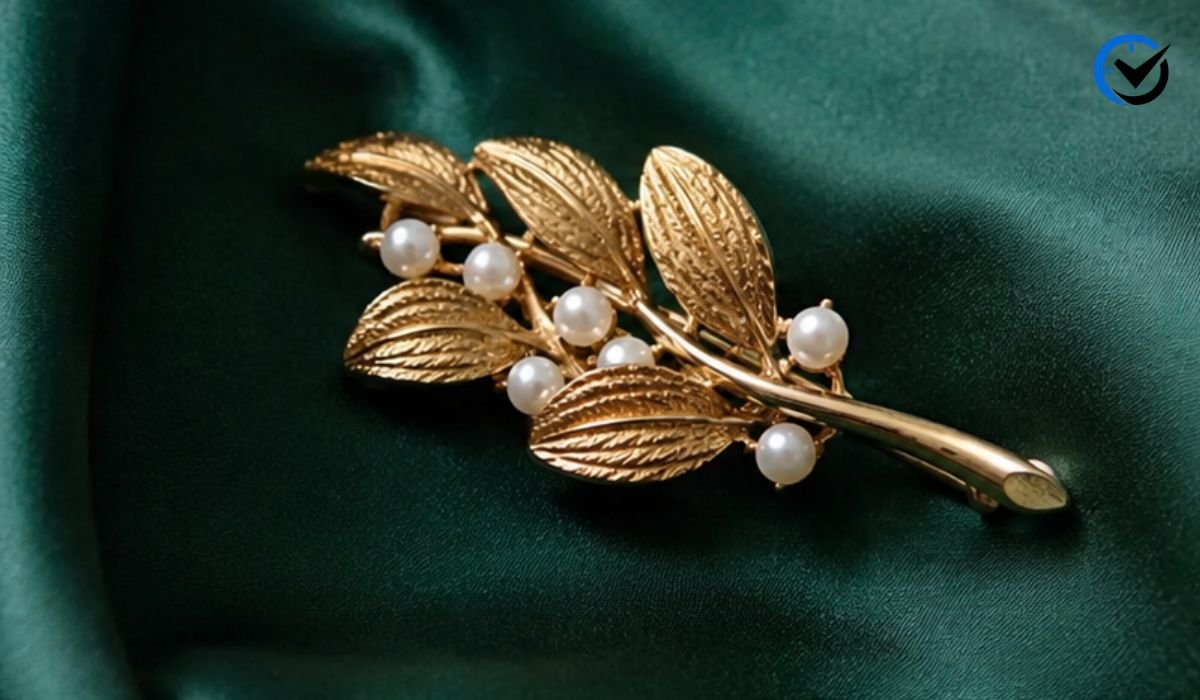
Blazers, suit jackets, and structured coats are among the easiest garments to style with a brooch. Their firm fabric provides support, while lapels naturally frame decorative pieces. A small design can add personality to workwear without changing its professional character. For a more creative look, try a larger ornament on a plain jacket and keep the remaining accessories restrained. The color and finish should complement the jacket rather than compete with buttons, buckles, or other metal details. This makes the accessory appear like a deliberate part of the outfit.
Using Them With Dresses and Knitwear
Brooches can also work well on dresses, sweaters, and cardigans, although fabric weight becomes more important. Medium or lightweight pieces are usually safer for soft knitwear because they reduce pulling and stretching. On a dress, placement near the shoulder or neckline can frame the upper body, while a lower position can create a less expected focal point. If the fabric is delicate, consider whether the fastening could damage it. A beautiful accessory is not worth compromising a garment that may be difficult to repair.
Scarves and Creative Layering
A brooch can turn a scarf into a more structured accessory by holding a fold in place while adding decoration. This is useful with larger scarves that tend to shift during the day. The fastening should be secure and suitable for the scarf’s thickness. Brooches can also be used on shawls, wraps, and some hats or bags when the material can safely handle a pin. These alternative placements allow you to experiment with personal style while keeping the accessory practical.
Matching the Occasion
The same accessory can look very different depending on the setting. For work, understated metal or geometric designs usually create a neat impression. For weddings, dinners, and formal occasions, pearls, stones, enamel, or detailed pieces can provide an elegant accent. Casual outfits allow more freedom with playful shapes, handmade designs, and unusual colors. The aim is not to follow strict rules but to match the accessory’s visual weight and character to the occasion. A thoughtful choice should feel appropriate without making the jewelry seem forced.
Caring for Decorative Jewelry
Proper care helps preserve both appearance and function. Store brooches separately when possible so sharp fastenings do not scratch other jewelry. Keep pieces dry unless their materials are specifically designed to tolerate moisture, and avoid harsh cleaning products. For valuable or delicate items, use care methods suited to their particular materials rather than applying a universal cleaner. Check the clasp and pin occasionally for looseness. When traveling, wrap individual pieces in soft material and place them somewhere they will not be crushed.
Buying With Quality in Mind
A good purchase is about more than appearance. Examine the back of the piece as carefully as the front. The fastening should operate smoothly, sit securely, and feel appropriate for the item’s weight. Look for clean construction, stable settings, and finishes that appear even and well attached. If a piece is described as containing precious metals or gemstones, clear information about those materials is important. For handmade jewelry, small variations may be part of the design rather than a defect. Considering construction before buying helps you choose accessories that remain enjoyable beyond the first impression.
Building a Small Collection
You do not need a large jewelry collection to make good use of brooches. A practical starting point could include one understated piece, one colorful design, and one statement style. This provides options for professional clothing, everyday outfits, and special occasions without unnecessary duplication. Choose pieces that work with garments you already own. An attractive accessory that never suits your wardrobe will spend most of its life in a drawer. Over time, you can add designs that reflect your interests, craftsmanship you admire, or meaningful memories.
Personal Style and Meaning
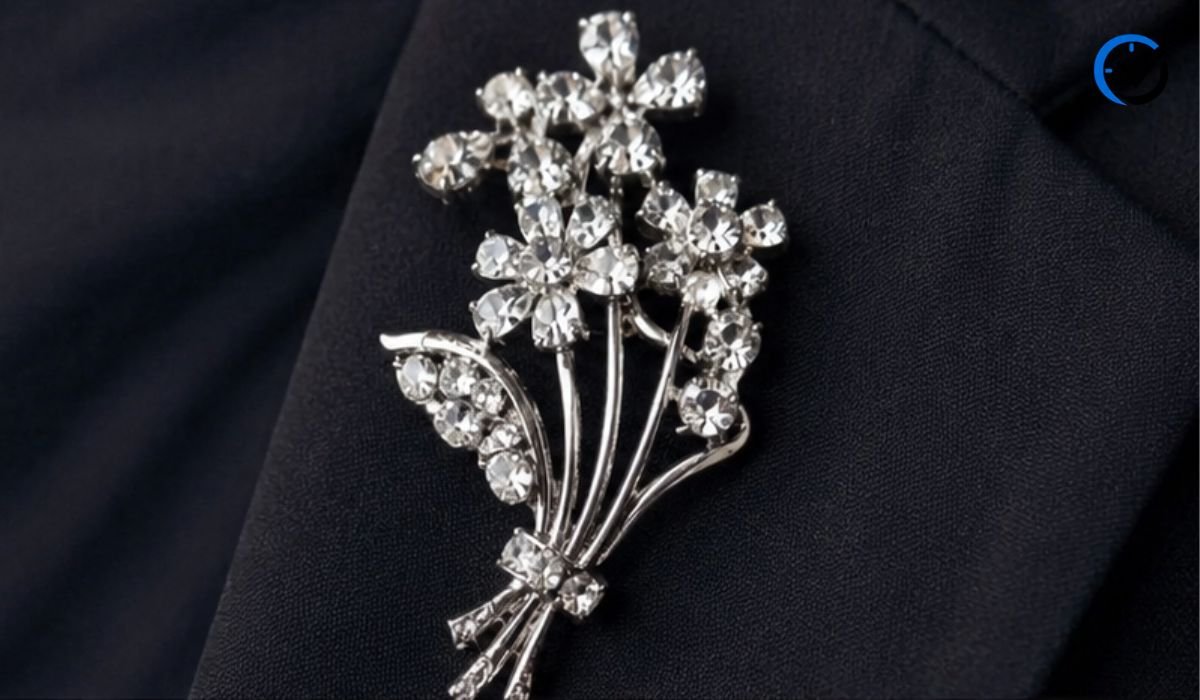
One reason brooches remain appealing is their ability to carry personal meaning. A floral design may reflect a favorite plant, a handmade piece may represent a creative tradition, and a vintage ornament may connect someone with family history. Other designs simply express humor, color preferences, or an interest in art. There is no requirement for a brooch to have symbolic meaning, but choosing one with a personal connection can make it more enjoyable to wear. Accessories often become part of personal style through repeated use rather than strict fashion rules.
Common Mistakes to Avoid
The most common styling problems involve proportion, placement, or too many competing details. A heavy brooch on fragile fabric can pull the material, while a tiny piece on a thick coat may disappear. Poor placement can also make a garment look uneven. Another mistake is combining several bold accessories without a clear focal point. When in doubt, simplify. Remove one competing item, move the brooch slightly, or choose a lighter design. The goal is balance rather than perfection. Accessories work best when they support the outfit instead of trying to dominate it.
Final Thoughts
Sagės and other brooches offer a simple way to make clothing feel more individual, polished, and versatile. From classic floral ornaments to minimalist metal shapes and expressive statement pieces, there is a style for almost every wardrobe. The best choice depends on practical details such as fabric, weight, fastening, color, and occasion as much as appearance. Start with pieces you genuinely like, wear them with clothing you already own, and experiment with placement. A well-chosen brooch does not need to transform an entire outfit; sometimes one thoughtful detail is enough to make it feel distinctly yours.
Frequently Asked Questions
1. What are Sagės?
Sagės is a Lithuanian term commonly associated with brooches, which are decorative accessories attached to clothing with a pin or clasp. They can be ornamental, functional, or both, and come in many materials, shapes, and sizes.
2. How should I wear a brooch?
A brooch can be worn on a jacket lapel, collar, shoulder, dress, scarf, cardigan, or coat. Choose a location where the fabric can support its weight and where the design complements the garment’s shape.
3. Are brooches suitable for everyday outfits?
Yes. Small or medium designs can work well with everyday clothing. Simple metal shapes, colorful enamel pieces, and handmade designs can add personality to sweaters, jackets, scarves, and casual dresses.
4. Can a brooch damage clothing?
It can, especially when used on delicate or loosely woven fabrics. Heavy pieces may stretch material, while repeated pinning can leave holes. Use lighter accessories on fragile garments and handle the fastening carefully.
5. What size brooch is best?
There is no single ideal size. The best choice depends on the garment, fabric, and desired effect. Medium designs are generally versatile, while larger pieces work especially well on structured coats and simple outfits.
6. What materials are commonly used?
Brooches can be made from silver, gold-toned metals, brass, stainless steel, enamel, glass, ceramic, wood, fabric, and stones. Material affects weight, appearance, durability, and cleaning requirements.
7. Can I wear a brooch with a scarf?
Yes. A brooch can decorate a scarf while helping hold a fold in place. Make sure the fastening is suitable for the scarf’s thickness and does not put excessive stress on the fabric.
8. How do I choose a brooch for formal events?
Look for a design whose size and finish suit the clothing. Pearls, polished metal, stones, or detailed designs can complement formal outfits, especially when the rest of the jewelry is kept relatively simple.
9. How should I store brooches?
Store them in a dry place and, when possible, keep individual pieces separated. Protect sharp pins and delicate surfaces from contact with other jewelry. Check fastenings periodically to ensure they remain secure.
10. Are vintage brooches worth buying?
They can be, particularly if you appreciate their design, craftsmanship, or history. Before buying an expensive vintage piece, examine its condition, construction, materials, and available information about its origin.
Recommended: Hyperfiksaatio: Why the Mind Locks Onto One Thing and How to Cope




One Comment