


Pigeimmo is a term closely connected with the French real-estate practice known as “pige immobilière,” a form of property prospecting built around watching listings and identifying owners who may need professional help. The word can be confusing because it is not always used online as the name of one single, universally defined product. It is often discussed alongside software, listing-monitoring services, and broader methods for finding property opportunities. Understanding that distinction matters because the value is not simply in collecting listings. The real purpose is to turn fresh property information into organized, timely, and useful prospecting activity.
What Pigeimmo Means
At its simplest, Pigeimmo can be understood as a real-estate listing intelligence and prospecting concept. “Pige” refers to monitoring property advertisements, while “immo” is a common French abbreviation for immobilier, meaning real estate. The central idea is straightforward: watch the market, identify relevant properties, collect useful information, and decide which opportunities deserve attention. Property listings change quickly, with new homes appearing, prices moving, descriptions being edited, and some properties staying online for weeks. A structured monitoring system can reduce the time spent checking many sources manually and help professionals focus on a defined territory, price range, or property type. The best systems emphasize relevance and repeatability rather than volume.
How Property Prospecting Works
Traditional property prospecting usually begins with a simple signal: an owner has advertised a property for sale or rent. An agent reviews the listing, assesses whether it fits the target market, and considers whether professional assistance could add value. In a digital workflow, software may help identify new advertisements, organize them, and notify the user when matching listings appear. Some systems also follow price reductions, listing duration, or changes to existing advertisements. These signals can be useful, but they should be treated as context rather than proof of a seller’s motivation. A new listing may indicate a fresh selling decision, while a long-running advertisement may suggest that the owner is having difficulty attracting buyers. Automated matching finds listings, but it cannot explain every human reason behind an advertisement.
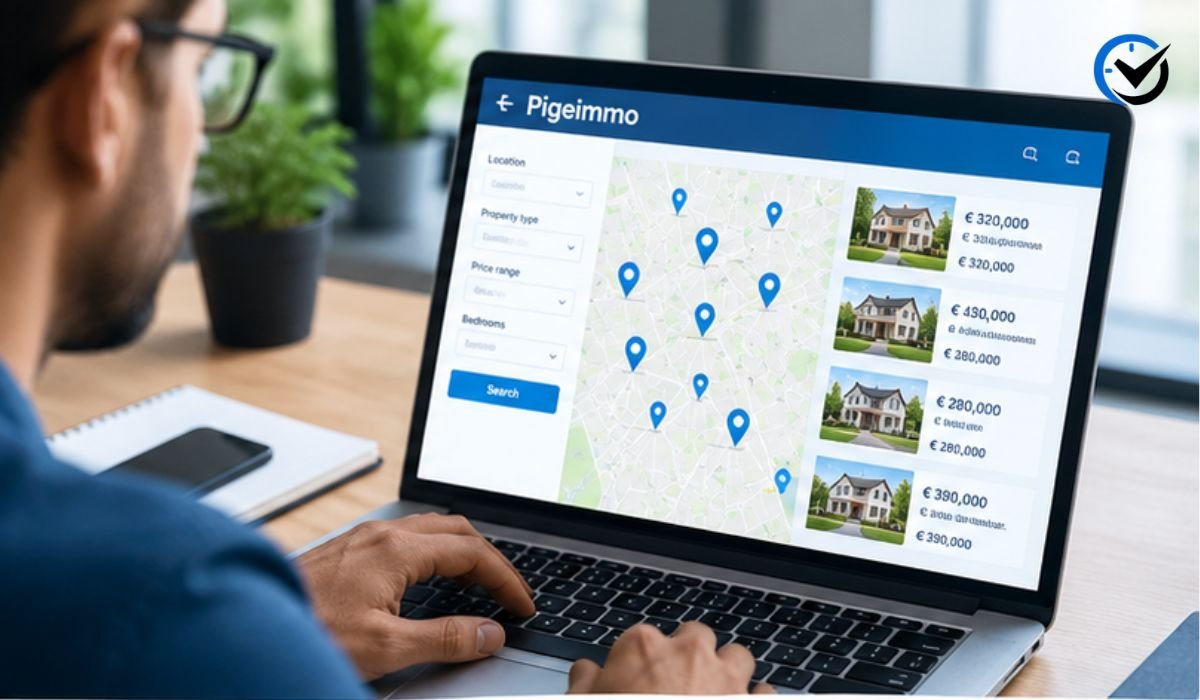
Finding and Filtering New Listings
Raw listing information becomes more useful when it can be filtered and organized. Agents often work within specific neighborhoods, price ranges, property categories, or geographic zones, so filtering removes irrelevant results and focuses attention on realistic opportunities. More advanced tools may offer mapping, saved searches, alerts, property details, or prospect histories. Tracking also helps create a record of what has already been reviewed, which reduces duplicated work. The objective is not to collect the largest possible number of advertisements. It is to build a manageable set of relevant records that can be assessed intelligently and followed over time. Clear organization also helps teams coordinate follow-up without duplicating contact.
Tracking Listing Changes
One of the biggest misunderstandings about property prospecting is assuming that every listing is a qualified lead. It is not. A listing is market information; a prospect is an opportunity that has been assessed as potentially relevant. Qualification may involve location, property characteristics, timing, listing history, and whether professional assistance could genuinely help. Contact information, when available, also requires care because its presence does not automatically create permission to use every communication channel. Responsible prospecting means respecting privacy, verifying information, and following applicable data and marketing rules. A strong qualification process protects time by ranking opportunities according to relevance.
From Listings to Qualified Prospects
Speed can matter because a new property may attract attention from several professionals quickly. Monitoring tools can reduce the delay between publication and discovery, allowing an agent to review an opportunity sooner. However, being early should not become an excuse for pressure or generic outreach. A fast message with no useful reason for contact may be less effective than a thoughtful approach that shows knowledge of the property and offers something relevant. The strongest workflow combines timely information with human judgment, clear communication, and a realistic understanding of the owner’s circumstances. Speed can help in competitive markets, but poor communication can damage credibility.
Building a Daily Prospecting Routine
Technology becomes more valuable when it supports a consistent daily routine. An agent can review new matches, separate promising opportunities from low-priority listings, record meaningful actions, and revisit older prospects at appropriate times. This creates a pipeline rather than a collection of disconnected advertisements. Over time, the record can show which areas, property types, and approaches generate useful conversations. The system therefore becomes more than a search tool: it can help improve discipline, time management, and visibility into local market activity. Consistency also makes activity easier to evaluate over time.

Benefits and Limitations
The main benefits of a Pigeimmo-style workflow are efficiency, consistency, and better organization. Instead of manually searching numerous sources, professionals can concentrate on relevant properties and monitor changes in their market. Shared records can also help teams coordinate prospecting, while saved criteria and alerts can make market observation part of the normal workday. Still, no monitoring service can remove the difficult parts of the job. Listings may be incomplete or outdated, data sources can change, and several agents may watch the same opportunity. Technology cannot replace local knowledge, communication skills, trust, or professional judgment. A smaller, accurate dataset can be more useful than a large stream of weak records.
Legal and Ethical Considerations
Legal and ethical considerations deserve particular attention. Requirements for contacting property owners differ by country and can change over time, so professionals should verify the rules that apply to their location, communication method, and data source. In France, unsolicited telephone marketing has faced major regulatory changes in 2026, making it especially important not to rely on older prospecting habits. Good practice goes beyond legal compliance: professionals should identify themselves clearly, avoid misleading claims, respect contact preferences, protect personal information, and avoid excessive follow-up. A responsible system treats property and contact data as business information that must be handled carefully. Rules differ across jurisdictions, so international professionals should verify local requirements.
Choosing a Useful Prospecting Tool
When evaluating a tool or service associated with Pigeimmo, professionals should look beyond the number of listings displayed. Important considerations include update frequency, source coverage, search filters, duplicate handling, mapping, historical tracking, integrations with customer-management systems, privacy safeguards, support, and overall cost. Manual prospecting still has value because experienced agents can notice local details that automated filters may miss. Digital monitoring works best when it removes repetitive searching and leaves more time for analysis, relationship building, property knowledge, and useful conversations. Pricing should be judged against real workflow savings, not feature count alone.

The Future of Property Listing Tracking
The future of listing tracking is likely to involve faster data processing, stronger filtering, mapping, automation, and better use of market information. At the same time, the traditional model of immediately contacting every owner after an advertisement appears faces pressure from regulation, consumer expectations, and competition. More sustainable prospecting can combine listing intelligence with market education, local expertise, referrals, digital presence, and permission-based communication. The purpose is not simply to reach a seller first, but to become useful enough that a property owner has a reason to consider professional help. This shift can encourage longer-term relationships instead of dependence on one method.
Who Can Benefit From It?
Pigeimmo-related methods are most relevant to real-estate agents, independent property professionals, brokerage teams, and others whose work depends on identifying potential sellers or understanding local listing activity. Investors and researchers may also use listing monitoring for market observation, although their goals differ from an agent seeking a sales mandate. The practical value depends on the territory, data availability, market conditions, and the user’s ability to turn information into meaningful action. Ultimately, the approach works best when technology supports sound decisions instead of trying to replace them. Data should guide attention, while experience determines how to communicate and create value.
Final Thoughts
Pigeimmo is best understood as part of a broader real-estate prospecting approach centered on monitoring property listings, organizing market information, and identifying worthwhile opportunities. Its usefulness comes from turning scattered listing activity into a repeatable workflow, but the technology itself is only one part of the process. Accurate data, thoughtful qualification, legal compliance, respectful communication, and strong local knowledge remain essential. As property markets become increasingly digital, effective professionals will likely be those who use listing intelligence to make better decisions while keeping the human side of real estate at the center.
Frequently Asked Questions
1. What is Pigeimmo?
Pigeimmo is a term associated with real-estate prospecting and property-listing monitoring. It is commonly understood in relation to the French “pige immobilière” model, where professionals track listings to identify potential opportunities. The term can also appear in connection with specific tools or services, so its exact meaning depends on context. Readers should therefore distinguish the general prospecting method from any particular software brand using a similar name.
2. Is Pigeimmo a single real-estate software product?
Not necessarily. Online usage of the term is inconsistent, and it can refer to the broader practice of property prospecting as well as tools built around that practice. Readers should check the exact provider, product name, features, coverage, and terms before assuming that every reference describes the same service. This distinction is important when comparing products or making purchasing decisions.
3. How does property listing tracking work?
A listing-monitoring workflow watches selected property sources for advertisements that match chosen criteria. New or changed listings can then be collected, filtered, and reviewed. Depending on the system, users may also track prices, listing age, locations, or other changes over time. The professional then decides which records deserve attention and whether further action is appropriate.
4. Who normally uses property prospecting tools?
Real-estate agents and brokerage teams are the primary users because they need a steady way to identify potential sellers and new business opportunities. Independent agents and property professionals may also use these systems to organize local market activity and reduce the time spent searching listings manually. Investors and researchers can use similar monitoring for market observation, but their goals are usually different.
5. Does listing monitoring guarantee new property mandates?
No. Monitoring improves access to information, but it does not guarantee that a property owner wants professional representation. Results depend on the quality of the prospects, local competition, the agent’s communication, market conditions, and the value offered to the property owner. A useful system improves the process; it cannot guarantee the commercial outcome.
6. What information can be tracked?
Depending on the tool and its data sources, users may track details such as property type, location, asking price, publication date, price changes, listing age, status, and other publicly available information. The exact fields vary by provider and source, and users should not assume that every listing contains complete or current data. Information should be checked before important decisions are made.
7. Why are alerts useful for agents?
Alerts reduce the need to repeatedly check multiple property sources by notifying users when listings meet selected conditions. This can save time and make market monitoring more consistent. Alerts are most useful when the criteria are specific enough to avoid overwhelming the user with irrelevant results. Too many broad alerts can create noise and make it harder to notice genuinely important opportunities.
8. Is it legal to contact property owners found through listings?
That depends on the country, communication method, data source, consent status, and other applicable rules. Professionals should verify current local requirements before making unsolicited calls, messages, or emails. Finding contact information online does not automatically mean that every form of outreach is permitted. Privacy rules and marketing restrictions should be treated as part of the prospecting workflow, not as an afterthought.
9. Can listing tracking replace an experienced real-estate agent?
No. Software can help find, filter, and organize information, but it cannot fully replace local knowledge, negotiation ability, relationship building, or professional judgment. The strongest use of technology is to reduce repetitive work while allowing agents to spend more time on valuable human interactions. Local experience remains especially important when evaluating property condition, neighborhood context, seller concerns, and market expectations.
10. What should users look for in a property prospecting tool?
A useful system should provide reliable data, timely updates, practical filters, clear organization, and features that fit the user’s actual workflow. It is also important to consider data privacy, legal compliance, source coverage, integration options, customer support, and total cost. The best tool is the one that consistently helps a professional act on useful information rather than simply producing a large volume of listings.
Recommended: Coerant: Complete Guide to Its Accounting, Tax, and Financial Services