

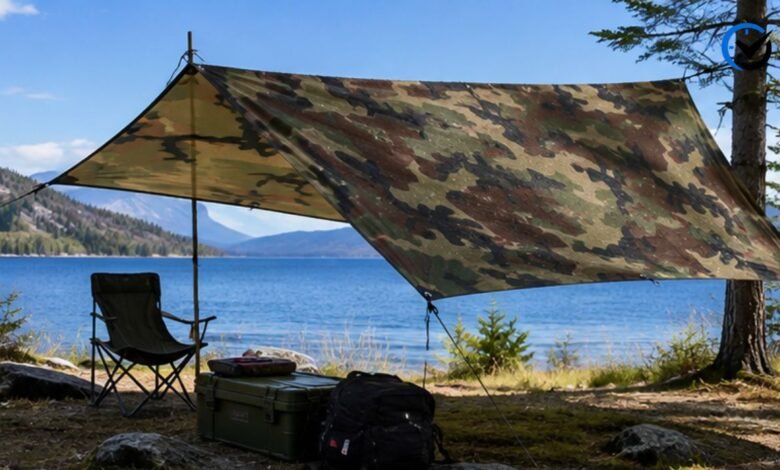
Tarnplanen is a term that may seem unfamiliar to many English-speaking readers, but the basic idea is simple: it refers to camouflage tarps or protective covers designed to blend into their surroundings. The German term combines the concept of concealment with a tarpaulin-style sheet. Today, these covers are useful for camping, bushcraft, wildlife observation, outdoor storage, photography, gardening, and other activities where protection and a low-profile appearance are helpful. However, not every camouflage tarp is built the same way. Material, size, waterproofing, construction, attachment points, and intended use all affect how well a product performs.
What Does Tarnplanen Mean?
In practical English, Tarnplanen is best understood as camouflage tarps or camouflage tarpaulins. The singular form may be described as a Tarnplane, while Tarnplanen refers to multiple covers. The term describes a product category rather than one universal design. Some versions are lightweight and intended for temporary shelters, while others are heavy-duty covers designed for equipment or prolonged outdoor use. Their common feature is the combination of a protective sheet with colors or patterns intended to reduce visual contrast with the surrounding environment.
How Camouflage Tarps Developed
Camouflage covers have a strong connection with military field equipment because armies have long needed practical ways to protect supplies, vehicles, shelters, and equipment while reducing obvious visual outlines. Military-style shelter sheets later influenced civilian outdoor gear, particularly equipment used for camping and bushcraft. Modern commercial camouflage tarps should not automatically be considered military-grade, however. A product may use a familiar camouflage pattern while being made from ordinary consumer fabric. For that reason, buyers should judge quality by construction, fabric, coating, stitching, and attachment hardware rather than by the pattern alone.
Materials, Construction, and Weather Protection
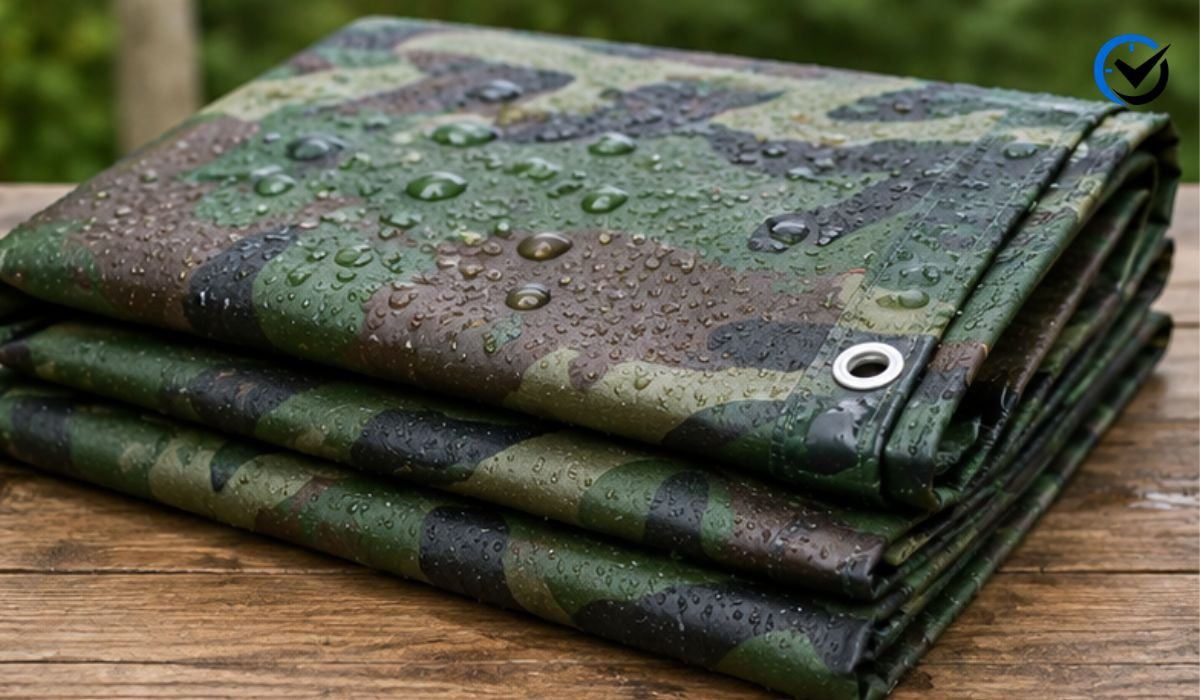
Material has a major effect on weight, durability, flexibility, water resistance, and price. Polyester is popular because it can be lightweight, strong, and easy to pack, especially when coated for improved water resistance. Nylon is also valued for low weight and strength, with ripstop versions designed to help prevent small tears from spreading. PVC-coated fabric is heavier but can provide strong protection for demanding utility applications. Canvas and cotton-blend alternatives offer a traditional feel and good breathability, although they are usually heavier and need more care around moisture. Waterproofing also depends on coatings, seams, and construction, so buyers should distinguish between waterproof and merely water-resistant products.
Camouflage Patterns and Visual Blending
The main visual purpose of a camouflage tarp is to break up a large, regular shape and reduce contrast with the background. Woodland patterns commonly use greens and browns, while arid designs favor tan, beige, and muted earth tones. Snow-oriented patterns use lighter shades, while some urban designs rely on gray and darker colors. The most suitable pattern depends on the environment. A woodland print may blend well among trees but become highly noticeable in an open sandy area. Camouflage can reduce visual contrast, but it does not make people or objects invisible, particularly when movement, sound, or other factors reveal their presence.
Camping, Bushcraft, and Outdoor Uses
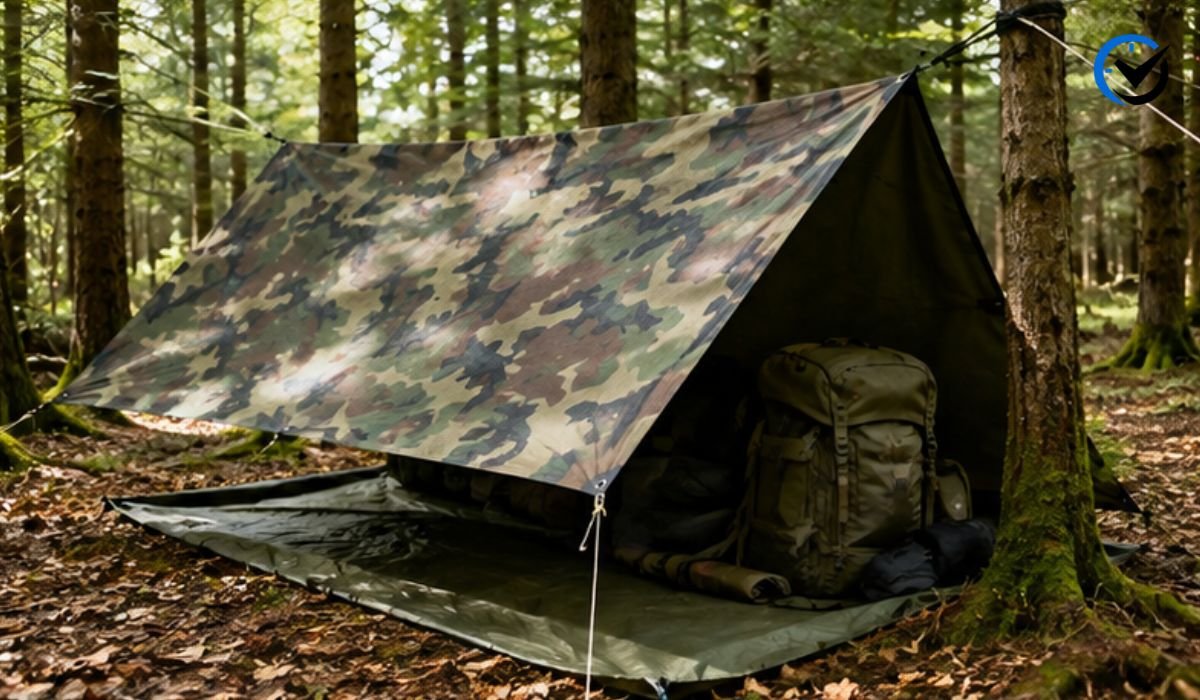
For campers, a camouflage tarp can serve as a rainfly, windbreak, groundsheet, equipment cover, or temporary shelter. It can be suspended between trees or poles in different configurations depending on weather and available space. Bushcraft users often value tarps because they provide flexibility without requiring a fixed tent design. A sloped setup can help rain run off, while an open configuration can improve airflow. Safe placement remains important. Campers should avoid damaged trees, unstable ground, exposed ridges during severe weather, and locations where ropes or stakes could create hazards. Any flame or cooking equipment should also remain safely away from the fabric.
Wildlife Observation and Photography
Camouflage covers can be useful for wildlife observation because they may reduce the visual impact of equipment and human outlines. Photographers can use them to create a simple observation hide, cover a tripod or bag, or create a shaded working area. However, camouflage does not make a person invisible to wildlife. Animals can detect movement, sound, scent, and unusual behavior even when colors blend into the background. Responsible use means keeping a safe distance, avoiding unnecessary disturbance, and following local wildlife rules. For hunting, users should also follow all applicable laws and land regulations rather than treating camouflage equipment as a replacement for responsible field practices.
Everyday Utility and Storage
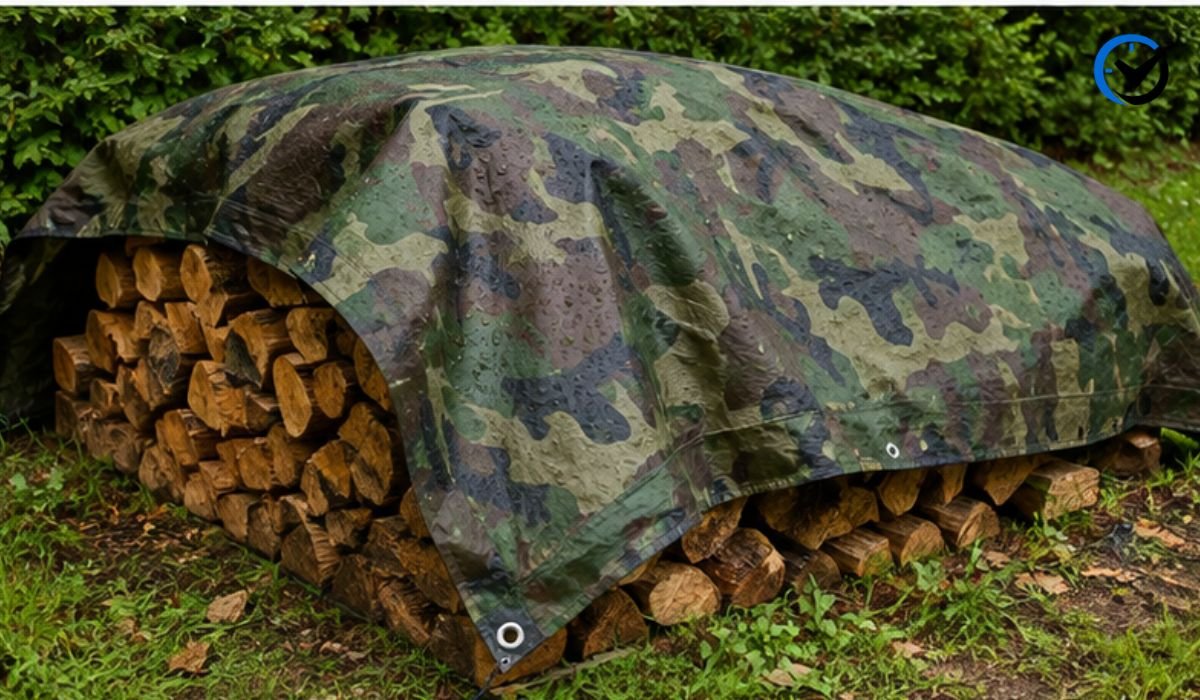
The usefulness of these covers extends well beyond wilderness activities. A durable camouflage tarp can protect firewood, tools, bicycles, garden equipment, outdoor furniture, or other items from rain, dust, and sunlight. It can also provide temporary shade or privacy when its design suits the setting. For longer-term storage, airflow deserves attention because tightly covering damp objects can trap moisture and encourage rust, mildew, or other damage. A camouflage pattern may make a cover less visually prominent, but the main priority should still be choosing a material suitable for the weather and the object being protected.
Benefits and Limitations
The main advantage is versatility. One sheet can provide weather protection, shade, ground coverage, shelter, equipment protection, and visual blending. Many models can also be folded and reused, making them convenient for vehicles, camping kits, workshops, or emergency supplies. There are limits, however. Lightweight products may sacrifice abrasion resistance for portability, while heavy-duty versions can be difficult to carry. Camouflage is also environment-specific, and an ordinary tarp should not be assumed to block thermal, infrared, or other specialized detection systems. Product claims should therefore be evaluated against actual specifications rather than marketing language.
Tarnplanen vs. Ordinary Tarps
A camouflage tarp and an ordinary tarp can perform many of the same basic jobs. The most obvious difference is appearance and intended visual use, not necessarily a completely different level of construction. A plain tarp may be cheaper and easier to spot, while a camouflage version can blend more naturally into particular outdoor environments. Neither type is automatically stronger or more waterproof. Fabric, thickness, coating, seams, grommets, reinforced edges, and overall manufacturing quality are much better indicators of performance. For someone who does not need camouflage, a standard tarp may therefore offer equal or greater practical value at a lower price.
How to Choose the Right Tarnplanen
Start with the intended job before comparing individual products. Backpackers generally benefit from low weight, compact packing, and durable but lightweight fabric. For repeated shelter use, reinforced attachment points, dependable water resistance, suitable dimensions, and strong fabric become more important. For covering vehicles, tools, or outdoor equipment, abrasion resistance and size may matter more than minimum weight. Buyers should also examine packed dimensions, fabric type, coating, grommets, stitching, care requirements, and expected weather conditions. The camouflage pattern should match the actual environment instead of being selected simply because it looks appealing.
Setup, Care, and Long-Term Maintenance
A secure setup begins with a suitable location and stable anchor points. Avoid damaged trees, unstable slopes, areas where water naturally collects, and exposed locations during severe weather. Use appropriate rope or webbing and distribute tension across several attachment points instead of placing excessive stress on one corner. A sloped shelter generally handles rain better than a flat surface because water can drain away. After use, remove dirt gently and allow the tarp to dry completely before storage. Inspect corners, seams, grommets, and coatings regularly. Small tears are much easier to repair before they become larger structural problems.
Final Thoughts
Tarnplanen are best understood as camouflage tarps that combine practical coverage with a design intended to blend into an environment. Their value comes from balancing material strength, weather protection, portability, attachment hardware, and suitable sizing. They can support camping, bushcraft, wildlife observation, photography, gardening, storage, and many other outdoor activities, but no single model is ideal for every situation. The smartest approach is to match the tarp to the environment and workload, then maintain it properly after each use. When those factors are considered, a well-made camouflage cover can become a reliable and flexible piece of outdoor equipment.
Frequently Asked Questions
1. What does Tarnplanen mean?
Tarnplanen is generally used to describe camouflage tarps or camouflage tarpaulins. The term is associated with German words relating to concealment and tarpaulin-style covers. In practical terms, it describes sheets that provide ordinary tarp functions while using camouflage colors or patterns to blend more naturally into particular surroundings.
2. Are Tarnplanen waterproof?
Some models are fully waterproof, while others are only water-resistant. Performance depends on the fabric, coating, seams, and overall construction. Buyers should check the manufacturer’s specifications rather than assuming that every camouflage tarp will provide complete protection during prolonged heavy rain.
3. What materials are used to make Tarnplanen?
Common materials include polyester, nylon, ripstop synthetic fabrics, PVC-coated fabric, and canvas. Lightweight synthetic materials are convenient for camping and hiking, while heavier PVC-coated products can be more suitable for demanding utility work. Canvas provides a different balance of breathability, weight, and maintenance.
4. Can Tarnplanen be used for camping?
Yes. A suitable model can work as a rainfly, windbreak, groundsheet, equipment cover, or temporary shelter. Important factors include dimensions, weight, waterproofing, attachment points, and safe positioning. A shelter should provide adequate drainage and ventilation rather than simply being stretched flat.
5. How do I choose the right camouflage pattern?
Choose a pattern based on the dominant colors and shapes of the environment where the tarp will be used. Woodland patterns can suit green and brown landscapes, while tan or lighter designs may work better in dry or open areas. The most attractive pattern is not necessarily the most effective one for a specific location.
6. Are camouflage tarps stronger than normal tarps?
Not necessarily. Camouflage describes appearance and intended visual blending, not a guaranteed strength rating. A plain tarp made from heavy-duty material may be considerably stronger than a lightweight camouflage model. Fabric, thickness, coating, seams, grommets, and reinforcement should be compared when durability matters.
7. How long can a camouflage tarp last?
There is no universal lifespan because use, sunlight, moisture, abrasion, storage, and material quality all affect durability. A heavy-duty tarp that is cleaned, dried, stored correctly, and protected from unnecessary UV exposure can last much longer than a lightweight product used continuously in harsh conditions.
8. Can Tarnplanen be used for storing equipment?
Yes. A camouflage tarp can protect outdoor equipment from rain, dust, and sunlight when used correctly. However, items should not always be sealed tightly because trapped moisture can cause rust, mildew, or material damage. For longer storage, suitable airflow and periodic inspection are important.
9. How should a camouflage tarp be cleaned?
The manufacturer’s care instructions should always come first. In general, loose dirt can be removed gently, followed by mild cleaning methods that do not damage the fabric or protective coating. The tarp should be completely dry before storage. Harsh chemicals and unnecessary heat may reduce the service life of some materials.
10. What should I look for when buying one?
Focus on the intended use, dimensions, packed weight, material, coating, waterproofing, reinforced edges, grommets, stitching, and expected weather conditions. A useful camouflage pattern is a bonus, but construction quality should come first. Selecting a product according to actual needs usually produces a better result than simply choosing the largest or most expensive option.
Recommended: How Matoketcs Works: Features, Functions, Uses, Benefits, and Important Facts





One Comment