

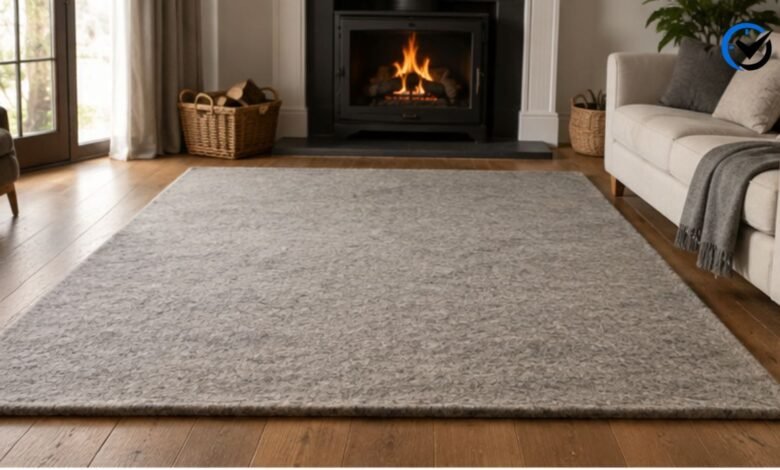
Wollmatten is a German term commonly understood as “wool mats,” but the phrase can describe more than one type of product. Depending on the context, it may refer to a soft floor covering, dense felt mat, insulation layer, protective pad, or another wool-based material. This guide explains the material, common production methods, practical benefits, limitations, care needs, and buying considerations so readers can understand what they are actually purchasing rather than relying on the name alone.
What Are Wollmatten?
At their simplest, these are mats made partly or mainly from wool fibers. Sheep’s wool is the most common source, although some products blend wool with other natural or synthetic fibers. The fibers may be woven, felted, needle-punched, compressed, or formed with a separate backing. As a result, finished mats can range from flexible and soft to firm and dense. A wool floor mat, for example, should not automatically be judged by standards used for an insulation mat.
Understanding the Material
Wool is a natural protein fiber whose main structural protein is keratin. Its fibers have a naturally crimped shape, which creates small spaces that can hold air. This structure contributes to warmth, cushioning, and sound absorption. Wool can also take in moisture vapor and release it as surrounding conditions change, which helps explain why it often feels comfortable across different indoor conditions. However, these properties do not mean every wool mat performs identically. Fiber quality, density, thickness, finishing, backing, and manufacturing method all influence the final product.
How Wool Mats Are Made
Production usually begins with sorting and cleaning the raw wool to remove dirt and unwanted material. The fibers can then be carded, which separates and aligns them before they are formed into a mat. For felted products, moisture, pressure, friction, and controlled heat can cause the scales on wool fibers to interlock. Needle-punching uses mechanical needles to entangle fibers, while woven products use yarns arranged through a textile structure. Some mats receive a backing, edge treatment, adhesive, or protective finish. The construction method should therefore be considered alongside the fiber content when assessing quality.
Main Types and Their Purposes
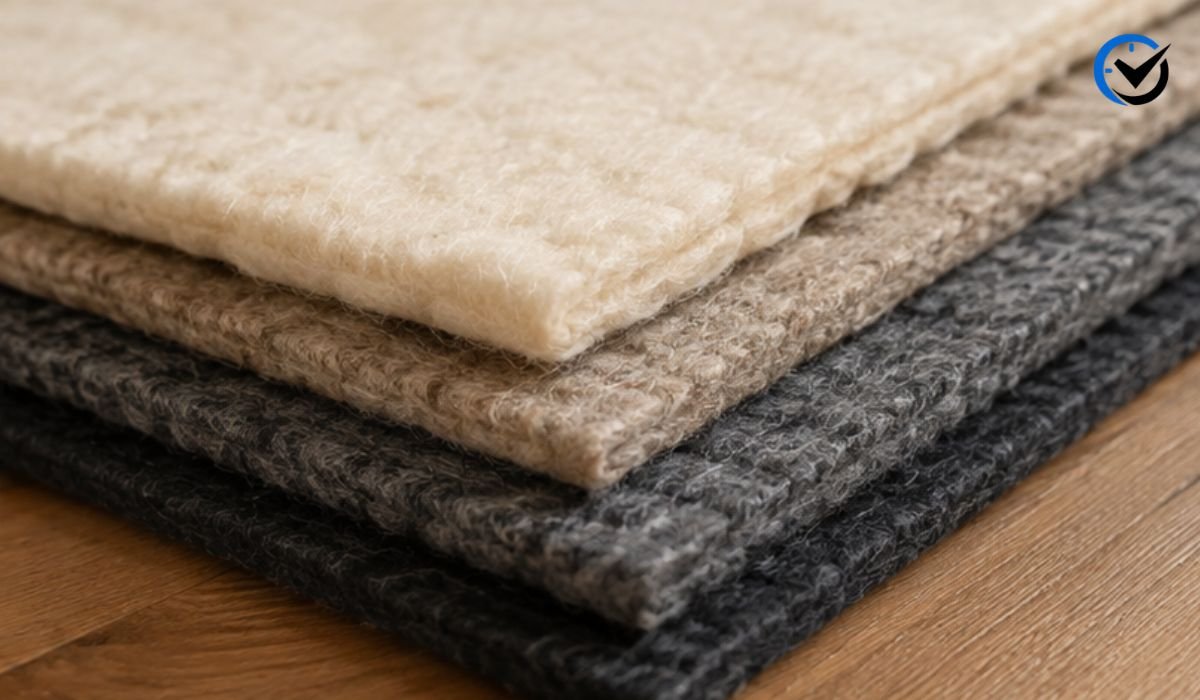
There is no single standard design for this category. Decorative wool mats are generally made for bedrooms, living rooms, offices, and other interior spaces where warmth and texture are important. Felt pads may be used beneath furniture, equipment, or decorative objects, while thicker technical mats can serve cushioning or acoustic purposes. Wool insulation products are manufactured to different specifications for walls, roofs, floors, or other building applications. Some agricultural products use wool fibers as biodegradable ground coverings. These categories may share the same basic material but should never be treated as interchangeable.
Uses in Homes and Interiors
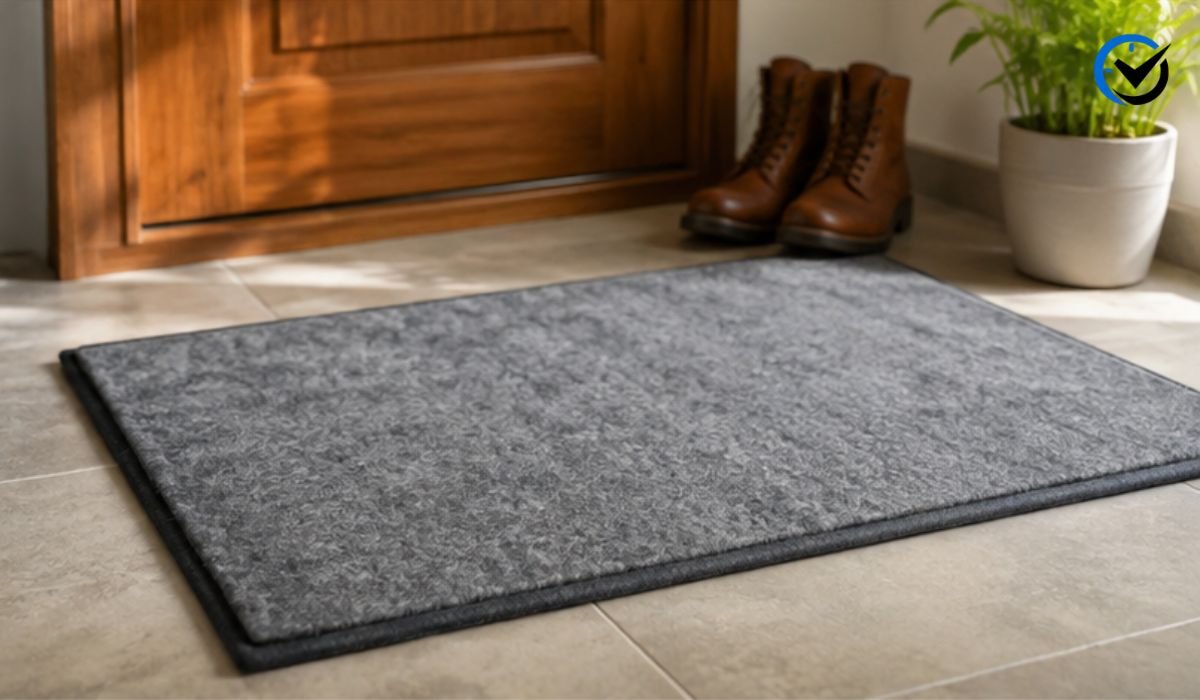
In residential spaces, wool mats are often chosen to make hard floors feel warmer and more comfortable. They can sit beside a bed, under a table, in a sitting area, or near an entrance where a suitable construction is available. Their natural texture can also soften the appearance of rooms dominated by wood, stone, tile, or other hard surfaces. Wool’s resilience can help a well-made mat recover from ordinary compression, although heavy furniture and constant foot traffic can still cause wear. The right product depends on the room, expected traffic, floor type, and desired level of softness.
Insulation and Acoustic Applications
Wool can also be processed into mats intended for building insulation and acoustic control. The air held within the fiber structure helps slow heat transfer, while the porous material can absorb some sound energy. These properties can make wool-based insulation useful in suitable walls, roofs, floors, or interior acoustic systems. Yet a decorative floor mat should not be substituted for certified building insulation. Construction products need tested performance data, appropriate density and thickness, fire information, and installation guidance. For any building project, the product’s technical rating is more important than simply seeing the word wool on its label.
Why Wool Can Be Comfortable
One of wool’s useful characteristics is its ability to interact with moisture vapor. A wool fiber can absorb a significant amount of water vapor without immediately feeling wet, while its surface can remain comparatively resistant to liquid droplets. This helps create a comfortable feel in many indoor settings. The crimped fibers also provide springiness, giving some mats a soft but supportive surface. These qualities are especially noticeable when wool is used in a well-made, appropriately thick floor covering.
Durability and Everyday Performance
Quality wool can be surprisingly resilient. Its natural elasticity allows fibers to bend and recover rather than remaining permanently flattened after every small amount of pressure. Dense construction can further improve resistance to everyday wear. Still, durability depends on much more than the raw fiber. A loosely made mat with a weak backing may wear faster than a carefully constructed product with strong edges and appropriate density. Dirt, moisture, furniture pressure, sunlight, pets, and heavy traffic also affect lifespan.
Sustainability and Environmental Considerations
Wool is renewable because sheep can produce new fleece, and natural wool fibers can biodegrade under suitable environmental conditions. These are genuine advantages when compared with some petroleum-based synthetic materials. However, calling every wool mat automatically sustainable would be too simple. Environmental impact also depends on sheep farming, land and water use, transportation, processing energy, dyes, chemical treatments, backing materials, and product lifespan. A blended mat may contain a relatively small amount of wool and may not have the same end-of-life characteristics as a mostly wool product. Buyers should look at the complete material composition rather than making assumptions from the name.
Limitations to Consider
Wool mats are not perfect for every situation. They can cost more than basic synthetic alternatives, especially when they use high-quality fibers or skilled craftsmanship. Some products may shed during early use, and natural wool can be damaged by prolonged moisture or poor storage. Certain people may also dislike the texture or smell of untreated wool. In addition, wool can attract textile pests if stored for long periods in unsuitable conditions. These limitations simply show why the intended environment and maintenance requirements should be considered before purchase.
How to Care for Wool Mats
Routine care is generally straightforward when the product is maintained according to its construction and manufacturer instructions. Regular gentle vacuuming can remove loose dust and surface debris before it becomes embedded. Small spills should normally be blotted rather than rubbed aggressively, because friction can distort fibers and spread a stain. Excess water should be avoided unless the product is specifically designed for wet cleaning. Harsh chemicals, bleach, and strong scrubbing can damage wool or change its appearance. For valuable or heavily soiled mats, professional cleaning may be safer than experimenting with household products.
Moisture, Sunlight, and Storage
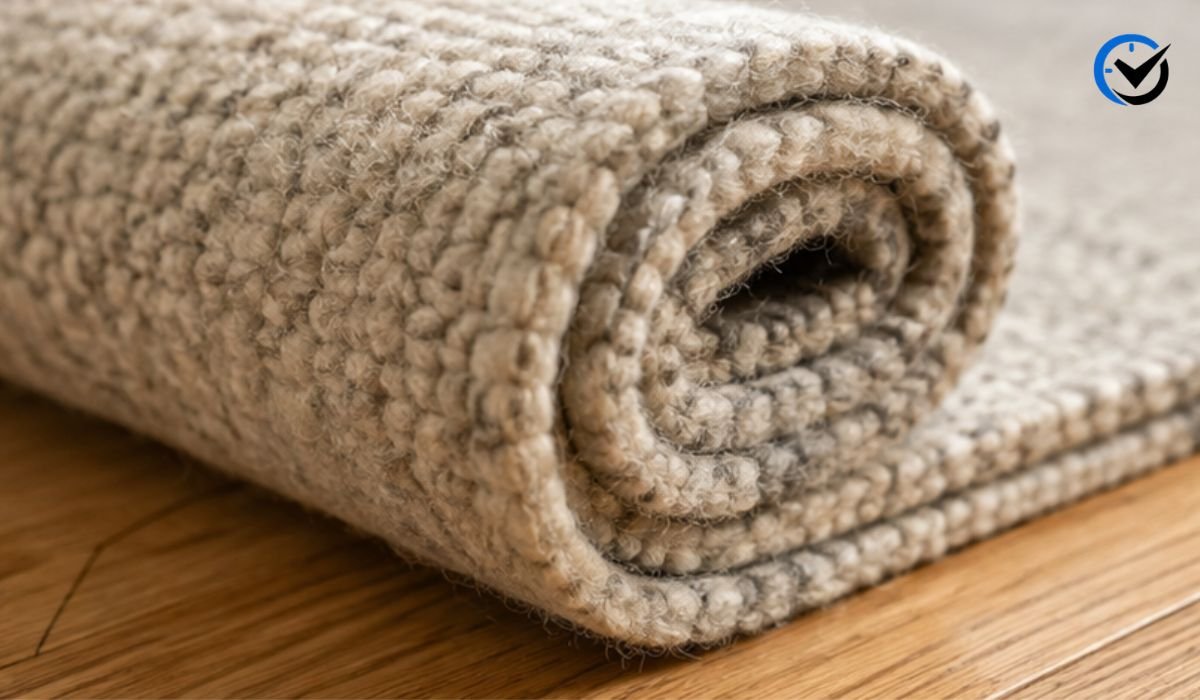
Wool can handle normal changes in indoor humidity, but prolonged dampness is a different matter. A wet mat should be dried thoroughly and promptly in accordance with its care instructions. Storing a wool mat while it is damp can encourage unpleasant odors and create conditions that support biological growth. Direct, intense sunlight may also cause gradual fading, particularly with dyed materials. When a mat is not being used for an extended period, it should be cleaned, completely dry, protected from pests, and stored in a dry, ventilated location. Avoid sealing natural wool in a damp space.
What to Check Before Buying
Start by deciding exactly what job the mat must perform. Check the fiber percentage, thickness, density, dimensions, backing, edge construction, and cleaning instructions. For a decorative floor mat, also consider how it will interact with the floor and whether an appropriate non-slip solution is needed. For insulation or acoustic work, look for verified technical specifications rather than general claims about wool. If sustainability is important, ask whether the product is pure wool or a blend and what other materials are included.
Price, Quality, and Value
The cheapest option is not necessarily the best value, and a higher price does not automatically prove superior quality. Cost can reflect wool grade, fiber percentage, density, manufacturing method, size, craftsmanship, backing, and brand positioning. Compare products by construction and intended use rather than price alone. A durable mat that remains attractive for years may offer better value than a cheaper product that loses its shape quickly. For technical applications, performance and safety requirements should come before appearance.
Final Thoughts
Wollmatten are best understood as a broad family of wool-based mats rather than one standardized product. Their natural fiber structure can provide warmth, resilience, moisture management, cushioning, and useful acoustic properties, while wool’s renewable origin can support lower-impact material choices when the full production chain is considered. At the same time, quality, construction, backing, intended use, and maintenance make a major difference. Whether the goal is a comfortable interior mat, a dense felt pad, or a specialized technical product, understanding those details leads to a more informed choice. The name tells you the main material, but the specifications tell you what the mat can actually do.
Frequently Asked Questions
1. What does Wollmatten mean?
Wollmatten is a German term generally translated as “wool mats.” It is the plural form referring to mats made from wool or containing wool. The word does not identify one particular design or application, so its exact meaning depends on the product and context.
2. Are Wollmatten made from 100% wool?
Not necessarily. Some products are made almost entirely from wool, while others combine wool with synthetic fibers, other natural fibers, adhesives, dyes, or backing materials. Always check the stated fiber composition before assuming a product is pure wool.
3. Are wool mats good for cold floors?
They can be. Wool naturally traps air within its fiber structure and can provide a warmer, softer surface over hard flooring. The actual insulating effect depends on thickness, density, floor construction, and the specific product.
4. Can wool mats be used outdoors?
Some wool-based products are designed for outdoor or agricultural use, but ordinary indoor floor mats are not automatically suitable for outdoor exposure. Rain, prolonged dampness, sunlight, and soil can shorten their life. Outdoor use should only be considered when the product is specifically designed for it.
5. Do wool mats absorb water?
Wool can absorb moisture vapor and some liquid, but it does not behave like a sponge. Its surface has natural characteristics that can slow liquid penetration, giving time to blot a spill. Excess moisture can still damage a mat if it is not dried properly.
6. How often should a wool mat be cleaned?
Light routine cleaning can be done regularly, with frequency based on traffic and the environment. Vacuuming is useful for removing surface dirt, while stains should be addressed promptly. Deep cleaning should follow the product’s specific care instructions rather than a fixed schedule for every mat.
7. Do wool mats attract insects?
Wool can be vulnerable to certain textile pests, particularly when stored for long periods in dark, undisturbed conditions. Keeping mats clean, dry, and properly stored can reduce the risk. Long-term storage should include appropriate protection and regular inspection.
8. Are wool mats suitable for people with allergies?
It depends on the individual and the product. Wool itself is not automatically an allergen for everyone, but dust, finishes, dyes, or other materials associated with a mat may cause problems for sensitive users. Keeping the mat clean and choosing a product with clearly stated materials can help.
9. How long can a quality wool mat last?
There is no universal lifespan because construction, traffic, maintenance, fiber quality, and environment all vary. A well-made wool mat can remain useful for many years when properly maintained, while a poorly constructed or heavily abused product may wear much sooner.
10. What is the most important factor when buying Wollmatten?
The most important factor is matching the mat to its intended purpose. Look beyond the name and compare fiber content, construction, density, thickness, backing, care requirements, and any relevant performance ratings. A product designed for one application may be unsuitable for another even if both are made from wool.
Recommended: Crocolini: The Complete Guide to Nutrition, Health Benefits, Cooking, and Storage



One Comment