


Technology changes so quickly that a useful guide needs to do more than name the newest device or repeat a trend. The Latest in Tech at AlienSync points readers toward a broad mix of gadgets, artificial intelligence, software, cloud services, cybersecurity, automation, connected devices, and digital experiences. The AlienSync technology category also covers automation, AI translation, predictive analytics, browser-based software, smart technology, and online security. This range matters because modern technology is no longer divided into neat boxes. A phone can use AI, a home device can connect to cloud services, and business software can combine automation with analytics. This article explains what these developments mean, where they are useful, and what users should consider before adopting them.
What Makes Today’s Technology Different
One major change is the shift from isolated products to connected experiences. A gadget is increasingly valuable because it can communicate with other devices, applications, and online services. Smart watches can work with phones, home systems can respond to apps, and business software can share information across departments. This can save time and reduce manual work, but it also creates new responsibilities. Users need to consider security, updates, permissions, privacy, and compatibility instead of judging a product only by its features.
New Gadgets Are Becoming More Useful
New gadgets are not simply getting faster; many are becoming more aware of context. Wearables can track activity and provide timely information, while smart home products can automate lighting, temperature, entertainment, and other routines. Phones and computers increasingly include AI features that can summarize information, improve images, organize content, or assist with everyday tasks. The most useful device is not always the one with the largest specification sheet. Practical value comes from reliability, battery life, software support, ease of use, accessibility, and compatibility.

Artificial Intelligence Is Moving Into Everyday Tools
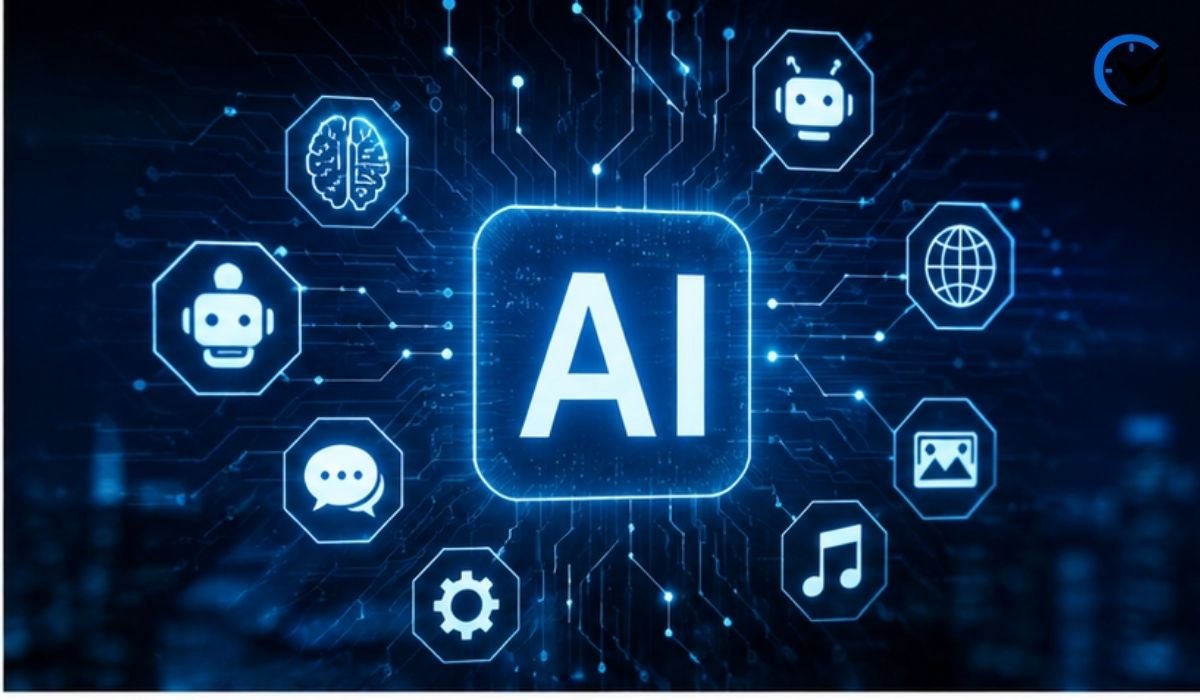
Artificial intelligence has moved beyond specialist software into everyday products. Generative AI can draft text, create images, translate, summarize documents, and support research, while AI agents can complete sequences of tasks rather than answer one request at a time. Businesses use AI for customer service, forecasting, document processing, personalization, and workflow automation. AI is not automatically accurate. Treat its output as assistance, verify important information, and avoid sharing sensitive data without understanding how it is handled.
AI Is Changing Search, Translation, and Content Work
AI is also making digital information easier to produce and understand. Translation systems can help organizations communicate across languages, while AI-assisted content tools can turn a basic idea into a draft, visual, summary, or video workflow. This can help small teams without large production departments. Human review remains important because language, cultural context, facts, brand voice, and judgment can be difficult for automated systems. Good technology reduces repetitive effort; it does not remove careful review.
Cloud and Edge Technology Keep Services Connected
Cloud computing remains a foundation of modern digital services. Applications can use remote infrastructure for storage, processing, backups, collaboration, and large workloads. Edge computing processes some information closer to where it is created, reducing delays for applications that need fast responses. Together, cloud and edge systems support streaming, connected devices, business platforms, AI services, and real-time applications. For users, the benefit is often invisible: services remain available across devices while demanding tasks happen behind the scenes.

Connected Devices Bring Convenience and Risk
The Internet of Things has made everyday objects part of digital networks. Cameras, appliances, sensors, vehicles, watches, and industrial equipment can collect information and communicate with other systems. This can improve convenience and help businesses monitor equipment, energy use, inventory, and production. Every connected device can also become an entry point for attackers if poorly protected. Strong passwords, multi-factor authentication, firmware updates, secure networks, and careful permissions are basic safeguards. Convenience should never be treated as a reason to ignore security.
Cybersecurity Is Becoming a Daily Technology Skill
Cybersecurity is no longer only an issue for large companies or specialists. Users face phishing, fake applications, account theft, malicious links, data leaks, and increasingly convincing automated scams. Security therefore depends on habits as much as software. Unique passwords, a password manager, multi-factor authentication, updated systems, and careful permissions can make a meaningful difference. Businesses also need access controls, backups, training, monitoring, and incident response. As services become more connected, basic digital security is becoming as important as knowing how to use the technology.
Automation Is Redefining Routine Work
Automation is another major technology theme. Simple automation can move information between systems, send notifications, organize records, or generate routine reports. Advanced systems combine automation with AI to classify information, identify patterns, and choose predefined actions. The goal is not necessarily to replace human tasks. In many workplaces, automation removes repetitive work so people can focus on decisions, relationships, creative work, and problems requiring judgment. Organizations should focus on training and workflow redesign rather than assuming every human task can be removed.
Data and Predictive Analytics Are Becoming More Practical
Technology becomes more useful when organizations turn information into decisions. Predictive analytics uses historical and current data to identify patterns that may help estimate outcomes. Businesses use it for demand planning, customer behavior, maintenance, fraud detection, inventory, and operations. Results depend heavily on data quality and system design. A prediction is not a guarantee, so organizations should consider bias, missing information, and changing conditions before relying on automated analysis. Good analytics supports human decisions instead of pretending to eliminate uncertainty.
Software Is Moving Toward Flexible, Browser-Based Experiences
Software is becoming less tied to one machine. Browser-based applications let users work from different computers while keeping files and settings available online. This can simplify collaboration and reduce manual updates. Users should also consider offline access, privacy, account recovery, subscription costs, and data portability. A convenient service can still create dependence on a provider. Strong digital tools balance convenience with control over accounts, files, permissions, and information.
What Readers Should Watch Next
Future developments will likely come from combinations rather than one isolated invention. AI will continue to merge with software, mobile devices, security, robotics, and connected products. Augmented and virtual reality may become more useful as hardware gets lighter and applications improve. Privacy technology, stronger identity systems, faster networks, and efficient computing will also shape digital services. Readers should focus less on dramatic predictions and more on tools that solve clear problems and offer reliable improvements.
Final Thoughts
The Latest in Tech at AlienSync reflects a technology world that is increasingly connected, intelligent, automated, and software-driven. New gadgets are becoming more useful when they work smoothly with other services, AI is entering everyday applications, cloud and edge computing keep digital experiences running, and cybersecurity is becoming a basic part of responsible technology use. At the same time, users should look beyond novelty and ask practical questions about privacy, reliability, cost, security, accessibility, and long-term value. The strongest technology is not necessarily the newest technology; it is the technology that solves a real problem while giving people enough control to use it safely and effectively.
Frequently Asked Questions
1. What is The Latest in Tech at AlienSync?
The phrase refers to technology-focused coverage associated with AlienSync, including new gadgets, artificial intelligence, software, automation, cybersecurity, cloud technology, connected devices, and broader digital developments. The category is broad, so readers may encounter guides, explainers, industry developments, and emerging tools. Look for clear explanations of what a technology does, who benefits, and what risks should be considered.
2. What types of technology does AlienSync cover?
AlienSync’s technology coverage spans several areas, including AI, software, automation, cybersecurity, connected technology, cloud services, analytics, and digital tools. Its technology archive also includes practical subjects such as translation platforms, browser-based office software, predictive analytics, smart technology security, and AI development. Its exact mix of topics can vary over time. It is best viewed as a broad technology section, not a catalog for one product line.
3. Why is artificial intelligence such an important technology trend?
AI is important because it can process large amounts of information and assist with tasks that once required significant manual effort. It is now used for writing assistance, translation, image and video creation, customer support, data analysis, recommendations, and software development. It is also important because it can be added to existing applications. Usefulness still depends on accuracy, data quality, privacy controls, and human oversight. AI is best understood as a powerful tool whose results still need appropriate judgment.
4. Are new smart gadgets worth buying?
A new smart gadget is worth considering when it solves a real problem or provides a clear improvement over what you already own. Features alone are not enough. Buyers should check compatibility, battery performance, software support, privacy settings, repair options, warranty terms, and long-term costs. A device that fits an existing ecosystem may be more useful than a technically impressive product that creates compatibility problems. Reviews and software updates can reveal whether a new product delivers practical value.
5. How can people use AI safely?
Safe AI use starts with understanding what information a service receives and how that information may be stored or used. Users should avoid entering passwords, confidential business records, private financial information, or other sensitive material unless they have a clear reason and appropriate protections. Important AI-generated claims should be checked against trustworthy information. Users should also review permissions and account security settings. Organizations should establish rules for data handling, human review, and acceptable AI uses.
6. How does cloud computing affect everyday users?
Cloud computing allows many services to store and process information on remote infrastructure rather than relying only on a local device. It supports online storage, email, streaming, collaboration tools, backups, and many mobile applications. For users, this can make information easier to access across devices and simplify collaboration. The trade-off is greater dependence on internet access and providers. Account security, backups, privacy policies, and data export are therefore worth considering.
7. Why is cybersecurity important for smart home devices?
Smart home devices often connect to networks and may collect information about people, routines, locations, or activity. If a device has weak security, outdated software, or an exposed account, attackers may have an opportunity to access it or use it as a stepping stone toward other systems. Users should change default passwords, install updates, enable security features, secure Wi-Fi, and remove unused devices. Connected devices should be treated as part of the home’s digital security system.
8. Will automation replace human workers?
Automation can reduce the amount of time people spend on repetitive tasks, but its effect on jobs varies by industry and role. Some tasks may disappear, while other roles change and new responsibilities emerge. Workers may spend more time reviewing results, handling exceptions, communicating with customers, or making decisions that require context. Organizations should focus on training and workflow redesign rather than assuming every human task can be removed. Human judgment remains important when situations are complex or consequences are significant.
9. What technology trends should businesses watch?
Businesses should pay attention to technologies that improve efficiency, security, customer experience, and decision-making. AI and automation are important, but so are cybersecurity, cloud infrastructure, data quality, analytics, digital identity, and connected systems. Companies should avoid adopting a technology simply because it is fashionable. A better approach is to define a business problem first, compare possible solutions, test them on a limited scale, and measure the results. This keeps technology investment connected to practical outcomes.
10. How can readers keep up with fast-changing technology?
Readers can stay informed by following reliable technology coverage, checking product documentation, comparing independent reviews, and paying attention to security announcements and software updates. It also helps to separate genuine releases from speculation or promotional claims. Technology changes quickly, but not every feature deserves immediate adoption. Learning the basic ideas behind AI, cloud computing, cybersecurity, automation, and connected devices makes it easier to evaluate new developments without being distracted by hype.
Recommended: Newsletter From Shopnaclo: What It Offers, How It Works, and Who Should Subscribe



One Comment