
Crocolini: The Complete Guide to Nutrition, Health Benefits, Cooking, and Storage

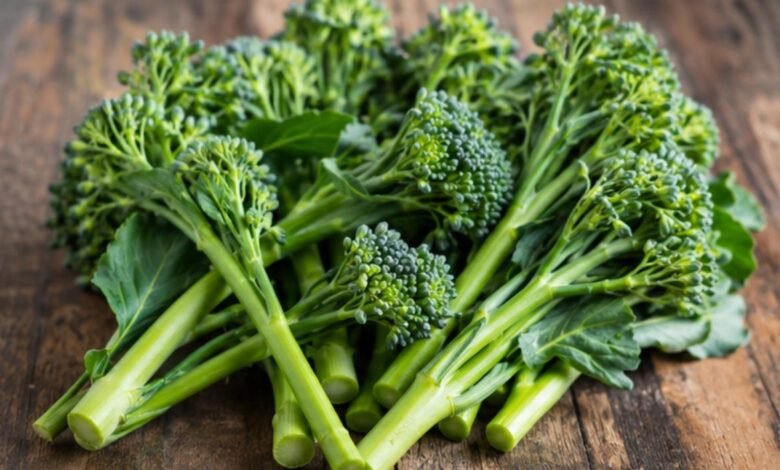
Crocolini is a name that can cause some confusion because it is often used online when people mean broccolini. In most food contexts, the vegetable being described is the slender, tender-stemmed green related to broccoli and Chinese broccoli. It has small florets, edible leaves, and a mild flavor that fits many meals. This guide explains what the name usually refers to, its nutrition and potential benefits, how it compares with broccoli, the easiest cooking methods, and practical advice for choosing and storing it.
What Is Crocolini?
In everyday culinary use, Crocolini generally refers to broccolini rather than a separate, universally recognized vegetable. Broccolini is a cultivated cross involving conventional broccoli and Chinese broccoli, also called gai lan. It has broccoli-like florets but longer, thinner stems and a more delicate structure. It is not simply immature broccoli harvested early. The stalks, leaves, and small flowering heads are edible, which makes preparation easy. Because the name is not standardized, checking the product label and appearance is sensible when shopping.
How Does It Taste?
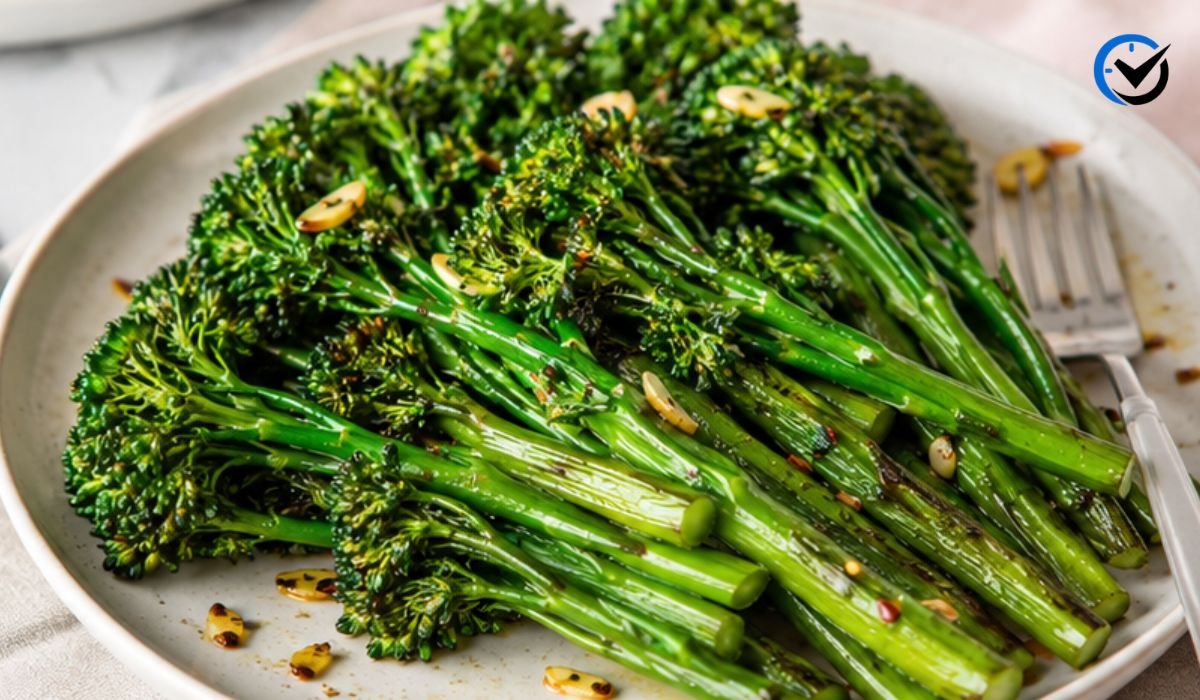
Flavor is one reason this vegetable appeals to people who find regular broccoli too strong. It is usually milder, slightly sweeter, and less bitter, with crisp stems when lightly cooked. Some people notice a faint peppery or cabbage-like note, especially when eating it raw. Cooking changes the character: steaming keeps it fresh and delicate, while roasting creates browned edges and deeper sweetness. Garlic, lemon, chili, sesame, and olive oil pair naturally with it. Its gentle flavor also lets it fit easily into dishes from different cuisines.
Crocolini vs. Broccoli
The difference between broccolini and standard broccoli is easy to see. Broccoli generally forms a larger, compact head with a thicker central stalk, while broccolini has several narrow stems topped by small florets. The thinner stems usually need little trimming and cook quickly. Broccoli has a stronger, earthier bite, while broccolini offers a lighter texture and slightly sweeter taste. Nutritionally, neither should be considered automatically superior. Both are cruciferous vegetables that can provide fiber, vitamins, minerals, and useful plant compounds as part of a varied diet.
Nutritional Profile
This vegetable is naturally low in calories while providing fiber, protein, potassium, and several vitamins and minerals. Exact values vary by serving size and preparation, but 100 grams of raw broccolini is commonly reported at about 35 calories, 6 grams of carbohydrate, 3.5 grams of protein, and roughly 5 grams of fiber. It also provides vitamin C, vitamin K, vitamin A, iron, calcium, and potassium. That combination makes it a convenient way to add volume and nutrients to a meal without relying on heavily processed ingredients.
Fiber, Vitamins, and Plant Compounds
Fiber is another useful feature. Adequate dietary fiber supports normal digestion, contributes to regular bowel function, and can make meals more satisfying. Cruciferous vegetables also contain naturally occurring compounds such as glucosinolates and other phytochemicals that have been studied for their biological activity. These findings are interesting, but they should not be turned into claims that one vegetable prevents or cures disease. Vitamin C supports normal immune function and helps the body absorb iron from plant foods, while vitamin K plays an important role in normal blood clotting and bone health. Potassium supports normal nerve and muscle function. Because these nutrients work within the wider diet, variety still matters.
Potential Health Benefits
Including cruciferous vegetables in a balanced diet can contribute to overall health because they combine fiber, micronutrients, and plant compounds in a relatively low-calorie food. Regular vegetable intake is associated with many positive dietary patterns, although no single vegetable can guarantee a particular health outcome. The vitamin C content supports normal immune processes, fiber supports digestive health, and potassium contributes to normal muscular and nerve function. Its nutrient density can also make meals more satisfying without relying heavily on refined carbohydrates or highly processed foods. The strongest benefit comes from eating a wide variety of vegetables rather than depending on one ingredient.
How to Choose and Prepare It
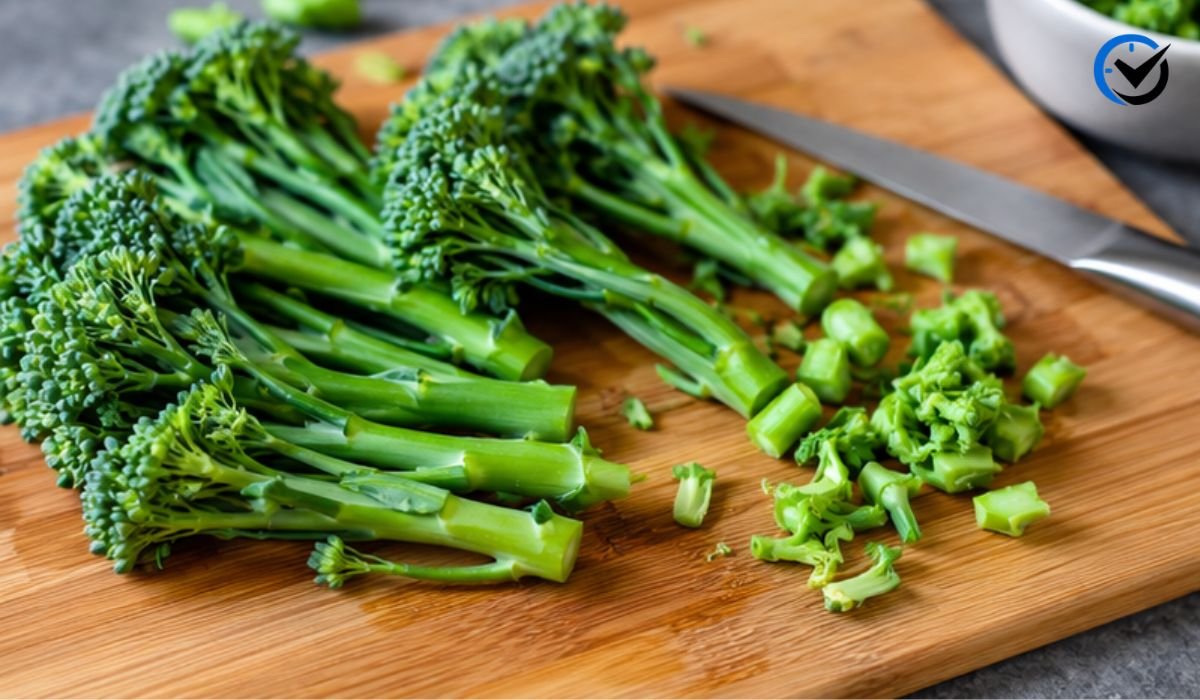
When shopping, look for firm stems, crisp leaves, and compact florets with a fresh green appearance. Avoid produce that is slimy, badly wilted, strongly discolored, or has an unpleasant odor. Freshness matters more than size, because larger bunches are not automatically better. Preparation is simple because most of the vegetable can be eaten. Rinse it under cool running water, drain it well, and trim only the tough bottom ends. Fresh, slender stems usually do not need peeling. Keep the leaves attached and leave the small florets whole unless a recipe calls for smaller pieces. Minimal trimming also reduces kitchen waste.
Best Ways to Cook It
Several cooking methods work well. Steaming produces tender stems and bright florets, while sautéing quickly builds flavor with garlic, ginger, chili, or sesame. Roasting at high heat creates browned edges and brings out natural sweetness. Grilling adds smoky char, and stir-frying works particularly well with noodles, rice, tofu, meat, or other vegetables. It can also be eaten raw when fresh and tender. Cooking can change the amount of certain nutrients and plant compounds available in the final dish. Long boiling may allow some water-soluble compounds to move into the cooking water, while research on broccolini has found reductions in some phenolic compounds after cooking. For everyday meals, shorter cooking times and avoiding unnecessary overcooking are sensible choices.
Easy Meal Ideas
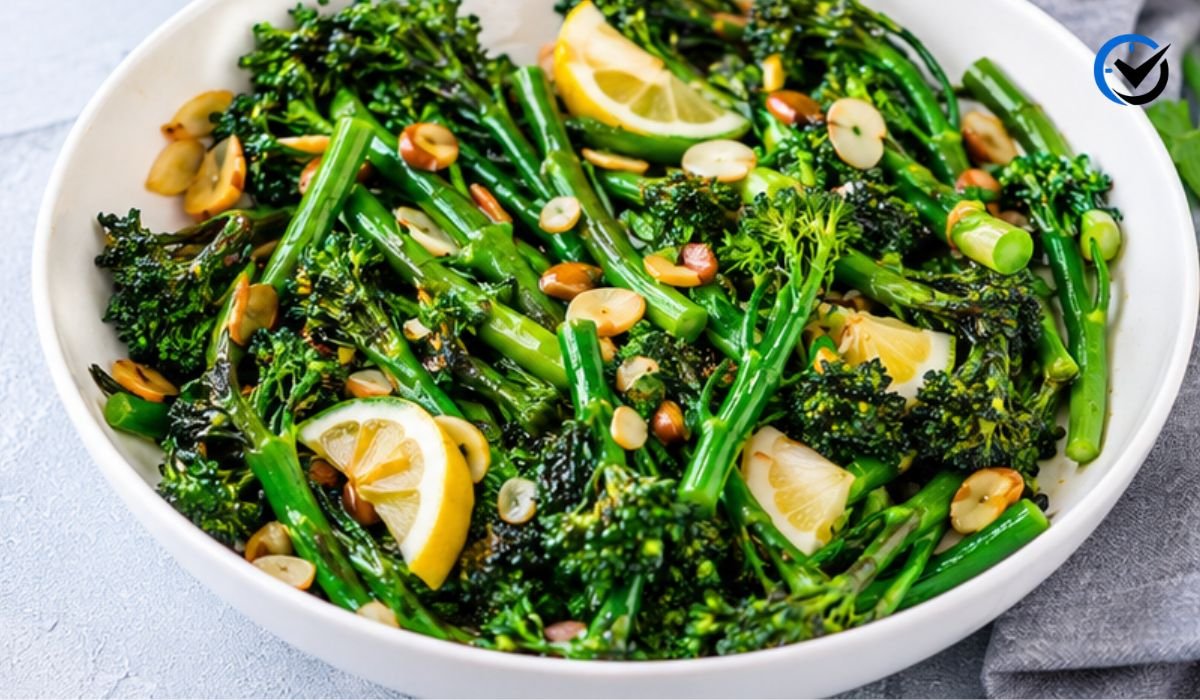
Its mild flavor makes it flexible enough for many cuisines. Try roasted stalks beside grilled fish, chicken, tofu, beans, or lentils, or toss sautéed pieces through pasta with garlic and lemon. It can also be added to rice bowls, noodle dishes, omelets, frittatas, grain salads, soups, and stir-fries. For a simple side dish, steam or sauté it briefly, then finish with olive oil, lemon juice, black pepper, and a small amount of grated cheese or toasted seeds. A stronger sauce is not always necessary because the vegetable already has a fresh, slightly sweet character. Pairing it with contrasting textures such as nuts or seeds can make a simple dish more satisfying.
Storage, Freezing, and Food Safety
Keep fresh bunches refrigerated, preferably in a loose produce bag or container that does not trap excessive moisture. If the vegetable is wet after washing, drying it before storage can help slow spoilage. It is generally best used within several days while the stems remain firm and the florets look fresh. For longer storage, wash and trim it, blanch it briefly, cool it quickly in ice water, drain it thoroughly, and freeze it in an airtight container or bag. Frozen pieces will be softer than fresh ones, so they work best in soups, pasta, stir-fries, and casseroles. People sensitive to high-fiber or cruciferous foods may prefer smaller portions, while anyone with a known food allergy should avoid the ingredient that causes a reaction.
Final Thoughts
Crocolini is best understood as a commonly used name associated with broccolini, a versatile cruciferous vegetable with slender edible stems, small florets, and a mild flavor. Its combination of fiber, vitamins, minerals, and plant compounds makes it a useful addition to a varied diet, while its quick cooking time makes it especially practical for everyday meals. Choose firm, fresh bunches, trim only what is necessary, avoid prolonged overcooking, and refrigerate leftovers promptly. Whether steamed with lemon, roasted until lightly browned, or tossed into a stir-fry, this vegetable can add color, texture, and useful nutrition without making meals complicated.
Frequently Asked Questions
1. Is Crocolini the same as broccolini?
In most food-related uses, yes. Crocolini is commonly used as an informal or mistaken spelling of broccolini, the slender-stemmed vegetable related to broccoli and Chinese broccoli. Because Crocolini is not a standardized botanical name, the meaning can depend on where you see the word. If you are shopping for the established vegetable, broccolini is the clearer name to look for.
2. Is it actually baby broccoli?
Not exactly. Broccolini is not simply ordinary broccoli harvested while it is young. It was developed from broccoli and Chinese broccoli and has its own characteristic long stems, small florets, and edible leaves. The phrase baby broccoli is sometimes used in stores because of its appearance, but it can give the misleading impression that the vegetable is immature standard broccoli.
3. Can you eat the stems and leaves?
Yes. The tender stems and leaves are edible, along with the small florets. Usually, only the tougher bottom portion of the stems needs trimming. Fresh stems are often tender enough that peeling is unnecessary. Using most of the bunch also reduces kitchen waste and makes preparation faster, which is one of the vegetable’s most practical advantages.
4. Does it taste like regular broccoli?
It has a related flavor but is usually milder, slightly sweeter, and less bitter. The thin stems have a crisp texture when lightly cooked, while the florets become tender quickly. Roasting and grilling create deeper, sweeter flavors, whereas steaming keeps the taste delicate. Its mild profile makes it useful with garlic, lemon, chili, sesame, cheese, and many simple sauces.
5. What is the healthiest way to cook it?
There is no single best method for every person, but short steaming, quick sautéing, and brief roasting are practical choices. They can provide good texture without prolonged cooking or large amounts of water. The main point is to avoid turning the vegetable soft and overcooked. A method that tastes good and fits your normal meals is more useful than chasing a perfect technique you will rarely use.
6. Is it good for weight management?
It can fit well into a weight-conscious eating pattern because it is relatively low in calories while providing fiber and useful nutrients. However, no vegetable causes weight loss by itself. Overall calorie intake, protein, activity, sleep, and eating habits matter far more. Pairing it with a sensible portion of protein and a satisfying source of healthy fat can make a balanced meal.
7. How long does it last in the refrigerator?
Freshness varies according to harvesting and storage conditions, but it is generally best used within several days. Keep it refrigerated and check the stems and florets before cooking. Sliminess, a strong unpleasant odor, or extensive deterioration are signs that it should be discarded. Slight wilting does not always mean spoilage, but the quality and texture will decline as the vegetable ages.
8. Can you eat it raw?
Yes. Fresh, tender stems, leaves, and florets can be eaten raw in salads, vegetable plates, and crunchy bowls. The texture is firmer and the flavor may be somewhat stronger than when cooked. Wash the vegetable thoroughly before eating. If raw cruciferous vegetables cause digestive discomfort, steaming or sautéing may make them easier for you to tolerate.
9. Is it better than broccoli?
Not necessarily. Both vegetables provide useful nutrients and can contribute to a healthy diet. Their main differences are shape, texture, flavor, cooking time, and personal preference. Broccolini is convenient when you want tender edible stems and quick cooking, while standard broccoli may work better when a recipe calls for larger florets. The better choice is usually the one that suits the meal and that you enjoy eating.
10. What is the best way to store leftovers?
Place cooked leftovers in a clean, covered container and refrigerate them promptly. For the best quality, use them within a few days and reheat gently so the stems do not become overly soft. Leftover pieces work well in omelets, pasta, rice bowls, soups, and stir-fries. If they develop an unusual smell, slimy texture, or other signs of spoilage, discard them rather than trying to save them.
Recommended: Palentu: Meaning, History, Ingredients, Recipe, Nutrition, and Cultural Origins





One Comment