

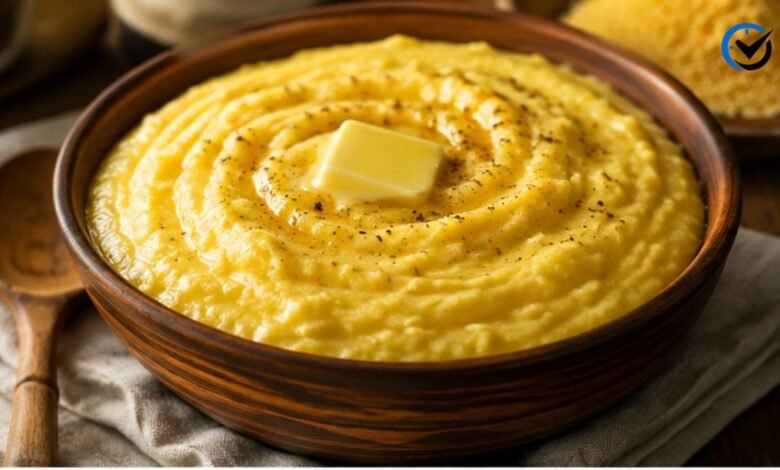
Palentu is a name that can cause some confusion because it is closely connected with the better-known word palenta, which refers to a cooked cornmeal dish similar to polenta. In Serbo-Croatian usage, “palentu” is also the accusative form of “palenta,” so it is not necessarily the name of a completely separate food. In practical terms, people searching for Palentu are often looking for information about a traditional cornmeal preparation found across parts of the Balkans, Croatia, Bosnia and Herzegovina, Serbia, Montenegro, and neighboring food cultures. Simple ingredients, flexible preparation, and a mild flavor have helped this dish remain part of home cooking for generations.
What Is Palentu?
At its simplest, Palentu is a thick dish prepared by cooking ground cornmeal or corn grits in liquid until the mixture becomes soft and cohesive. Water is the most traditional cooking liquid, although milk, broth, or a mixture can also be used depending on the recipe. The finished texture can range from loose and creamy to quite firm. When served hot, it works much like a porridge or soft side dish. When cooled and allowed to set, it can be sliced, grilled, baked, or fried. This flexibility is one reason cornmeal dishes of this kind appear in so many regional cuisines.
The terminology deserves attention because food names change across languages and regions. Palenta is the common South Slavic term, while polenta is widely recognized in Italian and international cooking. Related Balkan preparations may also be called pura, kačamak, or žganci, although these names do not always describe exactly the same recipe or texture. “Palentu” is particularly important linguistically because it can simply represent the grammatical form of the word palenta rather than a distinct culinary category. Understanding this prevents readers from assuming that every spelling refers to a different dish.
History and Cultural Origins
The broader history of this food is linked to the spread of corn in Europe. Corn originated in the Americas and became established in Europe after the Columbian exchange. Over time, it became an important crop in many parts of southern and southeastern Europe because it could produce substantial amounts of food and could be ground into meal for everyday cooking. Traditional cornmeal dishes eventually became associated with rural households, regional food traditions, and practical family meals.
In the Balkans, cornmeal preparations developed into many local forms. In Croatia, palenta and related dishes have long been part of traditional cooking, while similar foods appear in Bosnia and Herzegovina, Serbia, Montenegro, Slovenia, and other nearby areas. Regional differences can involve the grind of the cornmeal, the amount of water, cooking time, texture, and accompanying foods. Some versions are soft enough to eat with a spoon, while others are cooked more firmly and served in pieces.
The cultural importance of this type of food comes partly from its simplicity. A household did not need expensive ingredients or complicated equipment to prepare it. Cornmeal, water, and salt could produce a filling meal, while butter, milk, cheese, cream, meat, vegetables, or sauces could make it richer. In difficult economic periods, such staples could be particularly valuable because they were inexpensive and adaptable. That practical history helps explain why the dish remains connected with traditional home cooking rather than being remembered only as a restaurant specialty.
Traditional Ingredients
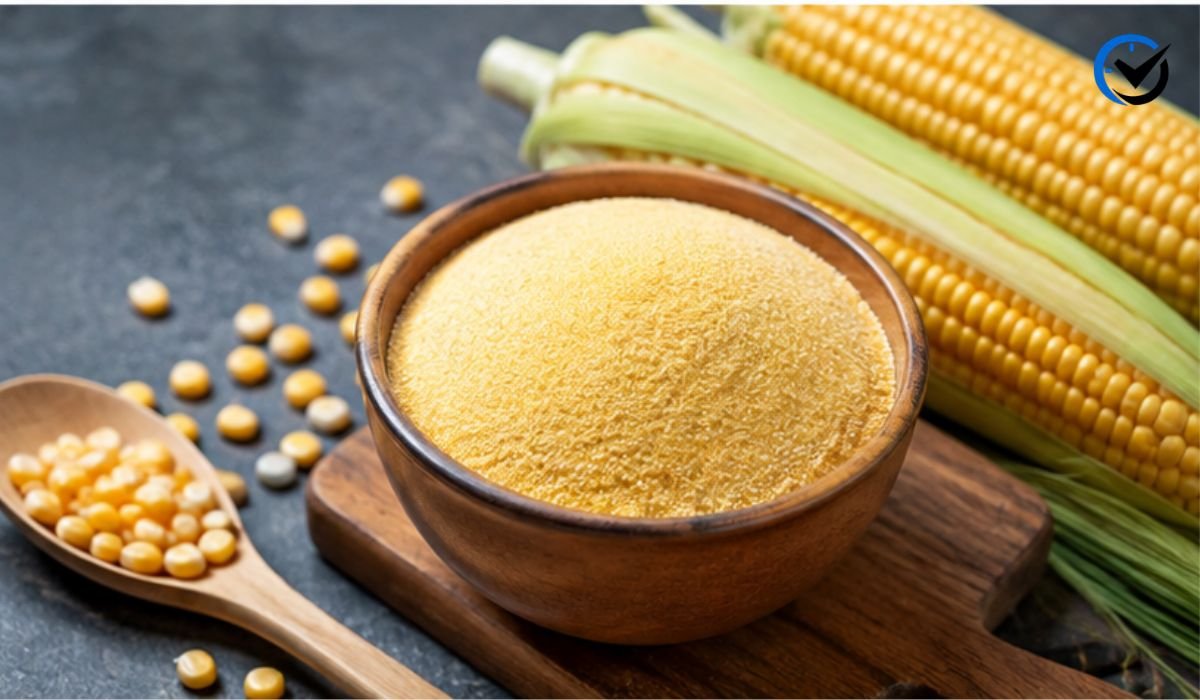
The basic ingredient is finely or moderately ground cornmeal, sometimes sold as corn grits depending on the region and product. Water provides the simplest base, and salt is usually added to bring out the natural flavor of the corn. Beyond these essentials, recipes vary considerably. Butter can add richness, while milk produces a softer and creamier result. Cheese is another common addition, particularly in Balkan-style preparations where the finished dish may be served with fresh, soft, or salty cheese.
The quality and grind of the cornmeal affect the final result. A fine meal generally cooks more quickly and produces a smoother texture, while a coarser grind can create a more rustic dish and may require longer cooking. Traditional cooks may also prefer particular types of cornmeal because of regional availability and family habits. There is no single universal ingredient ratio because the desired consistency differs from one preparation to another.
How to Make Palentu
A basic preparation starts by bringing salted water to a boil in a suitable saucepan. The cornmeal should then be added gradually while the liquid is stirred continuously. Adding it slowly is important because pouring in too much at once can create lumps. Once the meal has been incorporated, the heat should be reduced and the mixture cooked until the grains soften and the desired thickness develops. The cooking time depends on the type of cornmeal, so package instructions are useful when using a modern commercial product.
Traditional, coarse cornmeal can require substantially more cooking than quick-cooking varieties. During cooking, regular stirring helps prevent sticking and produces a more even texture. If the mixture becomes too thick before the cornmeal is fully cooked, a small amount of hot water can be added. For a richer version, butter or milk may be stirred in toward the end. Cheese can also be added at this stage if a savory, creamy preparation is wanted.
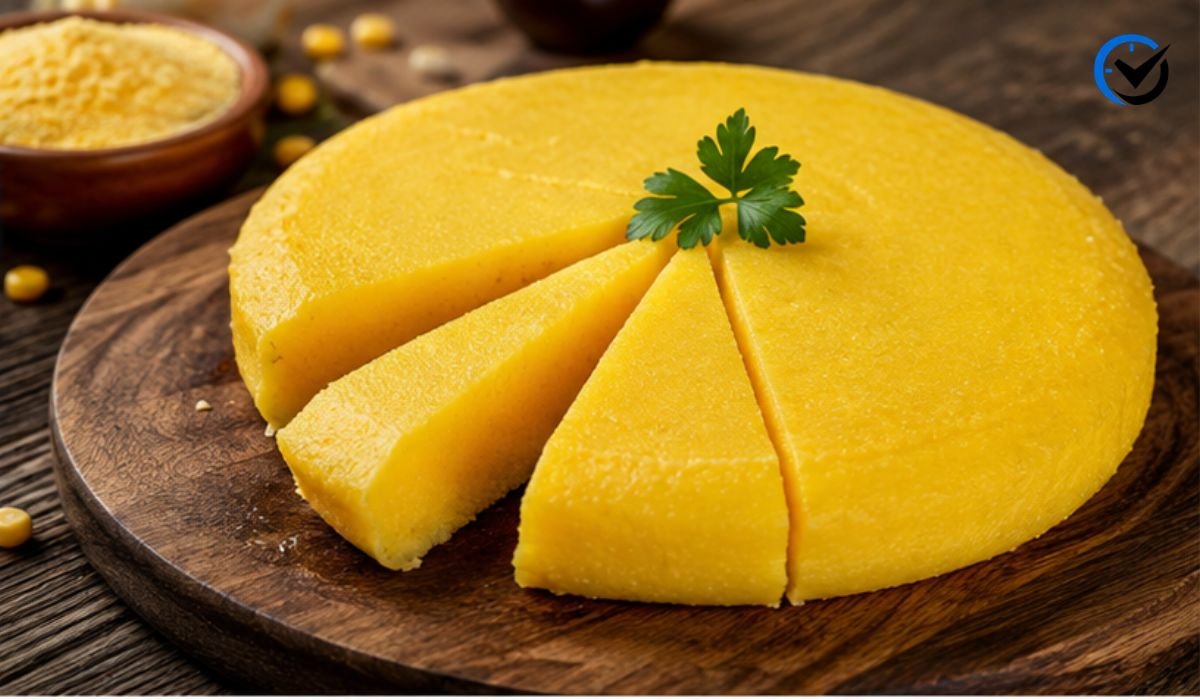
Once cooked, the dish can be served immediately while it is soft and warm. This is often the simplest way to enjoy it because the creamy texture pairs easily with other foods. For a firmer version, the cooked mixture can be spread into a shallow dish and allowed to cool. After setting, it can be cut into slices or pieces and cooked again in a pan, oven, or grill. The second cooking creates a browned exterior while leaving the inside tender.
How It Is Traditionally Served
Serving customs vary widely, which makes this cornmeal dish especially interesting from a cultural perspective. In parts of the Balkans, it may be served with milk, yogurt, sour cream, or cheese, making it suitable for breakfast or a simple evening meal. It can also accompany stews, roasted meat, vegetables, or sauces. In Croatian cooking, regional preparations have traditionally been paired with dishes such as fish stews, meat in sauce, and other hearty foods.
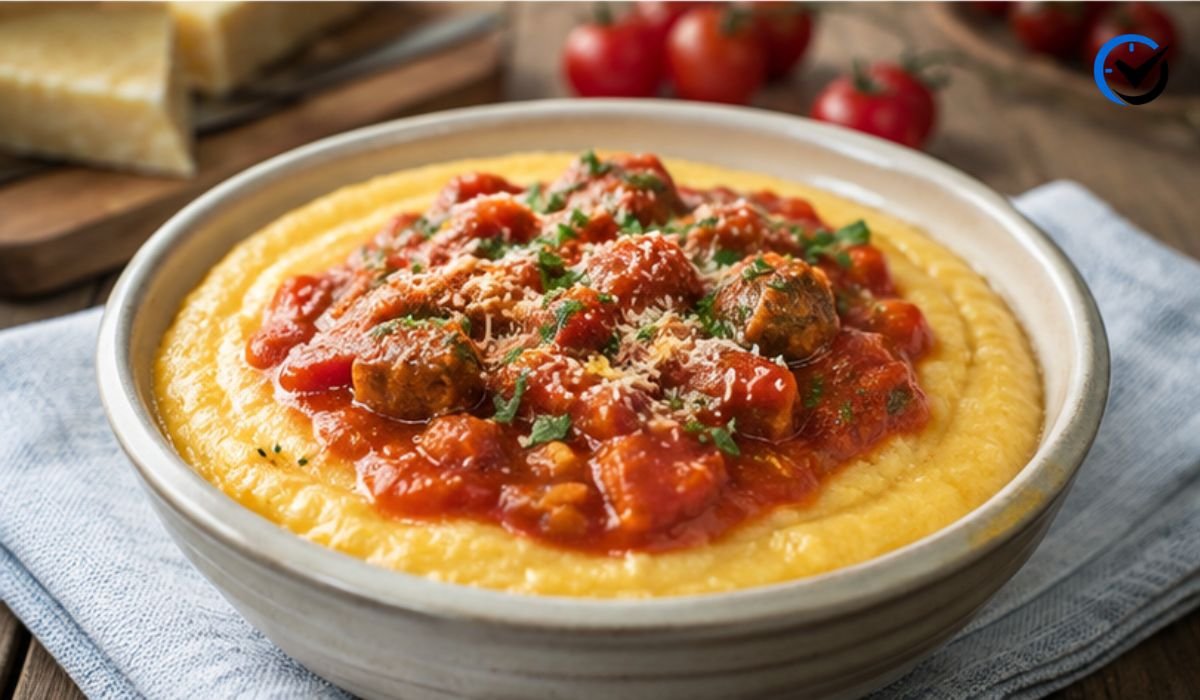
The mild flavor makes it a useful base for stronger ingredients. A tomato-based sauce can provide acidity, mushrooms can add earthiness, and cooked vegetables can turn it into a more complete meal. Cheese and butter create a richer version, while herbs can add freshness. The dish can therefore move easily between a humble family staple and a carefully plated modern meal without losing its basic character.
Nutrition and Dietary Considerations
From a nutritional standpoint, plain cooked cornmeal is primarily a source of carbohydrates and provides some protein and dietary fiber, with the exact amounts depending on the cornmeal used. The nutritional profile changes significantly when butter, cheese, cream, or other rich ingredients are added. A simple water-based preparation is naturally much lighter than a version loaded with dairy products or served alongside fatty meats.
Corn itself does not naturally contain gluten, which means plain cornmeal can fit into a gluten-free diet. However, people who must strictly avoid gluten should check product labels because packaged ingredients may be processed in facilities that handle grains containing gluten, and some prepared products may contain additional ingredients. The same principle applies to any flavored or instant version rather than assuming every commercial product is automatically suitable for a particular dietary need.
Palentu Compared With Polenta
The difference between Palentu and polenta is mainly a matter of language, regional usage, and culinary tradition rather than a simple difference between two unrelated foods. Polenta is the widely recognized Italian term for a cooked cornmeal dish, while palenta is commonly used in several South Slavic languages. In some contexts, Palentu is simply the grammatical form of palenta. The recipes can nevertheless vary because cooks in different countries use different cornmeal textures, cooking methods, seasonings, and accompaniments.
This distinction is useful for anyone researching the food online. A recipe labeled polenta may be very similar to one called palenta, but it does not automatically represent every traditional Balkan preparation. Regional cooking has its own identity, and the same basic ingredient can produce different dishes depending on local customs. The best approach is to look at the actual ingredients and preparation rather than relying only on the name.
Common Variations
One of the most common variations is a creamy dairy-rich version made with some combination of milk, butter, and cheese. Another approach keeps the mixture simple and uses it as a foundation for a flavorful stew or meat sauce. Mushroom preparations are also popular because the earthy flavor of mushrooms works naturally with the mild taste of cornmeal. Fish and seafood can provide another regional pairing, particularly in coastal areas where cornmeal dishes may be served alongside sauced fish or shellfish.
Texture is another major variation. A soft version is ideal for spooning alongside a main course, while a firmer version can be cooled and cut into shapes. Those pieces can then be grilled, pan-fried, or baked until lightly crisp. This creates a useful way to transform leftovers into another meal rather than throwing them away. The technique also shows why traditional cornmeal dishes remain practical in modern kitchens.
Why Palentu Remains Popular
The continued appeal of Palentu comes from its combination of simplicity and versatility. It requires relatively few ingredients, can be adjusted to different tastes, and works with foods from many culinary traditions. It can be inexpensive enough for everyday cooking while still providing a base for more elaborate meals. Its neutral flavor also makes it approachable for people who may not be familiar with Balkan cuisine.
There is also a cultural reason for its staying power. Traditional foods often survive because they connect families with earlier generations. A recipe may be remembered through the way a parent or grandparent prepared it rather than through a formal written recipe. Small differences in thickness, cooking time, or toppings can therefore be part of a family’s food identity. Palenta and related cornmeal dishes have this kind of everyday cultural value across several regions.
Final Thoughts
Palentu is best understood as part of a wider tradition of cooked cornmeal dishes rather than as an entirely separate food category. Its connection with palenta and polenta explains much of the terminology surrounding it, while Balkan variations demonstrate how local cooking traditions can shape a simple staple in different ways. Made from basic cornmeal and liquid, it can be creamy, firm, rich, simple, savory, or adapted to countless accompaniments. Its history reflects the practical importance of corn in European cooking, while its continued presence on family tables shows that traditional food can remain relevant because it is affordable, flexible, comforting, and deeply connected to regional culture.
Frequently Asked Questions
1. Is Palentu the same as palenta?
In many contexts, yes. “Palentu” can be the accusative form of the South Slavic noun “palenta,” which means polenta or a cooked cornmeal dish. It should not automatically be treated as the name of a completely separate food. Regional recipes can still differ in ingredients, texture, and serving style.
2. What is Palentu made from?
The basic preparation is made from ground cornmeal or corn grits, water, and salt. Depending on the recipe, cooks may add milk, butter, cheese, cream, broth, or other ingredients. The exact combination depends on local tradition and the desired texture.
3. Is Palentu a Balkan food?
Palenta and closely related cornmeal dishes are well established in Balkan and South Slavic food traditions. Similar preparations are found across Croatia, Bosnia and Herzegovina, Serbia, Montenegro, Slovenia, and neighboring regions. Each area may use different names and serving customs.
4. Is Palentu the same as Italian polenta?
They are closely related and often based on the same basic idea of cooked cornmeal. The names reflect different languages and culinary traditions. However, regional ingredients, cornmeal texture, cooking times, and serving methods can make one preparation noticeably different from another.
5. How long does Palentu take to cook?
Cooking time depends on the type and grind of cornmeal. Traditional coarse meal can take much longer than instant or quick-cooking products. The best guide is the texture: the cornmeal should be properly cooked and the finished mixture should reach the consistency intended by the recipe.
6. Can Palentu be made with milk?
Yes. Milk can be used alone or combined with water to create a richer and creamier preparation. Dairy products such as butter, yogurt, sour cream, or cheese can also be added depending on the regional recipe and personal preference.
7. Is Palentu healthy?
Plain cornmeal provides carbohydrates and can also contribute fiber and some protein. Its overall nutritional value depends on the type of cornmeal and what is added during preparation. Butter, cheese, cream, and fatty toppings can substantially increase calories and fat, so portion size and ingredients matter.
8. Can Palentu be eaten as a main meal?
Yes. While it is often served as a side dish, it can become a complete meal when combined with protein and vegetables. Cheese, yogurt, beans, mushrooms, eggs, meat, or cooked vegetables can turn a simple bowl into a more substantial dish.
9. Can cooked Palentu be fried or grilled?
Yes. If the cooked mixture is spread out and allowed to cool until firm, it can be sliced into pieces. Those pieces can then be grilled, baked, or pan-fried to create a browned exterior and a softer center. This is also a useful way to use leftovers.
10. What makes Palentu culturally important?
Its importance comes from more than its ingredients. Cornmeal dishes have been part of practical household cooking across several European regions, where affordable staples were transformed into filling family meals. Different names, recipes, and serving traditions show how one basic food can develop a distinct cultural identity in different communities.
Recommended: Mr3juice: Free MP3 Downloads, How It Works, Safety, and Alternatives



One Comment