

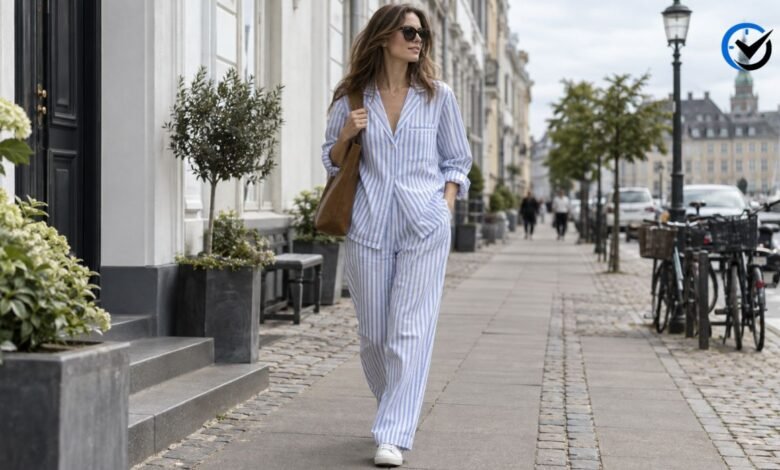
Choosing comfortable nightwear may seem simple, but small details can greatly affect how well you sleep and relax. Fabric, fit, temperature, seams, waistbands, and personal habits all influence how a garment feels after several hours of wear. Pyjamaspapper clothing can be understood as pajama-style sleepwear and loungewear designed around comfort, easy movement, and relaxed everyday use. This guide explains how to compare the available options without being distracted by color or appearance alone.
The term Pyjamaspapper can create some confusion because it does not have one widely accepted meaning in international fashion. In Swedish, the word has traditionally been associated with striped continuous printer paper rather than a recognized category of clothing. However, it may appear online as a creative label for pajama-inspired garments, patterns, or comfortable clothing. In this article, the term refers to sleepwear and casual lounge pieces, not paper products or a verified global fashion brand.
Begin With the Way You Plan to Wear It
Before choosing a pajama set, think about where and when you will wear it. Someone who needs clothing only for sleeping may prefer a light, loose set with few decorative details. A person who spends evenings working, reading, or receiving casual visitors at home may want structured loungewear that still looks presentable. Knowing the main purpose helps you avoid buying a beautiful set that does not suit your real routine.
Some garments can move easily between bedtime and daytime relaxation. A neat button-front top, relaxed pants, or a simple knit set may work for breakfast, remote work, or a quiet weekend indoors. However, decorative collars, heavy buttons, and thick waistbands can feel uncomfortable in bed. The best Pyjamaspapper clothing should match the activity you perform most often rather than trying to meet every possible need.
Choose Fabric According to the Climate
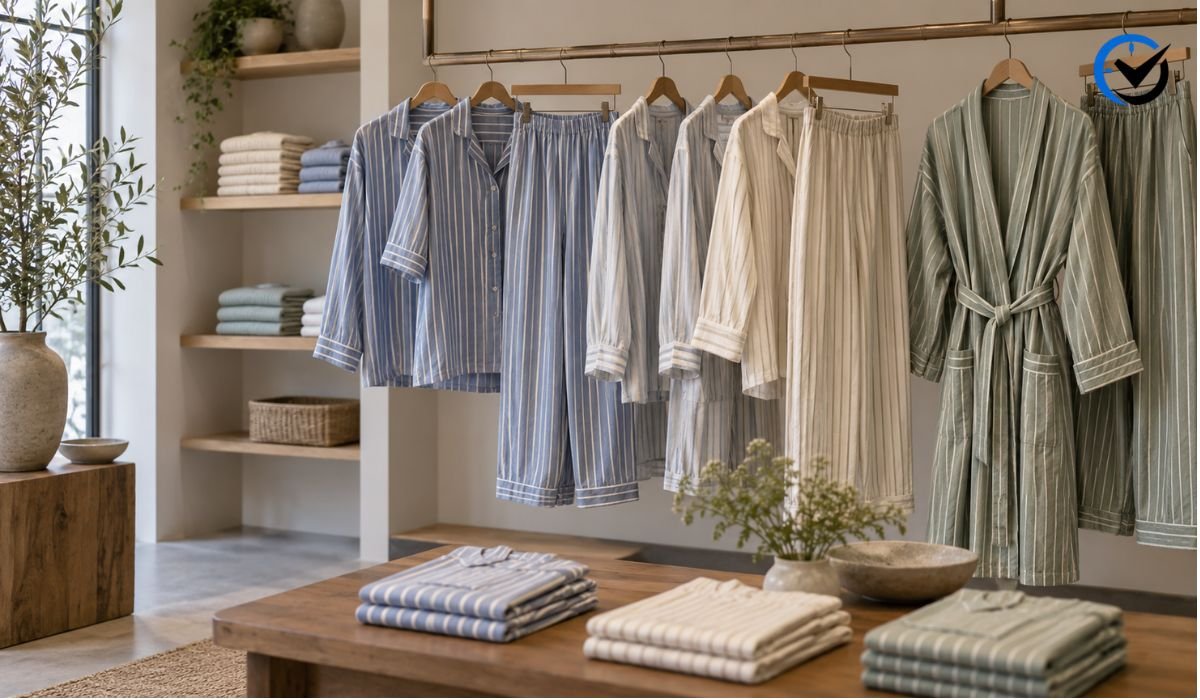
The right material depends heavily on local weather and indoor temperature. Lightweight cotton, linen blends, and breathable jersey can be comfortable in warm or humid climates because they allow air to circulate. Flannel, fleece, and brushed fabrics provide greater warmth during colder months. People who use heating or air conditioning overnight should consider their bedroom temperature instead of choosing only according to the outdoor season.
Natural fibers are popular because they often feel soft and breathable, but each one behaves differently. Cotton is familiar, easy to wash, and available at many prices. Linen can feel cool and airy, although it may wrinkle and begin with a firmer texture. Silk is smooth and light but usually needs more careful cleaning. The ideal fabric is one that feels pleasant, handles moisture well, and fits your care routine.
Understand Cotton, Modal, and Synthetic Blends
Cotton pajamas are a practical starting point for most shoppers. Cotton absorbs moisture, feels comfortable against the skin, and is generally easy to maintain. The quality can vary according to fiber length, knit, weave, and thickness, so two sets labeled “100 percent cotton” may feel completely different. A smooth cotton jersey stretches naturally, while woven cotton tends to hold a cleaner shape and may feel cooler.
Modal and similar plant-derived fibers are often valued for softness and fluid movement. They can create lightweight garments that drape gently without feeling stiff. Polyester and spandex blends may dry quickly, resist wrinkles, and provide useful stretch, but some versions can trap heat. Rather than assuming one fiber is always best, check the complete fabric composition and consider how the material is likely to feel after hours of wear.
Find a Fit That Allows Natural Movement
Comfortable sleepwear should provide room to turn, stretch, sit, and bend without pulling across the shoulders or hips. A relaxed fit is helpful, but oversized clothing is not automatically more comfortable. Sleeves that cover the hands, pants that gather under the feet, or a neckline that slips out of place can interrupt sleep. Good proportions are more important than simply buying the largest available size.
Check the brand’s size chart whenever possible because standard labels can vary widely. Compare your chest, waist, hip, and inseam measurements with the garment measurements rather than relying only on your usual size. If you are between sizes, consider the fabric and cut. Stretchy knitwear may adapt to the body, while woven material normally needs extra ease. Customer measurements are more useful than vague statements about a loose or tight fit.
Pay Attention to Waistbands, Seams, and Closures
Small construction details often determine whether pajamas remain comfortable throughout the night. A waistband should stay in place without leaving deep marks or twisting during movement. Wide elastic usually spreads pressure more evenly than a narrow band. An adjustable drawstring can improve the fit, but thick knots may feel uncomfortable when lying on the stomach. The best design depends on sleeping position and personal sensitivity.
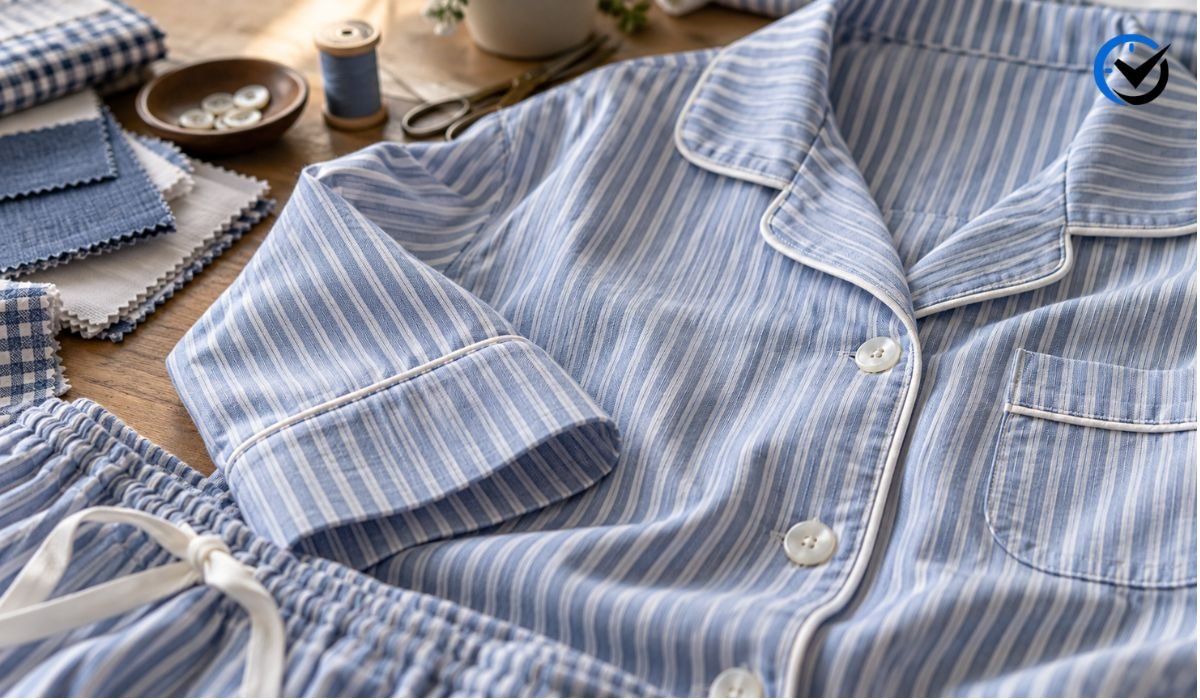
Examine seams, labels, buttons, zippers, and decorative trim before buying. Flat, smooth seams are less likely to rub against the skin, while rough stitching can become irritating after repeated movement. Tagless labels or removable tags may help people with sensitive skin. Buttons should be secure and positioned where they will not press into the body. These features may look minor in a product photo, yet they strongly influence everyday comfort.
Select the Right Style for Your Sleep Habits
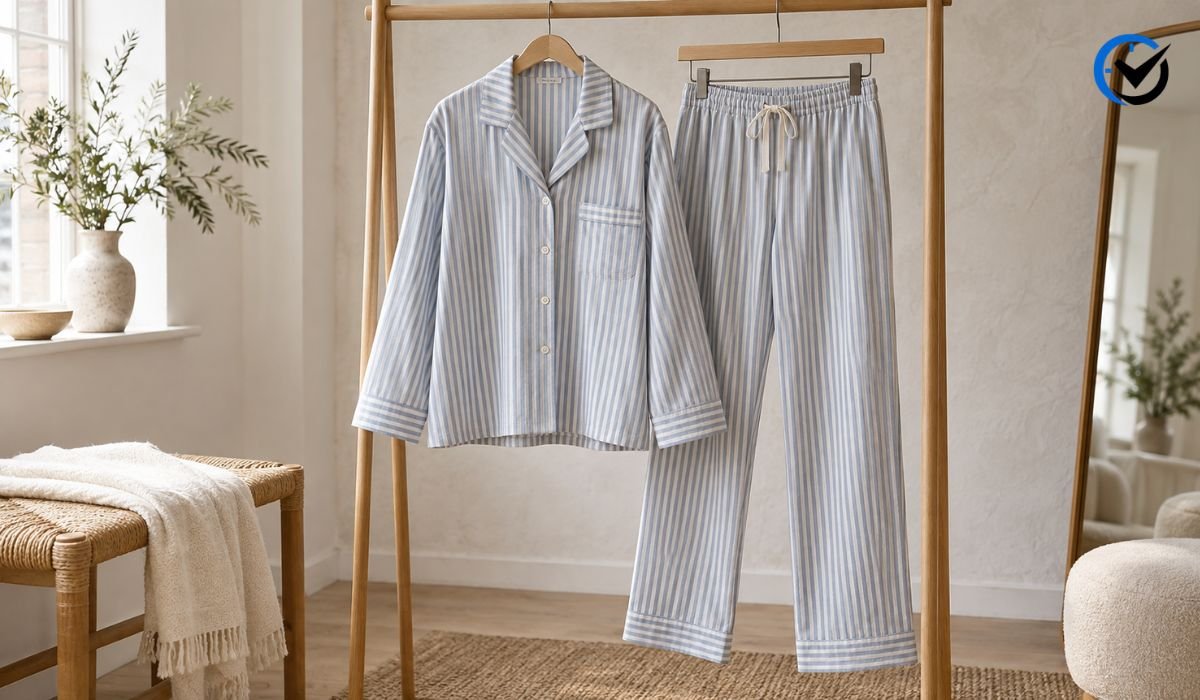
Traditional two-piece pajamas offer flexibility because the top and bottom can be worn separately. Short sets suit warmer rooms, while long sleeves and full-length pants provide more coverage. Nightshirts and nightgowns allow greater airflow and remove the pressure of a waistband. One-piece sleepwear can provide full-body warmth, although it may be less convenient for nighttime bathroom visits or people who become hot easily.
Your sleeping position can also guide the choice. Side sleepers may dislike thick buttons or raised piping near the shoulder and hip. Restless sleepers often benefit from stretchy fabric and cuffs that prevent sleeves or pant legs from riding up. People who remain mostly still may enjoy crisp woven sets. Pyjamaspapper styles should support natural sleep patterns instead of forcing the body to adjust to the garment.
Match Sleepwear to Body Temperature
Some people naturally sleep hot, while others feel cold even under heavy bedding. Hot sleepers generally benefit from lightweight, moisture-managing fabric, short sleeves, and loose openings around the neck and legs. Thick fleece may feel cozy before bed but become uncomfortable during the night. Breathable material can reduce the damp feeling caused by perspiration, although no garment can fully correct an overly warm room.
Cold sleepers may prefer brushed cotton, flannel, thermal knits, or soft fleece. Cuffed sleeves and ankles can help retain warmth and stop fabric from shifting. Layering is another useful approach because a light top, robe, and socks can be adjusted separately. Avoid selecting the heaviest option without considering bedding, since combining thick pajamas with a warm comforter can lead to overheating and disrupted rest.
Consider Skin Sensitivity and Personal Comfort
People with sensitive skin should favor smooth fabrics, gentle finishes, and simple construction. Lace, metallic thread, heavy embroidery, and coarse printed surfaces may cause friction. A soft garment can still become irritating if its seams are bulky or if detergent remains trapped in the material. Washing new sleepwear before wearing it removes some finishing residue and allows you to judge the fabric’s true feel.
Loose sleepwear may be helpful for comfort, but buyers should also consider safety and individual needs. Children’s pajamas may be subject to specific local rules concerning fit and flame resistance, so adult buying advice should not automatically be applied to children. Anyone with allergies, eczema, circulation problems, or sensory sensitivities may need more careful fabric and fit choices. Comfort should always be based on the wearer’s actual experience.
Look Beyond Color and Printed Designs
Color and pattern make sleepwear enjoyable, but appearance should come after comfort and construction. Pale shades may show stains more easily, while dark colors can fade after frequent washing. Strong dyes sometimes release excess color during the first wash, so it is sensible to wash new garments separately. Printed designs should feel flexible rather than thick, sticky, or likely to crack when the material stretches.
For everyday style, choose pieces that work with items already in your wardrobe. A solid pajama shirt can double as a relaxed layer, while simple lounge pants may pair with a plain T-shirt or sweatshirt. Balanced colors and clean lines usually make sleepwear appear more polished. If you want Pyjamaspapper clothing for both sleeping and lounging, understated designs often provide more versatility than novelty prints intended mainly for occasional wear.
Check Quality Before Paying a Higher Price
Price alone does not guarantee softness, durability, or responsible production. Inspect stitching around the waistband, underarms, pockets, buttonholes, and inner leg because these areas receive repeated stress. Seams should look even, loose threads should be minimal, and patterns should align reasonably well. Fabric that becomes transparent when lightly stretched may be too thin for regular use, depending on the intended design.
Online shoppers should read the product description carefully and compare fabric content, care instructions, size information, and return conditions. Product photographs may show styling more clearly than thickness or texture. Reviews can reveal common concerns such as shrinkage, color loss, tight cuffs, or inaccurate sizing, but one unusual experience should not define the product. Look for repeated observations from buyers with similar needs and body measurements.
Wash and Maintain Sleepwear Correctly
Proper care can preserve fit and softness for much longer. Always begin with the instructions attached to the garment because different fibers tolerate different temperatures and drying methods. Cool or warm washing is often gentler on color, elastic, and printed surfaces than very hot water. Turning printed pieces inside out may reduce rubbing, while closing buttons and zippers can help prevent snagging during the wash.
High dryer heat can shrink natural fibers, weaken elastic, and damage delicate finishes. Air-drying is usually gentler, although some fabrics may feel softer after limited tumble drying. Avoid using excessive detergent or fabric softener, since residue can affect texture and breathability. Rotating several sets also reduces repeated wear on one garment. Good maintenance turns a sensible purchase into reliable everyday clothing rather than a short-lived seasonal item.
Final Thoughts
Choosing Pyjamaspapper clothing should begin with comfort, purpose, and accurate product information. Focus on breathable material, an easy fit, smooth construction, suitable warmth, and realistic care needs before considering prints or trends. Because the term can carry different meanings online, confirm exactly what a seller is offering rather than assuming it identifies a particular brand or fabric. A carefully selected pajama or lounge set should support restful sleep, relaxed movement, and dependable everyday wear.
Frequently Asked Questions
1. What does Pyjamaspapper mean in clothing?
When used in a clothing discussion, Pyjamaspapper may describe pajama-style garments, sleepwear, or comfortable lounge pieces. It is not a standard international name for a specific type of garment. The same word also has an older Swedish association with striped continuous printer paper, which explains why online descriptions can appear inconsistent. Shoppers should examine the seller’s actual product details instead of relying on the term alone.
2. Is Pyjamaspapper a recognized clothing brand?
It should not automatically be treated as a widely established fashion brand without clear information from the seller or manufacturer. The term may be used creatively by websites, small shops, or writers discussing comfortable clothing. Before purchasing, check the company name, material description, sizing guide, contact information, payment security, and return conditions. These details provide more useful evidence than an unfamiliar product label.
3. Which fabric is best for everyday pajamas?
Cotton is a dependable option because it is breathable, familiar, and easy to wash. Modal can provide a softer, smoother drape, while linen blends work well in hot weather. Flannel and fleece offer warmth in cold conditions. There is no single best fabric for everyone. Bedroom temperature, skin sensitivity, washing habits, and preferred texture should guide the final choice.
4. Should pajamas be loose or fitted?
Pajamas should allow comfortable movement without creating large folds that twist or bunch during sleep. A relaxed cut generally works well for adults, but excessively loose sleeves and pant legs can become inconvenient. Stretchy sleepwear may sit closer to the body while still allowing movement. Always use actual measurements and consider whether the fabric stretches before selecting a size.
5. Can pajama-style clothing be worn during the day?
Many modern lounge sets can be worn at home throughout the day, especially when they have clean lines, secure coverage, and practical pockets. Some pajama shirts can also work as casual layers when styled with jeans or simple trousers. However, very thin, transparent, or bedtime-specific garments may not provide suitable coverage outside private spaces. The setting should guide the decision.
6. How often should sleepwear be washed?
Washing frequency depends on perspiration, climate, fabric, skin condition, and whether undergarments are worn. A set may be worn more than once when it remains clean and dry, while hot weather or heavy sweating may require washing after each use. Changing regularly helps control body oils and odor. Following the garment’s care label prevents frequent cleaning from causing unnecessary damage.
7. How can I prevent pajamas from shrinking?
Check the fiber content and care label before washing. Cotton and some other natural materials may shrink when exposed to high heat. Using cooler water, a gentle cycle, and low-temperature drying can reduce the risk. Air-drying is often the safest option when preserving size matters. If shrinkage is mentioned repeatedly in customer feedback, sizing up may help, though it is not a guaranteed solution.
8. What features are helpful for hot sleepers?
Hot sleepers should look for light fabric, a relaxed cut, breathable construction, and openings that encourage airflow. Cotton lawn, lightweight jersey, linen blends, and certain moisture-managing materials may feel comfortable. Short sleeves and shorts can help, but fabric performance matters as much as coverage. Heavy decoration, tight elastic, and thick synthetic fleece are usually less suitable for warm sleeping conditions.
9. What should I check when buying sleepwear online?
Review the complete material composition, size chart, garment measurements, care instructions, delivery terms, and return policy. Examine close-up photographs for seams, closures, and fabric texture. Customer reviews may help identify consistent sizing or quality concerns. Avoid making a decision based only on staged photographs. A trustworthy listing should explain what the garment contains and how buyers can return an unsuitable size.
10. How many pajama sets does one person need?
The right number depends on washing frequency, climate, and personal routine. Three or four dependable sets may be enough for someone who does laundry often, while a larger rotation may suit people who wash weekly. Having options for warm and cold weather is more useful than owning many similar pieces. A smaller collection of comfortable, durable sleepwear usually offers better value than several poorly fitting sets.
Recommended: EasyJet Flight U2238 Emergency Landing Newcastle: What Passengers Need to Know





One Comment