

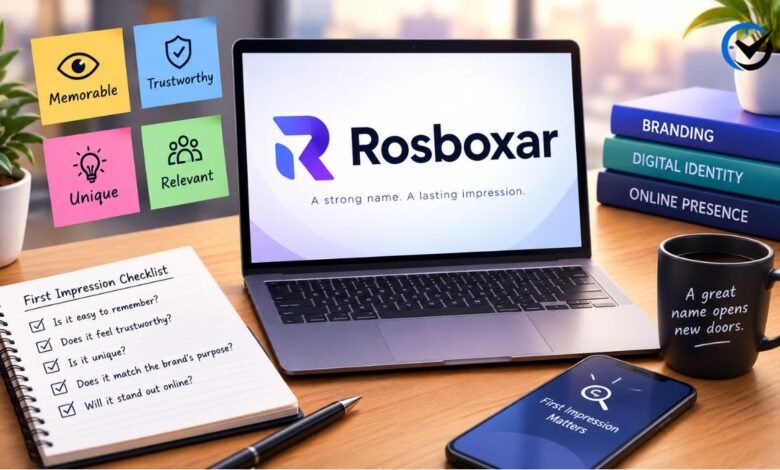
Rosboxar is a coined name that can be considered as a digital brand. Because it does not immediately point to a familiar product or service, readers may first wonder how to pronounce it, what it represents, and whether it belongs to a company, platform, or creative project. Those questions are part of a name’s first impression, but they do not tell us whether the brand itself is trustworthy or useful. A careful assessment separates what the word suggests from what an organization actually does. This guide explains how to examine the name’s sound, appearance, clarity, and practical fit, while showing what readers should verify before forming a broader opinion.
What a Coined Name Can Communicate
A coined brand name is created or adapted to serve as an identity rather than taken directly from a common dictionary word. This gives its owner room to shape what the name means over time. Rosboxar does not, on its own, identify a clear industry or product category, so its meaning depends largely on the context in which people encounter it. That can be useful when a business wants a distinctive identity, but it also creates an early communication task: the brand must explain what it offers. A name can attract attention, yet its value becomes clearer when a tagline, website description, or product introduction connects it to a concrete purpose.
Why First Impressions Matter
People often make an initial judgment about a brand before they understand its services. They may notice whether the name feels easy to say, whether it looks intentional, and whether it appears alongside clear information. These reactions are quick and subjective, but they can affect whether someone continues exploring. With an unfamiliar name, the surrounding details carry extra weight. A concise explanation, consistent design, and accessible contact information help reduce uncertainty. The name alone cannot establish credibility, quality, or safety. It is better treated as the opening signal in a larger identity, one that invites a reader to look for evidence rather than accept an impression as proof.
How the Name Sounds When Spoken
Pronunciation affects how easily people remember and share a brand name. Rosboxar can be read in more than one way because its spelling does not clearly mark where the emphasis belongs or how every syllable should sound. A brand can address this by using a consistent spoken form in videos, introductions, or audio content. Readers assessing the name can also ask whether they would feel comfortable saying it aloud after seeing it once. If a name requires frequent correction, that may create friction in conversation. It does not make the name unusable, but it means the brand may need to teach its pronunciation and reinforce it through repeated, consistent use.
How the Spelling and Shape Affect Recognition
The written form of a brand name matters across websites, search results, social profiles, and mobile screens. Rosboxar has a distinctive sequence of letters, which may help it stand apart from familiar terms. At the same time, an unfamiliar spelling can be harder to recall accurately after a brief encounter. People might forget a letter, reverse part of the word, or confuse it with a similar name. Clear typography and consistent capitalization can help readers recognize the intended form. When evaluating the name, consider whether it remains legible in a small logo, whether it is easy to type, and whether its spelling is memorable without requiring repeated exposure.
Distinctiveness and Confusion
A useful brand name should be recognizable without being easily confused with another organization. Distinctiveness can make a coined word easier to associate with a particular business once people learn what it represents. However, a unique-looking name does not guarantee that no other person or organization uses a similar one. Readers should check how the name appears across relevant channels and whether the same identity is presented consistently. They should also look for differences in spelling, punctuation, and capitalization that could lead to mistaken identity. This matters especially when the name is unfamiliar: a reader should confirm that the website, social accounts, and business details refer to the same entity.
Does the Name Fit the Intended Audience?
A brand name may sound appealing to one audience and confusing to another. Rosboxar could be interpreted differently across languages and cultures because its meaning is not self-evident. A responsible brand assessment considers how the name might be pronounced, remembered, or understood by people in its intended markets. It also checks whether the word has unwanted meanings in commonly used languages. This does not require assuming that a name will have the same effect everywhere. It means testing the name with people who reflect the audience, including those who encounter it without prior explanation. Their feedback can reveal practical issues that an internal team might overlook.
The Name Needs a Clear Explanation
When a name does not describe a product, the brand should provide a simple explanation nearby. A visitor should be able to understand the organization’s purpose without searching through several pages or guessing from the logo. A useful introduction states what the business does, who it serves, and what a visitor can expect next. This description should remain consistent across the homepage, company profile, and other public materials. For Rosboxar, the word itself leaves the category open, so supporting language is especially important. A strong explanation turns an unfamiliar name into a usable point of reference; a vague one can leave readers uncertain even if the name is visually distinctive.
Assess the Digital Identity, Not Just the Word
A name may create curiosity, but the full digital identity determines whether that curiosity becomes confidence. Readers can examine whether the website has a clear purpose, whether its pages use consistent branding, and whether its contact or support details are easy to find. They can also review the quality and specificity of the information presented. A polished logo cannot substitute for clear policies, accurate descriptions, or responsible business practices. Likewise, a simple design does not automatically signal a problem. The useful question is whether the public information is coherent and verifiable. Look for a consistent organization name, meaningful explanations, and details that help visitors understand who is behind the brand.
What Readers Should Verify Before Trusting a Brand
Before sharing personal information, making a payment, or relying on a service, readers should verify the organization behind the name. Check whether the business clearly identifies what it offers, how it handles customer questions, and what terms apply to a purchase or account. Look for details that can be independently confirmed, such as a consistent company identity and transparent service information. A memorable name does not establish that a service is legitimate, just as an unfamiliar name alone does not establish that it is unsafe. The decision should rest on evidence about the organization’s conduct and offering. If key details are missing or contradictory, pause and seek clarification before proceeding.
Final Thoughts
Rosboxar is best approached as a coined digital brand name whose identity depends on the information and experience built around it. Its unfamiliar spelling may help it stand out, while its unclear meaning may require a stronger introduction and consistent use. Those are practical branding considerations, not a verdict on the organization behind the name. Readers can form a more balanced view by considering pronunciation, spelling, audience fit, and the clarity of the brand’s public information. Before relying on any business, they should verify its services and policies separately. A name can open the door to recognition, but clear communication and trustworthy conduct give that identity lasting meaning.
Frequently Asked Questions
1. What is Rosboxar?
Rosboxar is a coined digital brand name. The word itself does not clearly identify a specific product, service, or industry, so readers need to consult the brand’s own descriptions to understand what it represents. The name alone is not enough to establish what an organization does or whether it is reliable.
2. Is Rosboxar a common dictionary word?
It is presented as a coined name rather than a familiar everyday term. Coined names are often created to give a business or project a distinct identity. Their meaning usually develops through the organization’s products, communications, and public reputation rather than through a standard dictionary definition.
3. How should Rosboxar be pronounced?
The spelling does not make one pronunciation unmistakable to every reader. A brand using the name can establish a preferred pronunciation through consistent audio, video, or written guidance. Until then, people may pronounce it differently, which is a common challenge for newly coined names.
4. What does the name Rosboxar mean?
The name does not reveal a clear meaning by itself. Its intended meaning, if one has been assigned, should be explained by the brand or its creators. Readers should avoid treating guesses based on the word’s sound or spelling as confirmed information.
5. Does a distinctive name make a brand trustworthy?
No. A distinctive name may help people recognize a brand, but trust depends on the organization’s conduct and the quality of its information. Readers should check the company’s services, contact options, policies, and other verifiable details before deciding whether to rely on it.
6. How can I tell what Rosboxar offers?
Look for a direct description of the organization’s products or services, its intended audience, and the purpose of its website. A clear explanation should be easy to find and consistent across the brand’s public pages. If the purpose remains unclear, contact the organization for clarification before taking action.
7. Why might people find a coined brand name confusing?
A coined word may have no familiar definition to guide readers. People may be unsure how to pronounce it, what category it belongs to, or how to spell it after seeing it once. Clear descriptions and consistent branding help answer those questions over time.
8. What should a brand consider before using a name like Rosboxar?
A brand should test pronunciation, spelling, audience response, and possible meanings in the markets where it plans to operate. It should also check for similar names and confirm that its chosen identity can be used consistently across its public channels. These checks help uncover confusion before it affects customers.
9. Can a brand name have different impressions in different countries?
Yes. Pronunciation, sound, and associations can vary across languages and cultures. A name that seems neutral to one group may be difficult to pronounce or carry an unintended association for another. Testing with people from the intended audience can reveal issues that a single team might miss.
10. What is the most important detail to check before using a digital service?
Confirm what the service does, who operates it, and what terms apply before providing information or making a payment. Review its contact details, privacy information, and purchase or account policies. The brand name can help you identify the service, but it cannot replace these checks.
Recommended: Trupeek Com Fact-Check: Blog, Store, AI Tool or Domain Checker?





One Comment