


Finding a wave cap that truly fits can be harder than it seems. Many products are sold as “one size fits most,” yet head shape, hair length, fabric stretch, and band design can completely change how a cap feels. A cap that provides good compression for one waver may feel painfully tight or frustratingly loose for another. CJMonsoon became known within the wave community through Monsoon-style caps designed to provide even coverage without the knots and long straps found on traditional durags. This guide explains what buyers should examine before choosing one.
Fit is not only about comfort. A well-fitted compression cap can help hold brushed hair in place, protect a developing wave pattern, and reduce movement while sleeping. However, stronger pressure does not automatically produce better waves. The right cap should feel secure without causing headaches, deep forehead marks, numbness, or scalp irritation. Because product descriptions and available styles can change, shoppers should judge each cap by its current measurements, construction, and material rather than relying only on the brand name or an older online review.
What Is a CJMonsoon Wave Cap?
CJMonsoon is commonly associated with Monsoon Caps, a style of close-fitting headwear created for people building or maintaining waves. Unlike a standard durag, a wave cap normally slips over the head without requiring the wearer to tie straps at the back. Its purpose is to apply balanced pressure across the hair while keeping the brushed pattern controlled. This simple design can be useful at night, during short indoor sessions, or as an added layer over a durag. Models, colors, materials, and availability may differ over time, so buyers should always check the description of the specific item they are considering.
Why the Correct Fit Matters for Wavers
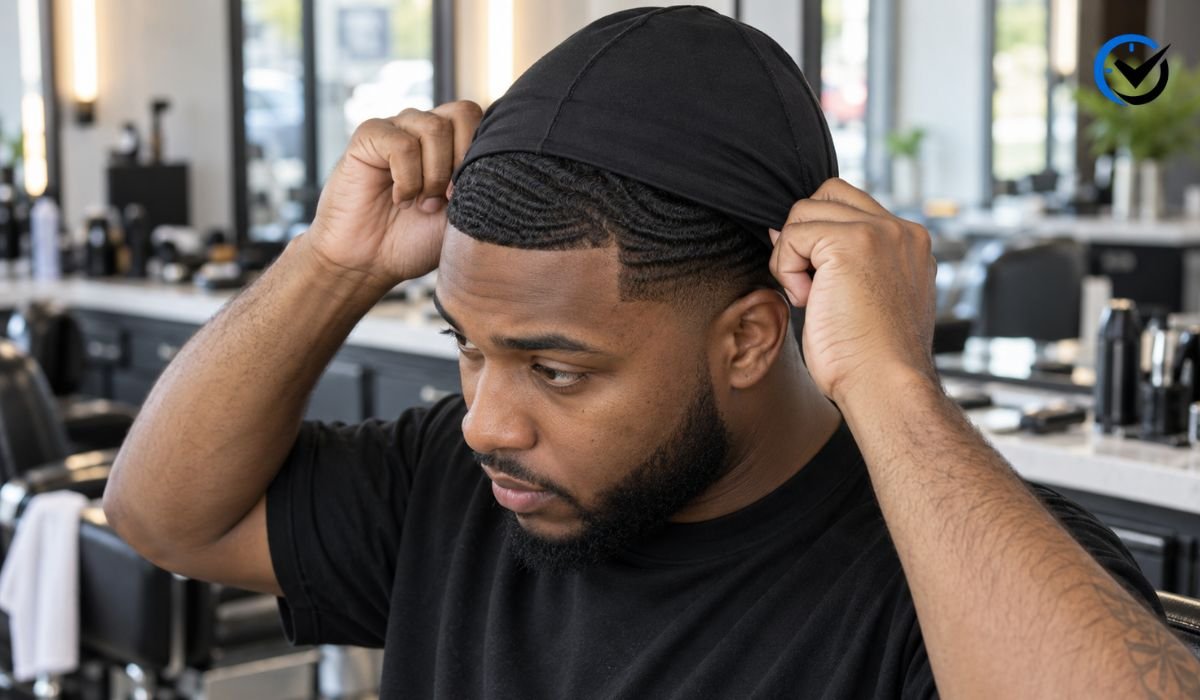
A cap must create enough contact to keep the hair laid down, but it should not squeeze the scalp aggressively. If it is too loose, it may slide backward, expose the hairline, or come off during sleep. If it is too tight, the band may leave painful marks and make long wear uncomfortable. Excess pressure can also create the false impression that the cap is working harder when it is simply fitting poorly. The best compression feels firm and even from the forehead to the crown, with no single area carrying most of the tension.
Measuring Your Head Before Buying
Use a flexible measuring tape to check the circumference of your head before choosing a cap. Place the tape slightly above the eyebrows, take it around the sides above the ears, and continue around the widest part at the back. Keep the tape level and comfortably close to the skin without pulling it tight. Record the measurement in both inches and centimeters because sellers may use either unit. Measure twice to confirm the result, especially if your first reading falls near the edge of two sizes. If a listing provides no dimensions at all, contact the seller or choose a product with clearer sizing information.
Head Shape Can Change How a Cap Feels
Two people with the same head circumference can experience the same wave cap very differently. One person may have a rounder head, while another may have more length from the forehead to the back of the skull. Crown height also matters because a shallow cap can pull upward or leave part of the crown uncovered. Look for product photos that show the cap from the front, side, and back. A deeper design usually offers more complete coverage, while a shallower one may be better for wavers who dislike fabric sitting low over the ears or neck.
Account for Hair Length and Wolfing
Your haircut and wolfing stage should influence the size and stretch you choose. A cap that fits perfectly after a fresh cut may feel much tighter several weeks later when the hair becomes fuller. Coarse, dense, or long hair requires more room beneath the fabric than a short, freshly trimmed cut. If you are deeply wolfing, wearing braids, or allowing curls to grow, avoid choosing a cap based only on your bare head measurement. A flexible model with additional depth is usually more practical because it can adjust as your hair volume changes between cuts.
Understanding Compression Levels
Light compression works well for casual daytime wear and for people with sensitive scalps. Medium compression is often the most useful everyday choice because it holds the hair down without creating excessive pressure. Heavy compression may help during controlled sessions, but it should not be uncomfortable or worn blindly for long periods. The goal is even pressure rather than maximum tightness. If the cap causes throbbing, tingling, dizziness, or a strong headache, remove it immediately. Those symptoms mean the fit or layering method needs to change, regardless of how secure the hair appears.
Fabric Stretch, Breathability, and Hair Protection
Stretch fabric allows a wave cap to adapt to different head shapes, but stretch alone does not guarantee a good fit. Thin material may expand easily yet lose its shape after repeated use. A thicker fabric can provide stronger compression but may trap more heat. Breathable material is especially helpful in warm climates or for people who perspire at night. Smooth interior surfaces can also reduce friction against the hair. When comparing CJMonsoon options or similar compression caps, examine the material blend, seam placement, thickness, and care instructions instead of judging the product only by color or appearance.
Inspecting the Band and Seams
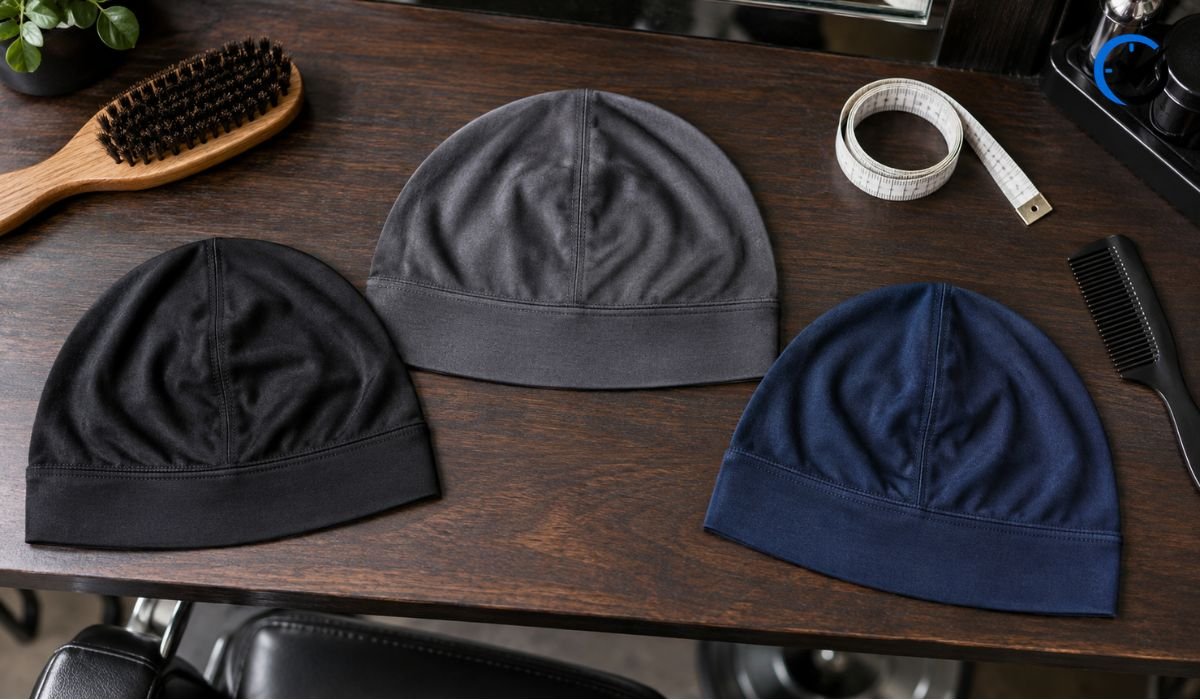
The lower band is one of the most important parts of a wave cap. It should be wide enough to distribute pressure across the forehead rather than cutting into a narrow line. Check whether the band returns to its original shape after being stretched gently. Loose elastic will not keep the cap stable, while harsh elastic can make the forehead sore. Seams should lie flat and avoid pressing directly against the crown or important connection areas in the wave pattern. Raised stitching may leave temporary marks or disturb freshly brushed hair when the cap is worn for several hours.
Choosing Between a Cap and a Durag
Wave caps and durags serve similar purposes, but they do not always provide the same wearing experience. A durag offers adjustable tension because the straps can be tied more loosely or tightly. It may also give better control over how the fabric sits around the crown. A cap is faster to put on, has no knot, and may feel more convenient for sleeping. Some wavers use a durag as their main layer and place a cap over it for added stability. That method can work, but both items must fit comfortably because combining them increases total pressure.
How to Test the Fit at Home
Try the cap on clean, dry hair before committing to a long overnight session. Pull it down evenly without forcing the band too low on your forehead. Move your head from side to side, bend forward, and lie on your pillow for several minutes. The cap should stay in place without sliding or bunching at the crown. Wear it for 20 to 30 minutes during the first test, then check for pain, strong lines, or areas where the fabric has shifted. Mild, temporary impressions can occur, but deep marks and lasting discomfort indicate excessive tension.
Getting Better Results From a Properly Fitted Cap
A good cap supports a wave routine; it does not replace brushing, moisture control, and consistent hair care. Brush in the correct direction for your chosen pattern before putting the cap on. Apply only the amount of moisturizer or styling product your hair needs, since heavy buildup can make the cap dirty and reduce breathability. Place the fabric smoothly over the crown and avoid twisting it as you pull it down. Wash the cap regularly according to its care instructions, and allow it to dry completely. Rotating between two caps can help preserve elasticity and keep a clean option available.
Common Buying Mistakes to Avoid
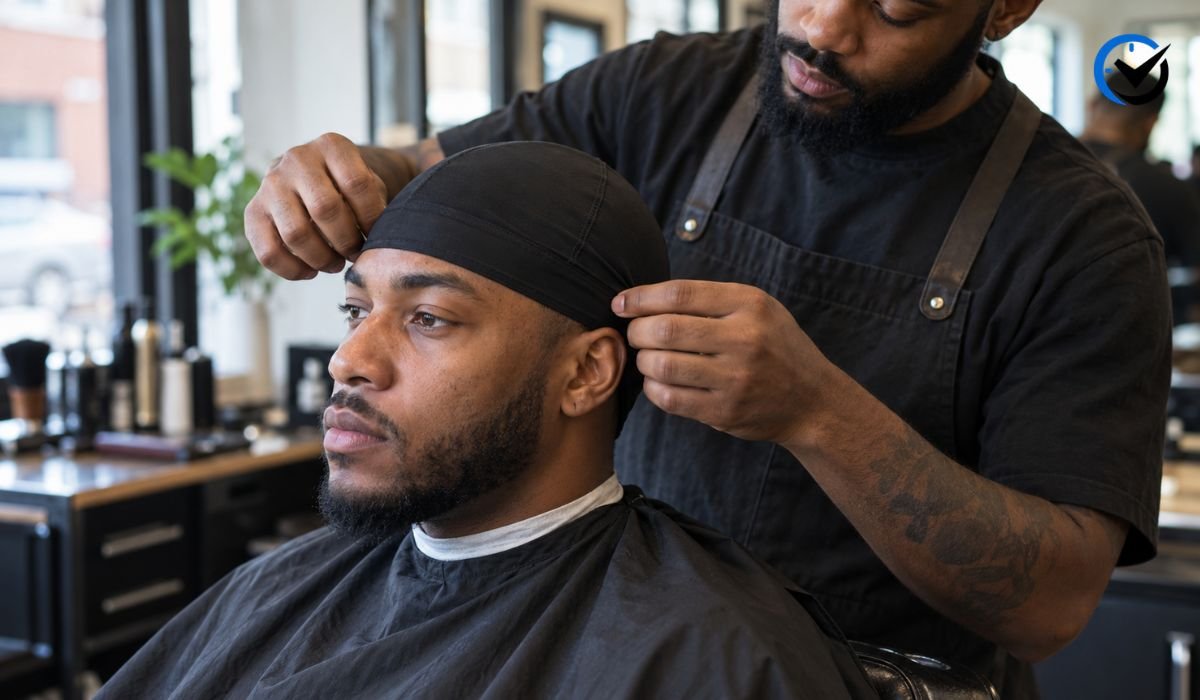
One common mistake is assuming every Monsoon-style cap has identical dimensions. Similar names, older product reviews, and marketplace listings can create confusion, particularly if different sellers use updated materials or designs. Another mistake is choosing the tightest option because stronger compression sounds more effective. Wavers also sometimes ignore head depth, hair volume, band width, and return policies. Read the complete current listing, compare your measurement with any available chart, and confirm what can be returned. A thoughtful purchase is more reliable than selecting a cap based only on popularity or a single review.
Final Thoughts
The best CJMonsoon cap is not automatically the tightest or most popular model. It is the one that matches your head circumference, crown depth, hair volume, and preferred level of compression. Measure carefully, inspect the fabric and band, and test the cap gradually before sleeping in it overnight. A secure, comfortable fit will support brushing and protect your progress without unnecessary pain. When a cap stays in place, covers the full pattern, and remains comfortable for the intended wearing period, it is doing its job properly.
Frequently Asked Questions
1. What is CJMonsoon best known for?
CJMonsoon is best known in the wave community for Monsoon-style compression caps. These caps are intended to hold brushed hair in position without the long ties used on a traditional durag. Their convenient pull-on design has attracted wavers who want quick coverage for sleep, travel, or short compression sessions. Exact features may vary among products, so buyers should examine the current item description before ordering.
2. Are CJMonsoon caps one size fits all?
A seller may describe a cap as one size fits most, but that does not mean it will fit every head equally well. Head circumference, crown height, hair thickness, and personal comfort all affect the result. Someone with a larger head or a thick wolf may need more stretch and depth. Whenever possible, compare your measurements with the seller’s dimensions and review the exchange policy before buying.
3. How tight should a wave cap feel?
A wave cap should feel snug enough to remain stable and keep the hair laid down. It should not cause pain, numbness, throbbing, or a headache. You should be able to wear it without constantly thinking about the pressure. If the band leaves deep marks or the discomfort continues after removal, the cap is too tight or the layering setup is applying too much compression.
4. Can a Monsoon cap create waves by itself?
No cap can create a defined wave pattern by itself. Waves develop through consistent brushing, suitable hair length, proper moisture, and compression that preserves the pattern between sessions. The cap helps prevent brushed hair from lifting or moving while you rest. Its role is supportive. Poor brushing habits or inconsistent crown work will not be corrected simply by wearing tighter headwear for longer periods.
5. Can I wear a wave cap over a durag?
Yes, many wavers place a cap over a durag for extra hold, especially while sleeping. The durag provides smooth contact and adjustable placement, while the outer cap can reduce shifting. However, the combination creates more pressure than either item alone. Both layers should be comfortable, and the outer cap should not force the durag’s seams or edges painfully into the scalp.
6. How do I know if the cap is too loose?
A loose cap may move when you turn your head, slide off during sleep, or gather at the crown. The band may also rise above the hairline instead of staying in place. Minor movement does not always make a cap unusable, but repeated slipping reduces its value. If washing and correct placement do not improve stability, a smaller or more elastic model may provide a better fit.
7. Should the cap cover my ears?
Full ear coverage is a matter of design and personal preference rather than a requirement for developing waves. Some wavers pull the cap partly over their ears to improve stability, while others position the band just above them. The important point is that the hairline, sides, back, and crown receive even coverage. Do not force the cap over your ears if doing so causes pressure or soreness.
8. How often should I wash a compression cap?
Wash it whenever sweat, oil, moisturizer, or styling product begins to collect in the fabric. For regular users, that may mean cleaning it several times a week. Follow the care label because hot water and high dryer heat can weaken elastic material. Gentle washing and air-drying usually help preserve the cap’s stretch. Keeping more than one cap makes it easier to maintain good hygiene.
9. Is a tighter cap better during a wolf?
A wolf often needs dependable compression, but excessive tightness is not the answer. Longer, thicker hair adds volume under the fabric, making a previously comfortable cap feel smaller. Choose adequate depth and flexible material rather than forcing on a very tight model. Proper brushing, controlled product use, and comfortable layering can keep a wolf laid down without putting unnecessary strain on your scalp.
10. What should international buyers check before ordering?
International buyers should confirm the listed measurements, material, delivery terms, return conditions, and any local import charges. Size names such as regular, large, or extra-large are not universal, so actual inches or centimeters are more dependable. It is also wise to verify that the seller ships to your country and permits exchanges for fit problems. These checks can prevent an expensive return.
Recommended: Alogum Explained What the Company Does and How It Stands Out





One Comment