

Investors have more choices than ever when it comes to researching stocks, tracking markets, and evaluating companies. Seeking Alpha is popular because it combines financial data, market news, earnings information, and opinions from contributors. However, it is not the perfect fit for every investor. Some people want stronger stock screeners, better charting, deeper financial statements, clearer visual tools, or a simpler research experience. Exploring SeekingAlpha Alternatives can therefore help investors find a platform that matches their individual approach, whether they focus on long-term fundamentals, technical analysis, dividends, growth stocks, or portfolio management.
What to Look for in a Stock Research Platform
A useful stock research platform should make it easier to understand an investment, not simply provide a large amount of information. Investors should look for dependable financial statements, valuation data, earnings history, analyst estimates, company news, screening tools, and portfolio features. It is also important to consider how clearly a service separates factual financial information from opinions. Pricing matters as well. Free services may cover everyday research needs, while paid platforms can be worthwhile for investors who need advanced data or want to save substantial research time.
1. Morningstar
Morningstar is a well-established choice for investors interested in fundamental research, valuation, and long-term portfolio decisions. Its coverage includes stocks, mutual funds, ETFs, and other investments, with a strong emphasis on business quality, financial strength, valuation, and investment analysis. This makes it particularly useful for investors who prefer studying the underlying business instead of relying primarily on market commentary. Its extensive fund research can also make it appealing to investors building diversified portfolios rather than focusing exclusively on individual stocks.
Morningstar’s main advantage is its research-focused approach. Investors can review company financial information, valuation measures, ratings, historical performance, and other details in one environment. It can provide a structured second opinion when evaluating whether an investment appears reasonably valued. Some advanced research features require paid access, however, so investors should first determine whether those additional tools are relevant to their strategy. For long-term investors who value disciplined fundamental research, it remains one of the more established choices.
2. TradingView
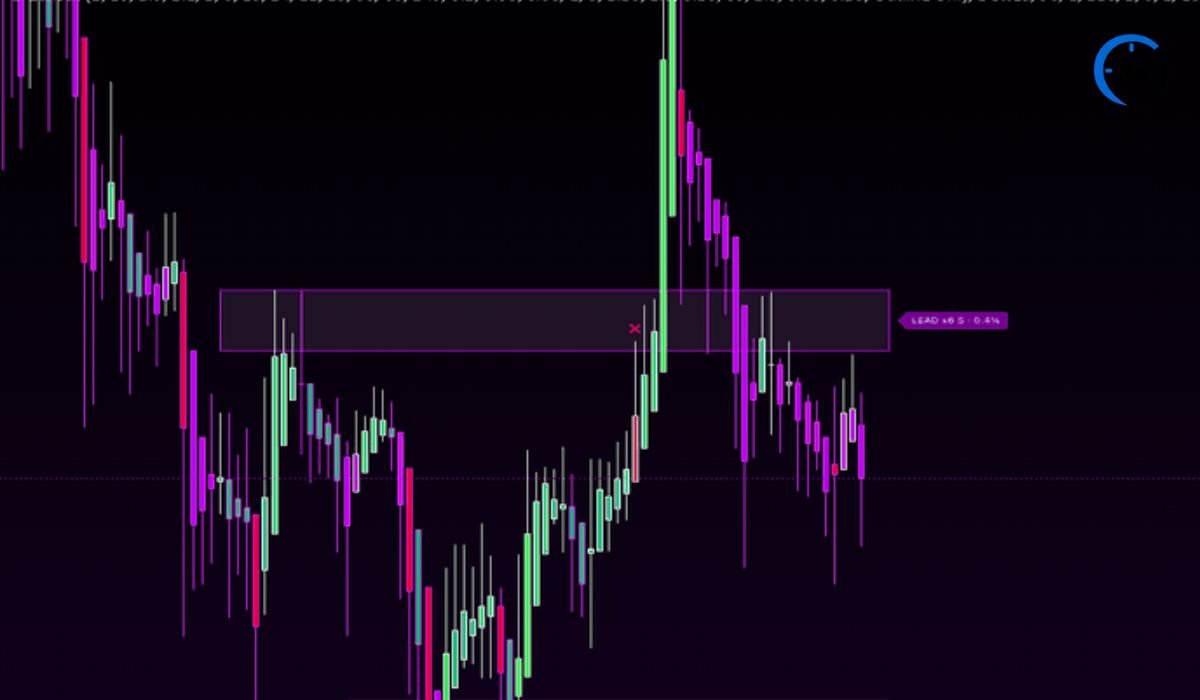
TradingView is particularly attractive to investors and traders who rely heavily on charts and price movements. Its charting environment includes indicators, drawing tools, multiple time frames, watchlists, alerts, and customizable layouts. It covers numerous markets around the world, making it useful for users who follow stocks, indexes, currencies, and other financial instruments. While it does not duplicate every fundamental research feature available on Seeking Alpha, it can be a stronger choice for people whose decisions depend heavily on technical analysis.
The platform’s flexibility is one of its biggest strengths. A beginner can use simple charts and watchlists, while more experienced users can create detailed chart layouts and monitor specific market conditions. TradingView is especially useful when an investor wants to study historical price behavior or set alerts around certain levels. Its limitation is that strong charting does not automatically provide a complete understanding of a company’s business. Investors who depend on fundamental analysis may still need another source for financial statements and company research.
3. Yahoo Finance
Yahoo Finance is a practical option for investors who want broad market information without immediately committing to a specialized subscription. It provides stock prices, company information, financial statements, historical data, market news, and portfolio tracking capabilities. Because its interface is familiar to many investors, it can be a convenient starting point for beginners while still offering enough information for routine research.
Its strength is versatility. An investor can check a stock’s recent price movement, review financial figures, read current news, examine historical performance, and monitor holdings from one platform. It is particularly useful as an everyday market dashboard. However, investors searching for extensive proprietary research, sophisticated valuation models, or highly specialized analytical tools may eventually need a more advanced service. For basic and intermediate research, though, it remains a convenient choice.
4. Stock Rover
Stock Rover is designed for investors who want powerful stock screening, company comparisons, portfolio analysis, and fundamental data. Its screening tools allow users to filter companies using financial and valuation characteristics, making it easier to narrow a large market into a smaller group of potential investments. This can be especially valuable for investors who follow a defined strategy, such as searching for profitable companies, dividend stocks, or reasonably valued businesses.
The platform is strongest when an investor already knows what characteristics they want to investigate. Users can compare companies across multiple financial measures and build customized screens instead of manually reviewing hundreds of stocks. Its portfolio tools add another useful layer by helping investors examine holdings and diversification. Some advanced capabilities require a paid plan, but the service can be valuable for investors who spend significant time screening and comparing companies.
5. Finviz
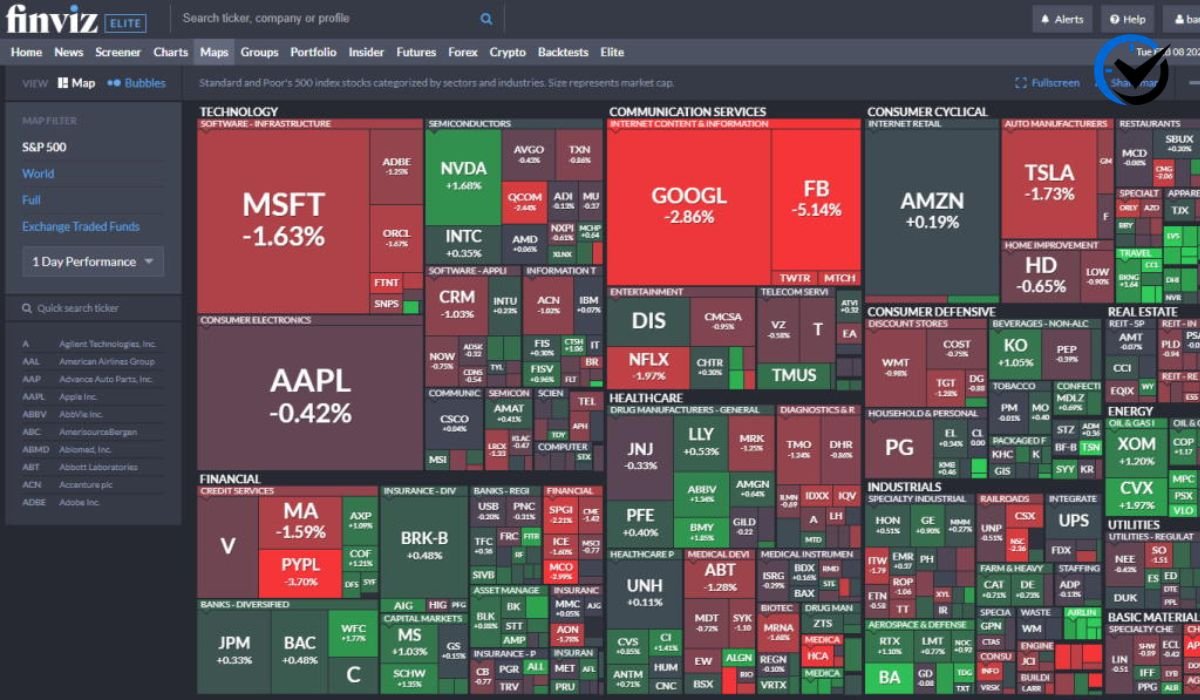
Finviz is widely used as a market screening and visualization tool. Its stock screener allows investors to filter companies according to valuation, financial performance, technical characteristics, market capitalization, sector, and other conditions. Its visual market maps can also provide a quick overview of which sectors and groups of stocks are performing strongly or weakly.
The platform’s biggest benefit is efficiency. Rather than manually checking a large number of companies, an investor can establish screening conditions and quickly create a focused research list. This makes Finviz useful for discovering potential opportunities and observing broader market behavior. It is better viewed as a screening and market-discovery tool than a complete replacement for detailed company research. Investors should still examine financial statements and business fundamentals before making decisions.
6. Zacks Investment Research
Zacks Investment Research is another established option, particularly for investors interested in earnings estimates, analyst revisions, and stock rankings. Its research approach places considerable attention on changes in earnings expectations and other information that can influence how analysts view a company. This gives investors a perspective that differs from platforms centered mainly on company stories or contributor opinions.
The focus on earnings revisions can be useful when investors are examining a company’s changing outlook. However, rankings should never be treated as automatic buy or sell instructions. A strong research process should also consider valuation, debt, cash flow, competitive position, industry conditions, and the investor’s own risk tolerance. Zacks can therefore be most useful as one part of a broader research process rather than the only source used to evaluate an investment.
7. Koyfin
Koyfin provides a more professional-style market research environment that combines charts, company fundamentals, economic data, estimates, news, and customizable dashboards. It is designed for users who want to examine markets from several angles instead of relying on a simple stock quote page. Investors can compare companies, monitor broader economic conditions, and build personalized views of the markets they follow.
One of Koyfin’s main strengths is the ability to bring different types of information together. This can help serious investors move between individual companies and wider market trends without constantly changing platforms. The interface may feel more advanced than beginner-oriented services, and some features require paid access. Still, for investors who want a flexible market-data workspace and are comfortable with more detailed tools, Koyfin can be a strong alternative.
8. Simply Wall St
Simply Wall St takes a highly visual approach to investment research. Instead of presenting financial information mainly through dense tables, it uses graphics and simplified company profiles to explain areas such as valuation, growth, income, financial health, and historical performance. This presentation can make initial company research easier for people who find traditional financial websites difficult to navigate.
Its visual format is particularly helpful for quickly identifying areas that deserve closer attention. Investors can use the platform as a first step before moving into more detailed financial research. However, simplified graphics should not replace reading financial statements or understanding why a company is producing particular results. Simply Wall St is therefore best used as a clear starting point and research companion rather than the sole basis for an investment decision.
9. GuruFocus
GuruFocus focuses heavily on fundamental investing, valuation, financial strength, and historical company data. It is designed for investors who want to study businesses in considerable detail and examine long-term financial patterns. The platform also provides information related to notable investors, which can be useful for people interested in studying different investment approaches.
Its detailed financial information is the primary attraction. Investors can investigate valuation measures, financial ratios, company performance, and other fundamental characteristics in depth. The amount of information can be overwhelming for beginners, so users need to understand which measurements are meaningful for their particular strategy. GuruFocus is also primarily suited to investors who are comfortable paying for more extensive research capabilities.
10. StockAnalysis
StockAnalysis offers a straightforward way to examine company financials, valuation information, earnings, dividends, and market data. Its clean presentation is appealing to investors who want financial information without a strong emphasis on social commentary or opinion-based content. It can be particularly useful when an investor wants to quickly inspect an income statement, balance sheet, cash flow statement, or key company metrics.
Simplicity is one of its most useful qualities. Investors can move from an overview of a company into detailed financial information without dealing with an overly complicated interface. Although it does not provide the same contributor-driven experience associated with Seeking Alpha, that difference may appeal to investors who prefer a data-first approach. It can work especially well as a practical research companion when checking a company’s underlying financial performance.

How to Choose the Right Platform
Choosing among these services starts with identifying the type of research you perform most often. Long-term fundamental investors may prefer Morningstar, Stock Rover, GuruFocus, or StockAnalysis. Investors who rely heavily on charts may find TradingView more suitable, while Finviz can help with fast market screening. Yahoo Finance works well as an all-purpose information dashboard, Koyfin suits investors who want broader market data, and Simply Wall St offers a more visual experience. Zacks may be particularly useful for those who closely follow earnings estimates and analyst revisions.
Free vs. Paid Research Tools
Cost should be considered alongside usefulness rather than viewed separately. Free platforms can provide enough information for basic stock research, screening, news monitoring, and portfolio tracking. Paid services become more attractive when they offer specialized data, deeper analysis, or tools that significantly reduce research time. Before purchasing a subscription, investors should test the available features and ask whether the premium tools directly support their investment process. Paying for information is not automatically beneficial if the additional features are rarely used.
Can You Use More Than One Platform?
Using multiple platforms can make sense because different services specialize in different areas. An investor might use one platform for screening, another for charts, and another for financial statements or valuation. Multiple sources can also provide a useful cross-check when an important investment decision depends on a particular figure or interpretation. The goal should not be to collect as many tools as possible. A small combination of complementary services is usually more practical than several expensive platforms that provide the same information.
Final Thoughts
The best SeekingAlpha Alternatives depend on the type of investment research an individual needs. Morningstar and GuruFocus are useful for investors who want detailed fundamental analysis, while Stock Rover and Finviz are strong choices for screening and discovering potential investments. TradingView stands out for chart-focused research, Koyfin provides a broad market-data workspace, and Yahoo Finance remains a convenient all-purpose option. Simply Wall St emphasizes visual explanations, Zacks focuses heavily on earnings-related information, and StockAnalysis provides a clean financial-data experience. Instead of choosing a platform simply because it is popular, investors should compare its tools, data, cost, and workflow with their own needs. The right service should make research clearer, more efficient, and more disciplined.
Frequently Asked Questions
1. What are the best SeekingAlpha Alternatives for beginners?
Yahoo Finance and Simply Wall St are approachable choices because they present common market and company information in relatively accessible formats. Beginners can also explore TradingView for basic charting. The best option depends on whether the investor wants to learn about financial fundamentals, price movements, or portfolio tracking.
2. Is Morningstar a good alternative to Seeking Alpha?
Yes, particularly for investors who prioritize fundamental research, valuation, and long-term investment analysis. Morningstar has a different research style from Seeking Alpha, so investors should compare not only the available data but also how each platform presents and evaluates investments.
3. Which platform is best for stock screening?
Stock Rover and Finviz are both strong screening choices. Stock Rover is particularly useful for detailed fundamental screening and portfolio analysis, while Finviz is convenient for quickly filtering stocks and viewing broader market activity.
4. What is the best alternative for technical analysis?
TradingView is one of the strongest options for technical analysis because it offers extensive charting features, indicators, drawing tools, alerts, and customizable layouts. It is well suited to investors who use price and volume behavior as part of their decision-making process.
5. Are there free alternatives to Seeking Alpha?
Yes. Yahoo Finance, Finviz, StockAnalysis, and free versions of several other platforms provide useful market and company information without requiring a subscription. Advanced features and additional research may be restricted to paid plans.
6. Is Stock Rover better than Seeking Alpha?
Neither platform is universally better. Stock Rover is particularly strong for screening, comparisons, and portfolio analysis, while Seeking Alpha combines financial information with a large amount of investor and contributor commentary. The better choice depends on the user’s research style.
7. Which alternative is best for fundamental analysis?
Morningstar, GuruFocus, Stock Rover, and StockAnalysis are all useful choices for fundamental research. They provide different combinations of financial statements, valuation measures, historical data, and company metrics, so investors should choose according to the type of analysis they normally perform.
8. Can these platforms replace professional financial advice?
No. Stock research platforms provide information and analytical tools, but they do not understand an individual’s complete financial circumstances, objectives, tax situation, or tolerance for risk. Their information should be treated as research material rather than personalized financial advice.
9. How much should investors pay for stock research?
There is no universal amount. Investors who research occasionally may find free tools sufficient, while active investors may benefit from paid services if premium features save time or improve their analysis. A subscription should provide practical value that justifies its ongoing cost.
10. Should investors use multiple stock research platforms?
Using two or three complementary platforms can be helpful. For example, an investor might use one service for screening, another for charts, and another for financial statements. Multiple sources can improve cross-checking, but investors should avoid paying for several services that provide essentially the same information.
Recommended: How to Choose Leading Forex Prop Trading Firms for Your Trading Goals





One Comment