
Do the Driving Modes in Cadillac Lyriq Offer Different Ranges or Battery Usages? Understanding EV Energy Use

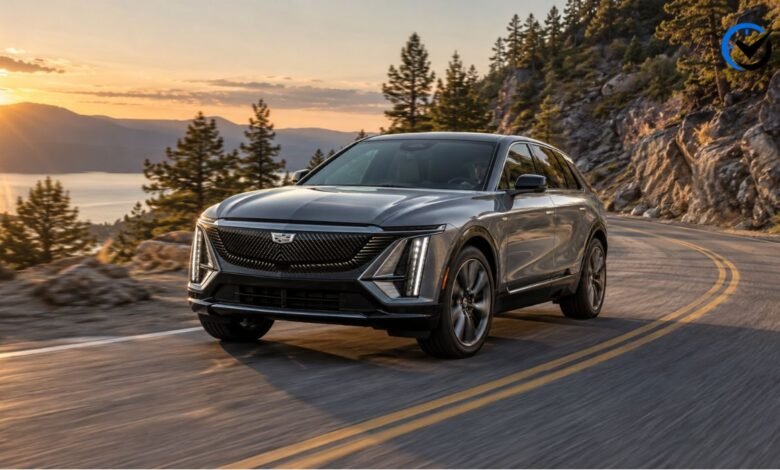
The Cadillac Lyriq gives drivers more than one way to tailor the driving experience. Its available drive-mode controls can change how the vehicle responds to the accelerator, steering, and other systems, which naturally raises an important question: Do these settings actually change how much battery the vehicle uses? The short answer is that a driving mode can influence energy consumption, but it does not create a completely separate battery range for each setting. Instead, range changes mainly because of how a selected mode affects acceleration, responsiveness, traction, and the way the driver operates the vehicle. Cadillac also points out that real-world range can vary with factors such as temperature, terrain, vehicle load, battery condition, and driving conditions.
How Driving Modes Work in the Cadillac Lyriq
A driving mode is essentially a collection of vehicle settings designed for a particular type of driving. Cadillac describes its Driver Mode Control system as a way to adjust vehicle performance according to road conditions or driver preferences. Depending on the vehicle and equipment, Cadillac’s available modes can include Tour, Sport, Snow/Ice, and other settings. The exact choices can vary by model year and configuration, so Lyriq owners should check the settings available on their particular vehicle.
The important point is that choosing a mode does not swap the Lyriq’s battery for a different one. The battery capacity remains the same, while the vehicle changes certain operating characteristics. For example, a mode designed around everyday driving may provide a smoother response, while a performance-focused setting can make acceleration feel more immediate. Those differences can affect how much electricity the vehicle consumes during actual driving.
Does Every Mode Have a Different EPA Range?
Official Range Is Not Normally Listed by Drive Mode
It is easy to assume that an electric vehicle should have a separate range number for every driving mode. In practice, manufacturers generally publish range figures for the vehicle and its powertrain configuration rather than giving a separate EPA rating for every possible driving setting. Cadillac’s current Lyriq specifications, for example, list different range figures based on configurations such as single-motor rear-wheel drive and dual-motor all-wheel drive.
That distinction matters because changing from one driving mode to another does not automatically give the Lyriq a new official range rating. Instead, the driver’s behavior and conditions determine how efficiently the stored energy is used. Two people could drive the same Lyriq in the same mode and achieve noticeably different results because of speed, traffic, weather, road elevation, cabin climate settings, and acceleration habits.
Why Sportier Driving Can Use More Energy
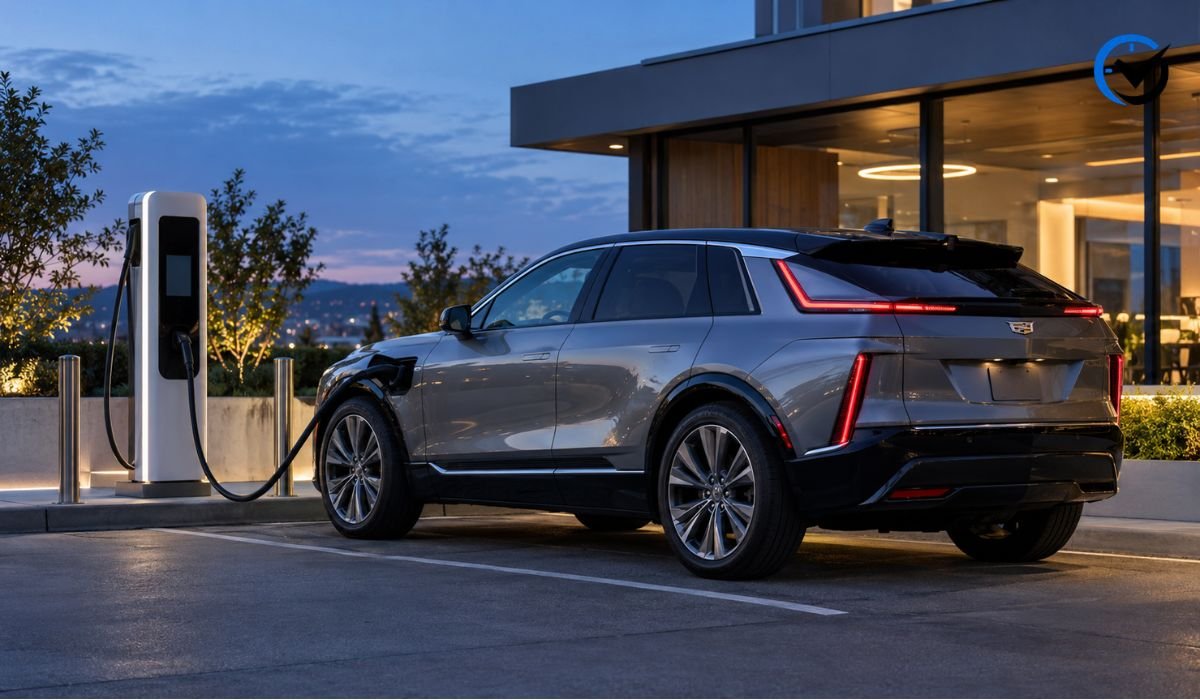
One of the clearest connections between driving mode and battery usage is acceleration. A more responsive setting can make it easier to access strong acceleration, and frequent hard acceleration requires more electrical power from the battery. The energy difference is not necessarily caused by the mode itself; it is often caused by what the mode encourages the driver to do.
If Sport mode makes the accelerator feel sharper, a driver may accelerate more quickly from intersections or use stronger bursts of power on open roads. Over a long trip, repeated high-power acceleration can increase energy consumption. The same Lyriq driven gently in that mode may use considerably less energy than one driven aggressively.
Performance and Efficiency Are Different Priorities
This is why it is useful to think of driving modes as tools rather than automatic range settings. A performance-oriented setting prioritizes response and driving character, while an everyday setting is generally intended to provide a balanced experience. Cadillac describes Tour/Normal as an everyday mode and notes that it is designed to optimize economy and drive quality on applicable vehicles.
That does not mean Tour mode guarantees the longest possible range on every journey. A driver traveling at high highway speeds in Tour can still use more energy than someone driving smoothly at moderate speeds in another setting. The complete driving situation matters more than the name of the mode alone.
What Happens in Tour or Normal Mode?
For many Lyriq owners, the everyday driving setting is the most practical choice. It is designed around normal acceleration and comfortable driving rather than maximum performance. This can make it easier to maintain smooth power delivery and avoid unnecessary bursts of acceleration.
Smooth driving is especially helpful in an EV because frequent acceleration and braking can increase energy demand. Keeping a steady speed, anticipating traffic, and using regenerative braking effectively can make a larger difference to real-world efficiency than simply selecting a particular mode before a trip.
Does Snow or Ice Mode Save Battery?
Snow or Ice mode has a different purpose. Cadillac explains that this setting can adjust pedal mapping and reduce acceleration and torque response to help limit wheel slip on slippery surfaces.
Because the accelerator response is moderated, a driver might use less power during certain low-speed situations. However, that does not mean Snow/Ice mode should be treated as an official battery-saving setting. Its primary purpose is maintaining control and traction. Cold weather itself can also reduce EV efficiency, so using this mode during winter does not guarantee better overall range.
Recovering Energy During Deceleration
Regenerative braking is another important part of the Lyriq’s energy story. Instead of allowing all of the vehicle’s motion to disappear as heat through conventional friction braking, regenerative systems can use the electric motor to slow the vehicle and recover some energy for the battery.
Cadillac specifically describes regenerative braking as a way to conserve and capture braking energy for added range. This does not mean every braking event returns all the energy used for acceleration. Energy conversion is not perfectly efficient. Still, effective regenerative braking can reduce wasted energy during repeated slowing and stopping.
Smooth Deceleration Can Make a Difference
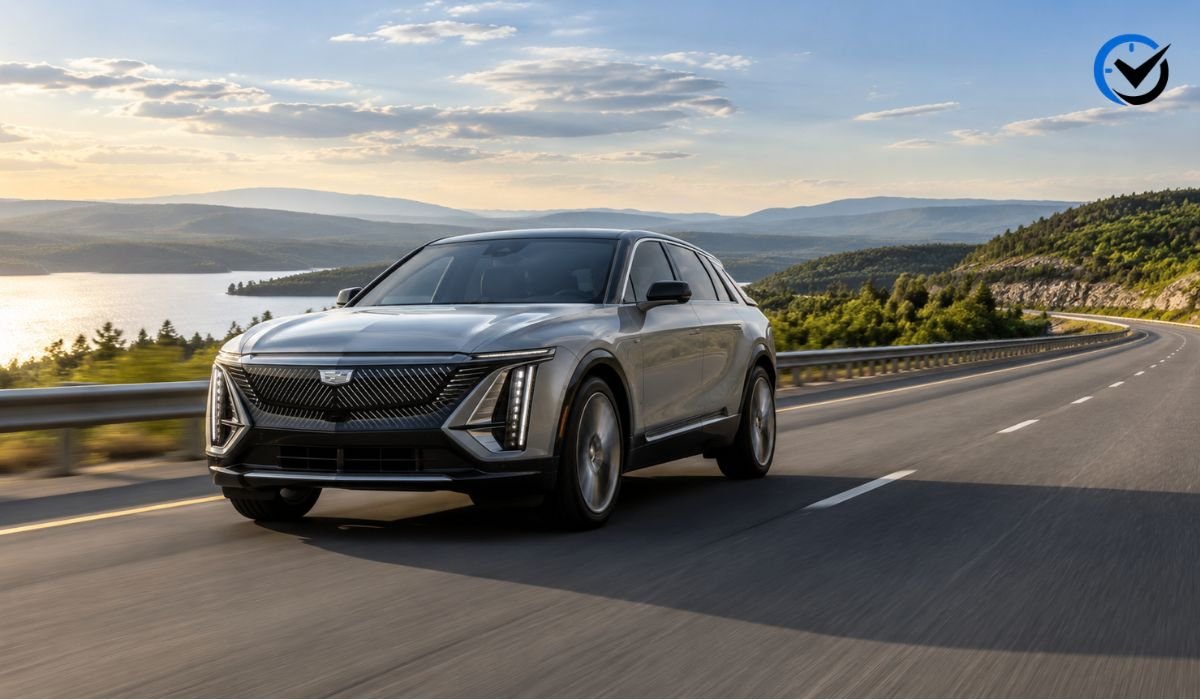
One-pedal driving can also influence how a driver manages energy. The system allows the accelerator pedal to control both acceleration and a significant amount of deceleration, reducing the need to move constantly between accelerator and brake pedals. Cadillac provides one-pedal driving and Regen on Demand information as part of its Lyriq driving features.
The biggest benefit comes from driving smoothly. Abrupt acceleration followed by heavy braking wastes more energy than anticipating traffic and gradually slowing. Regeneration can recover some energy, but it is still better to avoid unnecessary speed changes whenever possible.
What Really Determines Lyriq Range?
Speed, Temperature, and Terrain Matter More Than Many Drivers Expect
Driving mode is only one part of the equation. Outside temperature can have a major effect on EV efficiency because the battery and cabin heating or cooling systems operate differently in extreme weather. Hills and mountainous roads can also increase consumption because the vehicle must work harder to climb.
Highway speed is another important factor. Air resistance rises as speed increases, so maintaining a very high cruising speed can reduce range even when the road is flat. Vehicle weight, tire condition, road surface, wind, and climate control use can also contribute to changes in energy consumption. Cadillac states that actual Lyriq range varies according to factors including temperature, terrain, battery age, loading, use, and maintenance.
Does All-Wheel Drive Change Battery Consumption?
It is also important not to confuse driving modes with drivetrain configuration. A single-motor rear-wheel-drive Lyriq and a dual-motor all-wheel-drive version have different hardware and can have different official range figures. Cadillac’s specifications show this distinction clearly.
If an AWD system uses two motors to deliver power, the vehicle’s energy demand can differ from that of a rear-wheel-drive configuration. However, this is a difference in the vehicle’s powertrain rather than simply a result of pressing a drive-mode button. Comparing range between different Lyriq versions therefore requires looking at the complete configuration.
How to Get Better Range in Any Driving Mode
Drivers who want to maximize range should focus less on constantly switching modes and more on consistent driving habits. Gentle acceleration, reasonable highway speeds, anticipation of traffic, and sensible climate-control use can all help reduce unnecessary energy consumption.
Keeping the tires properly maintained and avoiding unnecessary cargo can also help. On longer journeys, route planning can reduce unexpected detours and make charging stops easier to manage. Cadillac’s charging system also provides tools for planning charging and preparing the battery for fast charging.
Should You Avoid Sport Mode to Protect Range?
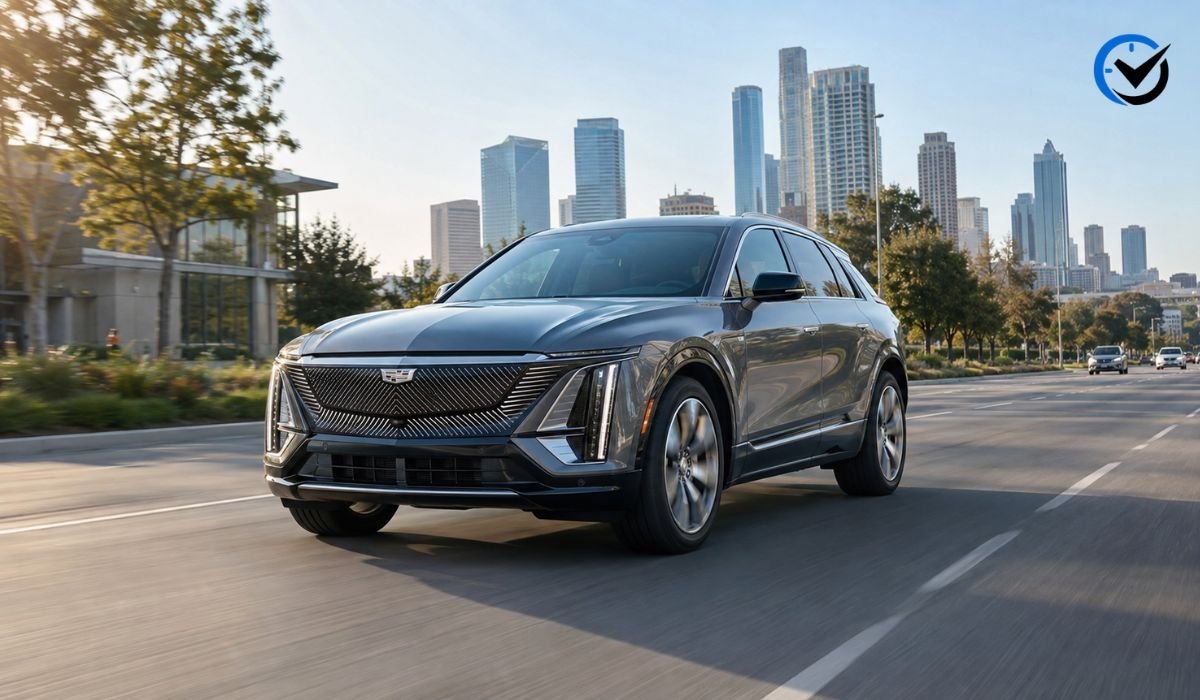
There is no need to avoid a performance-oriented mode simply because it may encourage greater energy use. The point of having different settings is to give the driver flexibility. Sportier driving can be enjoyable when conditions are appropriate, but it should be expected to consume more energy if it leads to stronger acceleration and higher speeds.
The best approach is to use the mode that fits the road and your priorities. For commuting, Tour or the standard everyday setting may be a sensible choice. For situations where sharper responses are desirable, a performance-focused setting can be used while understanding that driving behavior still determines much of the resulting energy consumption.
How Should Lyriq Owners Think About Battery Usage?
Rather than assuming one mode always uses a specific percentage of the battery, owners should watch their actual energy consumption over time. The same driving mode can produce different results on a cold morning, a warm afternoon, a flat highway, or a steep mountain road.
This is especially useful because the Lyriq’s displayed estimated range is not simply a fixed countdown. Range estimates can change as the vehicle learns from recent driving conditions. A driver who improves efficiency may see the estimate respond accordingly, while demanding conditions can make the estimate fall faster.
Final Thoughts
So, do the driving modes in Cadillac Lyriq offer different ranges or battery usages? They can influence energy consumption, but they should not be viewed as separate battery-range settings. The selected mode changes aspects of vehicle behavior, while acceleration habits, speed, weather, terrain, traffic, climate control, drivetrain configuration, and regenerative braking all play important roles in determining actual range. Tour or Normal is generally the sensible everyday choice when efficiency and comfort are priorities, while performance-oriented settings can be enjoyed when sharper responses are wanted. The smartest way to maximize range is to combine an appropriate driving mode with smooth, predictable driving and good charging habits.
Frequently Asked Questions
1. Can changing the Lyriq driving mode immediately change its estimated range?
It can influence future energy consumption, but changing modes does not instantly add or remove a fixed number of miles from the battery. The displayed estimate depends on recent efficiency and current driving conditions.
2. Which Cadillac Lyriq mode is best for everyday efficiency?
The normal or Tour-oriented setting is generally the most appropriate choice for everyday driving. However, driving smoothly is more important than simply selecting a mode because speed and acceleration have a major effect on consumption.
3. Does Sport mode use more battery in the Cadillac Lyriq?
Sport mode can lead to higher battery use when it encourages quicker acceleration, stronger performance, or more aggressive driving. The mode itself should not be treated as a fixed battery drain.
4. Does Snow/Ice mode increase Lyriq range?
Not necessarily. Snow/Ice mode is designed primarily to improve control on slippery roads by moderating acceleration and torque response. Cold weather can reduce EV range regardless of the selected mode.
5. Does regenerative braking improve Cadillac Lyriq range?
Regenerative braking can recover some energy during deceleration and return it to the battery. It cannot recover all of the energy used to accelerate, but it can improve overall efficiency when used effectively.
6. Does highway driving reduce Lyriq battery range?
Highway driving can reduce efficiency when speeds are high because aerodynamic resistance increases with speed. A steady, moderate cruising speed is generally more efficient than frequent high-speed driving.
7. Does air conditioning affect Lyriq battery usage?
Yes. Heating and cooling require electricity, so extensive climate-control use can affect energy consumption. The effect can be more noticeable during very hot or very cold weather.
8. Does the Lyriq’s AWD version use more battery?
A dual-motor AWD configuration can have different energy consumption and range characteristics from a single-motor version because the powertrain hardware is different. Official range figures should therefore be compared by configuration rather than driving mode alone.
9. Can careful driving make a bigger difference than changing modes?
Yes. Smooth acceleration, moderate speeds, good anticipation of traffic, proper tire maintenance, and sensible climate-control use can have a substantial effect on real-world efficiency. A careful driver can achieve good efficiency without constantly changing modes.
10. What is the best way to maximize Cadillac Lyriq range?
Use an appropriate everyday driving setting, accelerate smoothly, avoid unnecessary high speeds, use regenerative braking effectively, maintain the vehicle properly, and plan charging around longer trips. Weather and terrain should also be considered when estimating how far the vehicle can travel.
Recommended: From Idea to Launch: A Complete Guide to Online Lottery Platform Development





One Comment