If your showerhead looks crusty, your dishes come out spotty, or your water heater seems to be working overtime, hard water is probably the culprit. Minerals like calcium and magnesium build up inside pipes, appliances, and fixtures, forcing everything in your home to work harder than it should. Over time, that strain adds up — in energy bills, repair costs, and daily frustration.
The good news? This is one of the easiest home problems to fix permanently. A properly installed water softener strips those minerals out before they ever reach your faucets, giving you cleaner water, longer-lasting appliances, and a noticeably different feel in your skin and hair after every shower.
At Rock Solid Plumbing, we see the effects of hard water in homes across the region every single week — stained sinks, clogged pipes, and water heaters that fail years ahead of schedule. We’ve made it our mission to help homeowners fix the problem at its source, not just patch the symptoms.
What Exactly Is Hard Water, and Why Does It Matter?
Hard water isn’t dirty or unsafe to drink. It’s simply water with a high mineral content, usually calcium and magnesium picked up as water travels through soil and rock before reaching your home. These minerals don’t dissolve completely, so they leave deposits behind wherever water flows, sits, or heats up.
Those deposits are more than a cosmetic nuisance. Mineral buildup — often called scale — narrows the inside of your pipes, reduces water pressure, and forces your water heater to burn more energy to do the same job. Over several years, scale can shorten the lifespan of dishwashers, washing machines, and even your home’s plumbing itself.
Homeowners often notice the signs before they understand the cause:
- Soap and shampoo that won’t lather properly
- White, chalky residue on faucets and glassware
- Dry, itchy skin after showering
- Dingy, stiff laundry despite using plenty of detergent
- Rising water heating bills with no clear explanation
If any of that sounds familiar, your water hardness level is likely worth testing.
How a Water Softener Actually Solves the Problem
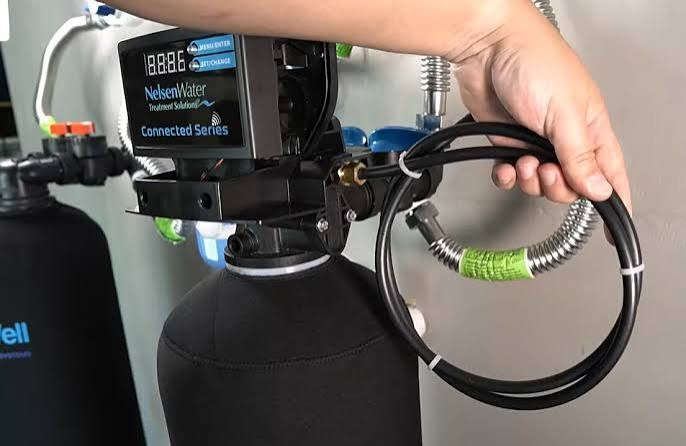
A water softener works through a process called ion exchange. As hard water flows through the unit, calcium and magnesium ions are swapped out for sodium or potassium ions, leaving the water “soft” by the time it reaches your taps. The system automatically regenerates itself on a schedule, flushing out the collected minerals so it keeps working without constant attention.
The difference is noticeable almost immediately. Soap lathers richer, dishes come out of the washer clear instead of spotted, and laundry feels softer right out of the dryer. Underneath the surface, your pipes and appliances benefit too, since there’s no more scale working its way into valves, heating elements, and fixtures.
Why Professional Installation Makes All the Difference
It’s tempting to think of a water softener as a simple plug-and-play fixture, but installation involves more than connecting a few pipes. The unit has to be sized correctly for your household’s water usage and hardness level, positioned to allow proper drainage and regeneration, and integrated cleanly into your existing plumbing without creating leaks or pressure issues.
Get any one of those details wrong, and you end up with a system that underperforms, wastes salt, or fails prematurely. That’s where experience matters. Our licensed plumbers test your water hardness, calculate the right system capacity for your home, and handle every connection with the kind of precision that keeps your plumbing protected for years, not just months.
A Service Designed Around Your Home’s Specific Needs
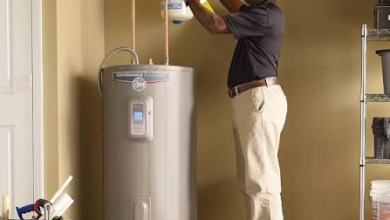
Enjoying softer skin, spot-free dishes, and longer-lasting appliances starts with professional Water Softener Installation tailored to your home’s water conditions. No two households have identical plumbing setups or water quality, which is why we never take a one-size-fits-all approach. Our team begins with a thorough water test, walks you through the best system options for your home’s size and hardness level, and installs everything with careful attention to your existing pipes, water pressure, and drainage requirements.
We also take care of the details most people overlook — proper bypass valve placement for easy maintenance, correct drain line setup to prevent backups, and a final system check to confirm everything is regenerating and softening exactly as it should. Once installation is complete, we walk you through how your new system works and what simple upkeep, like refilling the salt tank, looks like going forward.
Because we stand behind our work, every installation comes with a straightforward warranty and the kind of responsive follow-up support that’s hard to find in the plumbing industry. If something ever feels off with your system, we’re a phone call away.
The Long-Term Payoff of Softer Water
Think of a water softener less as an appliance and more as protection for everything else in your home that touches water. Water heaters run more efficiently without scale buildup, which can translate into real savings on energy bills over time. Dishwashers and washing machines last longer because their internal components aren’t fighting mineral deposits with every cycle. Even your home’s pipes stay clearer for longer, reducing the odds of costly plumbing repairs down the road.
Then there’s the everyday comfort factor: softer skin after a shower, shinier hair, and glassware that actually looks clean when it comes out of the dishwasher. These might seem like small wins individually, but together they add up to a noticeably better quality of life at home.
Ready for Water That Works Better for Your Home?
Hard water doesn’t announce itself with a single dramatic failure. It wears things down slowly, in ways that are easy to dismiss until the repair bills start piling up. The smarter move is to address the mineral content in your water before it costs you more than it should.
Rock Solid Plumbing has helped countless homeowners trade in scale buildup and spotty dishes for cleaner, softer water they can actually feel. If you’ve noticed any of the warning signs of hard water in your own home, now is a good time to get your water tested and talk through your options with a team that installs these systems correctly the first time.
Reach out to Rock Solid Plumbing today to schedule your water quality assessment and find out which softening solution fits your home best.
FAQ
How long does a professional water softener installation take?
Most installations are completed in a single visit, typically within a few hours, depending on your home’s existing plumbing layout.
Will a water softener increase my water bill?
Softeners use a small amount of water and salt during their regeneration cycle, but most homeowners see a net savings thanks to lower energy use and reduced appliance wear.
Is softened water safe to drink?
Yes. Softened water is safe for drinking and cooking. Some households choose to keep one untreated tap for drinking water if they prefer to limit sodium intake.
How often does a water softener need maintenance?
Routine maintenance mainly involves refilling the salt tank every few weeks to months, depending on water usage and household size.