Summer heat doesn’t wait for a convenient time to strike. One minute your home feels perfectly comfortable, and the next, you’re sweating through a malfunctioning cooling system that seems to have picked the hottest day of the year to quit. If you’ve ever stood in front of a vent feeling warm air instead of cold, you know exactly how frustrating this moment can be.
The good news? Most air conditioning problems have clear causes and straightforward solutions. Understanding what typically goes wrong—and when to call in professional help—can save you time, money, and a lot of unnecessary discomfort. Sigma Air Heating & Cooling has spent years helping homeowners get their systems back up and running quickly, and this guide breaks down everything you need to know about keeping your home cool when it matters most.
Whether your unit is making strange noises, blowing warm air, or simply refusing to turn on, there’s usually a logical explanation. Let’s walk through the most common culprits and how a trusted technician approaches each one.
Why Does My Air Conditioner Suddenly Stop Cooling?
A sudden loss of cooling power is one of the most common complaints homeowners bring to HVAC technicians. Several issues can cause this, and pinpointing the right one makes all the difference in getting a fast, lasting fix.
Low Refrigerant Levels
Refrigerant is the lifeblood of your cooling system. It absorbs heat from indoor air and releases it outside, which is how your home gets that refreshing chill. When refrigerant levels drop—usually due to a leak—your system struggles to remove heat effectively. You might notice your AC running constantly without ever reaching the temperature you set on the thermostat.
Low refrigerant isn’t something you simply top off and forget. A leak means refrigerant will keep escaping until it’s located and sealed. Technicians use specialized tools to detect leaks, repair them, and recharge the system to the manufacturer’s recommended levels.
Dirty or Clogged Air Filters
This one sounds almost too simple to matter, but it’s one of the leading causes of AC problems. A clogged filter restricts airflow, forcing your system to work harder while delivering less cooling power. Over time, this strain can lead to frozen coils, higher energy bills, and even premature compressor failure.
Replacing or cleaning your filter every one to three months is one of the easiest ways to prevent bigger issues down the road. It’s a small task with an outsized impact on performance.
Electrical Component Failures
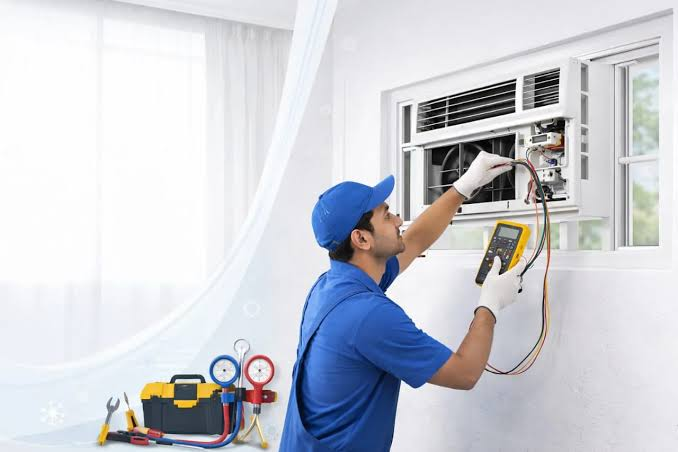
Modern air conditioners rely on a network of electrical parts, including capacitors, relays, and contactors, to function properly. When one of these components fails, your system might not start at all, or it could cycle on and off erratically. These issues can also pose safety risks, which is why electrical troubleshooting should always be left to trained professionals.
What Are the Warning Signs That My AC Needs Professional Attention?
Not every AC issue announces itself with a complete shutdown. Many problems start small and give off warning signs well before a full breakdown happens. Catching these early can prevent a minor repair from turning into a costly replacement.
Unusual noises like grinding, squealing, or banging often point to mechanical issues within the compressor or fan motor. Foul odors coming from your vents can indicate mold growth inside the ductwork or a burned-out electrical component. Inconsistent cooling across different rooms in your home may suggest ductwork problems or an improperly sized system.
Higher-than-usual energy bills are another red flag. If your system is working overtime to maintain the same comfort level, something is forcing it to use more energy than it should. Addressing these signs early typically costs less than waiting until the system fails.
How Often Should I Schedule Maintenance for My Cooling System?
Routine maintenance is one of the most overlooked ways to extend the life of your air conditioning unit. Most HVAC professionals recommend scheduling a maintenance visit at least once a year, ideally in the spring before the summer heat arrives.
During a maintenance appointment, a technician will typically clean the coils, check refrigerant levels, inspect electrical connections, lubricate moving parts, and test the overall system performance. This proactive approach catches small issues before they escalate, which means fewer emergency calls and lower long-term repair costs.
Homes with pets, nearby construction, or high dust levels may benefit from more frequent filter changes and inspections. A technician can help determine the right maintenance schedule based on your specific home environment and system usage.
Should I Repair My Current System or Consider a Replacement?
This question comes up often, especially with older units. The answer depends on a few key factors: the age of your system, the frequency of repairs, and the overall cost comparison between fixing and replacing.
As a general guideline, if your air conditioner is under ten years old and the repair cost is less than half the price of a new system, repair usually makes more financial sense. Choose repair if your unit has a solid maintenance history and the current issue is isolated. On the other hand, if your system is older, requires frequent repairs, or uses outdated refrigerant that’s being phased out, replacement often provides better long-term value through improved efficiency and fewer future breakdowns.
A trusted technician can walk you through the specific numbers for your situation rather than pushing a one-size-fits-all recommendation.
Getting Your Home Comfortable Again
Fast, reliable AC Repair from a team that treats your comfort like it’s our own is exactly what you deserve when your cooling system lets you down. Sigma Air Heating & Cooling understands how disruptive a broken air conditioner can be, especially during the hottest stretches of the year. That’s why the team prioritizes quick diagnostics, honest recommendations, and lasting repairs that get your home back to normal without unnecessary delays or upsells.
From electrical component failures to refrigerant leaks and everything in between, the technicians at Sigma Air Heating & Cooling have seen it all and know how to fix it right the first time. Every repair comes backed by genuine expertise and a commitment to treating your home with care.
Don’t let a broken AC turn into a bigger problem. A small issue today can become an expensive replacement tomorrow if left unaddressed. Taking action now—whether that means scheduling a repair or simply booking your annual maintenance check—keeps your home comfortable and your system running efficiently for years to come.
Frequently Asked Questions
How much does AC repair typically cost?
Costs vary widely depending on the issue, ranging from simple filter replacements to more involved repairs like compressor replacement. Getting a diagnostic inspection is the best way to receive an accurate estimate for your specific situation.
How long does an AC repair usually take?
Many common repairs, such as fixing electrical components or addressing minor refrigerant leaks, can be completed within a few hours. More complex issues may require additional time or parts ordering.
Can I prevent most AC problems with regular maintenance?
Yes. Scheduling annual maintenance and changing filters regularly significantly reduces the likelihood of unexpected breakdowns and extends the lifespan of your system.
What should I do if my AC stops working completely?
Check your thermostat settings and circuit breaker first, as these are simple fixes homeowners can handle. If the system still won’t start, it’s time to call a professional technician for a full inspection.