

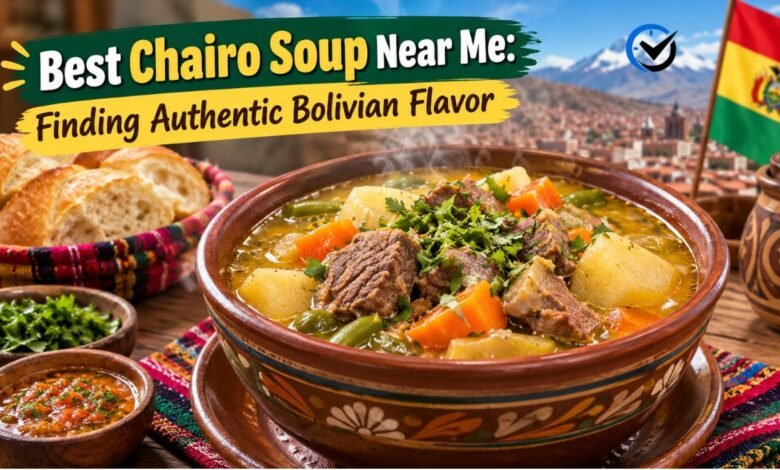
When you search for chairo soup nearby, you are looking for more than a filling bowl. This traditional Bolivian soup brings together Andean ingredients, meat, vegetables, and chuño, a form of freeze-dried potato. It is especially associated with La Paz, where it is served as a hearty meal. Finding it outside Bolivia can take some effort because it may appear only on a restaurant’s lunch menu or as a daily special. This guide explains what chairo is, what to look for on a menu, and how to choose a place that serves a satisfying version.
What Is Chairo Soup?
Chairo is a substantial soup from Bolivia’s highland food traditions, particularly those of La Paz. Recipes vary, but many combine a meat-based broth with potatoes, vegetables, grains, and chuño. The result is thicker and more filling than a light broth, yet it is still served and eaten as soup. In some kitchens, the ingredients are cut small and mixed through the broth; in others, the meat and vegetables remain more distinct. The name is associated with Aymara, one of the Indigenous languages of the Andes. For diners unfamiliar with Bolivian cooking, chairo offers a useful introduction to the region’s ingredients and everyday comfort food.
Ingredients That Give Chairo Its Character
A traditional-style bowl may contain lamb or beef, chuño, potatoes, peas, fava beans, carrots, corn, and wheat. Some recipes use dried lamb, called chalona, for a deeper, saltier flavor. Onion, garlic, herbs, and spices build the broth, while mint or oregano may add a fresh aroma. No single list defines every version, and restaurants adapt recipes to local supplies and family traditions. When checking a menu, look for a combination of chuño, meat, vegetables, and grains rather than expecting one rigid recipe. If a description simply says “Bolivian soup,” ask whether it is chairo and what ingredients the kitchen uses.
Why Chuño Matters
Chuño is a key clue when you are trying to identify chairo. It is made from potatoes preserved through traditional Andean freeze-drying methods. The process helps potatoes keep for long periods in the cold, dry highlands, where preserving food has long been practical. Once rehydrated and prepared, chuño has a distinctive texture and a flavor different from fresh potato. It can soften in the broth and help make the soup substantial. Some versions use chuño that has been crushed or ground, while others include pieces. If a restaurant’s description mentions chuño, it is a stronger sign that the dish is rooted in Andean cooking than a generic potato soup would be.
Flavor, Texture, and What to Expect
Chairo is usually savory, warming, and filling, with the broth carrying flavor from meat, vegetables, and seasonings. The grains and potatoes add body, while chuño contributes a texture that may be unfamiliar at first. Depending on the recipe, the soup can taste mild and herb-forward or more pronounced from dried meat and seasoning. It is not automatically hot or spicy; heat may come from a separate chili sauce served at the table. Expect a bowl with several components rather than a smooth, uniform soup. If you enjoy dishes such as stew or hearty vegetable soup, chairo may feel familiar while still offering a distinct Andean character.
Regional and Restaurant Variations
Recipes differ among households, cooks, and restaurants. One version may use lamb and chalona, while another relies on beef or a different mix of vegetables and grains. The amount and form of chuño can also change the soup’s thickness and texture. Restaurants outside Bolivia may make substitutions if specific ingredients are difficult to source. Those changes do not automatically make the dish poor, but a menu that clearly identifies the ingredients gives diners a better basis for choosing. When authenticity matters to you, ask whether the kitchen follows a La Paz-style recipe and whether chuño is included. A thoughtful answer is more useful than a broad claim that a dish is “traditional.”
How to Find Chairo Nearby
Start with Bolivian restaurants and businesses that specialize in food from the Andes. Search restaurant menus, social media pages, and recent customer photos using terms such as “chairo,” “chairo paceño,” and “Bolivian soup.” A restaurant may serve it only on certain days, especially if it is part of a changing lunch menu. Calling ahead can save a wasted trip. Ask whether chairo is available that day, whether it is dine-in or takeout, and whether the kitchen can confirm its main ingredients. In places with few Bolivian restaurants, Latin American markets or community food events may also help you discover local cooks who prepare regional dishes.
Reading Menus and Spotting Useful Clues
Menus may describe chairo as a Bolivian soup, a La Paz specialty, or a soup made with chuño. Any of those details can help you distinguish it from other Andean dishes. Look for terms such as lamb, dried meat, potatoes, peas, fava beans, corn, or wheat. A short description is not necessarily a warning sign; some family-run restaurants keep menus concise. But if the wording is unclear, ask whether the dish contains chuño and what meat or grains are used. Do not assume that every Bolivian soup is chairo. Other soups may share ingredients while differing in broth, preparation, and regional meaning.
Choosing a Restaurant with Care
A good restaurant choice depends on more than a high star rating. Read recent reviews for specific comments about the soup’s flavor, temperature, portion size, and availability. Customer photos can show whether the dish appears brothy or thick, but they cannot confirm how it tastes or how it was prepared. Check whether reviewers mention the restaurant’s Bolivian dishes by name, rather than relying only on general comments about service or atmosphere. Also consider practical details such as current hours, price, parking, and whether the kitchen accepts reservations. If chairo is a special, confirm that it has not sold out before traveling across town.
Questions to Ask Before Ordering
A few clear questions can make ordering easier, especially if you have never tried the soup. You might ask whether it contains chuño, which meat is used, and whether the broth is seasoned with chili. If you avoid certain foods, ask about wheat, animal products, and possible cross-contact with allergens. It is also reasonable to ask how large the serving is and whether the soup comes with bread or another side. Staff may not know the historical background of every ingredient, but they should be able to describe the dish they serve. Their answers can help you decide whether the bowl fits your preferences and dietary needs.
Ordering, Serving, and Enjoying the Bowl
Chairo is often served as a main course because the combination of broth, meat, vegetables, potatoes, and grains can be filling. Let the soup cool briefly before tasting, since a freshly served bowl may be very hot. Try a spoonful before adding salt or chili sauce; the broth may already be well seasoned. If the restaurant offers llajua, a Bolivian chili sauce, ask whether it is served separately and add a little at a time. For takeout, keep the soup hot during transport and follow the restaurant’s reheating guidance. If the ingredients and broth are packed separately, combine them shortly before eating to preserve the texture.
Final Thoughts
Finding chairo near you may require checking menus or calling a restaurant, but a little preparation can make the search worthwhile. Look for Bolivian or Andean food, check whether chuño is part of the recipe, and confirm that the soup is available before you go. Remember that family and restaurant versions can differ in meat, vegetables, thickness, and seasoning. Those variations are part of how regional food is cooked and shared. A clear menu description and helpful staff can guide you toward a bowl that suits your tastes. For a first visit, order chairo as served, taste the broth, and explore the ingredients one spoonful at a time.
Frequently Asked Questions
1. What is chairo soup made of?
Chairo commonly combines meat broth, chuño, fresh potatoes, vegetables, and grains such as corn or wheat. Recipes may also include peas, fava beans, carrots, onion, garlic, and herbs. Ingredients vary by cook and region, so it is best to ask a restaurant what its version contains.
2. Is chairo a Bolivian dish?
Yes. Chairo is a traditional Bolivian soup closely associated with La Paz and the country’s Andean food traditions. Versions can differ from one household or restaurant to another, but chuño and a hearty combination of broth, vegetables, and other ingredients are common features.
3. What does chuño taste and feel like?
Chuño is made from potatoes preserved through freeze-drying. After preparation, it has a distinctive texture that differs from fresh potato and can absorb the flavors of the soup. Its taste is generally mild, so the broth and other ingredients shape much of the bowl’s overall flavor.
4. Is chairo soup spicy?
Chairo is not necessarily spicy. Its flavor usually comes from the broth, meat, vegetables, herbs, and seasonings. Some restaurants serve chili sauce separately, allowing diners to control the heat. Ask the staff how the soup is seasoned if you are sensitive to spicy food.
5. Does chairo always contain meat?
Many traditional recipes use lamb or beef, and some include dried lamb. However, recipes and restaurant adaptations vary. Do not assume a bowl is vegetarian based on its vegetables or broth color. Ask whether the stock, meat, or other ingredients are animal-based before ordering.
6. Is chairo similar to stew?
Chairo can resemble a stew because it is hearty and may be thick with meat, vegetables, potatoes, and grains. It is generally served as soup, though consistency varies. The chuño gives it a texture and regional character that distinguish it from many familiar stews.
7. When is chairo usually available at restaurants?
Availability depends on the restaurant. Some places serve it regularly, while others offer it as a lunch special or on selected days. Check the current menu or call ahead before visiting. A restaurant may also run out of a daily soup before its posted closing time.
8. What should I ask when ordering chairo?
Ask whether the soup contains chuño, what meat is used, and whether the broth or chili sauce is spicy. If you have dietary restrictions, check for wheat, animal-based stock, or other ingredients you need to avoid. You can also ask about serving size and sides.
9. Can I find chairo outside Bolivia?
Yes, although availability depends on the local Bolivian and Andean food scene. Try Bolivian restaurants, community food events, and Latin American markets that share local vendor information. Searching for “chairo paceño” may surface listings that do not appear under a general soup search.
10. How can I tell if a restaurant serves an authentic-style chairo?
Look for a menu description that names chairo and mentions chuño or other Andean ingredients. Ask how the restaurant prepares it and whether the recipe follows a La Paz-style tradition. Since recipes vary, authenticity is better judged by the ingredients and the kitchen’s explanation than by one fixed formula.
Recommended: Best Suspiro a la Limeña Near Me: Finding This Peruvian Dessert





One Comment