

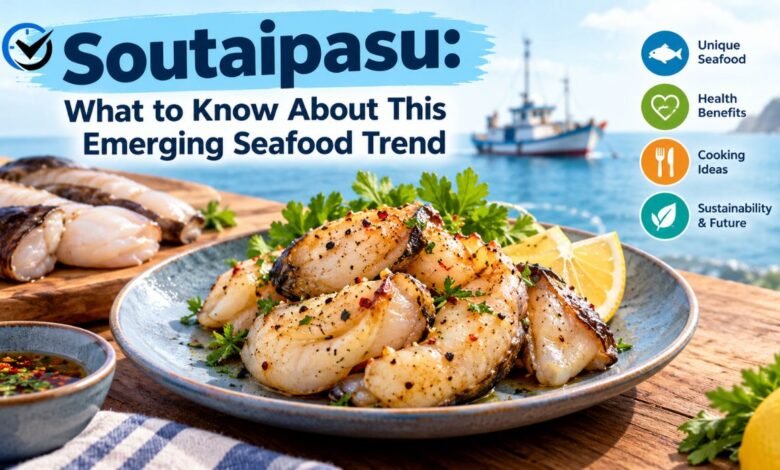
The name “Soutaipasu” has begun appearing in online discussions about seafood, food culture, and new dining ideas. That can make it sound like a recognized dish or a fast-growing culinary movement. However, the available information does not establish it as a traditional cuisine, a standardized recipe, or a widely documented seafood trend. The term is used inconsistently, so readers should be cautious about treating any one description as definitive.
This guide looks at what can be said responsibly about Soutaipasu, how to assess claims about emerging food trends, and what matters when exploring seafood dishes more generally. It does not assign the term a fixed origin or recipe without reliable evidence. Instead, it offers a practical way to evaluate the name, understand the broader seafood context, and make informed choices about ingredients, preparation, safety, and sustainability.
What Is Soutaipasu?
At present, Soutaipasu is best treated as an unfamiliar or loosely used label rather than a clearly defined seafood category. Online pages describe it in different ways, including as a cuisine, a dish, a food philosophy, or a modern seafood concept. Those descriptions do not agree on a consistent origin, ingredient list, preparation method, or cultural background. Without those details, it is not possible to confidently identify Soutaipasu as a specific traditional food or established culinary practice.
That distinction matters because food names often carry cultural meaning. A dish may have a documented history within a community, a recognizable set of ingredients, and variations that developed over time. A newly coined term may instead be a brand name, a social media label, or a phrase used by a small group of websites. Until clearer evidence supports a definition, readers should separate what a page claims from what can be independently confirmed.
Why Is the Name Appearing Online?
A term can appear across several websites without representing a genuine food movement. Pages may repeat one another’s claims, use similar wording, or publish broad descriptions without naming chefs, restaurants, regional communities, cookbooks, or food organizations that use the term. Repetition can make a concept seem established, even when the underlying evidence is thin. Search visibility alone does not show that a dish is popular or recognized by food professionals.
When researching an unfamiliar culinary term, look for independent examples. Do restaurants list it on menus? Are chefs explaining how they prepare it? Do food publications describe its development and identify people or places associated with it? Are recipes consistent enough to reveal a shared idea? If these details are missing, it is more accurate to say the term is appearing online than to call it a verified trend.
What Makes a Seafood Trend Credible?
A food trend is easier to assess when it leaves a clear trail beyond isolated articles. Evidence may include menus from multiple independent restaurants, coverage by established food journalists, cookbooks, chef interviews, or reports showing a measurable rise in consumer interest. These sources can help establish where the trend began, what it involves, and whether people are actually cooking or ordering it. A few similar search results cannot answer those questions on their own.
A credible account should also be specific. It should explain what ingredients or techniques define the food, how cooks adapt it, and which communities or culinary traditions influenced it. If a trend is called “seafood,” readers should be able to learn which species are commonly used and how they are sourced. If the explanations vary widely or rely on vague claims about freshness, tradition, or popularity, the label needs more careful investigation.
Seafood Trends in the Broader Food Scene
Seafood dining does change as ingredients, cooking styles, and consumer interests shift. Diners may encounter raw fish preparations, grilled whole fish, shellfish platters, seafood noodles, fermented seafood, or plant-forward meals that use sea vegetables. Restaurants also experiment with regional seasonings and combine methods from different culinary traditions. These are broad patterns, however, and they do not confirm that Soutaipasu refers to any particular one.
Interest in seafood can also reflect practical concerns. Some diners look for local catches, less familiar species, traceable supply chains, or cooking methods that use more of the fish. Others choose seafood because it fits a meal they already enjoy, such as a soup, rice bowl, or grilled dinner. A new name may bring attention to these ideas, but the value of a dish depends on its actual ingredients, preparation, and sourcing rather than on the label attached to it.
How to Explore the Term Without Assuming a Recipe
If a restaurant, recipe creator, or food seller uses the name Soutaipasu, check how that specific source defines it. Read the ingredient list and preparation notes rather than assuming the word refers to one standard dish. Ask what fish or shellfish is included, whether the recipe has a stated regional connection, and whether the name belongs to the business or to a broader culinary tradition. These questions help distinguish a house specialty from a recognized food style.
Home cooks can also treat the name as a prompt for exploration, provided they do not present an invented recipe as an authentic tradition. A cook might make a seafood meal inspired by flavors they enjoy, then describe it plainly by its ingredients and method. For example, a menu description can name the fish, sauce, vegetables, and cooking style. Clear wording gives diners useful information and avoids suggesting that an unverified term has a settled meaning.
Choosing Seafood Responsibly
Whatever name appears on a menu, seafood choice deserves attention. Species differ in population status, fishing methods, farming practices, and local management. A responsible choice depends on where the seafood came from and how it was caught or raised. Broad statements such as “sustainable seafood” are not enough by themselves; useful information includes the species, harvest location, and details about the fishery or farm when available.
Availability changes by region and season, so a fish that is a sensible choice in one place may not be the same choice elsewhere. Buyers can ask fishmongers or restaurants about the species and origin, and they can consult current local seafood guidance when making a purchase. Using a wider range of well-sourced species may also reduce pressure on a small number of familiar fish, but substitutions should still be checked for quality, safety, and ecological impact.
Freshness, Storage, and Food Safety
Freshness is not judged by a fashionable name or by the word “fresh” on a sign. For whole fish, buyers can look for clear eyes, moist skin, and a mild, clean smell. Fillets should appear moist and firm, without strong odors or discolored edges. Shellfish require particular care: purchase them from a reliable seller, keep them cold, and follow local guidance on storage and cooking. If seafood smells sour, strongly fishy, or ammonia-like, do not use it.
Raw and lightly cooked seafood carry added food-safety risks. Freezing may reduce certain parasite risks in fish intended for raw consumption, but it does not eliminate every hazard, and freezing is not a substitute for careful handling. People who are pregnant, older, immunocompromised, or managing certain health conditions may need to avoid some raw seafood. When in doubt, choose fully cooked seafood and follow food-safety advice from a trusted health authority in your area.
Preparing Seafood at Home
Good seafood cooking starts with the ingredient, not a trend label. Delicate fish often suits gentle cooking, such as baking, steaming, or pan-searing, while firmer fish can work well on a grill or in a stew. Shellfish cook quickly and can become tough if left on heat too long. A thermometer and a reliable recipe can help cooks avoid undercooking, especially when preparing thicker cuts or seafood for people at higher risk from foodborne illness.
Keep seasonings balanced enough to let the seafood remain recognizable. Citrus, herbs, spices, fermented pastes, and sauces can all work, but the best pairing depends on the fish’s flavor and texture. If trying a recipe described as Soutaipasu, note which steps and ingredients come from that source and which are your own adaptations. That simple distinction makes it easier to repeat the meal and to describe it accurately to others.
How to Evaluate Online Food Claims
When you encounter a claim that Soutaipasu is traditional, popular, health-promoting, or environmentally friendly, look for evidence that matches the claim. A tradition claim should identify a community, place, or historical record. A popularity claim should point to more than search results or a single promotional article. A nutrition claim should be based on the actual ingredients and portion size, because seafood dishes can vary greatly in salt, fat, and overall nutritional value.
Pay attention to how sources use language. Phrases such as “ancient,” “authentic,” “world-famous,” or “rapidly growing” can sound persuasive but do not prove anything without supporting detail. Check whether different sources independently report the same facts or whether they repeat similar wording. If the evidence is limited, a careful description is more useful: Soutaipasu is a term used in some online food content, but its culinary meaning and status as a trend are not clearly established.
Final Thoughts
Soutaipasu may be an emerging online label, but current information does not establish a single definition, traditional origin, or widely recognized seafood trend. Readers can still explore recipes or menus that use the name, while checking the ingredients, source, and claims behind them. For seafood meals in general, the most useful considerations remain clear labeling, safe handling, thoughtful sourcing, and accurate descriptions.
Frequently Asked Questions
1. What does Soutaipasu mean?
There is no consistently documented definition that establishes Soutaipasu as a specific seafood dish or cuisine. Online descriptions vary, so the meaning may depend on the source using the term. Check the context, ingredients, and any stated origin before deciding what a particular page or menu intends.
2. Is Soutaipasu a traditional seafood dish?
Available descriptions do not provide enough consistent evidence to identify it as a traditional dish with a confirmed cultural origin. A claim of tradition should name the community, region, or historical sources connected to the food. Without that context, it is better not to present the claim as fact.
3. Is Soutaipasu a proven food trend?
Its presence in online content does not by itself demonstrate broad popularity. Evidence of a trend would include independent restaurant menus, credible food reporting, chef use, or other clear signs of adoption. At this point, the term’s wider culinary status remains uncertain.
4. What ingredients are used in Soutaipasu?
There is no standard ingredient list that can be confidently attributed to the term. If a specific recipe uses the name, rely on that recipe’s stated ingredients and do not assume they apply to every version. Name the fish, shellfish, seasonings, and cooking method when describing the dish.
5. Is Soutaipasu Japanese food?
The term alone does not establish a Japanese origin. Some online descriptions may suggest cultural connections, but those claims need reliable support, such as a documented source or a clearly identified culinary community. Avoid assigning a national origin based only on the sound of a word.
6. Can I make Soutaipasu at home?
You can prepare a seafood recipe that a particular source labels Soutaipasu, as long as you follow its instructions and use safe ingredients. If you adapt the recipe, describe it as your version rather than as a definitive or authentic preparation. Proper storage and cooking remain essential.
7. How can I tell whether seafood is fresh?
Buy from a reliable seller and look for seafood with a mild smell and a clean appearance. Whole fish should have moist skin and clear eyes; fillets should be firm and not discolored. Keep seafood cold, follow local handling advice, and discard it if it smells sour or ammonia-like.
8. Is seafood always a sustainable choice?
No. Sustainability depends on the species, location, fishing method, and farming practices. Ask where the seafood came from and consult current guidance for your region. A general claim that a dish is sustainable is not enough to assess the impact of its ingredients.
9. Is it safe to eat seafood raw?
Raw seafood can carry bacteria, viruses, or parasites. Freezing may reduce some risks in fish intended for raw use, but it does not make every product risk-free. People at higher risk from foodborne illness should seek medical or local public-health guidance and may need to avoid raw seafood.
10. How should restaurants describe unfamiliar seafood dishes?
Restaurants should clearly state the seafood species, main ingredients, preparation method, and any relevant allergen information. If Soutaipasu is a house-created name, explaining that helps diners understand what they are ordering. Clear descriptions support informed choices without overstating cultural history or popularity.
Recommended: Schedow Meaning: How Shadows Form When Objects Block Light





One Comment