
TechNewsOutlets.com USA: Inside Its 30-Outlet Directory, Publication Profiles, and Reading Guides

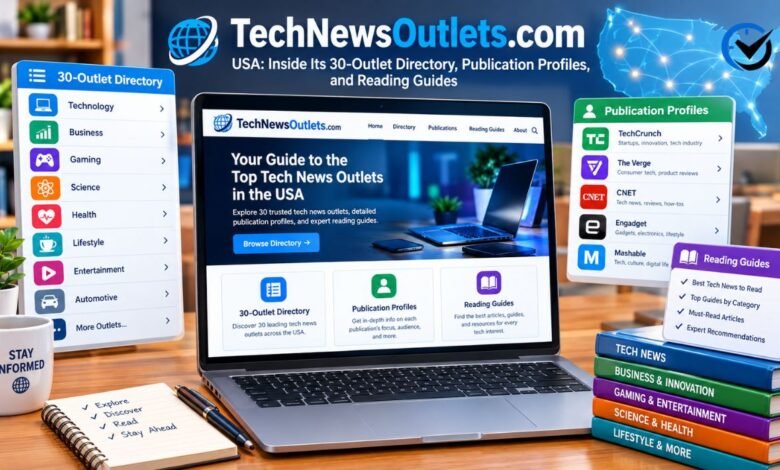
Finding technology news is easy; deciding which sources deserve your attention takes more work. A reader following artificial intelligence may need research reporting, while someone buying a laptop needs product testing and comparisons. TechNewsOutlets.com USA approaches that problem through a directory of 30 outlets, supported by topic guides and individual publication profiles. Its main purpose is to help readers choose where to read. Understanding that purpose makes the website easier to assess, especially when its name suggests a conventional technology news publication.
The website also has a broader blog, so the directory does not describe everything it publishes. Alongside guides to technology sources, readers can encounter articles about construction, food businesses, legal services, and home improvement. These two parts serve different purposes: one organizes outside publications, while the other presents articles on the website itself. This guide examines the directory, explains what the profiles and reading plans offer, and considers the limits of its recommendations. The aim is to help readers decide how the website fits their interests without assuming that every listing has been independently tested.
What the Website Actually Does
The About page describes the website as a directory and guide for discovering technology publications. Its category pages connect subjects such as AI, cybersecurity, startups, gadgets, enterprise IT, software development, and data science with suggested sources. The individual outlet pages then explain coverage, intended audiences, and possible reading combinations. This structure supports discovery rather than a single continuous stream of breaking technology stories. For example, a visitor interested in startup funding can find a relevant guide and then explore a publication profile before choosing which original publisher to follow. The directory helps identify reading options; reporting, investigations, and product tests come from those publishers.
Inside the 30-Outlet Directory
The main list contains 30 entries spanning newsrooms, review sites, specialist publications, and a community platform. General technology and consumer sources include The Verge, CNET, Engadget, Gizmodo, Digital Trends, TechRadar, and Mashable. PC coverage includes PCMag, PCWorld, and Tom’s Hardware, while Apple and Android entries include 9to5Mac, MacRumors, Android Authority, and XDA Developers. Startup and business choices include TechCrunch, The Next Web, VentureBeat, Fast Company, Axios, Bloomberg Technology, and The Information. Other entries include WIRED, Ars Technica, MIT Technology Review, ZDNET, and Hacker News, alongside BleepingComputer, Dark Reading, Krebs on Security, and SecurityWeek. These groups illustrate the range, although many outlets cover several subjects. The value is having different reading styles available in one place.
What Publication Profiles Explain
The profiles provide more detail than a simple list of names. The TechCrunch page, for example, discusses startup funding, product launches, relevant audiences, strengths, limitations, and alternatives. It suggests The Information for deeper reporting, Bloomberg Technology for market context, and Axios for brief updates. It also cautions that funding stories can reflect publicity and that technical depth varies, giving readers reasons to examine product adoption and consult specialist explanations. The WIRED profile emphasizes technology’s relationship with society, privacy, culture, and policy, while the Hacker News page explains community links and discussions. Those differences matter when choosing complementary sources. A community conversation, a reported investigation, and a product review each offer different kinds of information. Profile descriptions can help readers recognize those differences, but they should be treated as summaries of the website’s recommendations rather than independently verified performance ratings.
AI, Cybersecurity, and Startup Reading Guides
Three prominent topic guides organize recommendations around five sources with different roles. The AI guide combines VentureBeat, MIT Technology Review, Bloomberg Technology, TechCrunch, and Axios, pairing enterprise coverage with research, business reporting, startup news, and short briefings. The cybersecurity guide brings together BleepingComputer, Dark Reading, Krebs on Security, SecurityWeek, and Axios, with an emphasis on incident reporting and professional context. The startup guide selects TechCrunch, The Information, Bloomberg Technology, Fast Company, and Axios. These combinations show the website’s approach: choose sources that contribute different perspectives instead of following several outlets for identical reasons. Five is a suggested starting arrangement, not a requirement. A reader with limited time can begin with fewer publications and add another when a clear information gap appears.
Sources for Developers, Gadget Buyers, and IT Teams
The directory also organizes reading around practical goals. Its developer recommendations include Ars Technica, Hacker News, XDA Developers, and BleepingComputer, bringing together technical explanations, community discussion, platform coverage, and security updates. Consumer technology sections point toward publications covering devices, reviews, and buying decisions, while enterprise readers are directed toward sources such as ZDNET and business technology reporting. The useful question is what information a reader needs next. Someone comparing phones should prioritize relevant tests and comparisons; an engineering manager may need platform changes and vulnerability details. For hardware decisions, separate measured performance from a manufacturer’s specifications; for business tools, consider the deployment setting and operating constraints. A source is useful when its reporting matches the decision you actually face. These needs can overlap, but the directory offers a way to choose a primary focus before adding specialist coverage.
Turning the Guides Into a Reading Routine
The topic guides suggest a daily scan of roughly 5–10 minutes, followed by a weekly period of deeper reading, commonly 30–60 minutes. This is a proposed routine rather than evidence that those time limits suit everyone. Security specialists may need alerts more frequently than this general routine suggests, while occasional gadget buyers may need focused research only when comparing a purchase. A practical approach is to skim one publication for developments, save a few relevant stories, and return to an analysis source for explanation. Important claims deserve another step: consult the original announcement, research paper, regulatory filing, or security advisory when available. For a reported vulnerability, check the affected product and version before assuming it applies to your system. That habit connects news awareness with specific evidence and helps prevent headlines from driving premature decisions.
The Blog Extends Beyond Technology
The blog introduces a wider publishing focus than the directory’s technology categories suggest. During review, it included articles about construction careers, motorcycle injury attorneys, food truck businesses, wall soundproofing, camping equipment, addiction treatment, and real estate agents, alongside an AI video article. This variety is relevant for readers expecting every page to discuss technology journalism. Some labels also appear loosely applied: a window repair article was listed under cybersecurity as well as home improvement. That observation does not establish the quality of every article, but it shows why navigation labels alone are insufficient. Readers should check each article’s subject, author information, and supporting explanation before deciding whether it answers their question.
How to Assess the Recommendations
The About page says selection considers usefulness, reputation, topic fit, consistent technology coverage, and editorial credibility. Those are reasonable considerations, but the reviewed page describes them broadly rather than providing a scored comparison for every outlet. Labels such as “best” therefore express the directory’s recommendations within a particular reading goal. Readers can make their own assessment by examining a publication’s authors, sourcing, correction practices, and subject expertise. A well-known name may be useful for general awareness while another source offers greater detail on a narrow issue. The strongest use of the directory is to identify candidates, inspect their actual work, and retain the publications that answer your recurring questions clearly.
Final Thoughts
TechNewsOutlets.com USA offers a starting point for readers who want to organize their technology reading. Its 30-outlet list provides breadth, the profiles explain differences between sources, and the topic guides suggest manageable combinations. The broader blog should also be considered when assessing the website’s overall focus. For everyday use, choose a small group of publications around a concrete interest, review their actual reporting, and adjust that group as your needs change. The directory can support that process, while the quality of your reading ultimately depends on the sources and evidence you choose.
Frequently Asked Questions
1. Is the website a newsroom or a directory?
Its About page presents it as a directory and guide to technology publications. The category guides and profiles help visitors choose other sources to follow. It also publishes its own blog articles across several subjects, so visitors should distinguish between a guide describing an outside publication and an article published on the website itself.
2. Why does the main page show ten top picks and 30 outlets?
The ten top picks are a shorter selection drawn from the larger directory. They overlap with entries in the full list, so the two sections should not be added together as 40 distinct outlets. Use the shorter section for an initial overview and the complete list when you want additional specialist or platform-focused options.
3. Are all the listed publications based in the United States?
The USA label describes the directory’s intended focus, rather than establishing the headquarters of every listed publisher. Coverage can also extend beyond American companies and events. Its TechCrunch profile, for example, explicitly mentions global startup reporting. Readers interested in a particular country should check the publication’s actual geographic coverage and relevant reporting.
4. Does inclusion guarantee that every article is reliable?
Inclusion means the website recommends an outlet for certain topics or audiences. It does not establish that every story, review, or community comment is correct. Evaluate consequential claims individually, especially when a report relies on a company announcement. Look for named sources, relevant measurements, documented methods, and updates that explain what has changed.
5. Which entries are relevant to gadgets and PC hardware?
The directory associates PCMag with product testing and Tom’s Hardware with CPUs, GPUs, benchmarks, and hardware analysis. It also includes consumer publications such as Engadget and Digital Trends. When using these sources for a purchase, compare the tested configuration, publication date, price assumptions, and your intended workload instead of relying only on an overall recommendation.
6. Can readers use the directory without buying subscriptions?
The directory pages and guides were publicly readable during review. Access to the listed publications is a separate matter, and their subscription arrangements can change. The profiles note that some material from sources such as WIRED or The Information may be restricted. Check the original publisher’s access conditions before building a routine around particular articles.
7. How often should readers return to the directory?
Use it when setting up a reading routine, exploring an unfamiliar topic, or replacing a source that no longer meets your needs. The daily and weekly schedules described in the guides concern reading the recommended publications. They do not require opening the directory every day. Revisit its suggestions when your interests or information needs change.
8. Do the profiles include newsletter or RSS guidance?
Some profiles discuss newsletters and RSS as ways to follow the listed publications. The TechCrunch profile, for example, suggests these options for controlling reading frequency. Treat that advice as a prompt to check the original publisher’s current offerings. Confirm the subjects covered and delivery schedule, particularly when several subscriptions could create overlapping updates.
9. What if a category label does not match an article?
Read the title and opening explanation before assuming the page fits its category. The reviewed blog contained subjects outside technology and at least one loosely matched cybersecurity label. An unexpected classification can make discovery less precise. Assess the article on its actual subject and evidence, and return to the directory guides when your aim is finding technology publications.
10. Can readers suggest another publication for the directory?
The About page invites visitors to suggest an outlet or request a category through the website’s contact page. A useful suggestion would explain the publication’s main subject, intended audience, and contribution beyond existing entries. Providing a clear reason for inclusion can help communicate the request, although the invitation does not promise that every proposed outlet will be added.
Recommended: Mopedum: The Story of Its Museum, Closure, and Surviving Exhibits




One Comment