

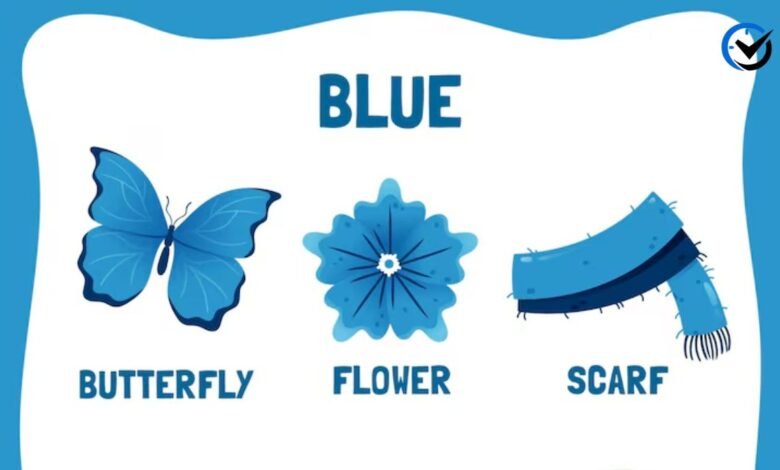
Blue is one of the most common colors we see every day, yet most people never stop to think about how often it shows up around them. From the sky above to the ocean below, blue surrounds our daily lives in ways we barely notice. This article takes a closer look at things that are blue, covering nature, food, animals, everyday objects, and even rare items that most people have never seen. Whether you are a parent looking for a fun learning activity, a writer searching for inspiration, or simply someone curious about this calming color, this guide offers a complete and easy-to-follow list. By the end, you will have a much broader understanding of where blue appears in the world and why it holds such a special place in human culture.
Why Blue Is Such a Popular Color
Blue has long been associated with calmness, trust, and stability. Many companies choose blue for their logos because it gives a feeling of reliability and professionalism. Psychologists often note that blue tends to lower stress levels and create a sense of peace, which may explain why so many people list it as their favorite color across different countries and cultures. Unlike bright colors such as red or orange, blue rarely feels overwhelming, making it a comfortable choice for bedrooms, offices, and clothing. This universal appeal is part of the reason blue objects and elements show up so frequently in nature, design, and everyday products.
| Category | Examples |
|---|---|
| Sky & Atmosphere | Daytime sky, sunset horizon hues, twilight sky |
| Water Bodies | Oceans, lakes, rivers, Caribbean/Maldives shallow waters |
| Flowers | Bluebells, forget-me-nots, cornflowers, hydrangeas, delphiniums |
| Gemstones & Minerals | Sapphire, aquamarine, turquoise, lapis lazuli, blue diamond |
| Birds | Blue jay, indigo bunting, peacock, blue-footed booby |
| Sea Creatures | Blue tang fish, blue starfish, jellyfish, blue lobster (rare mutation) |
| Amphibians | Blue poison dart frog |
| Insects | Morpho butterfly, blue dragonfly, certain beetles |
| Natural Foods | Blueberries, blue corn, butterfly pea flower |
| Candy & Drinks | Blue raspberry candy, blue soda, blue cocktails |
| Clothing | Blue denim/jeans, dress shirts, sports uniforms |
| Household Items | Dish towels, bedsheets, curtains, storage bins, cleaning product packaging |
| Technology | LED power/status lights, Bluetooth logo, tech company branding |
| Art | Picasso’s Blue Period, Van Gogh’s Starry Night |
| Symbols & Flags | National flags, corporate logos, medical symbols, government seals |
| Rare Phenomena | Blue moon (calendar event), rare atmospheric “blue” moon tint |
Blue Things Found in Nature
The Sky and Atmosphere
One of the first things that comes to mind when people think of blue is the sky. On a clear day, the sky appears blue because sunlight scatters when it hits tiny molecules in the atmosphere, and blue light scatters more than other colors due to its shorter wavelength. This natural process is called Rayleigh scattering, and it is the reason we enjoy those bright blue skies rather than skies of another shade. The color can shift depending on the time of day, becoming softer or more pastel during sunrise and sunset.
Oceans, Lakes, and Rivers
Bodies of water are another major source of natural blue. Oceans often appear deep blue because water absorbs colors from the red end of the light spectrum while reflecting blue back to our eyes. Lakes and rivers can show similar shades, especially when they are deep or reflecting a clear sky above them. Some tropical waters, such as those found in the Maldives or the Caribbean, display a brighter, almost turquoise blue due to shallow depths and white sandy bottoms that enhance the reflection.
Blue Flowers
Flowers add a delicate form of blue to gardens and landscapes. Popular examples include bluebells, forget-me-nots, cornflowers, hydrangeas, and delphiniums. True blue is actually rare in the plant world, since most flowers that appear blue are technically closer to violet or purple when examined scientifically. Still, these blooms are treasured by gardeners because they create a soothing contrast against green leaves and add a unique touch to floral arrangements.
Blue Gemstones and Minerals
Nature also produces stunning blue gemstones that have fascinated people for centuries. Sapphires, aquamarines, turquoise, and lapis lazuli are among the most well-known blue stones used in jewelry. Each of these stones gets its color from different mineral compositions, and they have historically been linked to royalty, protection, and wisdom in various cultures. Even today, blue gemstones remain a popular choice for engagement rings and special occasion jewelry.
Blue Animals Around the World
Birds With Blue Feathers
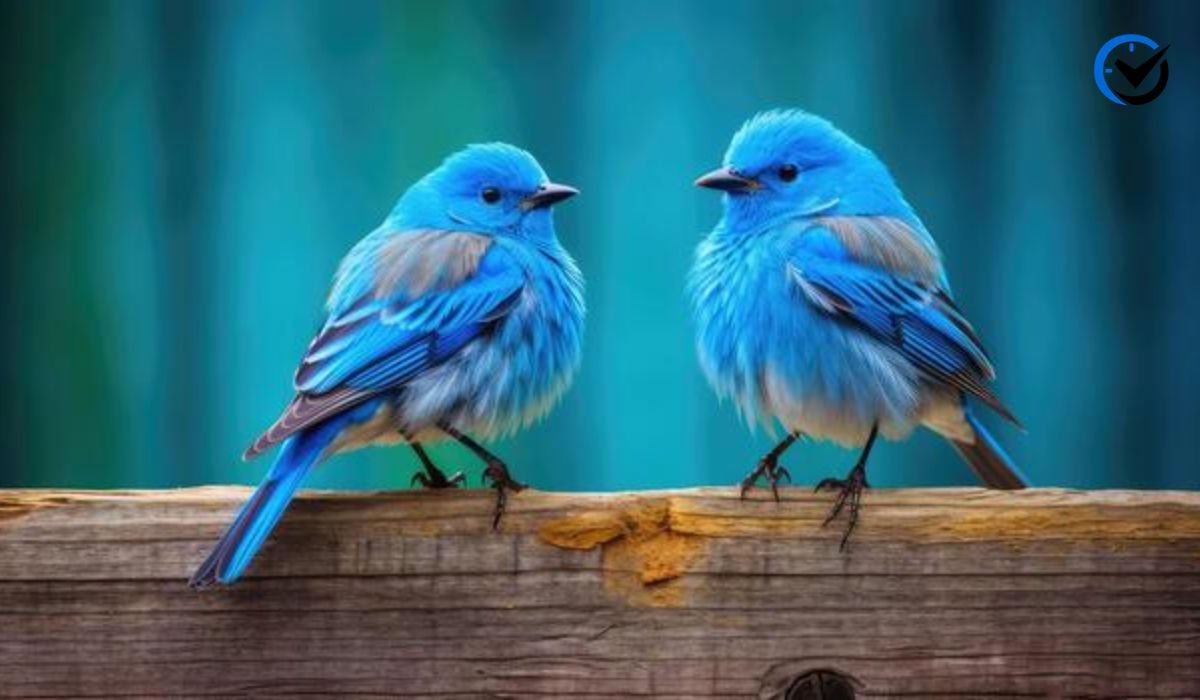
The animal kingdom offers a wide variety of blue creatures, and birds are among the most visually striking examples. The blue jay, indigo bunting, and peacock are well-known for their vibrant blue feathers. Interestingly, most birds do not actually have blue pigment in their feathers. Instead, the blue color comes from the way light interacts with the structure of the feather itself, a phenomenon known as structural coloration.
Blue Sea Creatures
Underwater life also features many blue animals, including the blue tang fish, blue starfish, and certain species of jellyfish. The blue poison dart frog is another remarkable example, known for its bright coloring that warns predators of its toxicity. These vivid blue tones often serve an important survival purpose, whether for camouflage, mating displays, or signaling danger to other animals.
Blue Insects
Even in the world of insects, blue makes a dramatic appearance. The morpho butterfly, found in Central and South America, has wings that shimmer in a brilliant metallic blue when light hits them at certain angles. Blue dragonflies and certain beetles also display this color, often used to attract mates or blend into their natural surroundings.
Blue Foods and Drinks
Naturally Blue Foods
While blue is rare in the food world compared to red, green, or yellow, there are still some natural options. Blueberries are the most obvious example, packed with antioxidants and often used in muffins, pies, and smoothies. Blue corn, used in parts of Mexico and the southwestern United States, offers a striking color for tortillas and chips. Butterfly pea flower, commonly used in teas and drinks across Southeast Asia, produces a natural deep blue that can even change color when mixed with citrus.
Blue Candy and Desserts
Blue also appears frequently in candies, sodas, and desserts, though most of these rely on artificial coloring rather than natural pigments. Blue raspberry flavored treats have become especially popular, even though blue raspberries do not naturally exist. This flavor was created mainly to help distinguish blue candy from red candy on store shelves, and it has since become a favorite among children and adults alike.
Everyday Objects That Are Blue
Clothing and Fashion
Blue denim is perhaps one of the most recognizable examples of blue in daily life. Jeans have been a staple of casual fashion for over a century, valued for their durability and versatility. Beyond denim, blue appears in countless clothing items, from dress shirts to sports uniforms, often chosen because it pairs well with many skin tones and other colors.
Household Items
Walk through almost any home, and you are likely to spot several blue objects without even trying. Blue dish towels, bedsheets, curtains, and storage bins are common choices because the color feels fresh and calming in living spaces. Many cleaning products also use blue packaging, as the color is often linked in people’s minds with freshness and cleanliness.
Technology and Electronics
Blue plays a major role in modern technology as well. Many electronic devices use blue LED lights to indicate power or connectivity status. Social media platforms and tech companies frequently choose blue for their branding, partly because studies suggest the color builds a sense of trust with users. Bluetooth, one of the most widely used wireless technologies today, even takes its name and logo inspiration from the color.
Blue in Art, Design, and Culture
Famous Blue Artwork
Throughout history, artists have used blue to convey emotion and depth. Pablo Picasso’s Blue Period is one of the most famous examples, where he used shades of blue to reflect themes of sadness and isolation. Vincent van Gogh also used blue extensively in works like Starry Night, where swirling blue tones dominate the night sky and create a sense of movement and mystery.
Blue in Flags and Symbols
Many national flags include blue as a key color, often symbolizing qualities like freedom, loyalty, or the surrounding ocean. Blue is also widely used in corporate logos, medical symbols, and government seals because it conveys professionalism and dependability. This widespread use across cultures shows just how universally trusted and respected the color has become.
Rare and Unique Blue Things
Blue Diamonds
Among gemstones, blue diamonds stand out as one of the rarest and most valuable finds in the world. Their blue color comes from trace amounts of boron within the diamond’s structure, and stones with strong, even blue coloring can sell for millions of dollars at auction. Because true blue diamonds are so uncommon, they are considered a symbol of luxury and exclusivity.
Rare Blue Animals in the Wild
Some blue animals are considered rare simply because they are hard to spot in their natural habitats. The blue-footed booby, known for its unusually colored feet used in mating displays, is a striking example found mainly along the Pacific coast of Central and South America. Certain species of blue lobsters also exist due to a genetic mutation, occurring in roughly one out of every two million lobsters caught.
Blue Moon Phenomenon
The term “blue moon” does not actually refer to the moon turning blue in color, but rather to the second full moon appearing within a single calendar month. In extremely rare cases, atmospheric conditions such as volcanic ash or wildfire smoke can cause the moon to take on a genuine blue tint, though this is uncommon and short-lived.
How Blue Affects Mood and Behavior
Color psychology suggests that being around blue can have a calming effect on both mind and body. Studies have shown that blue environments may help lower heart rate and reduce feelings of anxiety, which is part of why hospitals, spas, and wellness centers often incorporate the color into their design. On the other hand, blue can sometimes be linked to feelings of sadness, as reflected in phrases like “feeling blue.” This dual nature makes blue a particularly interesting color to study, as it can represent both peace and melancholy depending on the context.
Final Thoughts
Blue is far more than just a single shade seen in the sky or ocean. It stretches across nature, food, animals, fashion, art, and technology in ways that touch nearly every part of daily life. From the rarest blue diamond to the common blue jean, this color continues to hold a special place in how people see and experience the world around them. Taking time to notice the things that are blue, whether in a garden, a kitchen, or a night sky, offers a simple but meaningful way to appreciate the beauty found in everyday surroundings.
Frequently Asked Questions (FAQs)
1. Why is the sky blue instead of another color?
The sky appears blue because sunlight scatters when it passes through the atmosphere, and blue light scatters more easily than other colors due to its shorter wavelength. This scattering effect spreads blue light across the sky, making it the dominant color we see during daylight hours.
2. Are there any truly blue foods found in nature?
Yes, though they are less common than other colors. Blueberries, blue corn, and butterfly pea flower are among the few foods that naturally produce a genuine blue color, unlike many blue candies and drinks that rely on artificial dyes.
3. Why do birds like blue jays appear blue if they lack blue pigment?
Most blue-looking birds do not actually contain blue pigment in their feathers. Instead, the color comes from tiny structures within the feathers that scatter light in a way that reflects blue back to our eyes, a process known as structural coloration.
4. What makes blue diamonds so rare and valuable?
Blue diamonds get their color from trace amounts of boron trapped within the diamond during its formation. Because this specific combination is extremely uncommon in nature, blue diamonds are considered some of the rarest and most expensive gemstones in the world.
5. Is blue really the most popular color worldwide?
Multiple surveys across different countries have consistently shown that blue is one of the most preferred colors among people of all ages and backgrounds. Its calming and neutral qualities make it appealing across cultures and personal tastes.
6. Why do so many companies choose blue for their logos?
Blue is often associated with trust, dependability, and professionalism, which makes it a popular choice for businesses wanting to build confidence with their customers. This is especially common in banking, technology, and healthcare industries.
7. What causes a “blue moon” to occur?
A blue moon typically refers to the second full moon within a single calendar month, which happens roughly every two to three years. It is a calendar-based event rather than an actual change in the moon’s color, though rare atmospheric conditions can occasionally give the moon a genuine bluish tint.
8. Can blue affect a person’s mood or emotions?
Yes, blue is often linked to feelings of calmness and relaxation, which is why it is commonly used in spaces meant to reduce stress, such as bedrooms and healthcare facilities. At the same time, the color has also been associated with sadness in certain expressions and contexts.
9. Why are true blue flowers considered rare in nature?
Genuine blue pigment is uncommon in plants, and many flowers that appear blue are technically closer to violet or purple when studied closely. This rarity is part of why true blue blooms, like certain hydrangeas or delphiniums, are especially valued by gardeners.
10. What is the origin of blue raspberry flavoring in candy?
Blue raspberry flavoring was created mainly as a marketing tool to help distinguish blue-colored candy from red candy on shelves, since natural raspberries do not come in a blue variety. Over time, it developed into its own distinct and widely recognized flavor.
Recommended: NTY Meaning in Text Messaging: A “No Thank You” Guide




One Comment