

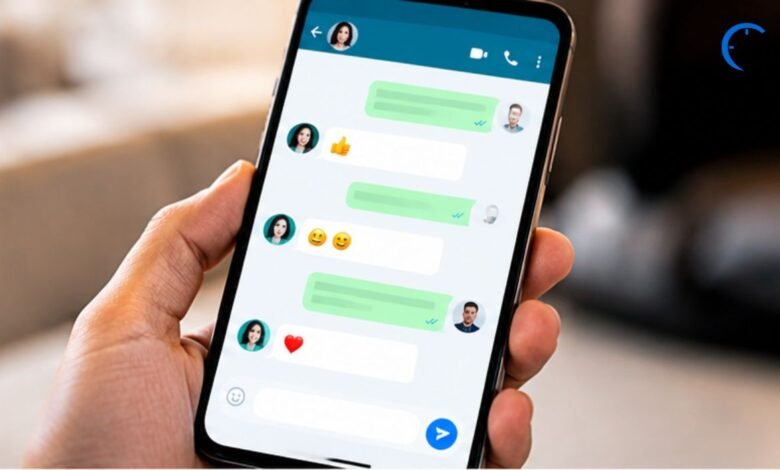
Private communication has become more important as people share personal conversations, work details, photos, documents, and financial information online. Messagenal is a term that has recently appeared in discussions about digital messaging, private chats, and secure internet calls. However, publicly available information does not clearly establish it as a widely recognized messaging application with verified ownership, official technical documentation, and independently tested security. Some sources use the name for a communication concept rather than a specific platform. This guide explains that uncertainty while helping beginners understand the features, protections, and risks associated with any service presented under this name.
What Is Messagenal?
The meaning of Messagenal is not completely consistent across the web. In some cases, it is described as an approach that encourages clear, purposeful, and well-structured digital communication. Other descriptions present it more like a messaging service that may support private conversations and calls. These two meanings should not be treated as identical. A communication method is simply a way of writing and organizing messages, while a secure messenger is an actual product supported by software, servers, policies, and encryption systems. Until reliable official information becomes available, users should avoid assuming that every claim connected with the name describes a verified feature.
Why the Name Creates Confusion
Messagenal sounds similar to familiar terms such as “messenger,” “message channel,” and even the name of certain privacy-focused communication apps. That similarity can lead people to believe they already know what it is. It may also cause search results about unrelated messaging services to appear beside pages discussing this term. Beginners should therefore check the exact spelling, developer identity, app-store listing, and official product description before downloading anything. A small spelling difference can lead to an unrelated website, imitation application, online store, or potentially harmful download. Confirming the product’s identity is the first step toward protecting personal information.
Understanding Private Messaging
Private messaging allows two or more people to communicate within a limited conversation rather than publishing their words openly. Messages may include text, photographs, videos, voice notes, documents, contact details, and location data. Privacy, however, involves more than hiding a conversation from the public. A service may still collect account details, device information, contact lists, connection times, and other activity records. Strong private communication should protect message content while also limiting unnecessary data collection. Users evaluating Messagenal or a similarly named service should examine both what the provider can read and what information it keeps about their activity.
How End-to-End Encryption Works
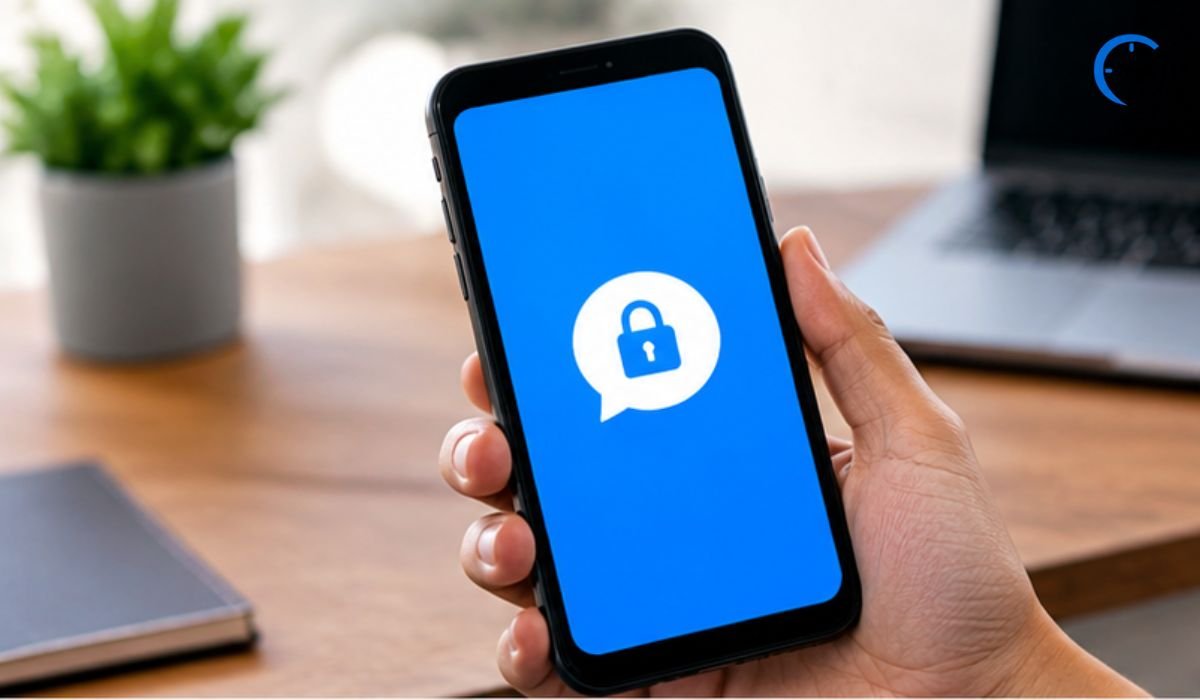
End-to-end encryption is one of the most important protections available in a messaging service. In simple terms, a message is locked on the sender’s device and unlocked only on the recipient’s device. The service carrying the message should not possess the key needed to read its contents. This protection can also be applied to voice and video calls. Encryption during transmission is not necessarily the same thing. A provider may encrypt information while it moves across the internet but still be able to read it on its servers. Any claim that Messagenal offers secure communication should specify whether end-to-end encryption is enabled, which conversations it covers, and whether it operates automatically.
Private Messaging Versus Standard Texting
Traditional SMS messages normally travel through mobile networks and do not provide the same protection as a well-designed encrypted chat. A network operator may retain message records, and SMS can be exposed through account takeovers, stolen devices, or attacks involving mobile numbers. Internet-based private messengers can provide stronger safeguards, but only when their technology is properly designed and configured. They also require mobile data or Wi-Fi, while SMS depends on cellular service. If a platform switches between encrypted chat and ordinary texting, users should receive a clear warning because that change can reduce privacy without being immediately obvious.
What Makes an Internet Call Secure?
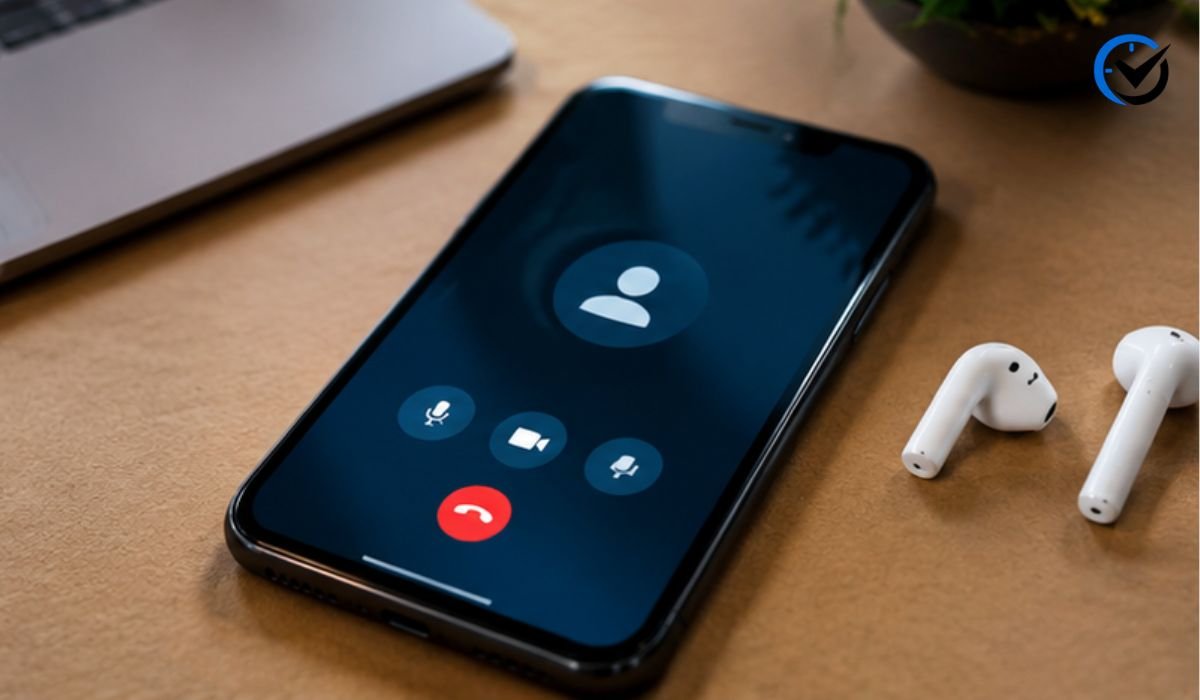
A secure call needs more than a password-protected account. The audio or video should be encrypted between participating devices, and the application should authenticate the people joining the conversation. Good services explain whether call content is end-to-end encrypted, how group calls are protected, and what technical information is retained. Even when the conversation itself cannot be heard by the provider, records such as call time, duration, device type, or participant identifiers may still exist. Before treating calls through Messagenal as confidential, users should look for a precise security explanation instead of relying on general words such as “safe,” “private,” or “protected.”
Features Beginners Should Expect
A practical communication platform should make essential actions easy to understand. These may include starting individual chats, creating groups, sharing files, recording voice messages, and making voice or video calls. Privacy controls should be placed where ordinary users can find them without searching through complicated menus. Helpful options may include disappearing messages, blocked-contact management, app locking, limited notification previews, account alerts, and contact verification. The availability of a feature does not automatically prove that it is secure. Users should determine which protections are enabled by default, which require manual setup, and whether older devices or unsupported software versions receive the same safeguards.
Metadata and the Information Around a Conversation
Encryption can hide the content of a message while leaving other information visible. This surrounding information is often called metadata. It may include who contacted whom, when communication occurred, which device was used, an approximate location based on an internet address, and how frequently the account connects. Metadata can reveal patterns even when the message itself remains unreadable. A privacy-conscious service should collect as little of it as reasonably possible, explain its purpose, and state how long it is retained. Anyone considering Messagenal should read the privacy terms carefully and look for direct answers about account records, contact discovery, analytics, advertising, and third-party access.
Checking Whether a Messaging Platform Is Trustworthy
Trust should be based on evidence rather than an attractive design or bold privacy promise. Start by confirming who develops and operates the service. Look for a clear company identity, a real support process, understandable terms, and a record of consistent updates. Stronger signs include published technical details, independent security reviews, a responsible process for reporting weaknesses, and honest explanations of limitations. Be careful if the platform makes absolute claims, hides its ownership, requests unusual permissions, or offers downloads outside reputable app stores. Because reliable public information about Messagenal remains limited, cautious verification is especially important before creating an account or sharing sensitive material.
Permissions, Downloads, and Account Setup
A messaging app may reasonably request access to a microphone for calls, a camera for video, and stored media when the user chooses to send a file. It should not demand unrelated access without explaining why. Install software only from a verified listing connected to the actual developer. Examine the publisher name, update history, permission list, privacy label, and authentic user feedback. During registration, provide only the information that is necessary. Use a unique password if the platform supports passwords, activate two-step verification, and never give another person a login code. A genuine support representative should not ask for a one-time verification code or recovery secret.

Safe Daily Use of Private Chats and Calls
Encryption cannot protect someone who has access to an unlocked phone or who tricks the user into revealing information. Protect the device with a strong passcode, install operating-system updates, and keep notification previews from displaying private text on the lock screen. Verify important contacts through another trusted method before discussing confidential matters. Be cautious with unexpected attachments, urgent payment requests, and messages asking for credentials. Disappearing messages can reduce stored conversation history, but recipients may still take screenshots, photograph the screen, or copy information elsewhere. Private communication therefore depends on secure technology, careful habits, and trust between the people involved.
Final Thoughts
Messagenal remains an unclear term rather than a fully documented, widely recognized secure communication platform. It may refer to a style of clearer digital messaging, a developing service, or content that has been confused with another product. That uncertainty does not automatically prove that every use of the name is unsafe, but it does mean users should avoid making unsupported assumptions. Private messaging and secure calls require verifiable encryption, limited data collection, responsible software maintenance, and sensible user behavior. Check the exact product identity, examine its permissions and policies, and protect every account carefully. When privacy truly matters, choose communication tools whose security claims can be clearly understood and independently evaluated.
Frequently Asked Questions (FAQs)
1. Is Messagenal a verified secure messaging application?
Messagenal is discussed online in different ways, but there is not enough clear, authoritative information to confidently describe it as an established secure messenger. Some pages treat the term as a communication method, while others imply that it is a product. Users should verify the developer, official distribution channel, privacy policy, and technical documentation before installing or using any service carrying this name.
2. Does Messagenal provide end-to-end encryption?
A reliable public explanation of its encryption design is not readily established. A platform should clearly confirm whether encryption covers individual messages, group chats, files, voice calls, video calls, and backups. If that information is missing or expressed only through broad marketing claims, users should not assume that their conversations are end-to-end encrypted.
3. Can a service provider read encrypted messages?
With properly implemented end-to-end encryption, the provider should not have the key required to read conversation content. However, the provider may still process account information and communication metadata. If messages are only encrypted while traveling to a server, the service may be able to decrypt and access them there.
4. Are secure calls safer than regular phone calls?
Well-designed end-to-end encrypted internet calls can offer stronger content protection than ordinary telephone calls. Their safety still depends on the application, participating devices, account security, and contact verification. Malware, unlocked phones, fraudulent participants, and recorded conversations can undermine protection even when the connection itself uses strong encryption.
5. Do disappearing messages guarantee privacy?
No. A disappearing-message timer can remove content from chat histories after a chosen period, but it cannot control everything the recipient does. Someone may capture the screen, copy the text, save an attachment, or use another camera. The feature is useful for reducing stored data, not for guaranteeing secrecy.
6. What information can a private messenger collect?
Depending on its design and policy, a messenger may collect a phone number, email address, device details, internet address, contact information, usage records, crash reports, and communication times. A responsible provider explains which data is collected, why it is needed, how long it remains stored, and whether it is shared.
7. How can I verify that I downloaded the correct app?
Use a reputable app store and confirm the complete developer name rather than relying only on the app title or icon. Review its history, official description, permissions, update schedule, and privacy information. Avoid files sent through messages or displayed on unfamiliar download pages, especially when the publisher cannot be independently confirmed.
8. Should I allow access to all requested permissions?
No. Grant only permissions connected to features you intend to use. Microphone access is necessary for voice calls, while camera access is needed for video. Contact access may be optional if the service supports manual usernames. A request for unrelated information should be treated cautiously unless the developer provides a convincing explanation.
9. Can someone steal a private messaging account?
Yes. Criminals may obtain access through stolen verification codes, weak passwords, malicious software, fraudulent support messages, or control of a mobile number. Two-step verification, device locks, account alerts, and careful handling of recovery information can reduce the risk. Never share a login code, even with someone claiming to represent support.
10. What should I do if I am uncertain about Messagenal?
Avoid sharing private conversations, identification documents, payment details, or work secrets until the service has been properly verified. Confirm the operator, read its policies, examine security documentation, and test it with non-sensitive communication first. If essential facts remain unavailable, choose an established platform with transparent ownership, documented encryption, regular updates, and independent review.
Recommended: Exhentaime Decoded Understanding the Platform, Its Appeal, and How It Is Used




One Comment