

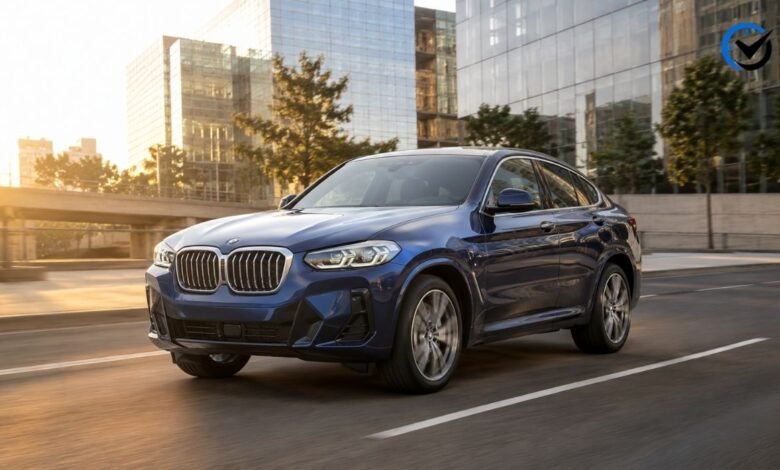
BMVX4 can look like the name of a specific vehicle, but there is an important detail to understand before exploring its features. The term is commonly used online as a variation or misspelling of BMW X4, a premium crossover designed to combine SUV practicality with the appearance and driving character of a coupe. The official vehicle name is BMW X4, not BMVX4. For anyone researching this term, understanding that distinction makes it easier to find accurate information about the vehicle’s design, engines, technology, comfort, pricing, and ownership experience. The X4 also has an interesting place in BMW’s history because it helped establish the idea of a smaller Sports Activity Coupe alongside the larger X6.
What BMVX4 Means
The most useful way to understand BMVX4 is as an online spelling variation connected with the BMW X4. It is not a separate BMW model, trim, engine, or factory designation. Similar variations can appear when people type quickly, shorten a model name, or use an informal spelling in online searches. When researching specifications, parts, prices, or vehicle history, however, BMW X4 is the correct name to use. This distinction matters because vehicle information is normally organized by the official model name, generation, production year, engine, and trim. Treating BMVX4 as a separate automobile can lead to confusion when comparing specifications or checking used vehicles.
BMW X4 History and Development
The BMW X4 was introduced in 2014 as a smaller alternative to the X6 concept. It was built around the idea of giving SUV buyers a more expressive shape without moving into a larger vehicle class. The first generation, commonly identified by its F26 internal designation, established the basic formula: a raised driving position, five-door practicality, and a sharply sloping roof toward the rear. The second generation, known as the G02, arrived for the 2019 model year and brought a more modern body, updated cabin technology, stronger engines, and a broader range of performance choices. The model remained in production until 2025.
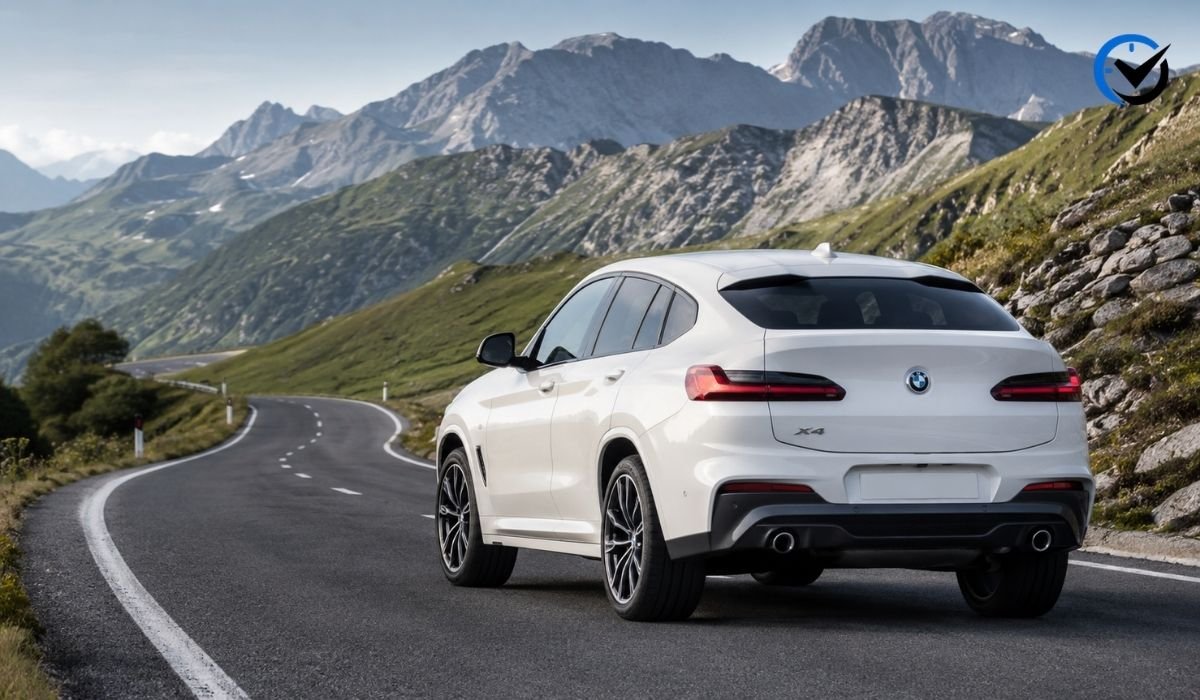
Exterior Design
The X4’s most recognizable feature is its coupe-like roofline. Instead of using the upright rear profile associated with a traditional compact SUV, the roof gradually falls toward the rear of the vehicle. This creates a lower, more athletic appearance while maintaining five doors and a useful rear cargo area. BMW also gave the second-generation model wider proportions and stronger body lines, making it look more substantial than the earlier version. Large wheels, a long hood, short front and rear overhangs, and a carefully shaped rear section reinforce its sporty character. The result is a vehicle aimed at buyers who care about appearance as much as everyday usability.
Interior and Comfort
Inside, the BMW X4 follows the familiar premium approach found across BMW’s SUV range. The driving position provides a good view of the road while keeping the driver surrounded by controls and displays. Depending on the model year and equipment level, buyers could find upgraded upholstery, heated seats, adjustable seating functions, premium audio, automatic climate control, and other convenience features. The cabin is more driver-focused than some competitors, although rear-seat passengers have to accept the compromise created by the sloping roof. Front-seat comfort is generally one of the vehicle’s strengths, especially for longer journeys.
Performance and Driving Experience
Performance is a major reason people choose the X4 over a conventional SUV. Different versions were offered with turbocharged four-cylinder and six-cylinder engines, depending on the market and model year. BMW’s official specifications for the U.S. market have included a 248-horsepower four-cylinder X4 xDrive30i and a 382-horsepower six-cylinder X4 M40i, illustrating the substantial difference between standard and performance-oriented versions. The M40i was designed for drivers who wanted stronger acceleration and a more aggressive driving experience without moving into a full high-performance M model.
Engine and Drivetrain Choices
The engine lineup varied by market and production year, so there is no single specification that applies to every X4. Gasoline versions were widely available, while some international markets also received diesel-powered models. Many versions used BMW’s xDrive all-wheel-drive system, helping provide traction in changing road conditions. Transmission technology was another important part of the package, with an eight-speed automatic used in the U.S. specifications cited by BMW. Buyers considering a used model should always check the exact engine and drivetrain rather than relying only on the X4 name, because output, equipment, and efficiency can differ significantly between model years.
Technology and Infotainment
Technology became increasingly important as the X4 developed. Depending on the generation and year, the vehicle could feature a central infotainment display, digital driver information, smartphone integration, navigation, voice controls, parking assistance, and connected vehicle functions. Higher trims added more advanced convenience and entertainment equipment. The technology experience is therefore strongly influenced by the production year. Someone shopping for an older used X4 should not assume that it has the same screen, connectivity, driver-assistance system, or interface found in a newer example. Checking the original equipment list is one of the simplest ways to avoid surprises.
Safety and Driver Assistance
Safety equipment also varies by model year and market. The X4 could be equipped with systems designed to assist with functions such as forward collision awareness, lane monitoring, parking, and surrounding vehicle detection. These features are intended to support the driver rather than replace attention behind the wheel. Used-car buyers should check exactly which systems are installed on an individual vehicle because optional safety packages may not be included on every example. A careful inspection is particularly important when purchasing a used premium vehicle because technology can be expensive to repair if sensors, cameras, or electronic components have been damaged.

Ride Quality and Handling
The X4 balances two different goals: comfortable daily transportation and sporty road behavior. Its suspension and steering are tuned to provide a more engaging experience than many ordinary SUVs, particularly in stronger trims. At the same time, the vehicle remains suitable for commuting, highway travel, and everyday errands. Wheel and tire choices can make a noticeable difference to ride comfort. Larger wheels may improve the visual appearance and sharpen handling, but they can also make rough roads feel more noticeable. Buyers should therefore consider local road conditions rather than choosing equipment based on appearance alone.
Practicality and Cargo Space
The sloping roof is attractive, but it creates an unavoidable compromise. Compared with the more upright BMW X3, the X4 gives away some cargo and rear-headroom advantages in exchange for its distinctive profile. The difference may not matter much to a couple or small household, but families who frequently carry tall objects or use the rear seats for adults may prefer a traditional SUV shape. The X4 still provides a useful rear hatch and folding rear seats, making it considerably more practical than a conventional two-door coupe. Its appeal comes from finding a middle ground between utility and style.
BMW X4 Versus BMW X3
The closest internal comparison is the BMW X3. Both models share engineering and many mechanical components, but their priorities are different. The X3 is the practical choice, offering a more upright body and greater emphasis on passenger and cargo space. The X4 is the style-focused alternative, using a lower roofline and sportier exterior design. Drivers who regularly transport large items or passengers may find the X3 more sensible, while those who place greater value on appearance and driving character may prefer the X4. The decision is less about which vehicle is universally better and more about which compromise fits the buyer.
Price and Ownership Costs
There is no single current new-car price for BMVX4 because the BMW X4 is no longer in regular production. BMW confirmed that production ended in 2025, meaning current buyers are generally looking at remaining inventory or the used market rather than ordering a new example from the factory. Used prices vary according to model year, mileage, condition, engine, location, service history, and equipment. Ownership costs should also include insurance, fuel, tires, scheduled maintenance, and potential repairs. Premium vehicles can cost more to maintain than mainstream SUVs, so a low purchase price should not automatically be treated as the lowest total cost.
Buying a Used BMW X4
A used X4 deserves a detailed inspection before purchase. Service records are especially valuable because they show whether routine maintenance was performed consistently. Buyers should examine the vehicle for accident damage, uneven tire wear, warning lights, fluid leaks, unusual noises, and signs of poor repairs. A professional pre-purchase inspection can reveal problems that are difficult to identify during a short test drive. It is also important to verify the vehicle identification number, production year, engine, trim, and installed options. These details provide a much clearer picture of what a particular X4 actually offers than online advertisements alone.
Reliability and Maintenance Considerations
Reliability can differ considerably between individual X4s because the model covers multiple generations, engines, and production years. Regular maintenance is important for any modern BMW, especially one with turbocharged engines, advanced electronics, all-wheel drive, and complex cooling and suspension systems. Service history should therefore be treated as a major part of the vehicle’s value. Buyers should also budget for normal wear items such as brakes and tires. Choosing a well-maintained example with documented service can be more sensible than selecting a cheaper vehicle with an uncertain history.
The Future of the X4 Name
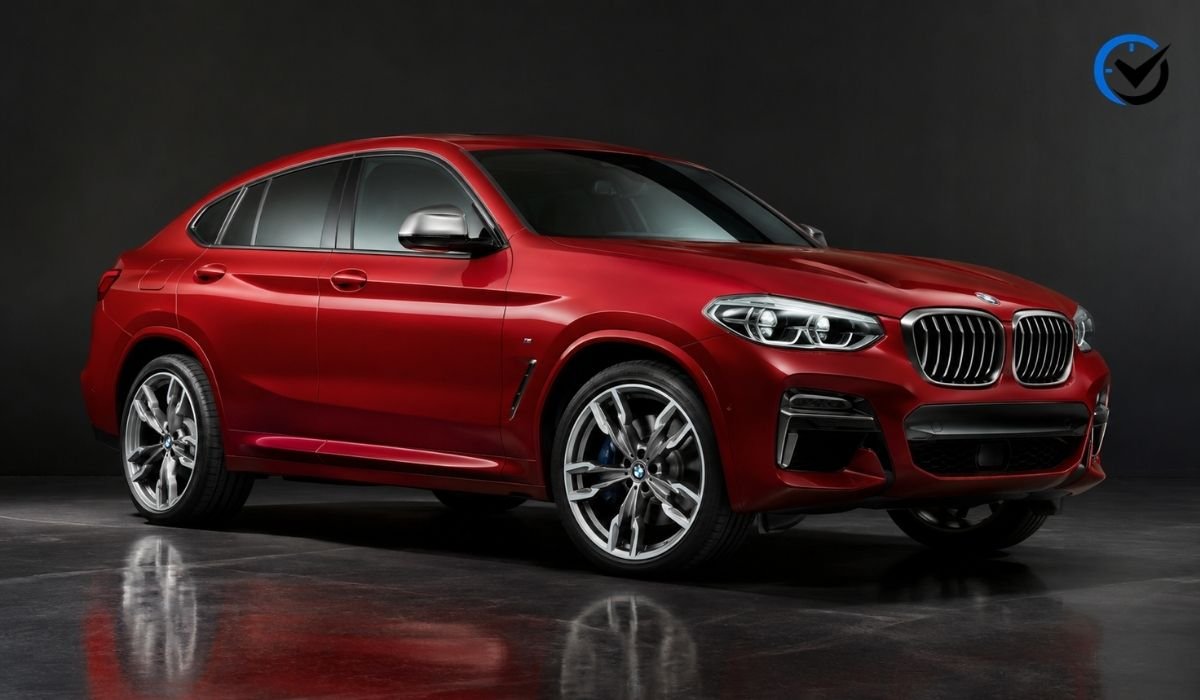
The end of X4 production marks a change in BMW’s approach to this part of the market. The final second-generation X4 was assembled in November 2025, and BMW has not introduced a direct third-generation gasoline X4 in its place. Industry reporting has connected the larger current X2 with the role of an indirect successor, although the future product strategy is different from simply creating another X4 with the same formula. This means buyers interested in the classic X4 design are increasingly looking to the used market, while future BMW crossover shoppers may encounter different names and platforms.
Who Should Consider This Vehicle?
The BMW X4 makes the most sense for someone who wants a premium crossover but does not want the traditional boxy SUV appearance. It suits drivers who value design, road manners, cabin quality, and strong engine choices while accepting reduced rear practicality. It can work well as a daily vehicle, commuter car, or long-distance cruiser, especially when equipped with comfortable seats and useful driver-assistance technology. It is less suitable for buyers whose main priorities are maximum cargo capacity, low maintenance costs, or the simplest possible ownership experience. Understanding that trade-off is more important than focusing only on the vehicle’s appearance.
Final Thoughts
BMVX4 is best understood as an online variation associated with the BMW X4 rather than a separate automobile. The X4 created a distinctive place between a conventional SUV and a coupe by combining a raised driving position, five-door practicality, premium equipment, and sporty styling. Its strong engines and engaging road behavior added further appeal, while the sloping roof introduced compromises in rear space and cargo flexibility. Since production ended in 2025, today’s buyers should focus on used examples, remaining inventory, exact specifications, service history, and total ownership costs. For the right driver, the BMW X4 remains an interesting example of how luxury vehicles can prioritize style without giving up everyday usability.
Frequently Asked Questions
1. What does BMVX4 mean?
BMVX4 is generally an online spelling variation associated with the BMW X4. It is not the official name of a separate BMW vehicle. When researching specifications, parts, pricing, or ownership information, BMW X4 is the correct model name to use.
2. Is BMVX4 an official BMW model?
No. BMW’s official model name is BMW X4. BMVX4 is commonly used online as an alternate spelling or search variation. It should not be confused with a factory model code, trim level, or separate vehicle.
3. What type of vehicle is the BMW X4?
The BMW X4 is a premium crossover SUV with coupe-inspired styling. BMW has described it as a Sports Activity Coupe because it combines SUV characteristics with a sloping roof and more athletic exterior proportions.
4. When was the BMW X4 first introduced?
The BMW X4 was introduced in 2014. Its first generation established the smaller coupe-style SUV concept in BMW’s lineup, while the second generation followed for the 2019 model year with updated design, technology, and performance.
5. Is the BMW X4 still being produced?
No. Production of the X4 ended in 2025. The final vehicle was reportedly assembled in November 2025, so buyers now generally need to consider used vehicles or remaining stock rather than ordering a new X4 from the factory.
6. Is the BMW X4 better than the BMW X3?
Neither is automatically better. The X3 prioritizes practicality, passenger space, and cargo flexibility, while the X4 emphasizes coupe-like styling and a sportier character. The better choice depends on how much the buyer values space versus design and driving feel.
7. Does the BMW X4 have all-wheel drive?
Many X4 versions use BMW’s xDrive all-wheel-drive system, although drivetrain availability depends on the specific model, market, and production year. Buyers should check the exact specifications of an individual vehicle rather than assuming every X4 has identical equipment.
8. Is the BMW X4 expensive to maintain?
Maintenance costs can be higher than those of a mainstream SUV because the X4 is a premium vehicle with sophisticated mechanical and electronic systems. Costs depend heavily on the engine, age, condition, mileage, local labor rates, and maintenance history.
9. Is the BMW X4 practical for families?
It can be practical for smaller families, but its sloping roof limits some rear headroom and cargo flexibility compared with the BMW X3. Families that regularly carry bulky items or several adults may find the more upright X3 a better fit.
10. Is a used BMW X4 worth considering?
A used X4 can be worth considering when the vehicle has a strong maintenance record, good condition, verified history, and equipment that matches the buyer’s needs. A professional inspection and careful review of service records are particularly important before purchasing an older premium crossover.
Recommended: The Latest in Tech at AlienSync: New Gadgets, AI, and Digital Trends





One Comment