

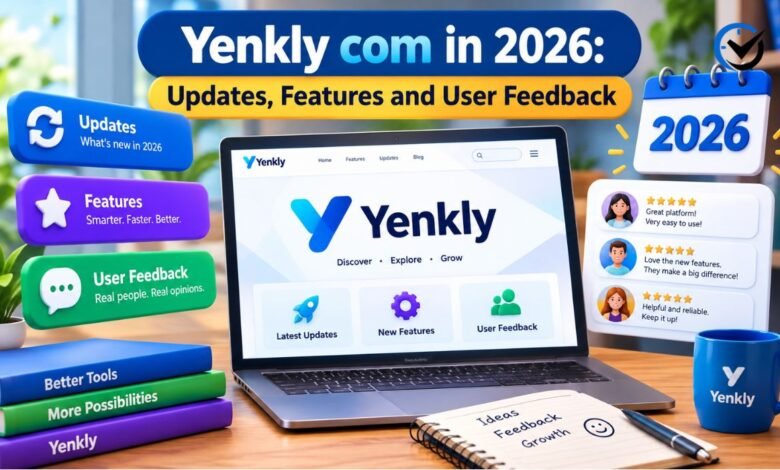
Yenkly com attracts a straightforward question: what does this website offer, and how much confidence should readers place in it? Available descriptions present it as a general-interest blog covering several subjects, rather than a dedicated shopping or software service. However, understanding its position in 2026 requires care. Direct access was unavailable during this review, and outside coverage leaves important questions unanswered. This article explains its reported content, examines the limits of claims about updates and features, and separates published commentary from genuine user feedback. The aim is to help readers form realistic expectations before relying on its articles.
What Kind of Website Is Yenkly com?
The available coverage describes a publication built around informational articles on different subjects. Its reported format resembles a small online magazine, where visitors arrive through individual articles and explore related categories. That description is more useful than calling it an all-purpose digital platform, which could suggest tools or services that have not been established. An article about a lending company, for example, does not mean the publisher provides loans. Likewise, discussing entertainment websites does not establish that it hosts entertainment files. Keeping the publication separate from the businesses it discusses prevents confusion about its role.
Reported Topics and Content Categories
Outside examinations describe broad navigation categories that include technology, business, finance, education, health, real estate, automotive subjects, and travel. They also report individual articles about entertainment downloads, sports betting, and online borrowing. These observations suggest that category labels alone may not explain the publication’s main focus. For readers, the useful question is what appears inside a particular section and whether those articles answer a specific need. A broad menu can make discovery convenient, but it does not demonstrate equal depth across every subject. The current category structure could not be independently reconfirmed during this review.
What Can Be Said About Updates in 2026?
A dated review of a website is not evidence that the website introduced new features that year. October 2026 coverage identified August 22, 2025, as the newest regular article found, while separately reporting that some informational pages carried July 2026 dates. Those observations do not establish a redesign, new publishing schedule, or major product release. They also do not prove that every page has remained unchanged. The responsible conclusion is narrower: a clear record of substantial 2026 updates was not established. Claims about new tools, faster performance, or expanded services would require additional evidence.
Features Readers Should Expect and Verify
Based on its reported publishing format, the main experience appears to involve browsing categories and reading articles. More ambitious features should not be assumed. This review did not verify personalized recommendations, saved reading lists, member dashboards, interactive tools, or an official mobile application. Readers can assess the actual experience through simple tasks: locating a relevant article, returning to its category, and finding its publication details. These everyday functions matter more than vague claims about innovation. If a feature appears on a later visit, check whether it belongs to the publication itself or to an advertisement embedded within the page.
Reading Comfort and Accessibility
Reading comfort can affect how useful a website feels during a longer visit. Clear text, suitable spacing, and menus that work on smaller screens help visitors follow an article without frustration. These qualities were not directly tested for this review. Readers can assess them by increasing text size, switching between pages, and checking whether important information remains visible. A page should be understandable without requiring repeated zooming or dismissing interruptions.
How to Judge the Quality of an Article
A useful article should do more than introduce a service and repeat its advertised benefits. It should explain who the information applies to, identify meaningful limitations, and answer the questions raised by its title. Readers should pay attention to missing steps, unexplained claims, and promises that sound more certain than the evidence allows. For example, a guide describing an application process should distinguish eligibility from guaranteed acceptance. This approach allows each page to be assessed on its own merits. Neither a polished layout nor a weak article elsewhere is enough to settle the quality of everything published.
Recognizing Incomplete Guides
An article may introduce a topic clearly but still leave out information needed to follow its instructions. Watch for headings without explanations, missing steps, and examples that never reach a useful conclusion. These are general quality checks, not confirmed findings about every article on this website. When essential details are absent, avoid filling the gaps with guesses. Find a fuller explanation before attempting a process that depends on those details.
Ownership, Authorship, and Editorial Responsibility
The material reviewed did not establish a verified legal owner or a clearly documented editorial team. This is a limit of the available evidence, not proof of misconduct. For readers, accountability becomes practical when an article needs correction or clarification. A useful author profile explains relevant experience, while an editorial page identifies how mistakes are handled. A name beside an article provides attribution, but it does not automatically establish specialist knowledge or ownership. Until stronger information is available, avoid assigning a founder, headquarters, professional background, or company history based on assumptions or repeated descriptions from other websites.
What the Available User Feedback Actually Shows
Published website reviews and firsthand reader feedback are different forms of evidence. This research found descriptive articles about the publication, but it did not establish a substantial, independently verifiable collection of user experiences. There is therefore no sound basis here for claiming widespread satisfaction, frequent complaints, or a particular approval rating. Useful feedback describes a concrete interaction, such as finding an incorrect explanation or receiving a response to a correction request. General praise without examples provides less insight. Several articles repeating similar descriptions should not be treated as several independent users confirming the same experience.
Separating Website Feedback From Service Reviews
A complaint about a company mentioned in an article is not automatically a complaint about the publisher. Similarly, a positive experience with an outside service does not establish that the article describing it was carefully researched. When reading feedback, identify what the person actually evaluated: the publication, its information, or a separate business. This distinction makes comments more useful and prevents unrelated experiences from shaping an unfair impression of the website.
Privacy and Everyday Browsing Decisions
Privacy deserves separate attention from article quality. A readable article does not tell visitors what information a website collects or how external advertising operates. Before submitting information, readers should examine any available privacy explanation and consider whether the request matches the task. Reading an informational page rarely gives someone a reason to share identity documents or sensitive account details. This is general browsing guidance, not a claim that this publication requests such information. If an unfamiliar prompt appears, pause and identify its purpose before responding. Closing an unnecessary form is often the simplest way to avoid sharing information unintentionally.
Distinguishing Article Content From Advertising
If advertisements or promotional messages appear beside an article, consider them separately from the main explanation. A prominent button may lead to another company rather than continue the guide. Before selecting it, check its wording and destination. This review did not verify the website’s current advertising layout, so this is a practical reading precaution. Clear sponsorship labels can help readers understand when commercial interests may influence a recommendation.
Usefulness for an International Audience
Readers worldwide should consider whether an article describes a service available in their own country. The same brand, product category, or application process may work differently across regions. Currency, language, eligibility, and customer support can all affect whether an explanation is useful. A guide can be understandable yet unsuitable for a particular reader’s circumstances. Look for an explicit geographic scope instead of assuming that general wording means global availability. When location is missing, treat that as an unanswered question. This is especially important when the article discusses a third-party service rather than a topic with broadly applicable background information.
Frequently Asked Questions (FAQs)
1. What is Yenkly com?
Yenkly com is described as a general-interest blog covering business, technology, finance, entertainment, and other topics.
2. Is Yenkly com free to read?
Available reports suggest its articles are free to read, although current access conditions have not been independently confirmed.
3. Does it have an official mobile app?
An official mobile app has not been verified.
4. Do visitors need an account?
A current registration or account requirement has not been confirmed.
5. Is Yenkly com safe?
Its overall safety has not been independently established. Check unfamiliar prompts and external services before sharing information.
6. Why might the website not open?
Temporary outages, connection issues, or access restrictions could prevent it from loading. A failed visit does not prove permanent closure.
7. Can readers rely on its articles?
Use them for introductory reading and verify important claims before making decisions.
8. Were there major updates in 2026?
No major feature release or substantial 2026 update was verified during this review.
9. How can readers report an error?
Use a working contact method, if available, and identify the article, incorrect statement, and suggested correction.
10. What does user feedback reveal?
Verified firsthand feedback remains limited, so broad claims about reader satisfaction would be premature.
Recommended: Oncepik: A Complete Guide to Its Features and Benefits



One Comment