

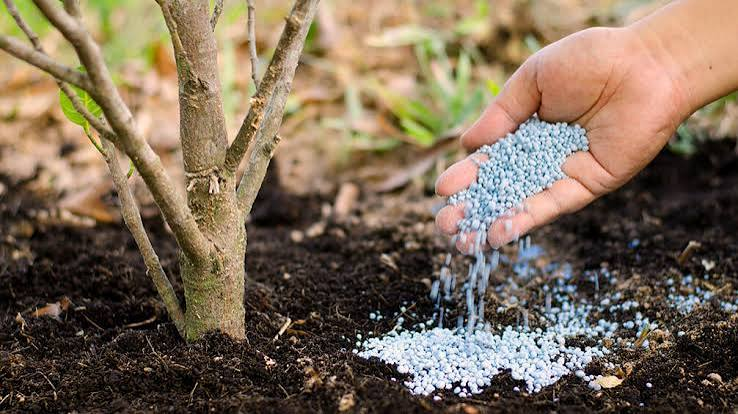
Trees rarely show stress right away. By the time leaves yellow or branches thin out, the real trouble has often been brewing underground for months, sometimes years. Soil depleted of nutrients, compacted by foot traffic, or stripped bare by nearby construction simply can’t give trees what they need to thrive. That’s where the real work of tree care begins: not with the branches you can see, but with the roots you can’t.
At Arborwright Tree Care, we’ve spent years helping property owners understand that a tree’s health starts below the surface. A lush canopy, strong limbs, and vibrant color all trace back to the quality of the soil feeding the roots. When that soil runs low on essential nutrients, trees slow their growth, become more susceptible to pests, and struggle to recover from drought or storm damage. The good news? This is one of the most fixable problems in tree care, and it doesn’t require guesswork.
This guide walks through what’s really happening underground, the warning signs that your trees need a nutrient boost, and how a proactive feeding plan can transform the health and longevity of your landscape.
What Causes Nutrient Deficiencies in Urban and Suburban Trees?
Trees growing in forests benefit from decades of natural leaf litter decomposing into rich, self-sustaining soil. Trees in yards and along streets don’t get that luxury. Lawns get mowed and raked clean, leaves get bagged up every fall, and soil gets compacted by driveways, patios, and regular foot traffic. Over time, this creates an environment where trees are essentially running on empty.
Construction is another major culprit. Digging near root zones, grading soil, or pouring new concrete can damage root systems and disrupt the delicate balance of nutrients and microorganisms trees depend on. Even something as simple as heavy clay soil or sandy, fast-draining soil can prevent roots from absorbing the nitrogen, phosphorus, and potassium they need.
The result is a slow decline that’s easy to miss until it becomes serious.
How Can You Tell If a Tree Needs More Nutrients?
Trees communicate distress in subtle ways long before they show dramatic symptoms. Keep an eye out for these common indicators:
- Pale or yellowing leaves, especially between the veins, which often signals a lack of nitrogen or iron
- Smaller-than-normal leaves or sparse foliage compared to previous seasons
- Slow or stunted growth, with little change in height or canopy spread year over year
- Early leaf drop in late summer, well before the normal fall season
- Dieback at branch tips, where the outer edges of the canopy start to thin or die
Any one of these signs on its own might not mean much. But when a tree shows several at once, it’s usually a signal that the soil isn’t delivering what the roots need.
What Nutrients Do Trees Need Most, and Why?
Just like people need a balanced diet, trees rely on a specific combination of nutrients to function properly. Nitrogen supports healthy leaf and stem growth, giving trees that rich green color and encouraging new growth each spring. Phosphorus plays a key role in root development, which is especially important for younger trees still establishing themselves. Potassium helps trees regulate water, resist disease, and tolerate environmental stress like heat or cold snaps.
Beyond the big three, trees also need smaller amounts of micronutrients like iron, manganese, and zinc. A shortage in any of these can show up as discoloration or weak growth, even if nitrogen, phosphorus, and potassium levels look fine. This is part of why a one-size-fits-all approach to lawn fertilizer often falls short for trees. Lawn products are formulated for grass, not for the deep root systems and long-term growth cycles that trees depend on.
Why Timing Matters When Feeding Trees
Nutrients delivered at the wrong time of year can do more harm than good. Feeding trees too late in the growing season, for example, can push out tender new growth right before the first frost, leaving it vulnerable to cold damage. Feeding during a drought without adequate water can also stress a tree rather than help it.
Most trees benefit most from nutrient applications in early spring, just as growth is ramping up, or in late fall, after leaves have dropped but before the ground freezes. This timing allows roots to absorb and store nutrients for the following season without triggering a burst of vulnerable new growth at the wrong moment.
A Smarter Way to Support Long-Term Tree Health
Investing in professional tree fertilization gives your trees the consistent, balanced nutrition they need to grow stronger, resist disease, and recover faster from stress, rather than leaving their health to chance. Unlike generic store-bought products, a tailored feeding plan accounts for your tree species, soil composition, and the specific deficiencies affecting your landscape. Arborwright Tree Care starts every service with a soil assessment, so the nutrients applied actually address what’s missing rather than adding to an imbalance that’s already there.
Our certified arborists use slow-release formulations that feed roots over an extended period, reducing the risk of nutrient runoff and giving trees a steady supply rather than a quick, temporary boost. We also factor in the age and condition of each tree, since young, newly planted trees often need a different nutrient balance than mature, established ones. The result is a feeding plan built around your property, not a generic label on a bag.
Property owners who invest in regular soil and nutrient care often see the payoff within a single growing season: fuller canopies, deeper leaf color, and trees that bounce back faster after a tough summer or harsh winter. It’s a relatively small investment that pays dividends in curb appeal, shade, and long-term tree survival.
Give Your Trees the Foundation They Deserve
Trees can’t tell you when they’re struggling, but their leaves, growth rate, and overall vigor usually do. Catching nutrient deficiencies early, and addressing them with a plan built around your soil and species, can be the difference between a tree that limps along and one that thrives for decades.
If your trees have looked a little tired lately, or if it’s simply been a while since their soil got any attention, now is a good time to take a closer look. Arborwright Tree Care offers soil testing and customized nutrient programs designed to give your trees exactly what they need, when they need it. Reach out to our team to schedule an assessment and start building a healthier landscape from the roots up.
Frequently Asked Questions
How often should trees be fertilized?
Most established trees benefit from feeding once or twice a year, typically in early spring and late fall. Younger trees or those recovering from stress may need more frequent attention, which is why a professional assessment is the best starting point.
Can over-fertilizing hurt a tree?
Yes. Applying too much nitrogen, or feeding at the wrong time of year, can trigger excessive growth that weakens branches or leaves trees vulnerable to frost damage. A balanced, soil-based approach helps avoid this risk.
Is tree fertilization necessary if my lawn is already fertilized?
Not necessarily. Lawn fertilizers are formulated for grass, which has different nutrient needs and root depths than trees. Trees often need a separate feeding plan to get the nutrients their deeper root systems require.
How do I know if my soil is the problem?
A professional soil test can reveal pH imbalances, nutrient deficiencies, and compaction issues that aren’t visible from the surface. This is typically the first step in any effective tree health plan.