

The term Bntamnh E can be confusing at first glance. It does not appear to be a standard English word, a recognized scientific name, or a clearly established medical term. Yet the phrase has started appearing across online content, product discussions, and searches related to health and Vitamin E. That has led many people to wonder whether it represents a supplement, a brand, a new nutrient, or simply an unusual spelling. The most important point is that there is no reliable evidence that Bntamnh E is a distinct vitamin or newly discovered compound. Instead, online uses of the term vary considerably, with some pages connecting it to Vitamin E and others describing it as an ambiguous or accidental digital term.
What Does Bntamnh E Mean?
There is currently no universally accepted dictionary or scientific definition for Bntamnh E. Unlike Vitamin E, which is a well-established nutrient, the unusual phrase does not have a recognized chemical identity or standard nutritional classification. Several online discussions interpret it as a misspelling, altered phrase, product-label wording, or other form of digital text. Because its meaning changes depending on where it appears, readers should avoid assuming that every mention refers to exactly the same thing. The safest approach is to examine the surrounding context, particularly when the term appears on a health or supplement product.
Why Is the Term So Confusing?
The confusion largely comes from the way unfamiliar terms spread online. A spelling mistake can be copied into another article, repeated in a product description, or reproduced through automated translation. After enough repetitions, an unusual phrase may begin to look like an established term even when it has no formal definition. Some websites have connected Bntamnh E directly with Vitamin E, while others have described it as a mysterious digital expression. These competing explanations make context especially important. A reader should look for an ingredient name, manufacturer information, dosage, or other details before deciding what the phrase actually represents.
Is Bntamnh E Another Name for Vitamin E?
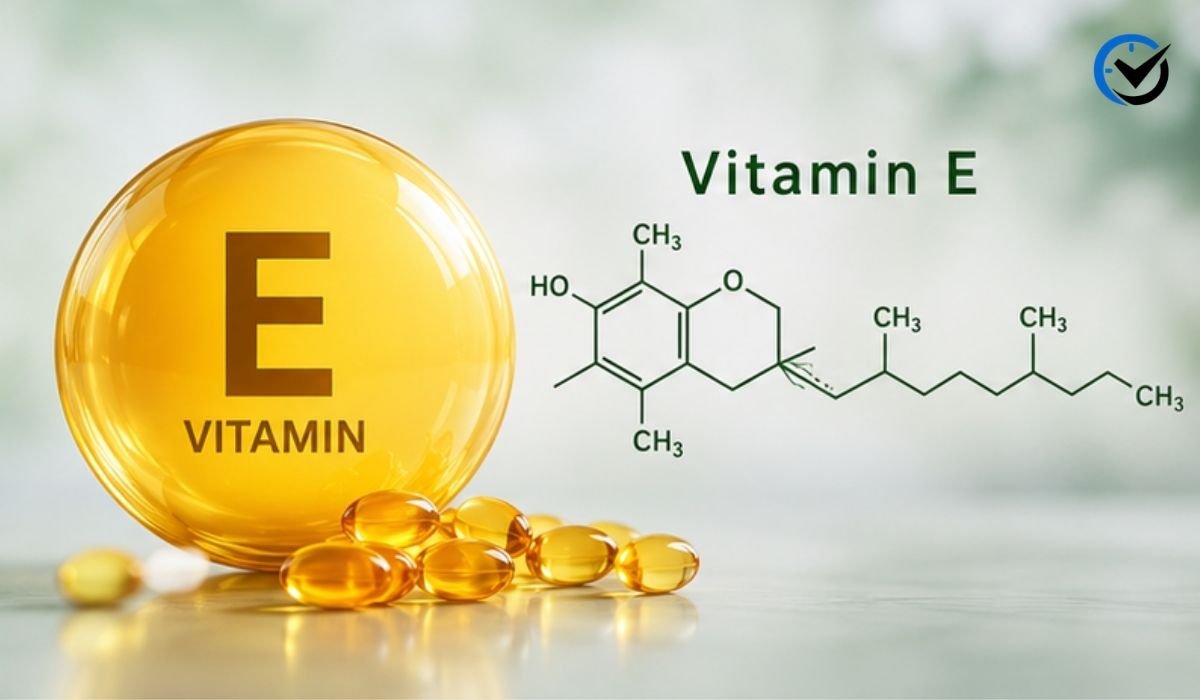
It should not automatically be treated as an official alternative name for Vitamin E. Vitamin E is a recognized group of fat-soluble compounds, with alpha-tocopherol being the form used for nutritional recommendations. Bntamnh E does not have that same scientific status. If the phrase appears beside words such as tocopherol, antioxidant, softgel, capsule, or dietary supplement, it may be referring indirectly to a Vitamin E product. However, that connection needs to be verified from the actual ingredient information rather than assumed from the name alone.
Understanding the Vitamin E Connection
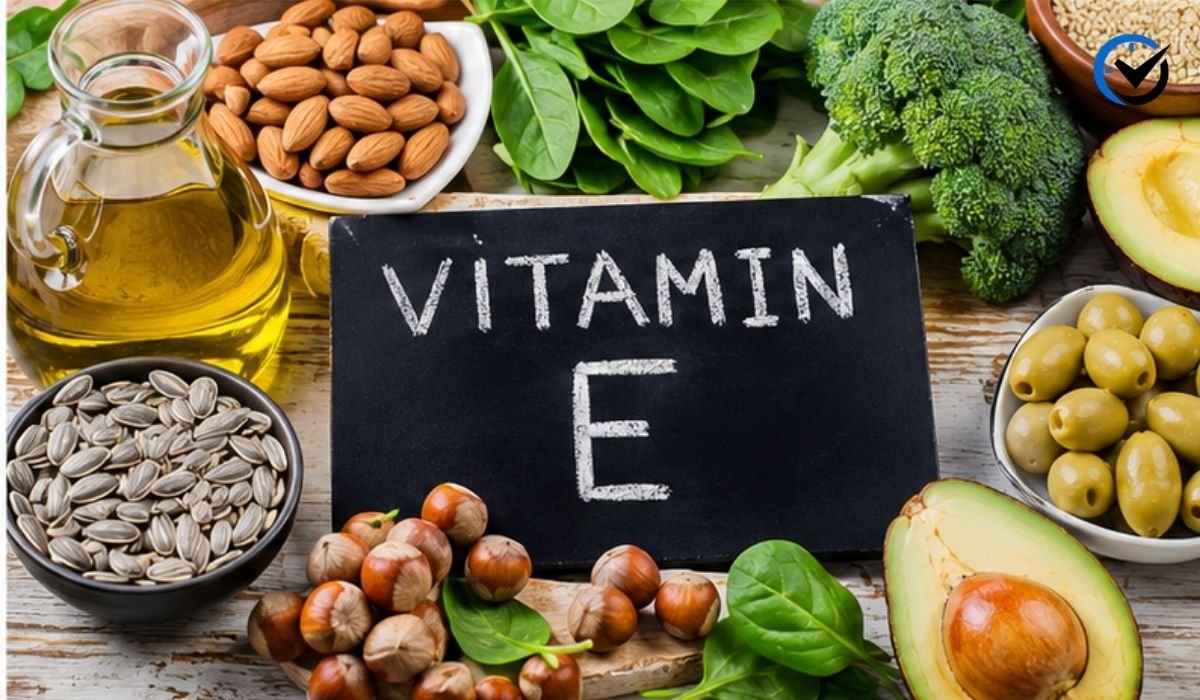
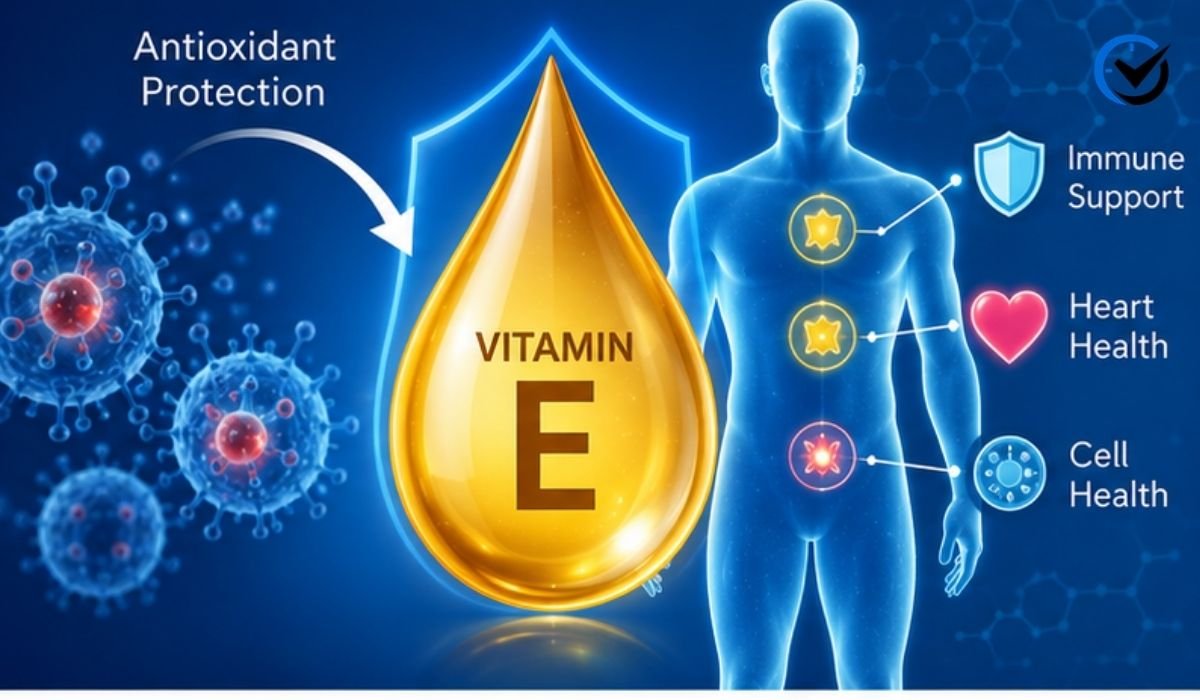
Vitamin E provides the clearest established subject behind many online discussions involving this unusual phrase. It is a fat-soluble nutrient that functions as an antioxidant, helping protect cells from damage caused by free radicals. It also supports normal immune function and plays roles in blood vessels and cell communication. Vitamin E occurs naturally in a variety of foods, including nuts, seeds, vegetable oils, spinach, and broccoli. For healthy people, obtaining nutrients from a varied diet is generally the preferred starting point.
The Possible Origins of the Phrase
There is no well-documented historical origin for Bntamnh E. Available online explanations suggest several possibilities, including typing errors, altered text, translation problems, copied product descriptions, and attempts to interpret unclear labels. None of these explanations should be presented as a confirmed origin without stronger evidence. This distinction matters because an invented backstory can make an unfamiliar phrase appear more established than it really is. At present, it is more accurate to describe the expression as an unclear online term whose meaning depends heavily on context.
Could It Be a Typing or Translation Error?
Yes, that is one reasonable possibility. Digital communication produces unusual strings of letters for many reasons. People mistype words, keyboards make unintended substitutions, and automatic translation can produce unexpected results. Text copied between websites can also become distorted when fonts, images, or formatting are changed. If someone intended to write Vitamin E but entered or reproduced a corrupted version, an unfamiliar expression could eventually circulate independently. That possibility is particularly relevant when Bntamnh E appears without a manufacturer, ingredient list, scientific explanation, or other information that would establish a separate identity.
Why Context Matters When You See the Term
The location where the phrase appears can provide important clues. If it occurs in a general social media post, it may simply be an unusual spelling or unexplained expression. If it appears on a supplement listing, the reader should examine the ingredient panel, serving size, manufacturer, and product details. If it appears in a health article, the surrounding claims should be checked carefully to determine whether the writer is actually discussing Vitamin E. A name alone cannot establish what a health product contains, and unusual terminology should never replace checking the actual label.
What Is Vitamin E Used For?
Vitamin E has several normal biological roles. As an antioxidant, it helps protect cells from oxidative damage. The nutrient also contributes to immune function and participates in processes involving blood vessels and communication between cells. Most people can obtain sufficient Vitamin E through food, and deficiency is uncommon among healthy people. This is important because supplement marketing can sometimes make ordinary nutrients appear as though everyone needs large additional doses. Adequate intake is important, but more is not automatically better.
Natural Food Sources of Vitamin E
A varied diet can provide Vitamin E without requiring an unusual product name or specialized supplement. Vegetable oils such as sunflower, safflower, and wheat germ oil are useful sources, while almonds and sunflower seeds are also rich in the nutrient. Green vegetables, including spinach and broccoli, provide smaller amounts. Some fortified foods contain added Vitamin E as well. Building meals around a variety of vegetables, nuts, seeds, and other nutrient-rich foods can therefore support adequate intake in a practical way.
How Much Vitamin E Does the Body Need?
Recommended amounts vary by age and life stage. For adults, the recommended dietary allowance is 15 milligrams of alpha-tocopherol per day. The amount is lower for children and rises to 19 milligrams for breastfeeding adults. These recommendations refer to alpha-tocopherol, the form of Vitamin E used for the established dietary reference values. Meeting a nutritional recommendation does not mean a person needs a high-dose supplement. In many cases, ordinary food can provide the required amount as part of a balanced diet.
Should You Take a Vitamin E Supplement?
Whether a supplement is appropriate depends on the individual. Someone with a medically identified deficiency or a condition affecting nutrient absorption may have different needs from a healthy person eating a varied diet. Taking a supplement simply because an unfamiliar term appears online is not a good reason to start one. Anyone considering regular supplementation should first identify the actual ingredient, amount, and purpose of the product. A healthcare professional can also help determine whether supplementation makes sense, especially when medications or existing medical conditions are involved.
Can Too Much Vitamin E Be Harmful?
Vitamin E from normal food sources is generally considered safe, but high-dose supplementation is different. Large supplemental amounts can increase the risk of bleeding because Vitamin E can interfere with normal blood clotting. The established upper limit for adults is 1,000 milligrams per day from supplemental alpha-tocopherol, although research has raised safety questions about some high-dose supplementation below that level as well. This is one reason consumers should avoid treating Vitamin E supplements as harmless simply because the nutrient itself is essential.
Vitamin E and Medication Interactions
Supplemental Vitamin E can interact with certain medicines and may be particularly important for people taking anticoagulant or antiplatelet drugs. It may also affect some cancer treatments. These interactions are not a reason to fear Vitamin E in food, but they are a reason to be careful with concentrated supplements. If a product described as Bntamnh E turns out to contain Vitamin E, the same safety considerations would apply. Checking the complete ingredient panel and discussing supplementation with a qualified healthcare professional is a sensible step when medication is involved.
How to Evaluate a Product With an Unusual Name
An unfamiliar product name deserves closer inspection before purchase or use. Look for a complete ingredient list, clearly stated serving size, manufacturer or responsible company, expiration information, and appropriate packaging details. The label should make it possible to identify what the product actually contains rather than relying on a vague name. If the packaging claims that an unusual term represents a special form of Vitamin E, consumers should look for the specific Vitamin E compound and quantity. A mysterious name by itself is not evidence of superior quality, effectiveness, or safety.
Common Misunderstandings About Bntamnh E
One common misunderstanding is that the phrase must represent a new vitamin simply because it looks unfamiliar. Another is assuming that every website using the term is describing the same product or substance. Neither assumption is justified. Online content can repeat information without independently establishing its accuracy. Some pages currently associate the expression with Vitamin E, while others assign it unrelated digital, creative, or symbolic meanings. The lack of a consistent definition means readers should separate established facts about Vitamin E from unverified claims about the unusual phrase itself.
Why Clear Health Information Matters
Confusing terminology is more than a language problem when supplements are involved. A person may buy the wrong product, misunderstand a dosage, or believe a marketing claim that has no scientific basis. Clear labeling helps consumers understand what they are actually purchasing. For this reason, a responsible explanation should never turn an uncertain term into a definite medical claim. In the case of Bntamnh E, the most useful information is not an invented definition but a clear explanation of what is known, what remains uncertain, and how readers can verify the product or context themselves.
How the Meaning May Develop Over Time
Internet language changes quickly. An expression that begins as a typo can become a username, product label, meme, or community term. Conversely, a poorly translated phrase can disappear once people recognize the intended wording. Bntamnh E may therefore acquire a more specific meaning in the future if a legitimate company, community, or publication adopts it consistently. Until that happens, it is better to regard the term as context-dependent rather than assigning it a permanent definition. This approach leaves room for new evidence without confusing speculation with established fact.
Final Thoughts
Bntamnh E remains an unusual and inconsistently defined expression rather than a recognized vitamin or scientific compound. Its strongest online connection appears to be with Vitamin E, but that connection should not be assumed without checking the context, especially when a supplement or health product is involved. Vitamin E itself is a well-understood nutrient that supports antioxidant protection and normal immune function and can be obtained from foods such as nuts, seeds, vegetable oils, and green vegetables. If you encounter the unfamiliar term on a product, focus on the actual ingredient list, dosage, manufacturer, and safety information instead of relying on the name alone. That simple approach can help separate a genuine nutritional product from confusing wording, a typo, or an unsupported online claim.
Frequently Asked Questions
1. What is Bntamnh E?
Bntamnh E does not have a universally recognized scientific or dictionary definition. Online sources use the expression in different ways, with some connecting it to Vitamin E and others treating it as an unclear digital term. Its meaning should therefore be determined from the context where it appears rather than assumed from the phrase alone.
2. Is Bntamnh E the same as Vitamin E?
Not officially. Vitamin E is a recognized nutrient, while Bntamnh E is not an established scientific name for it. Some online material uses the unusual phrase when discussing Vitamin E, but consumers should confirm the actual ingredients before assuming the two terms mean the same thing.
3. Is Bntamnh E a new vitamin?
There is no established evidence that it is a newly discovered vitamin. Vitamin E itself is a well-known fat-soluble nutrient, but the unusual phrase does not have an accepted classification as a separate vitamin or nutrient.
4. Why does Bntamnh E appear in health-related searches?
The term may appear alongside Vitamin E because some websites interpret it as a misspelling, altered phrase, or product-related expression. Search systems can also connect unusual terms with related subjects based on how online pages use them. That does not necessarily mean the term has a formal medical meaning.
5. Could Bntamnh E be a supplement brand?
It is possible for an unfamiliar phrase to be used in a product or commercial context, but the name alone cannot establish that. Anyone considering a product should check its manufacturer, ingredient list, dosage, packaging, and other identifying information before deciding what it contains.
6. What foods contain Vitamin E?
Good food sources include almonds, sunflower seeds, vegetable oils, spinach, and broccoli. Wheat germ, safflower, and sunflower oils are particularly useful sources. A varied diet can provide Vitamin E without necessarily requiring a supplement.
7. How much Vitamin E do adults need?
The recommended dietary allowance for adults is 15 milligrams of alpha-tocopherol per day. People who are pregnant have the same recommendation, while breastfeeding adults have a recommended amount of 19 milligrams daily. Individual nutritional needs can differ depending on health and medical circumstances.
8. Is Vitamin E safe to take every day?
Vitamin E obtained naturally from food is generally safe. High-dose supplements require more caution because excessive supplemental intake can increase bleeding risk. Adults have an established upper limit of 1,000 milligrams per day for supplemental alpha-tocopherol, but that does not mean high doses are necessary or appropriate for everyone.
9. Can Vitamin E interact with medications?
Yes. Vitamin E supplements can interact with some medicines, particularly drugs that affect blood clotting. They may also interfere with certain cancer treatments. People taking prescription medicines should discuss regular Vitamin E supplementation with a healthcare professional rather than assuming it is risk-free.
10. What should I do if I see Bntamnh E on a product?
Do not rely on the unusual name alone. Read the complete ingredient panel, identify the actual form and amount of Vitamin E if present, check the manufacturer and product information, and look for clear usage instructions. If the label is unclear or makes unusual health claims, getting advice from a qualified healthcare professional before using the product is the safer choice.
Recommended: Mutstreams: Complete Guide to Live Sports Streaming, Features, Safety, and Legality





One Comment