

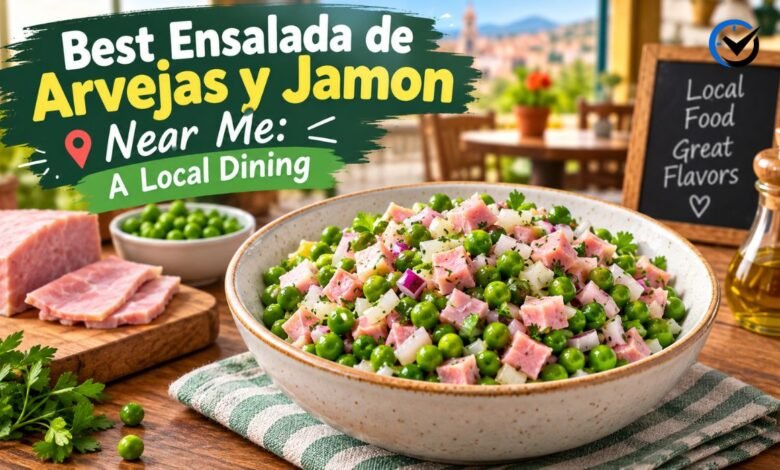
If you are looking for the best Ensalada de Arvejas y Jamon Near Me, you may be searching for a satisfying side dish, a light lunch, or a taste of a familiar family recipe. The name describes a pea and ham salad, but recipes can differ from one restaurant or home cook to another. Some versions are creamy, while others use a lighter dressing with vegetables and herbs. This guide explains what to expect, where to look, and how to choose a version that suits your taste.
What the Name Means
“Ensalada de arvejas y jamón” translates to “pea and ham salad.” Arvejas are peas, and jamón generally refers to ham. The dish is not tied to one fixed recipe, so its ingredients and presentation can vary by region, restaurant, and family tradition. You may find it served as a cold salad, a side dish, or part of a larger meal. Knowing the basic translation can help when you are reading menus or asking staff about a dish with a slightly different name.
The Main Ingredients
Peas and ham form the central pairing. The peas add a mild sweetness and soft texture, while ham contributes saltiness and a savory, meaty taste. Many versions also include diced potatoes, carrots, onions, or eggs. A dressing may bring everything together, but its ingredients can vary. Some cooks use mayonnaise or a creamy dressing; others prefer oil, vinegar, lemon, or a lighter sauce. Ask about the preparation if you have a strong preference or need to avoid a particular ingredient.
How Flavor and Texture Can Vary
The balance between peas, ham, and dressing has a major effect on the salad. A version with a generous amount of dressing may taste rich and smooth, while one with less dressing can feel lighter and let the vegetables stand out. The ham may be mild or strongly cured, and the peas may be soft or firm. Chilled serving can make the flavors feel more subtle. A good version should taste balanced, with no single ingredient overwhelming the others.
Where to Look for It Locally
Start with restaurants that serve Latin American, South American, or Spanish-influenced food, as well as neighborhood cafes and family-run eateries. The dish may appear under a Spanish name, an English translation, or a broader menu label such as “house salad.” Delis and prepared-food counters can also be worth checking. Menus change, so a restaurant that served it in the past may not offer it every day. Confirm availability before making a special trip.
How to Search Nearby Menus
Try searching the dish name along with your city or neighborhood, then check restaurant menus and recent customer photos. You can also search for “pea and ham salad” or “ensalada de arvejas” because menus may use shortened names. If a listing does not show the full menu, call the restaurant and ask whether the salad is currently available. This small step can save time, especially when you are traveling or visiting an area with few restaurants serving Latin American dishes.
What to Ask Before Ordering
A brief question can clarify what the restaurant serves. Ask whether the salad is made with ham, what dressing it uses, and whether it includes additional ingredients such as potatoes, eggs, or onions. If you want it as a main course, ask about portion size. You can also check whether it is prepared fresh that day or made ahead and chilled. Staff may be able to explain the recipe or suggest a similar dish if the salad is not on the menu.
Signs of a Well-Made Salad
A well-made pea and ham salad should taste fresh and balanced. The peas should retain some shape rather than becoming mushy, and the ham should be evenly distributed instead of appearing only in a few bites. If the recipe includes vegetables, they should complement the main ingredients. The dressing should coat the salad without leaving it watery or excessively heavy. Restaurant photos and clear menu descriptions can give you clues, although appearance alone cannot confirm how a dish tastes.
Creamy or Light Dressing
Creamy versions often have a smooth, rich texture and can feel filling, especially when combined with potatoes or eggs. A lighter dressing, such as oil and vinegar, can bring out the sweetness of the peas and the savory flavor of the ham. Neither style is automatically better; the right choice depends on your preference and the rest of your meal. If the menu does not describe the dressing, ask. Some kitchens may serve it on the side or accommodate a simple adjustment.
A Side Dish or a Full Meal
This salad is often served alongside a larger meal, but portion size and ingredients determine whether it can stand alone. A small side portion may pair well with grilled meat, bread, soup, or another entree. A larger serving with potatoes or eggs may be filling enough for lunch. If you are ordering for one, check the portion before adding other dishes. For a group, it can work as a shared side, provided everyone is comfortable with its ingredients.
Pairing It With Other Foods
The salad’s mild sweetness and savory ham can pair well with roasted or grilled foods, rice, bread, and simple vegetable dishes. If it has a creamy dressing, a lighter entree may keep the meal from feeling too rich. If it is dressed with oil or vinegar, it may complement foods with stronger seasoning. Ask the restaurant for pairing suggestions when the salad is part of a regional menu. Local staff can often tell you how the dish is traditionally served in their kitchen.
Finding It at Markets and Delis
Restaurants are not the only places to look. Latin American grocery stores, neighborhood delis, and prepared-food counters may sell pea and ham salad by the container or by weight. These options can be convenient for takeout, picnics, or meals at home. Check the label for ingredients, preparation date, and storage instructions. If the dish is sold from a display case, ask how long it has been available and whether the counter can prepare a fresh portion.
Checking Freshness and Safe Handling
Because many versions are served chilled, freshness and proper storage matter. At a restaurant, the salad should be served cold if that is how the kitchen prepares it. For takeout, keep it refrigerated and follow the restaurant’s handling advice. If you are buying a packaged portion, check its date and keep it cold on the way home. People with food allergies or dietary restrictions should confirm ingredients directly, since recipes and preparation practices differ between kitchens.
Understanding Menu Variations
A restaurant may use a related name or describe the dish in English rather than Spanish. It might also add corn, carrots, potatoes, eggs, or other vegetables. These changes do not necessarily mean the dish is inauthentic; home-style salads often reflect local ingredients and family preferences. The useful question is whether the ingredients and flavor sound appealing to you. If you are looking for a specific version, describe what you expect and ask whether the kitchen’s recipe is similar.
Choosing Between Dine-In and Takeout
Dine-in lets you ask questions and enjoy the salad at the temperature and texture the restaurant intends. Takeout is convenient when you want a quick meal or a side for another dish, though creamy salads should be kept chilled during transport. Check whether the restaurant packs the dressing separately, if that matters to you. For a longer journey, ask about packaging and storage. A nearby shop or deli may be a better choice when you need the dish to travel.
Reading Reviews With Care
Customer reviews can help you identify restaurants that serve the dish, but look for specific details rather than relying only on star ratings. Comments about freshness, portion size, dressing, or service are more useful than general praise. Recent reviews are especially helpful because menus and kitchen staff can change. Photos may show serving size and ingredients, but they may not reflect the current recipe. Use reviews to make a shortlist, then verify availability and details with the restaurant.
Comparing Price and Portion
Prices can differ depending on location, ingredients, and whether the salad is sold as a side or a meal. Compare the listed portion size and included ingredients before judging value. A larger serving with eggs or potatoes may cost more than a small side portion, but it may also replace another dish. If the menu gives little detail, ask about size and whether the salad is shareable. This makes it easier to compare options without assuming that the lowest price is the best choice.
Asking About Dietary Needs
This dish usually contains ham, so it is not vegetarian. It may also contain eggs, mayonnaise, dairy, mustard, or other ingredients, depending on the recipe. If you have an allergy, dietary restriction, or religious food requirement, ask the restaurant about every relevant ingredient and possible cross-contact. Do not rely on the dish name alone to determine whether it is suitable. If the kitchen cannot confirm how it is made, choose another dish with ingredients the staff can explain clearly.
Ordering for a Group
For a shared meal, ask how many people one portion serves and whether the salad arrives chilled in a bowl or as individual plates. The recipe may include ingredients that some guests avoid, so checking before ordering can prevent surprises. If the restaurant offers a choice of dressing, keep it on the side for a group with different preferences. For a gathering at home, a deli container can be convenient, but plan on keeping it refrigerated until serving.
Final Thoughts
Finding a good pea and ham salad nearby takes a little menu checking because the name and recipe can vary. Look at restaurants, cafes, delis, and prepared-food counters, then confirm the ingredients, dressing, portion, and current availability. Recent menu details and a quick call are more reliable than assuming every place prepares the dish in the same way. Once you know whether you prefer a creamy or lighter version, you can choose a serving that fits your meal and your taste.
Frequently Asked Questions
1. What is ensalada de arvejas y jamón?
It is a Spanish-language name for pea and ham salad. Recipes vary, but they commonly combine peas and diced ham with a dressing and may include vegetables, potatoes, or eggs.
2. Is this salad served hot or cold?
It is commonly served chilled or cool, though preparation can differ. Ask the restaurant how it serves its version, especially if you are ordering takeout or prefer food at a particular temperature.
3. Does the salad usually contain mayonnaise?
Some versions use mayonnaise or another creamy dressing, while others use a lighter dressing. Check the menu or ask staff, particularly if you are avoiding eggs, dairy, or rich sauces.
4. Can I eat it as a main course?
That depends on portion size and ingredients. A larger serving with potatoes or eggs may be filling for lunch, while a smaller portion is usually intended as a side dish.
5. Is ensalada de arvejas y jamón vegetarian?
No, the standard dish contains ham. Some restaurants may offer a meat-free pea salad, but ask about the ingredients rather than assuming it is a vegetarian version.
6. What ingredients might be added to the salad?
Common additions can include potatoes, carrots, eggs, onions, or corn. Recipes are not standardized, so confirm the ingredients if you are seeking a particular style or need to avoid something.
7. Where can I find this salad near me?
Check Latin American or South American restaurants, family-run cafes, delis, and prepared-food counters. Search both the Spanish name and “pea and ham salad,” then confirm current availability.
8. How can I tell if the salad is fresh?
Ask when it was prepared and how it has been stored. It should be properly chilled if served cold. At a deli, check the preparation date and follow the storage instructions.
9. Can I order the dressing on the side?
Some restaurants may accommodate this request, but it depends on how the salad is prepared. Ask before ordering; the dressing may already be mixed into the ingredients.
10. Is the recipe the same at every restaurant?
No. The core pairing is peas and ham, but the dressing, added vegetables, texture, and serving style can vary by restaurant, region, and family recipe.
Recommended: Best Api Con Pastel Near Me: Where to Try a Classic Bolivian Pairing





One Comment