Few things end a backyard barbecue faster than a wasp buzzing around the potato salad. One minute you’re enjoying a sunny afternoon with friends, and the next, everyone is swatting the air and eyeing the yard with suspicion. Wasps have a reputation for being aggressive, and unlike bees, they can sting multiple times without losing their stinger. That makes a nest near your home more than a nuisance; it’s a genuine safety concern.
The good news? You don’t have to abandon your patio furniture or live in fear every time you step outside. Understanding how wasps behave, why they show up in the first place, and what actually works to keep them away can turn your yard back into the relaxing space it’s meant to be.
This post breaks down everything homeowners need to know about wasps, from spotting the early warning signs of a nest to understanding when it’s time to call in professional help.
What Attracts Wasps to Your Yard?
Wasps aren’t picky guests. They’re drawn to yards that offer food, shelter, and water, which describes most residential properties during the warmer months. A few common attractions include:
- Sugary foods and drinks: Soda cans, fruit, and desserts left outside practically send out invitations.
- Protein sources: Grilling meat or leaving pet food outdoors can draw wasps looking for a quick meal.
- Sheltered spaces: Eaves, attics, wall voids, and even old rodent burrows make ideal nesting sites.
- Standing water: Birdbaths, clogged gutters, and puddles give wasps the hydration they need to build their colonies.
Once a queen wasp finds a suitable spot in the spring, she begins building a small nest and laying eggs. By mid-summer, that nest can house hundreds of worker wasps, all defending their territory aggressively if disturbed.
How Do You Know If You Have a Wasp Problem?
Spotting a few wasps near a flower bed is normal. A genuine infestation, though, tends to show clearer signs:
- Increased wasp activity near a specific area, such as a corner of the roof or a gap in siding.
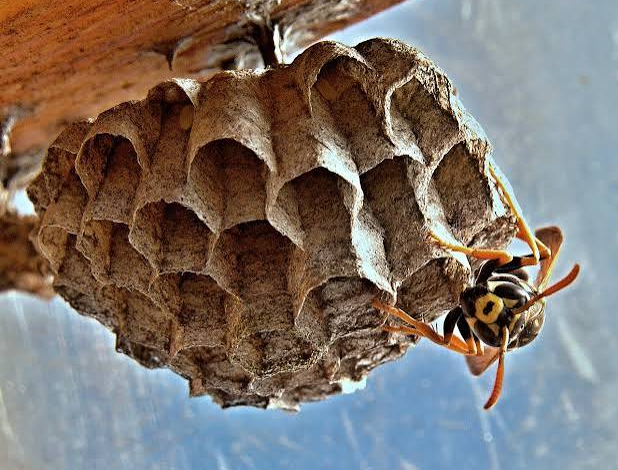
- Visible nests, which can appear papery and gray (common with paper wasps) or be hidden inside structures (typical of yellow jackets).
- Buzzing sounds coming from walls or attics, suggesting a nest has formed inside your home’s structure.
- Aggressive behavior, especially if wasps seem to swarm when you walk near a particular spot.
Ignoring these signs rarely makes the problem go away. Wasp colonies grow throughout the season, and a small nest in May can become a serious hazard by August.
Why DIY Wasp Removal Can Backfire
It’s tempting to grab a can of spray and handle a nest yourself, especially if it looks small. Unfortunately, DIY wasp removal carries real risks:
- Multiple stings: Disturbing a nest often provokes the entire colony, not just one wasp.
- Allergic reactions: Some people don’t realize they’re allergic to wasp venom until they’re stung, and reactions can escalate quickly.
- Incomplete removal: Store-bought sprays may kill visible wasps but leave the nest intact, allowing the colony to rebuild.
- Hidden nests: Many nests form in hard-to-reach places like wall cavities or attic spaces, making them difficult to treat safely without the right equipment.
For a nest that’s small, isolated, and easy to reach, cautious DIY treatment might work. But for anything larger, hidden, or located near high-traffic areas like doorways and patios, professional removal is the safer choice.
How Professional Wasp Control Protects Your Home and Family
Comprehensive wasp control gives you a yard you can actually enjoy again, without constantly scanning the air for danger. At Critter Stop, our approach goes beyond simply knocking down a visible nest. We start with a full inspection of your property to identify active nests, potential entry points, and conditions that might attract wasps in the future.
From there, our technicians use targeted treatments designed to eliminate the colony at its source, including the queen, so you’re not dealing with a repeat problem a few weeks later. We also take steps to seal entry points and recommend simple changes, like relocating bird feeders or addressing standing water, that make your property less appealing to future wasps.
What sets professional service apart is the combination of safety and thoroughness. Our team wears proper protective equipment and uses techniques designed to minimize risk, both to the people handling the nest and to your family and pets. Instead of guessing whether you’ve gotten every last wasp, you get a clear, lasting solution backed by experience.
Critter Stop has worked with homeowners across all kinds of properties, from small city lots to sprawling rural yards, and we understand that every situation is a little different. A nest tucked into a porch ceiling requires a different approach than one buried in a shed wall. Our technicians bring the right tools and know-how for whatever we find.
Simple Steps to Prevent Wasps From Returning
Even after a nest is removed, a few preventive habits can keep new colonies from moving in:
- Seal cracks and gaps around windows, doors, and the foundation.
- Keep outdoor trash cans tightly covered.
- Clean up food and drink spills quickly during outdoor gatherings.
- Trim back shrubs and trees that touch your home’s exterior.
- Inspect eaves and attic vents periodically for early signs of nest-building.
These small efforts go a long way toward reducing the chances of another infestation, especially during peak wasp season in the late summer months.
Take Back Your Yard This Season
Wasps don’t have to dictate how you spend your summer evenings. With the right knowledge and a little proactive care, most homeowners can significantly reduce the risk of a serious infestation. And when a nest does show up somewhere tricky, or the colony feels too big to handle safely, a trained professional can resolve the issue quickly and thoroughly.
If you’ve noticed increased wasp activity around your property or suspect a nest is forming, don’t wait for the problem to grow. Reach out to Critter Stop today to schedule an inspection and get your outdoor space back to being a place you actually want to spend time.