

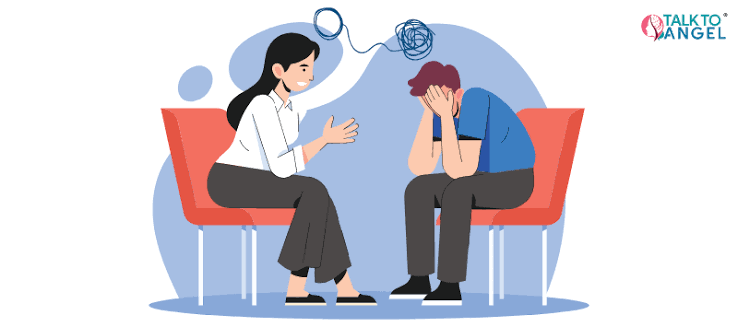
Living with a personality disorder can feel like being trapped in patterns you didn’t choose and can’t seem to break. Relationships suffer, emotions swing unpredictably, and the sense of who you are can feel unstable from one day to the next. For many people, these struggles go unnamed for years, dismissed as “just how I am” rather than recognized as a treatable mental health condition.
At Desert Recovery Centers, we’ve seen firsthand how transformative the right treatment approach can be. Personality disorders are often misunderstood, even by those experiencing them, which makes accurate diagnosis and compassionate care all the more critical. The good news is that recovery isn’t a distant hope reserved for a lucky few. With evidence-based therapy, consistent support, and a treatment plan built around the individual, lasting change is absolutely within reach.
This article explores what personality disorders are, why they develop, and how modern treatment approaches help people reclaim stability, connection, and confidence in their own lives.
What Are Personality Disorders, and Why Do They Develop?
Personality disorders are a group of mental health conditions characterized by rigid, long-standing patterns of thinking, feeling, and behaving that differ significantly from cultural expectations. These patterns typically emerge in adolescence or early adulthood and can affect nearly every area of life, including work, friendships, and romantic relationships.
There are ten recognized personality disorders, grouped into three clusters:
- Cluster A (odd or eccentric behavior): includes paranoid, schizoid, and schizotypal personality disorders.
- Cluster B (dramatic, emotional, or erratic behavior): includes borderline, narcissistic, histrionic, and antisocial personality disorders.
- Cluster C (anxious or fearful behavior): includes avoidant, dependent, and obsessive-compulsive personality disorders.
While no single cause explains why personality disorders develop, research points to a combination of genetic predisposition, childhood trauma, inconsistent caregiving, and environmental stressors. Many individuals with personality disorders also experience co-occurring conditions like depression, anxiety, or substance use disorders, which can complicate diagnosis and make specialized treatment even more important.
Why Personality Disorders Are Often Misdiagnosed
One of the biggest obstacles to getting proper care is misdiagnosis. Symptoms of personality disorders frequently overlap with mood disorders, anxiety disorders, and trauma-related conditions, leading some individuals to spend years cycling through treatments that don’t address the root of their struggles.
A person with borderline personality disorder, for example, might initially be treated for bipolar disorder due to similar emotional volatility. Someone with avoidant personality disorder might be labeled as simply “socially anxious” without deeper exploration into their relational patterns. This is why a thorough, specialized assessment matters so much. Clinicians trained in personality disorders know how to distinguish these conditions from look-alike diagnoses, ensuring that treatment actually targets what’s driving the symptoms.
How Effective Treatment Changes Lives
Contrary to outdated beliefs, personality disorders are treatable. While they require sustained effort and often a longer treatment timeline than some other mental health conditions, people can and do experience significant, lasting improvement.
Dialectical Behavior Therapy (DBT)
Originally developed for borderline personality disorder, DBT has become a cornerstone treatment for several personality disorders. It teaches practical skills in four core areas: mindfulness, distress tolerance, emotion regulation, and interpersonal effectiveness. Clients learn to recognize intense emotions as they arise and respond to them in healthier ways, rather than reacting impulsively or shutting down entirely.
Cognitive Behavioral Therapy (CBT)
CBT helps individuals identify distorted thought patterns and replace them with more balanced, realistic perspectives. For personality disorders, this often means challenging deeply ingrained beliefs about self-worth, trust, and relationships that have shaped behavior for years.
Schema Therapy
Schema therapy digs into the origins of maladaptive patterns, often tracing them back to unmet emotional needs in childhood. It combines elements of CBT, psychodynamic therapy, and experiential techniques to help clients rewrite the internal “scripts” that drive their behavior.
Group Therapy and Peer Support
Many personality disorders involve significant interpersonal difficulty, which makes group settings uniquely valuable. Practicing new communication skills, receiving feedback, and realizing that others share similar struggles can reduce the isolation that so often accompanies these conditions.
What to Look for in a Treatment Program
Not all treatment programs are equipped to handle the complexity of personality disorders. When evaluating options, consider the following factors:
- Specialized clinical expertise: Look for therapists trained specifically in DBT, schema therapy, or other evidence-based modalities for personality disorders.
- Individualized care plans: Effective treatment accounts for co-occurring conditions, personal history, and specific symptom patterns, rather than applying a one-size-fits-all protocol.
- Continuity of care: Because personality disorders often require longer-term treatment, a program that offers a clear path from intensive care to ongoing support can make a meaningful difference in sustained recovery.
- A compassionate, nonjudgmental environment: Shame and stigma frequently prevent people from seeking help. A treatment setting built on empathy and understanding allows clients to be honest about their experiences without fear of judgment.
Our comprehensive and compassionate Personality Disorders Treatment program is designed to help you build the emotional stability and healthier relationships you deserve. At Desert Recovery Centers, our clinical team combines proven therapeutic approaches with individualized care, recognizing that no two clients arrive with the same needs or history. We take the time to understand each person’s unique story, co-occurring challenges, and goals, then build a treatment plan that evolves as progress is made.
Taking the First Step Toward Lasting Change
Living with a personality disorder doesn’t mean a life defined by instability or disconnection. With the right combination of therapy, support, and self-understanding, people regularly move from a place of chronic distress to one of genuine emotional resilience. Relationships can heal. Self-perception can shift. The patterns that once felt permanent can soften and change.
If you or someone you love is struggling with the symptoms of a personality disorder, reaching out for a professional evaluation is a powerful first step. Recovery is rarely linear, but it is absolutely possible with consistent, specialized care and a support system that believes change is achievable.
Desert Recovery Centers is here to help you take that step, with a team dedicated to walking alongside you through every stage of the healing process.