Your garage door opener works silently in the background until the day it doesn’t. Suddenly, you’re standing in your driveway, pressing the remote over and over, wondering why your car is stuck inside or outside the garage. It’s a frustrating moment, but it’s also incredibly common. Garage door openers are mechanical devices, and like anything with moving parts, they wear down over time.
The good news? Most opener problems have clear causes and straightforward solutions. Whether it’s a worn-out gear, a misaligned sensor, or a dying remote battery, understanding what’s happening behind the scenes can save you time, money, and a lot of unnecessary stress. This post walks through the most common garage door opener issues, what causes them, and how ProStar Garage Doors approaches every repair with precision and care.
Why Does My Garage Door Opener Stop Working?
A garage door opener can stop functioning for dozens of reasons, ranging from simple fixes to more involved mechanical failures. Power issues are among the most common culprits. If your opener doesn’t respond at all, check whether it’s plugged in and that the outlet itself has power. A tripped circuit breaker or a blown fuse can cut power to the unit without any obvious warning signs.
Beyond power problems, the opener’s internal components can degrade with age. Belt-drive and chain-drive systems rely on continuous tension and alignment. Over years of daily use, belts stretch, chains loosen, and gears made of nylon or plastic can crack under repeated stress. When these parts fail, the door might open partway, reverse unexpectedly, or refuse to move at all.
What Are the Most Common Garage Door Opener Problems?
Homeowners tend to run into a handful of recurring issues. Knowing what they look like can help you describe the problem accurately and understand what kind of repair might be needed.
The Door Won’t Respond to the Remote or Wall Switch
If pressing the remote does nothing, the issue could be as simple as dead batteries. But if replacing the batteries doesn’t help, the remote may have lost its connection to the opener’s receiver, or the receiver itself could be malfunctioning. Wall switches can also fail due to loose wiring or a worn-out button mechanism.
The Door Reverses Before Fully Closing
This is one of the most noticeable and alarming issues. Garage door openers are equipped with safety sensors—small infrared eyes mounted near the bottom of the door track—that detect obstructions and reverse the door to prevent accidents. If these sensors are dirty, misaligned, or blocked, the door may reverse even when nothing is in its path. A quick inspection of the sensor alignment often resolves this, but if the sensors themselves are damaged, they’ll need replacement.
The Opener Makes Grinding or Clicking Noises
Unusual sounds almost always point to mechanical wear. Grinding noises often mean the gears inside the opener’s motor unit are stripped or worn. Clicking sounds can indicate a problem with the drive belt or chain, particularly if it has loosened over time. Ignoring these noises typically leads to complete opener failure down the road.
The Door Moves Slowly or Struggles to Open
A sluggish door is often a sign that the opener’s motor is working harder than it should. This can happen due to worn-out springs, a door that’s out of balance, or a motor that’s reaching the end of its lifespan. In some cases, the problem isn’t the opener at all but the door itself needing adjustment.
Can I Fix a Garage Door Opener Myself?
Some minor fixes, like replacing remote batteries or cleaning sensor lenses, are safe for most homeowners to handle. However, garage door systems operate under significant tension, especially when torsion springs are involved. Attempting to repair or replace these components without proper training can lead to serious injury.
Electrical troubleshooting also carries risk if you’re not familiar with how the opener’s wiring is configured. Misdiagnosing a problem can lead to replacing parts that weren’t actually broken, costing more time and money than hiring a professional from the start.
For anything beyond basic maintenance, calling a trained technician is the safer and more cost-effective choice. A professional can accurately diagnose the root cause and address it without creating additional damage.
How ProStar Garage Doors Approaches Every Repair
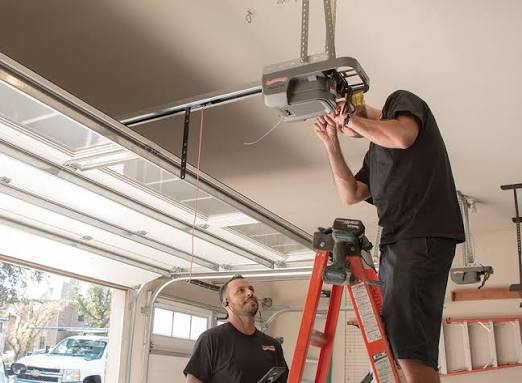
Comprehensive and reliable garage door opener repair starts with a thorough inspection, not guesswork. At ProStar Garage Doors, every service call begins with a detailed diagnostic process to identify exactly what’s causing the malfunction, whether it’s a worn gear, a faulty sensor, or an electrical issue. This approach ensures the right fix is applied the first time, saving customers from repeated service calls and unnecessary expenses.
ProStar Garage Doors technicians arrive equipped with the parts and tools needed to handle most repairs on the spot. From replacing stripped gears and worn belts to recalibrating safety sensors and reprogramming remotes, the team handles each repair with attention to detail and a focus on long-term reliability. Every repair also includes a final safety check, confirming that the door opens, closes, and reverses properly before the job is considered complete.
Customers working with ProStar Garage Doors can expect clear communication throughout the process. Technicians explain what went wrong, what was repaired, and what homeowners can do to prevent similar issues in the future. This transparency builds trust and helps customers feel confident in the work being done on one of the most frequently used systems in their home.
How Often Should Garage Door Openers Be Maintained?
Routine maintenance extends the lifespan of a garage door opener significantly. Most manufacturers recommend a professional inspection once a year, though homes with heavy daily use may benefit from more frequent check-ups. Regular maintenance typically includes lubricating moving parts, checking belt or chain tension, testing safety sensors, and inspecting the motor for signs of wear.
Skipping routine maintenance doesn’t just increase the risk of sudden breakdowns. It can also shorten the overall lifespan of the opener, leading to a full replacement years earlier than necessary. A small investment in annual maintenance often prevents much larger repair bills down the road.
Keep Your Garage Door Running Smoothly
A malfunctioning garage door opener disrupts your daily routine and can even compromise your home’s security. Recognizing the early warning signs, like strange noises, slow movement, or inconsistent responses to the remote, gives you a head start on addressing problems before they escalate.
When it’s time for a repair, working with a team that prioritizes accurate diagnostics and lasting solutions makes all the difference. ProStar Garage Doors brings the expertise and transparency needed to get your garage door opener back in working order quickly and reliably. Reach out to schedule an inspection and keep your garage running the way it should.
Frequently Asked Questions
How much does garage door opener repair typically cost?
Costs vary depending on the issue, ranging from minor fixes like sensor realignment to more involved repairs such as motor or gear replacement. A professional diagnostic visit helps determine the exact cost based on the specific problem.
How long does a garage door opener repair take?
Most repairs are completed within one to two hours, depending on the complexity of the issue and parts availability. Simple fixes like sensor adjustments or remote reprogramming can often be done even faster.
Is it better to repair or replace a garage door opener?
If the opener is relatively new and the issue involves a single component, repair is usually the more economical choice. Openers older than 10-15 years with recurring issues may be better candidates for full replacement.