
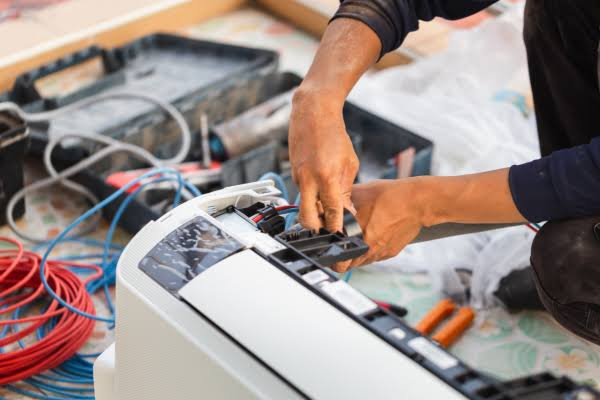
Few things ruin a summer evening faster than a sputtering air conditioner. One minute you’re enjoying cool air, the next you’re sweating through a heat wave with a unit that refuses to turn back on. If you’ve ever stood in front of your thermostat, cranking the temperature down and praying for a miracle, you know exactly how stressful this moment can be.
The good news? You don’t have to white-knuckle it through a broken AC. Knowing the warning signs, understanding your options, and having a reliable repair team on speed dial can turn a potential disaster into a minor inconvenience. This guide walks you through what to watch for, what to do when your system fails, and how to find help that actually shows up when you need it most.
Why Air Conditioners Tend to Fail at the Worst Possible Moment
There’s a reason your AC seems to pick the hottest day of the year to break down. Air conditioning systems work hardest during peak summer temperatures, and that extra strain exposes weak components that might have been limping along for months. Worn capacitors, clogged coils, and low refrigerant levels all tend to reach their breaking point right when your system is working overtime.
Age plays a role too. Most residential units are built to last 10 to 15 years, but wear and tear accelerates if maintenance has been skipped or delayed. A system that hasn’t had a professional tune-up in a few years is far more likely to quit unexpectedly than one that’s been cared for consistently.
Warning Signs Your AC Needs Help Before It Completely Shuts Down
Most AC failures don’t happen without warning. Your system usually gives you clues before it gives out entirely. Catching these signs early can mean the difference between a quick fix and a full breakdown.
Strange Noises Coming From the Unit
A healthy air conditioner runs with a fairly consistent hum. If you start hearing grinding, squealing, or banging sounds, something inside the system has likely shifted out of place or worn down. Ignoring these noises often leads to bigger, costlier problems down the road.
Weak or Warm Airflow
If the air coming from your vents feels weaker than usual or isn’t as cold as it should be, your system may be struggling with a refrigerant leak, a failing compressor, or a blocked air filter. This is one of the most common complaints homeowners report right before a complete shutdown.
Short Cycling or Constant Running
An AC that turns on and off rapidly, known as short cycling, puts unnecessary stress on the compressor and can shorten the lifespan of your system significantly. On the flip side, a unit that runs constantly without ever reaching the set temperature is also a red flag worth addressing immediately.
Unusual Odors or Moisture Around the Unit
Musty smells can point to mold growth inside the ductwork, while a burning smell could indicate an electrical issue. Pooling water or excessive condensation near your indoor unit often signals a drainage problem that needs prompt attention.
What to Do the Moment Your AC Stops Working
When your air conditioner stops cooling altogether, a few quick checks can save you time and money before calling in professional help.
First, check your thermostat settings and replace the batteries if needed. It sounds simple, but a dead thermostat battery is a surprisingly common culprit. Next, check your circuit breaker. AC units draw a lot of power, and a tripped breaker will shut the whole system down instantly. Finally, take a look at your air filter. A filter clogged with dust and debris restricts airflow so severely that it can cause the entire system to freeze up or shut off as a safety measure.
If none of these quick fixes solve the problem, it’s time to call in a professional rather than attempting a DIY repair. Modern AC systems involve electrical components, pressurized refrigerant, and intricate wiring that can be dangerous to handle without proper training and equipment.
How to Choose the Right Repair Team When Time Is Critical
Not every HVAC company is equipped to respond quickly when you need them most. When you’re comparing service providers, look for a few key qualities.
Choose a company with emergency availability if your comfort and safety can’t wait until regular business hours. Choose a company with transparent pricing if you want to avoid surprise charges on top of an already stressful situation. Choose a company with certified, experienced technicians if you want the job done right the first time rather than paying twice for the same repair.
A fast, dependable response when your cooling system fails unexpectedly is exactly what you’ll find with Mayday Heating and Cooling’s emergency AC repair service, which is built around getting your home comfortable again without unnecessary delays. Our technicians arrive prepared with the tools and parts needed to diagnose and resolve most issues on the first visit, so you’re not left waiting around in the heat while a problem drags on.
Simple Habits That Help Prevent Future Breakdowns
While no system is entirely immune to failure, a few consistent habits go a long way toward reducing the odds of an unexpected shutdown.
Changing your air filter every one to three months keeps airflow consistent and prevents unnecessary strain on your system. Scheduling annual maintenance before peak season allows a technician to catch small issues before they become expensive repairs. Keeping the outdoor unit clear of debris, leaves, and overgrown plants ensures your system can breathe properly and operate efficiently.
These small steps won’t guarantee your AC never breaks down, but they significantly lower the chances of an inconvenient surprise during the hottest days of the year.
Staying Cool Starts With Being Prepared
A broken air conditioner doesn’t have to mean a miserable, sweat-soaked week. By learning to recognize early warning signs, taking a few smart troubleshooting steps, and partnering with a dependable repair team, you can keep your home comfortable no matter what the thermometer says outside.
Mayday Heating and Cooling is ready to help whenever your system lets you down, day or night. Reach out today to schedule a service or save our number for the next time the heat catches you off guard.
Frequently Asked Questions
How quickly can a technician typically respond to an AC breakdown?
Response times vary by provider, but companies offering true emergency service generally aim to reach your home the same day, often within a few hours of your call.
Is it safe to run my AC while waiting for a repair?
It depends on the issue. If your system is making unusual noises, leaking, or giving off a burning smell, it’s best to shut it off and wait for a technician rather than risk further damage.
How much does emergency AC repair usually cost compared to standard service?
Emergency repairs often come with a premium due to after-hours labor, but the exact cost depends on the issue, the time of day, and the company’s pricing structure.
Can regular maintenance really prevent emergency breakdowns?
Yes. Routine tune-ups catch small issues, like worn components or low refrigerant, before they escalate into full system failures.