
Summer heat has a way of exposing every weakness in your home’s cooling system. One day it’s working fine, and the next, you’re sweating through dinner while your thermostat stubbornly refuses to budge. If this sounds familiar, you’re not alone — homeowners across the country deal with unexpected cooling breakdowns every season, often at the worst possible time.
At ECI Comfort, we’ve seen firsthand how a small, overlooked issue can snowball into a full system failure. The good news? Most of these problems are preventable, and even when they’re not, a fast response can save you from a sweltering house and a drained wallet. This post walks through the warning signs your AC is sending you, what’s really happening inside your unit when it struggles, and why timing matters more than most people realize.
Why Does My Air Conditioner Struggle During Peak Summer Heat?
Air conditioners work hardest when outdoor temperatures climb, and that extra strain reveals any underlying issues. A unit that’s been quietly losing refrigerant or running with a dirty coil might limp along just fine in mild weather, but once the mercury rises, those small inefficiencies become major performance problems.
Several factors contribute to this seasonal strain:
- Refrigerant levels drop due to small leaks that worsen over time, forcing the compressor to work overtime.
- Dirty air filters and coils restrict airflow, making the system pull more energy to achieve the same cooling effect.
- Aging components, like capacitors and fan motors, wear down faster under constant heavy use.
- Clogged condensate drains can cause water backup, which sometimes trips safety switches and shuts the unit down entirely.
Each of these issues compounds the others. A system running low on refrigerant also runs hotter, which puts additional stress on the compressor — often the most expensive part to replace.
What Are the Warning Signs That My AC Needs Attention?
Most air conditioning failures don’t happen without warning. The unit usually tries to tell you something is wrong long before it stops working altogether. Recognizing these signs early can mean the difference between a simple fix and a costly replacement.
Unusual Noises Coming From the Unit
A healthy AC system runs with a consistent, low hum. Grinding, squealing, or rattling sounds usually point to loose components, worn bearings, or debris caught in the blower. Ignoring these noises typically allows the underlying issue to worsen, turning a minor repair into a major one.
Weak or Inconsistent Airflow
If some rooms in your home feel noticeably warmer than others, or if airflow from the vents seems weaker than it used to be, your system could be dealing with ductwork issues, a failing blower motor, or a clogged filter. This unevenness often gets worse gradually, which is why many homeowners don’t notice until it becomes a real comfort problem.
Rising Energy Bills Without a Clear Reason
When a cooling system has to work harder to maintain the same temperature, your energy bills reflect that extra effort. A sudden spike in your monthly utility costs, especially without a change in usage habits, is often one of the clearest financial indicators that something inside your unit isn’t operating efficiently.
Frequent Cycling On and Off
An AC that short-cycles — turning on and off more frequently than usual — is often struggling with a thermostat issue, a refrigerant problem, or an oversized/undersized unit for the space. This pattern not only reduces comfort but also accelerates wear on the compressor.
How Does Routine Maintenance Prevent Costly Breakdowns?
Preventive maintenance remains one of the most effective ways to extend the life of a cooling system and avoid emergency repairs. Routine tune-ups allow technicians to catch small issues, like a slightly low refrigerant charge or a fraying electrical connection, before they cause a full system shutdown.
Seasonal maintenance checklists typically include:
- Cleaning or replacing air filters to maintain proper airflow.
- Inspecting and cleaning evaporator and condenser coils.
- Checking refrigerant levels and testing for leaks.
- Tightening electrical connections and testing capacitors.
- Clearing the condensate drain line to prevent water damage.
- Verifying thermostat calibration and overall system performance.
Homeowners who schedule regular maintenance generally experience fewer breakdowns, lower energy bills, and longer-lasting equipment. It’s a modest investment that pays for itself many times over by avoiding the higher costs associated with emergency service calls and premature system replacement.
Why Does Fast Professional Service Matter More Than People Realize?
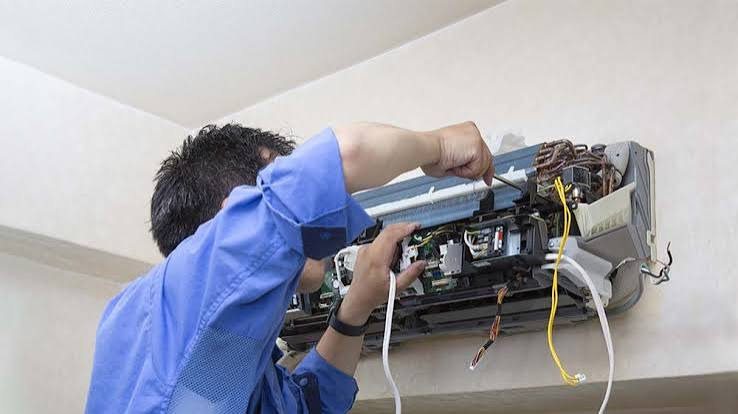
Restoring comfort to your home as quickly as possible without compromising on quality is exactly what dependable AC Repair accomplishes when a cooling system breaks down unexpectedly. A slow or incomplete repair doesn’t just prolong your discomfort, it can also allow a minor issue to develop into a much larger and more expensive one.
At ECI Comfort, our technicians are trained to diagnose issues accurately the first time, which means fewer repeat visits and faster resolutions. We understand that a broken AC unit isn’t just an inconvenience. It disrupts sleep, makes homes unsafe for young children and elderly family members during extreme heat, and can even damage sensitive electronics or furniture due to excess humidity. That’s why our team prioritizes prompt scheduling, transparent pricing, and repairs built to last, not just quick patches that leave you calling again in a few weeks.
Choosing a provider who values both speed and craftsmanship gives you peace of mind that your system is genuinely fixed, not just temporarily quieted.
What Should I Do If My AC Stops Working Today?
If your air conditioner has already stopped cooling, a few quick checks can help before calling for service:
- Verify your thermostat is set to “cool” and the temperature is below the current room temperature.
- Check your circuit breaker to rule out a tripped switch.
- Inspect and replace a dirty air filter if it’s visibly clogged.
- Look at the outdoor unit for debris, like leaves or grass clippings, blocking airflow.
If none of these steps resolve the issue, it’s time to bring in a professional. Attempting to diagnose refrigerant issues or electrical faults without proper training can be dangerous and may void your system’s warranty.
Keeping Your Home Comfortable All Season Long
A reliable cooling system isn’t something you should have to think about every day, and with the right care, it won’t be. Paying attention to early warning signs, scheduling routine maintenance, and acting quickly when something feels off can save you from the frustration and expense of a full system breakdown.
ECI Comfort is committed to helping homeowners stay cool, comfortable, and confident in their HVAC systems all summer long. Whether you need a quick diagnostic check or a complete system overhaul, our team is ready to help you breathe easier knowing your home’s comfort is in capable hands.
Frequently Asked Questions
How often should I schedule AC maintenance?
Most manufacturers and HVAC professionals recommend annual maintenance, ideally scheduled in the spring before peak cooling season begins.
Can a small refrigerant leak really cause major damage?
Yes. Over time, a slow leak forces the compressor to work harder, which can lead to overheating and premature compressor failure if left unaddressed.
Is it better to repair or replace an aging AC unit?
If your system is over 10-15 years old and requires frequent repairs, replacement often provides better long-term value through improved efficiency and fewer breakdowns.
What’s the average lifespan of a residential air conditioner?
With proper maintenance, most residential AC units last between 12 and 15 years, though this can vary based on usage and climate.