

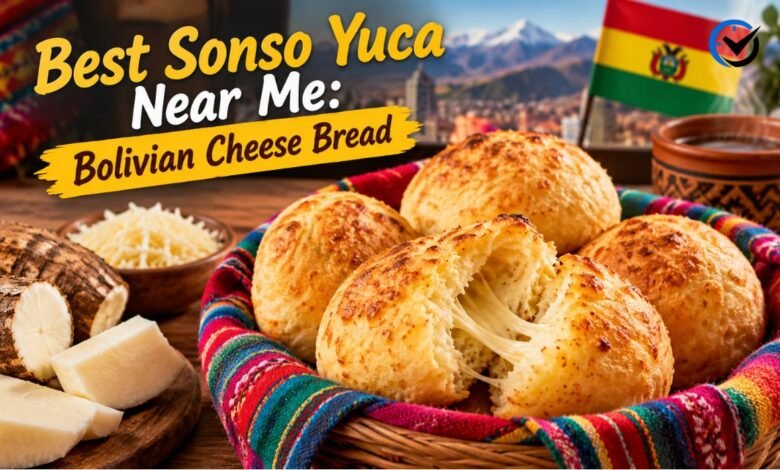
Sonso de yuca is a warm, savory Bolivian snack made mainly from cassava and cheese. It may appear as a thick, soft bread or as a toasted portion with a lightly browned outside. If you are looking for the best sonso yuca near you, knowing what goes into it and how it should taste can help you choose a bakery, café, or restaurant with confidence. This guide explains the dish, what to look for on a menu, and how to compare nearby options.
What Is Sonso de Yuca?
Sonso de yuca is a traditional Bolivian food made with yuca, also called cassava, and cheese. The ingredients are combined into a dough or paste, shaped, and cooked until the outside turns golden. The result is usually tender and chewy, with a rich, savory flavor. Recipes vary by household and region, so the texture and shape can differ from one kitchen to another.
The Role of Yuca in the Dish
Yuca is a starchy root vegetable used in many Latin American and Caribbean dishes. When cooked and mashed, it can form a soft, dense base that holds together without wheat flour. Its mild flavor allows the cheese to stand out, while its texture gives sonso its characteristic chew. Because fresh yuca takes preparation, some cooks use prepared cassava flour or starch, depending on the recipe.
Why Cheese Matters
Cheese contributes much of sonso’s savory character and helps bind the cassava mixture. The variety used depends on availability and local preference. Some versions taste mild and creamy; others have a saltier, sharper flavor. A well-made sonso should let you notice both the cassava and cheese, rather than tasting only of salt or oil. Ask staff which cheese the kitchen uses if the menu does not specify it.
How Sonso de Yuca Is Made
A common method starts by cooking and mashing yuca, then mixing it with grated or crumbled cheese. The mixture is shaped into rounds, logs, or portions and cooked over heat, often on a grill or in an oven. Some cooks use skewers, while others place the dough directly on a hot surface. Cooking time and moisture affect whether the center is soft, chewy, or firm.
What Good Sonso Should Taste Like
Fresh sonso is usually savory, gently cheesy, and mild enough to pair with coffee, tea, or a fuller meal. Its exterior may have a toasted, golden finish, while the center stays soft and slightly elastic. It should not feel raw, dry, or excessively greasy. Recipes differ, so there is no single correct level of salt or browning, but the cassava should remain tender and the cheese should taste fresh.
Texture and Appearance
Look for a portion with an evenly cooked surface and a soft interior. A little browning can add flavor, but a very dark crust may indicate that it has been cooked too long. The center should hold its shape when lifted, without crumbling into dry pieces. Since sonso may be served in different shapes, appearance alone is not a reliable measure; freshness and texture matter more.
Sonso’s Place in Bolivian Food Culture
Sonso is associated with Bolivia’s eastern lowlands, especially the departments of Santa Cruz and Beni, where cassava is a familiar ingredient. It is enjoyed in homes and sold by bakeries and food businesses, though recipes are not identical everywhere. For people who grew up eating it, sonso may bring back memories of family cooking or local snacks. For newcomers, it offers a practical introduction to Bolivian flavors.
When People Usually Eat It
Sonso can work as a breakfast item, a midmorning snack, or a small meal between larger dishes. Some people pair it with a hot drink; others serve it alongside soup or other foods. Cafés may offer it in the morning, while bakeries might sell it throughout the day. Check opening hours and availability before making a special trip, since some kitchens prepare limited batches.
Finding Sonso Yuca Near You
Start with local Bolivian restaurants, Latin American bakeries, and cafés that serve regional South American food. Search by dish name and by related terms such as “sonso de yuca,” “Bolivian cassava bread,” or “Bolivian cheese bread.” Searching with your city or neighborhood can narrow the results. Some menus list the dish under snacks, breads, appetizers, or breakfast, so check more than one menu category.
How to Compare Nearby Restaurants
Compare more than star ratings. Read recent comments for specific details about freshness, portion size, texture, and whether the dish was available when customers visited. Look for descriptions from people who ordered sonso itself, rather than reviews that discuss only the restaurant’s atmosphere. A place with a shorter menu and clear information about its Bolivian dishes may be a stronger option than one with many generic menu items.
Questions to Ask Before Ordering
If you are unsure how a restaurant serves sonso, ask whether it is made fresh, how it is cooked, and what kind of cheese it contains. You can also ask whether the portion is intended as a snack or is large enough to share. These questions are useful when the menu gives only the dish name. Staff may also tell you whether it is served with a sauce or another accompaniment.
Bakery, Café, or Restaurant?
A bakery may be a good place to look for sonso to take away, especially earlier in the day when items are fresh. A café may serve it with coffee or tea, while a restaurant might offer a larger portion as an appetizer or side. The best setting depends on what you want: a quick snack, a sit-down meal, or a chance to try several Bolivian dishes.
Freshly Cooked or Reheated?
Sonso is generally most enjoyable soon after cooking, when the exterior is warm and the middle remains soft. Some businesses bake or grill portions in batches and reheat them when ordered. Reheating is not automatically a problem, but prolonged warming can make the cassava dry or tough. If freshness matters to you, ask when the latest batch was prepared or whether the kitchen can warm a portion to order.
Portion Size and Price
Portions can vary considerably. A small sonso may be sold as a snack, while a larger version may be enough to share or accompany a meal. Compare the listed size and serving style before judging price. If the menu gives no details, ask how many pieces come with an order. Prices also reflect location, ingredients, and whether the dish is served alone or as part of a meal.
Dietary Considerations
Traditional sonso is often based on cassava and cheese, but recipes may include additional ingredients such as eggs, milk, butter, or wheat flour. Preparation also varies, and shared equipment can matter for people with allergies or strict dietary needs. Ask the restaurant directly about ingredients and cooking practices rather than relying on the dish name. Do not assume it is vegan, dairy-free, gluten-free, or suitable for every diet.
What to Pair with Sonso
A plain serving can be satisfying on its own, especially as a morning snack. Coffee or tea can balance its rich, cheesy taste. For a fuller meal, consider ordering it alongside soup, salad, or another Bolivian dish if the menu offers one. Sauces and side dishes vary by restaurant, so try the sonso first before adding anything; its mild flavor may be the main feature you want to enjoy.
Ordering for Takeout
For takeout, ask whether the bread is packed while hot or allowed to cool slightly before wrapping. Trapped steam can soften a crisp surface, while a long trip can make the center firm. If you are ordering several portions, confirm how they are packaged and whether any accompanying sauce comes separately. Eat it soon after pickup when possible, or rewarm it gently at home.
Making Sonso at Home
Home cooks can make a simple version using cooked, mashed yuca and grated cheese, then shaping and cooking the mixture until browned. The main challenge is getting the balance of moisture and cheese right: a mixture that is too wet may be difficult to shape, while one that is too dry can crack. Since recipes differ, follow one tested recipe and adjust gradually rather than adding large amounts of flour or liquid.
Common Differences Between Sonso and Other Cassava Breads
Cassava-based breads and snacks appear across many countries, but their names and methods are not interchangeable. Sonso is especially tied to Bolivian cooking and commonly combines yuca with cheese. Other regional foods may use similar ingredients but differ in shape, cooking method, seasoning, or texture. If a menu uses a different name, ask how that item is prepared instead of assuming it will taste exactly like sonso.
Choosing a Place That Fits Your Preferences
Your ideal choice depends on what you value most. If you prefer a soft center, look for comments that mention a tender texture. If you enjoy a toasted exterior, ask whether the restaurant grills or bakes its portions. People trying the dish for the first time may want a smaller serving or a place with other familiar menu options. A direct question to staff can clarify these details.
Final Thoughts
Finding the best sonso yuca near you is easier when you know what the dish is and what qualities to look for. Search local Bolivian restaurants and bakeries, check recent comments about freshness, and ask how each place prepares its version. A good portion should taste savory and cheesy, with tender cassava and an evenly cooked surface. Because recipes differ, trying a few local versions may be the best way to discover your favorite.
Frequently Asked Questions
1. What is sonso de yuca?
Sonso de yuca is a Bolivian snack or bread made primarily from cassava and cheese. It is shaped and cooked, often until lightly browned outside while remaining soft and chewy inside.
2. Is sonso de yuca sweet or savory?
It is generally savory, with a mild cassava flavor and cheese providing much of its richness. Recipes vary, so the salt level and cheese flavor can differ between restaurants and bakeries.
3. What does yuca taste like?
Cooked yuca has a mild, starchy flavor. In sonso, it creates a soft, dense texture and takes on the flavor of the cheese and other ingredients mixed into the dough.
4. Is sonso de yuca the same as cassava bread?
The names can be used loosely, but recipes and textures vary. Sonso is a Bolivian preparation that commonly combines cassava with cheese; another cassava bread may use different ingredients or methods.
5. Is sonso de yuca gluten-free?
Cassava itself does not contain gluten, but recipes may include wheat flour, and kitchens may use shared equipment. Ask the restaurant about its specific ingredients and preparation before ordering.
6. Is sonso de yuca vegetarian?
Many versions contain cheese and no meat, but ingredients differ. Some recipes may include animal-derived products, and preparation practices vary, so check with the restaurant if you follow a vegetarian diet.
7. When is sonso de yuca usually served?
It can be eaten for breakfast, as a snack, or alongside a meal. Availability depends on the business; some bakeries and cafés prepare it in limited batches or sell it mainly in the morning.
8. How should sonso de yuca be stored?
If you have leftovers, let them cool and refrigerate them in a covered container. Reheat gently before eating. Texture may change after storage, so it is usually best soon after it is cooked.
9. Can sonso de yuca be reheated?
Yes. Reheat it gently in an oven, toaster oven, or skillet until warmed through. Avoid overheating, which can make the cassava dry or tough. A microwave is convenient but may soften the exterior.
10. What should I ask when ordering sonso?
Ask whether it is made fresh, what cheese it contains, how it is cooked, and how large the portion is. If you have dietary restrictions, ask about all ingredients and possible cross-contact.
Recommended: Best Empanada de Carne Cortada a Cuchillo Near Me: Finding Local Favorites





One Comment