Trideltathon: Knoxville’s Historic Pool Triathlon and the Charity Tradition Behind TriDeltaRUN

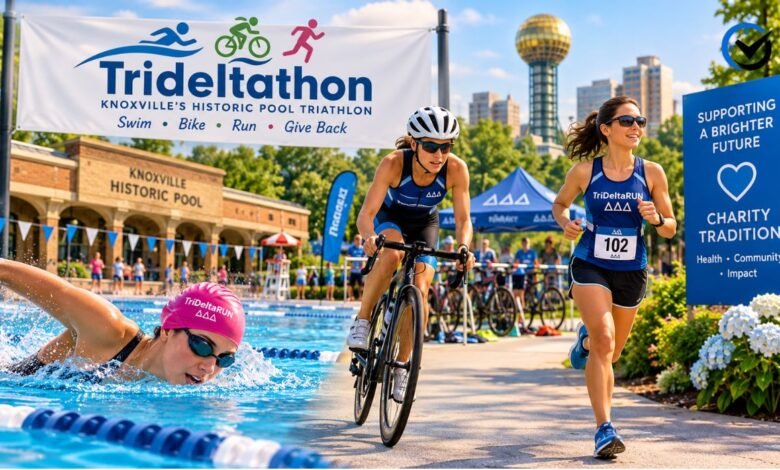
Trideltathon was a charity triathlon rooted in Knoxville, Tennessee, and the University of Tennessee community. Its indoor pool swim, campus cycling route, and running stage gave it a recognizable local identity. Delta Delta Delta, commonly called Tri Delta, supported the event through student involvement and volunteering, while fundraising benefited children’s causes. Today, older race descriptions appear alongside information about TriDeltaRUN, a related 5K. Those names connect two chapters of a sporting tradition, but their race formats differ. Understanding the original competition, its charitable purpose, and the later running event helps readers make sense of the history without treating an old registration page as an upcoming race.
What the Original Race Involved
The documented triathlon combined a 400-meter swim, a six-mile bicycle ride, and a three-mile run. For readers using metric distances, the cycling stage covered approximately 9.7 kilometers and the run about 4.8 kilometers. These were compact distances, but completing three activities consecutively created a different challenge from doing any one separately. Athletes had to pace themselves across disciplines and manage the changes between swimming, cycling, and running. A Tennessee race calendar listed the same distances in 2003, showing that this format was established well before the canceled 2020 edition. Describing the event as a short triathlon is useful; describing it as effortless would overlook the swimming ability, bicycle handling, and endurance still required.
How the Campus Tradition Developed
The race’s roots reach back to the 1980s, and campus coverage from 1996 already described an established annual competition. At that time, Delta Delta Delta and the Greater Knoxville Triathlon Club were working together to support East Tennessee Children’s Hospital. This history shows how student philanthropy and local sporting experience intersected. The university supplied more than a recognizable address: its aquatic facility and campus routes shaped the competition itself. Later race information continued to identify Tri Delta volunteers, linking successive editions with student service. Organizers promoted the event’s longevity, including calling it the country’s oldest running pool triathlon. That distinction should be understood as an organizer claim rather than an independently established national ranking.
Why the Indoor Swim Changed the Experience
The swimming stage took place at the University of Tennessee Student Aquatic Center. Unlike an outdoor lake or river course, an indoor pool removed concerns about waves, currents, and finding a route across open water. It still required swimmers to understand the event’s procedure. For the planned 2020 race, athletes were ordered by their estimated 400-meter swim times and entered individually at roughly seven-second intervals. They completed eight 50-meter lanes, moving beneath the lane rope after each length. That arrangement made an accurate time estimate and awareness of other swimmers important. A familiar pool environment could make a first multisport race feel more manageable, but it did not remove the need for swimming competence or careful pacing. A staggered start does not guarantee an empty lane, so participants still need to understand any passing instructions and remain aware of nearby swimmers.
Cycling and Running Through University Landmarks
After the swim, the later documented format moved onto cycling and then running. Course information from 2013 described the bicycle stage as two three-mile laps, with turns that demanded attention even though the route was relatively short. Later descriptions also identified the campus and Neyland Drive as part of the ride. The running course passed Neyland Stadium and Thompson-Boling Arena, placing familiar university landmarks within the race experience. For an athlete, the main challenge was switching from pedaling to running while already fatigued. For someone studying the event’s history, those landmarks explain its strong campus identity. That edition also described a rolling running course with two water stops, details that help readers picture the route without assuming it was completely flat. Course descriptions should always be tied to their particular edition, since a route used in one year need not remain identical in another.
Individual Racing and Relay Participation
Competitors could enter individually or share the race through a relay team. Individual participation meant completing every stage personally, requiring preparation across all three sports. Historical campus coverage explained the relay arrangement as one person handling each leg, allowing teammates to contribute different skills. A swimmer, cyclist, and runner could therefore take part together without each completing the entire course. This offered another way to combine athletic participation with fundraising. Sharing disciplines reduces each teammate’s total distance, but it still requires coordination around where and how the handover happens. Historical race materials also described individual, age-group, and relay awards, so the event included competition as well as community service. Entry categories and eligibility belonged to specific editions, however. Old relay information should not be carried over to the later running event unless its own rules expressly provide that option.
A Charity Mission With a Measurable Contribution
The charitable purpose was central to the event’s identity. East Tennessee Children’s Hospital benefited from the race, with a documented connection to Camp Eagle’s Nest, which serves children affected by cancer and blood disorders. In September 2011, university Tri Delta members presented a check for $10,655.47 to the camp after raising the funds through that April’s race. This gives the fundraising history a concrete value rather than leaving it at a general statement about community support. The figure describes one documented contribution, not a lifetime total or a guaranteed annual amount. It also helps explain why volunteers and supporters mattered alongside competitors: the sporting event created an opportunity to fund services beyond the campus and finish line.
What the 2020 Cancellation Established
The 2020 edition was scheduled for April 19 but was canceled after the university moved to online teaching for the remainder of the academic year. Organizers said they had tried to arrange a later date without success. Registered athletes were offered alternatives, including a refund, transfer options, race credit, or allowing their entry fee to support the hospital. These choices belonged to that cancellation and should not be interpreted as permanent policies. The announcement explains why the scheduled 2020 race did not happen. It does not establish a complete explanation for the later change to a running event. Claims that the triathlon ended because of costs, safety concerns, or declining participation would need separate evidence.
How TriDeltaRUN Continues the Fundraising Tradition
TriDeltaRUN carries the related university and charity connection into a running-only format. Its 2026 registration information advertised the fifth year of a 5K offered by Delta Delta Delta and Race Day Events. The listing scheduled April 19 at UT Gardens on the University of Tennessee Agriculture Campus, with much of the route along Third Creek Greenway. It also identified East Tennessee Children’s Hospital and Camp Eagle’s Nest as beneficiaries. Advertised features included student discounts, race shirts, refreshments, and overall and age-group awards. That April date has passed and is not a future registration opportunity. The clearest continuity is the student involvement and fundraising purpose; the later event does not retain the original swimming and cycling stages.
Reading Race Information Without Mixing Different Years
Anyone planning to participate should first establish the event name, year, and distance. A page describing an indoor swim and a bicycle course concerns the historical triathlon, while a 5K listing describes the running event. The distinction changes equipment needs, preparation, and travel arrangements. It is also useful to check the venue because the Student Aquatic Center and UT Gardens are different starting locations. Historical fees, age limits, start times, and refund choices cannot automatically be applied to a future edition. Likewise, an old results page records past competition rather than confirming another race is scheduled. For a future 5K, practical questions include whether walking is permitted, how long the course remains open, and where packet collection takes place. Use a newly dated organizer announcement to establish future details, especially before paying an entry fee or booking accommodation.
Final Thoughts
Trideltathon combined a short multisport course with student volunteering and a documented charitable purpose. Its pool swim and university routes explain the sporting identity, while contributions to children’s services explain its broader community role. TriDeltaRUN preserves the related fundraising tradition through a different type of race. Reading the two names together is helpful when their differences remain clear. The old triathlon deserves an accurate account of its history; future participants need information specific to the running event and its next announced edition. Keeping those purposes distinct makes the story useful for both curious readers and people considering involvement.
Frequently Asked Questions (FAQs)
1. Was Trideltathon a triathlon or a running race?
The historical event was a triathlon involving swimming, cycling, and running. TriDeltaRUN is the related 5K running event. Their shared university and charity connections explain why they appear together, but entrants should identify the listed disciplines before choosing equipment or preparing for a race.
2. How long were the three original stages?
The familiar documented course combined a 400-meter swim, six-mile bicycle ride, and three-mile run. In metric terms, the land stages were approximately 9.7 and 4.8 kilometers. These distances describe the historic triathlon and should not be applied to the later 5K.
3. Did competitors swim in open water?
The documented swim used an indoor university pool. For the planned 2020 edition, swimmers entered at intervals and progressed through eight lanes. That differed from an open-water start, where competitors may need to navigate between markers and respond to changing outdoor conditions.
4. Could someone compete without doing all three sports?
Yes, historical editions offered relay participation alongside individual entries. Campus reporting described one teammate completing each stage. This allowed people with different sporting strengths to share the competition. It does not establish that a relay division is available for any future running event.
5. Was the race only for university students?
Historical coverage invited both university and Knoxville community members, so participation extended beyond students. Student pricing in later race materials reflected the campus connection. Anyone considering a future event still needs to check its current eligibility, since historical participation arrangements do not settle new entry rules.
6. What did the charity fundraising support?
The race supported East Tennessee Children’s Hospital, including a documented contribution to Camp Eagle’s Nest. The later 5K also names the hospital and camp as beneficiaries. The camp connection concerns children affected by cancer and blood disorders, rather than a general university sports fund.
7. Why was the scheduled 2020 race canceled?
The organizer connected the cancellation to the university’s move to online teaching for the rest of the academic year. Efforts to arrange another date were unsuccessful. This explains that particular cancellation, while leaving the reasons behind the later format change as a separate question.
8. Does the newer 5K require a bicycle?
No. A 5K running event covers five kilometers, approximately 3.1 miles, without a swimming or cycling stage. Its preparation therefore centers on the running distance. Participants should still review their edition’s course description and instructions before deciding whether the event suits their abilities.
9. Can walkers assume they are welcome at TriDeltaRUN?
They should check before entering. Describing an event as a 5K does not by itself establish a walking division, cutoff time, or permission for every pace. The organizer’s instructions should clarify those conditions so participants can make an informed decision about joining.
10. When is the next race taking place?
The verified 2026 listing scheduled April 19, a date now in the past. That listing does not establish the next edition’s date or confirm future registration. Anyone planning to attend should wait for a newly dated announcement that specifies the year, venue, and entry details.
Recommended: What Simpciry Offers Readers Seeking a Simpler and More Intentional Life