

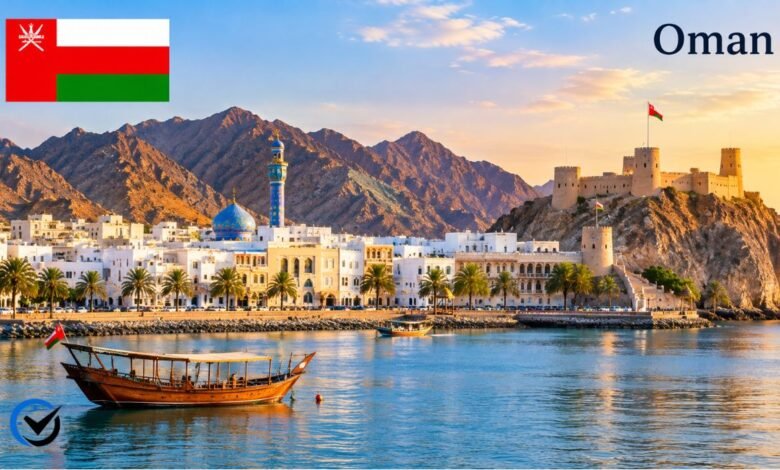
People searching for a country that starts with O are often surprised by what they find. Unlike letters such as A or B, which open the names of many nations, the letter O leads to a much smaller list. In fact, when you look at the full roster of United Nations member states, only one country begins with this letter. That country is Oman, a quiet but fascinating nation tucked into the southeastern corner of the Arabian Peninsula. This article walks through everything worth knowing about Oman, explains why the list of O-named countries is so short, and clears up some common mix-ups involving historical empires and disputed territories that sometimes appear in similar searches. By the end, you will have a clear, accurate picture of this part of the world map.
Understanding Which Countries Start With O
Before diving into details, it helps to understand the scope of this topic. There are 195 widely recognized countries in the world today, and geographers often group them alphabetically for teaching, trivia, and reference purposes. When you filter that list down to names beginning with O, Oman stands alone as the sole sovereign nation. This makes it something of a rarity in geography quizzes and classroom exercises, since most letters of the alphabet host at least a handful of nations. Knowing this upfront helps set realistic expectations for anyone expecting a long list similar to what letters like I, S, or M would produce.
Oman: The Only Country That Starts With O
Oman is officially known as the Sultanate of Oman, and it holds a unique place in the Arab world. Unlike some of its neighbors that gained global attention through oil wealth and rapid modernization, Oman has taken a slower, more deliberate path toward development while preserving much of its traditional character. The country sits at a crossroads between the Arabian Sea, the Gulf of Oman, and the Arabian Gulf, giving it strategic importance for global shipping and trade routes for centuries.
Location and Geography of Oman
Oman shares land borders with Saudi Arabia, the United Arab Emirates, and Yemen, while its coastline stretches for more than a thousand miles along some of the most dramatic scenery in the region. The terrain ranges from rugged mountains in the north, including the Al Hajar range, to vast desert stretches in the interior and lush green valleys in the southern Dhofar region. This variety of landscapes is unusual for a Middle Eastern nation and gives Oman a level of natural diversity that many visitors do not expect. The capital city, Muscat, blends old fortresses and white-washed buildings with modern infrastructure, creating a skyline that feels both historic and contemporary at once.
History and Cultural Heritage
Oman’s history stretches back thousands of years, with evidence of trade connections to ancient civilizations including those in Mesopotamia and the Indus Valley. At various points in its past, Oman built a maritime empire that extended influence along the East African coast, particularly around Zanzibar, making it one of the more historically significant seafaring powers in the region. This maritime legacy still shapes Omani identity today, visible in traditional wooden ships called dhows that continue to be built by hand using techniques passed down through generations. The country’s forts, such as those in Nizwa and Bahla, stand as physical reminders of a past shaped by trade, defense, and regional influence.
People, Language and Traditions
Arabic is the official language of Oman, though English is widely used in business and tourism settings, making travel relatively easy for international visitors. Omani culture places strong emphasis on hospitality, and it is common for guests to be welcomed with dates, fresh fruit, and a small cup of Omani coffee flavored with cardamom. Traditional clothing remains part of daily life, with men often wearing the dishdasha, a long robe, paired with a distinctive cap called a kuma or a turban known as a mussar. Women often wear elegant, colorful garments that vary by region, reflecting local customs rather than a single national standard. These traditions are not reserved for special occasions alone; they are woven into everyday life across the country.
Economy and Modern Development
While oil and natural gas have historically been central to Oman’s economy, the government has worked steadily to diversify income sources through tourism, fishing, agriculture, and manufacturing. This approach reflects a broader national strategy known as Oman Vision 2040, which aims to reduce dependence on fossil fuels and build a more balanced, sustainable economic future. Compared to some of its Gulf neighbors, Oman has taken a more measured approach to growth, prioritizing long-term stability over rapid, flashy expansion. This has resulted in a country that feels less commercialized than some nearby destinations, appealing to travelers who prefer authenticity over spectacle.
Tourism and Natural Beauty
Oman’s natural attractions are becoming increasingly popular among travelers seeking destinations that feel undiscovered. The Wahiba Sands offer classic desert scenery with towering dunes perfect for stargazing away from city lights. Wadi Shab, a canyon with turquoise pools fed by mountain springs, draws hikers and swimmers looking for a refreshing escape from the heat. Meanwhile, the Dhofar region transforms dramatically during the khareef season, when monsoon rains turn the landscape green and waterfalls appear across the hills, a stark contrast to the arid image many people associate with the Arabian Peninsula. These varied experiences make Oman a country that rewards travelers willing to explore beyond typical tourist checklists.
Why Only One Country Starts With O
The scarcity of countries beginning with O is not accidental but rather a reflection of linguistic patterns across regions. Many country names trace back to geographic features, tribal names, colonial influences, or historical rulers, and the sounds that begin these names are not evenly distributed across the alphabet. Letters like O are simply less common as starting sounds in the languages that gave rise to many modern country names, whether Arabic, Latin, or various African and Asian language families. This is similar to why certain letters dominate baby name trends in different eras, shaped by phonetic patterns rather than random chance. Understanding this helps explain why some geography questions naturally produce shorter answer lists than others.
Territories and Regions Sometimes Confused With Countries Starting With O
When people search for countries starting with O, they occasionally encounter references to entities that are not sovereign nations but still carry the letter O in some form. The Ottoman Empire, for example, was a powerful historical state that once controlled large portions of Southeast Europe, Western Asia, and North Africa, but it ceased to exist after World War I and was replaced by the modern nation of Turkey and several other independent states. While fascinating from a historical standpoint, the Ottoman Empire should not be confused with a currently recognized country. Similarly, some lists mistakenly include partially recognized or disputed territories that contain the letter O in regional names, but these do not carry the same status as fully recognized United Nations member states. Being clear about this distinction helps readers avoid confusion when researching world geography.
Fun Facts About Oman
Oman holds several distinctions that make it stand out on the world stage. It is home to one of the oldest independent states in the Arab world, having maintained its sovereignty through centuries of regional shifts and foreign influence. The country is also known for producing high-quality frankincense, a fragrant resin harvested from trees in the Dhofar region that has been traded internationally for thousands of years and remains an important cultural and economic product today. Oman’s Sultan Qaboos Grand Mosque in Muscat is renowned for its intricate design and houses one of the largest hand-woven carpets in the world, a testament to the craftsmanship valued throughout Omani history. Additionally, Oman is one of the safest countries in the Middle East for travelers, consistently ranking well in global safety indexes, which adds to its growing appeal among international visitors seeking a peaceful yet culturally rich destination.
Oman’s Global Relationships and Diplomacy
Oman has earned a reputation for practicing a distinctive style of neutral diplomacy, often serving as a quiet mediator in regional disputes rather than taking overt sides in conflicts. This approach has allowed the country to maintain positive relationships with a wide range of nations, including those that may have tense relationships with one another. Oman’s foreign policy reflects a broader cultural value placed on balance and calm problem-solving, traits that are also visible in everyday Omani interactions and business practices. This diplomatic reputation has made Muscat a location for sensitive negotiations on more than one occasion, further cementing Oman’s role as a stabilizing presence in a region often associated with turbulence.
The Educational Value of Studying Country Names by Letter
Exploring countries by starting letter, even when the list is short, offers real educational value beyond simple trivia. It encourages deeper engagement with geography, history, and language patterns that might otherwise go unnoticed in standard classroom lessons. For students, teachers, and curious learners alike, discovering that only one country starts with O naturally leads to further questions about linguistic history, colonial naming conventions, and the evolution of national identities over time. This kind of exploration turns a simple search query into a broader appreciation for how the modern political map came to look the way it does.
Final Thoughts
Searching for a country that starts with O ultimately leads to one clear, well-defined answer: Oman. Rather than being a limitation, this focused result opens the door to a deeper look at a nation with a rich maritime history, striking natural landscapes, and a thoughtful approach to modern development. Oman offers far more than its alphabetical rarity suggests, standing as a country worth understanding on its own merits rather than simply as an answer to a geography question. Whether you are a student researching world nations, a traveler planning a future trip, or simply someone curious about how countries are named and categorized, Oman provides a rewarding subject that rewards closer attention.
Frequently Asked Questions (FAQs)
1. Is Oman the only country that starts with the letter O?
Yes, among all internationally recognized sovereign nations, Oman is the only country whose name begins with the letter O. No other current UN member state shares this starting letter.
2. Why are there so few countries starting with O compared to other letters?
Country names generally originate from geographic features, historical rulers, or regional languages, and the letter O is simply less common as a starting sound in the naming traditions of most world languages. This results in a naturally shorter list compared to more common starting letters like A or S.
3. What is the capital of Oman?
The capital of Oman is Muscat, a coastal city known for blending traditional Arabian architecture with modern infrastructure. Muscat also serves as the country’s main hub for business, government, and tourism activity.
4. Was the Ottoman Empire the same as Oman?
No, these are two completely different entities. The Ottoman Empire was a historical state that existed for several centuries before dissolving after World War I, while Oman is a modern, currently active sovereign nation with its own separate history and government.
5. What language do people speak in Oman?
Arabic is the official language spoken throughout Oman, though English is commonly used in tourism, education, and business settings, making the country accessible to international visitors.
6. Is Oman a safe country to visit?
Yes, Oman is widely regarded as one of the safer destinations in the Middle East, with low crime rates and a strong cultural emphasis on hospitality toward visitors and travelers.
7. What is Oman known for producing?
Oman is particularly well known for frankincense, a fragrant resin harvested from trees primarily in the Dhofar region, which has been an important trade product for thousands of years.
8. Does Oman rely mainly on oil for its economy?
While oil and natural gas have historically played a major role in Oman’s economy, the government has been actively working to diversify through tourism, fishing, manufacturing, and other sectors as part of long-term development plans.
9. What kind of landscapes can be found in Oman?
Oman features a surprising variety of landscapes, including rugged mountains, expansive deserts, dramatic canyons, and lush green valleys, especially in the southern Dhofar region during its seasonal monsoon period.
10. Are there any disputed territories that start with O that people confuse with countries?
Occasionally, certain historical or regional terms containing the letter O appear in searches, but these typically refer to former empires or non-sovereign regions rather than currently recognized independent countries. Oman remains the only fully recognized sovereign nation starting with this letter.
Recommended: 25 Fruits Starting with N: A Complete List with Pictures



One Comment